

Bookbot

No-Nonsense sprievodcovia

Táto séria sprievodcov je určená čitateľom, ktorí chcú rýchlo a efektívne pochopiť zložité témy. Každá kniha sa zameriava na jednu tému, rozoberá ju na základné pojmy a prezentuje informácie jasným a stručným spôsobom. Cieľom je poskytnúť čitateľom pevný základ vedomostí bez zbytočných okolkov. Sú ideálne pre samoukov, študentov alebo kohokoľvek, kto hľadá priamy prístup k faktom.

The No-Nonsense Guide to Democracy
The No-Nonsense Guide to Climate Change
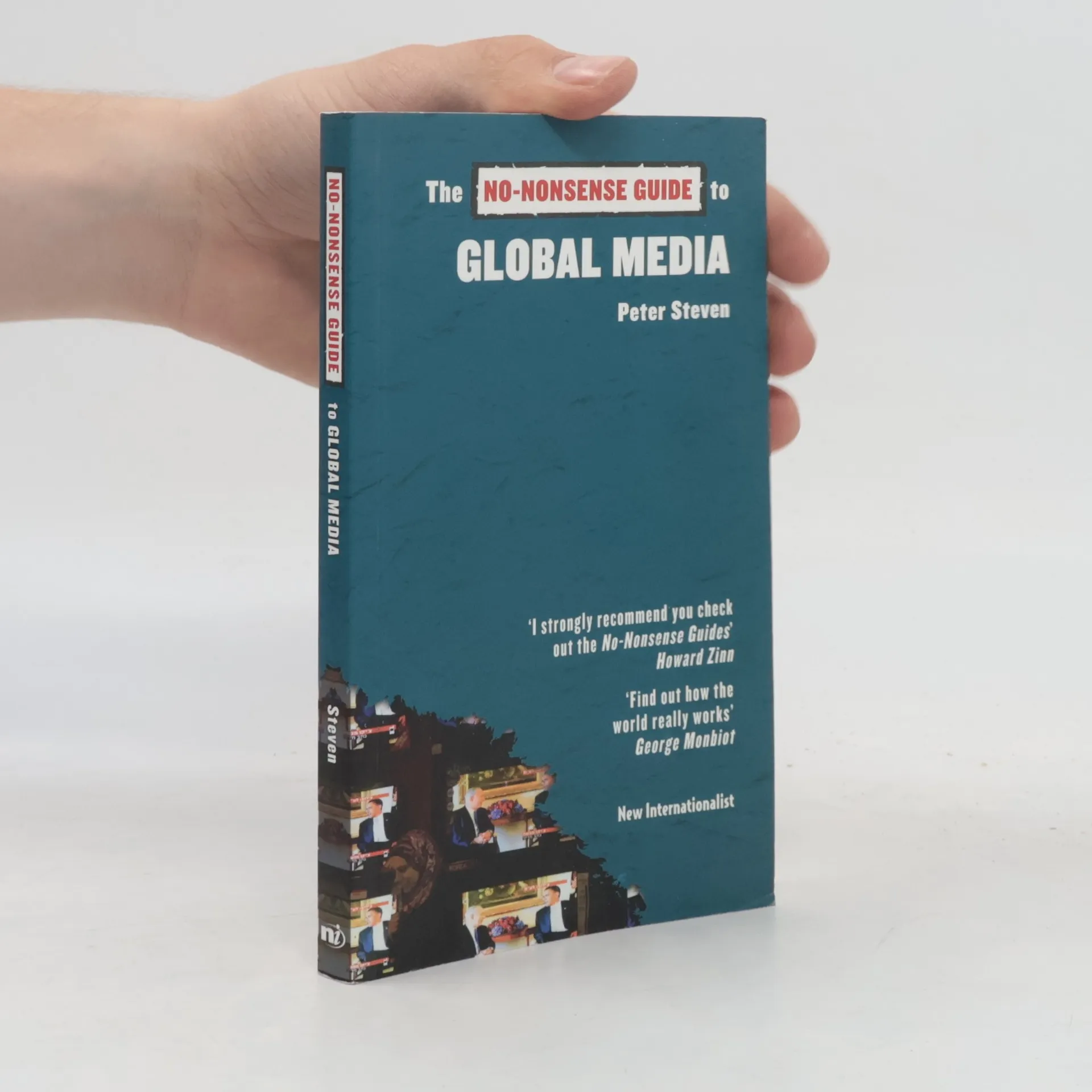
The No-Nonsense Guide to Global Media
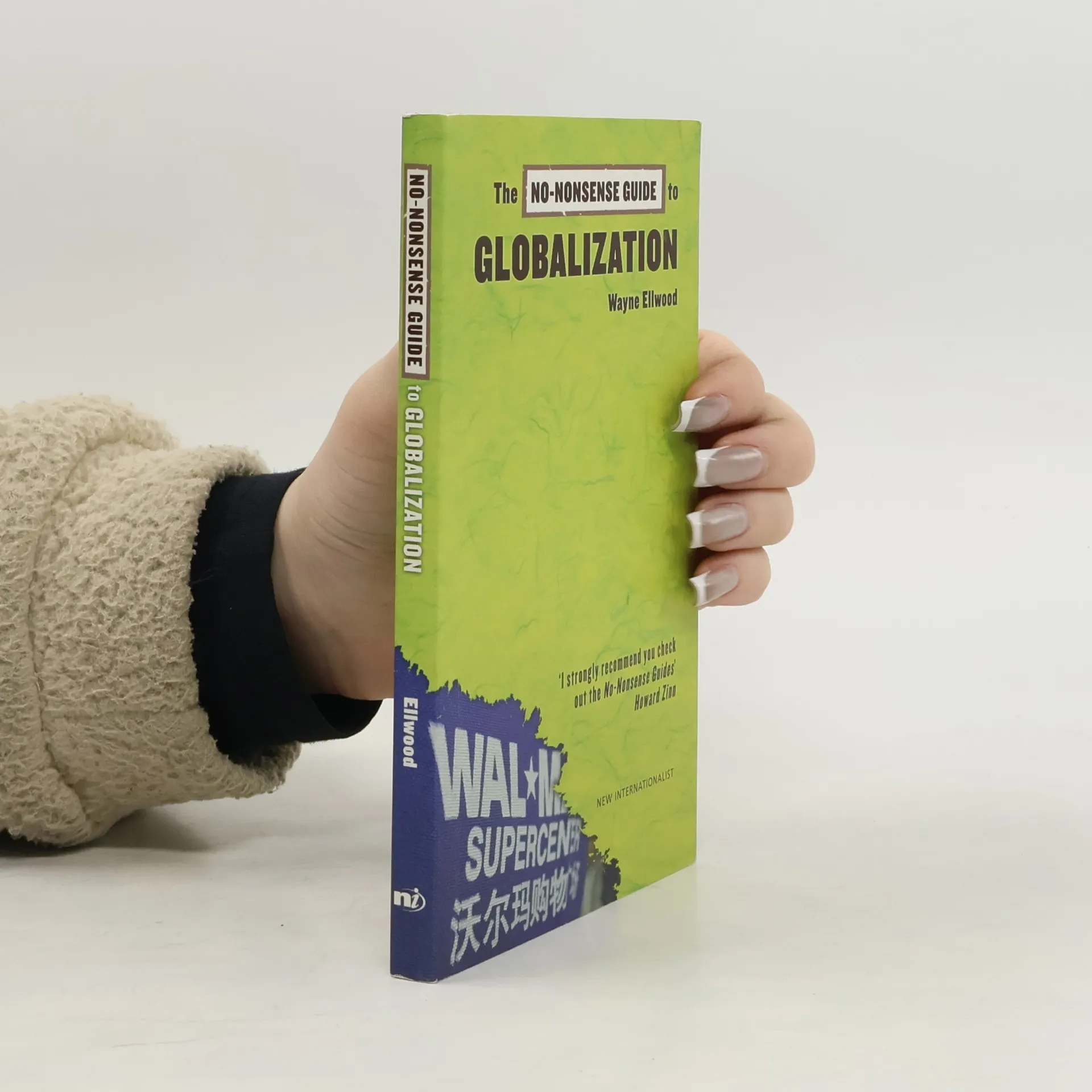
The No-Nonsense Guide to Globalization
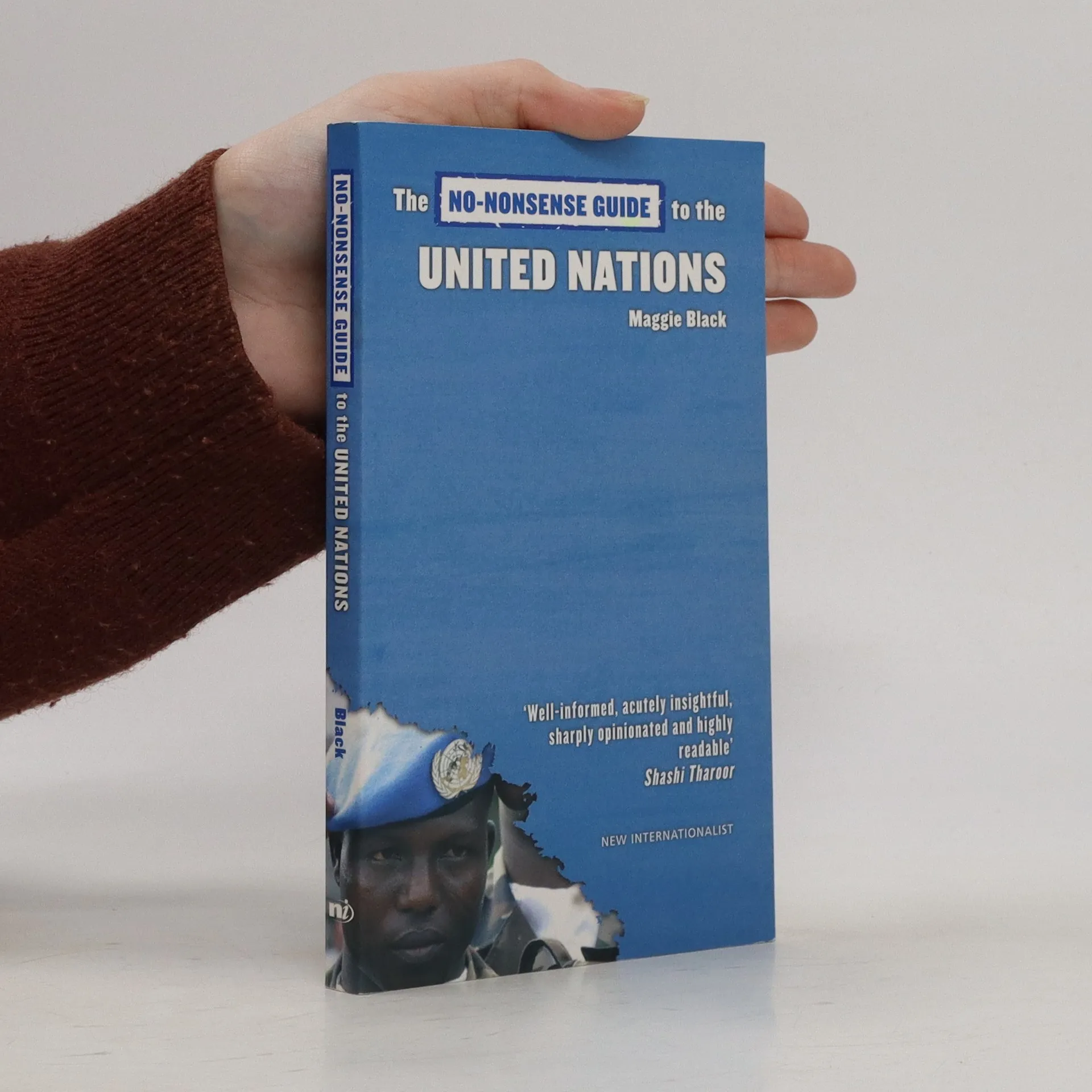
The No-nonsense Guide to the United Nations
The No-Nonsense Guide to the Arms Trade
  • The ending of the Cold War was supposed to increase global security and divert expenditure previously earmarked for arms purchases to more constructive ends. Instead, the arms trade has flourished. Not only conventional arms, but also police and surveillance equipment, have been provided by Western countries seeking to make a profit from conflict in unstable parts of the world. Foreign debt has remained high, development has been held back, and human rights have been systematically abused, all with the connivance of an arms trade prepared to turn a blind eye to the uses to which increasingly sophisticated weaponry is put, so long as hefty profits can be reaped. This disturbing book names the players in the arms trade and charts the impact that it has had on war, human rights, and development. The financial and trade mechanisms that permit the arms trade to continue are revealed, amid sordid tales of bribery and corruption. Gideon Burrows concludes his examination by reviewing the ways in which this trade can be controlled or even abolished.

    The No-Nonsense Guide to the Arms Trade
    3,3
  • In the first book to distill the entire history of the United Nations into one accessible volume, Maggie Black explains how this complex organization works and explores its successes, failings, and current limitations. The book includes the creation of the UN and its early history, how it is structured, and whether it is well constituted in its functions. Black also considers possibilities for reform to make it more democratic, effective, and fit for its purpose. Maggie Black has written books for Oxford University Press, UNICEF, and Oxfam and articles for The Economist and BBC World Service. She has worked as a consultant for UNICEF and Anti-Slavery International.

    The No-nonsense Guide to the United Nations
    3,5
  • This book delves into the complexities of the global economic system, shedding light on its underlying mechanisms and the interests that drive it. It critically examines the various forces at play, revealing how they shape economic policies and outcomes. Through insightful analysis, it aims to provide readers with a clearer understanding of who benefits from the current economic structure and the implications for society at large.

    The No-Nonsense Guide to Globalization
    3,8
  • The No-Nonsense Guide to Global Media is a concise and balanced guide to the past, present and future of the media. It tackles complex issues in an accessible and easy-to-read style with black and white maps, charts and graphs to illustrate key points.

    The No-Nonsense Guide to Global Media
    5,0
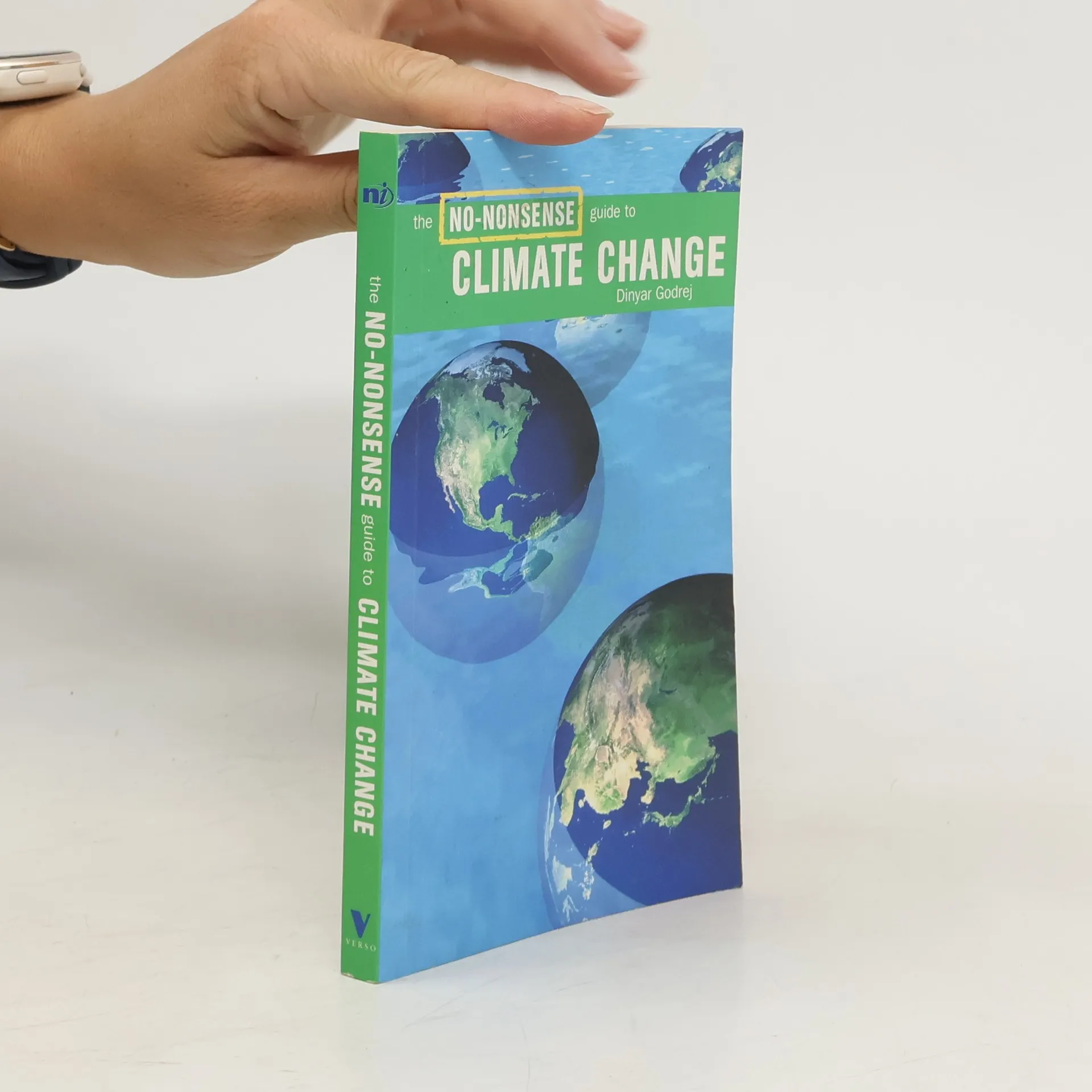
  • A Canadian Mounties boat negotiates the Arctic Northwest Passage without coming up against pack ice. Floods devastate Mozambique, and tinder-dry forests of the American Northwest go up in a blaze. Just blips in the world’s weather systems or unmistakable signals that human influence is to blame? As billion-dollar catastrophes pile up, insurance giants are beginning to take warnings by the scientific community seriously. Meanwhile governments rarely match promises with action that can deal with the problems. But what is fact, what is plain disinformationand what can be done? About the No-Nonsense Guides: Major issues facing the world today, complex as they are, are further obfuscatedoften deliberatelyby political and corporate jargon and media spin. By contrast, New Internationalist Magazine has been a leading source of reliable information and clear analysis for the last twenty years. This new Verso series of No-Nonsense Guides, published in conjunction with New Internationalist, cuts through the confusion to present the facts and arguments concerning contemporary global issues as accessibly as possible. Concise, comprehensive, and affordable, the No-Nonsense Guides will be of interest to busy people, from school age on, who want to know how the world works.

    The No-Nonsense Guide to Climate Change
  • Explores how democracy has been constricted and deformed by economic power- brokers and a self-serving political class from Birmingham to Bangalore. This book considers the different tools people in power have used to manipulate democratic principles, such as freedom, to their advantage.

    The No-Nonsense Guide to Democracy
    3,0
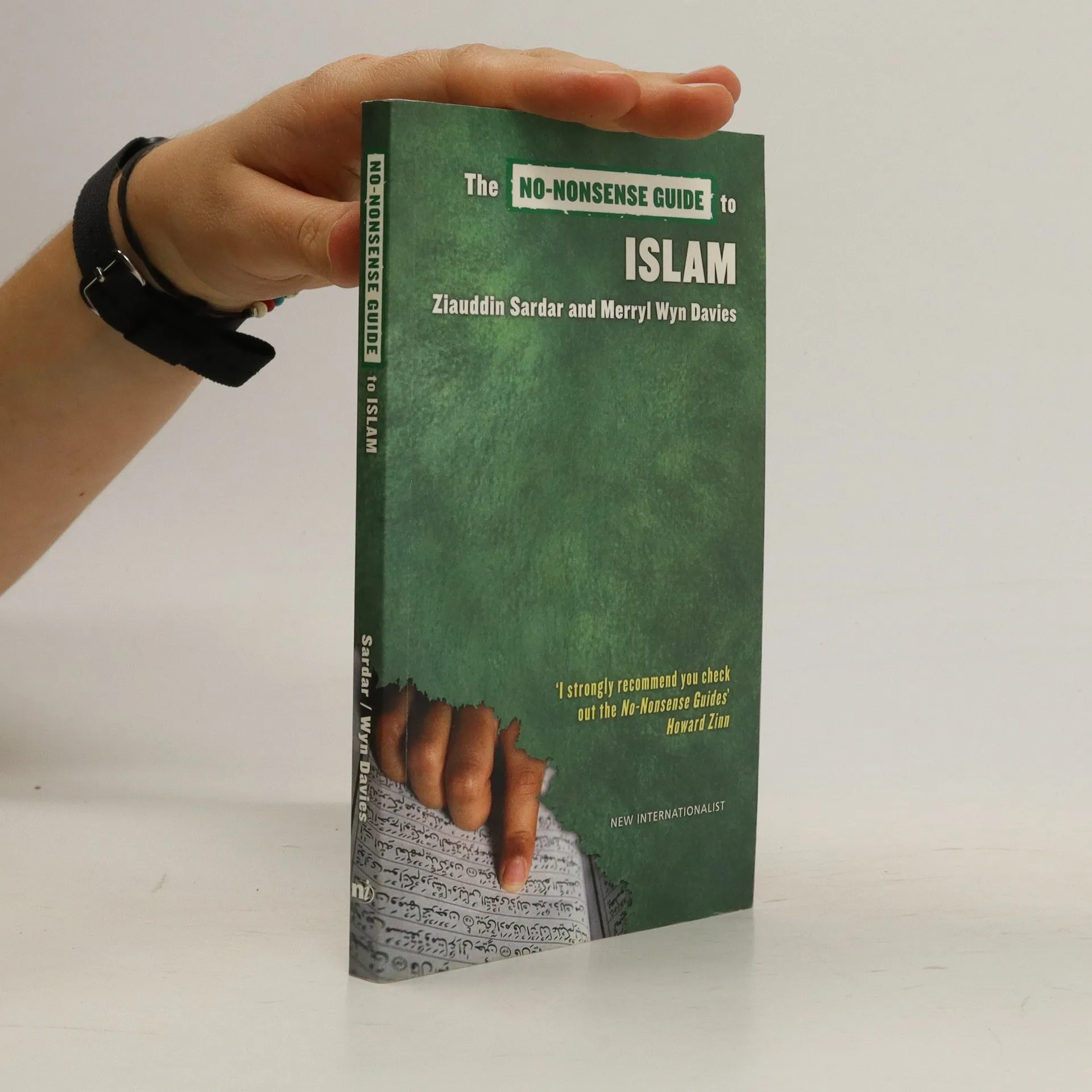
  • This guide explains Islamic history, the Qur’an, sharia law, and Islam’s relationship with the West. It analyzes the struggle within the faith for a more humane interpretation of the religion, issues surrounding women, democracy, and economic development, and the outlook post-9/11 and the Iraq war. Merryl Wyn Davies is a writer, anthropologist, and TV producer. The author of Knowing One Shaping an Islamic Anthropology, she also co-authored the international bestseller Why Do People Hate America? Ziauddin Sardar is a writer, broadcaster, and cultural critic. His works include Postmodernism and the Other, Orientalism, and Why Do People Hate America?, written with Merryl Wyn Davies.

    The No-nonsense Guide to Islam
    3,5
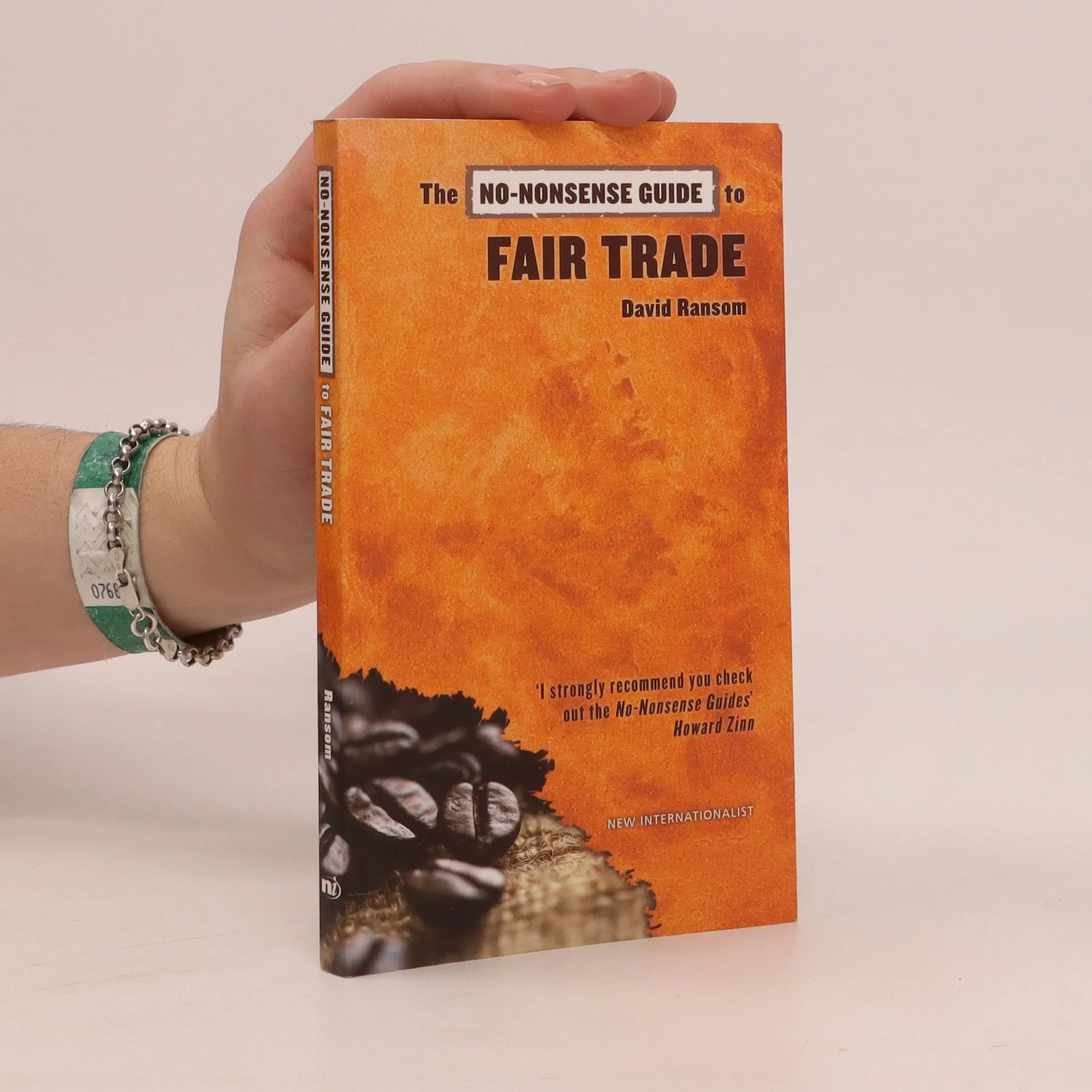
  • From coffee farms in Peru and cocoa production in Ghana to jeans manufacture in China and the Banana War of Guatemala and the Caribbean, this fully revised No-Nonsense Guide tells the human story behind the products we consume. Examining the contest between 'free' and 'fair' trade around the world, David Ransom argues that the key question is not whether trade should be regulated or deregulated, but whether it is to be the master or servant of the people.
    The no-nonsense guide to fair trade
    3,5
  • Focusing on the multifaceted nature of development, the book argues for a shift towards a more socially-oriented approach rather than a strictly political one. It delves into various dimensions of development, emphasizing the importance of social factors in fostering genuine progress. The exploration challenges conventional perspectives and encourages readers to reconsider the role of community and social structures in shaping effective development strategies.

    The No-Nonsense Guide to International Development
    3,6
  • The book explores the limitations of economic growth and wealth generation in addressing the fundamental needs of the poor, emphasizing that financial prosperity alone cannot ensure sufficiency and safety for marginalized communities. It delves into the systemic issues that perpetuate poverty and advocates for a reevaluation of how society measures success, urging for more equitable approaches that prioritize the well-being of all individuals rather than mere economic indicators.

    The No-Nonsense Guide to World Poverty
    4,0
  • Indigenous peoples have long suffered from exoticization. Outsiders elevate their beauty, remoteness and difference and do not see beyond this to the real problems they face. The No-Nonsense Guide to Indigenous Peoples looks beyond the exotic images, tracing the stories of different indigenous peoples from their first (and often fatal) contact with explorers and colonizers. Much of this history is told here by indigenous people themselves.They vividly describe why land and the natural world are so special to them; how it feels to be snatched from your family as a child because the government wants to “make you white”; why they are demanding that museums must return the bones of their ancestors; how can they retain their traditional culture while moving with the times; and what kinds of development are positive. This short guide discusses all this and more, raising countless issues for debate.

    The No-Nonsense Guide to Indigenous Peoples
    3,7