No business, legitimate or otherwise, has had a more raucous influence on the history of a city than that of the Outfit in Chicago. From the roots of organized crime in the late 19th century to the present day, The Chicago Outfit examines the evolution of the city's underworld, focusing on their business activities and leadership along with the violence and political protection they employed to become the most successful of the Cosa Nostra crime families. Through a vivid and visually stunning collection of images, many of which are published here for the first time, author John Binder tells the story of the people and places of the world of organized crime from a fresh and informed point of view.
Snímky Ameriky: Illinois Séria
Preskúmajte bohatú minulosť Illinois prostredníctvom fascinujúcej zbierky historických fotografií. Táto séria vás zavedie na nostalgickú cestu po malebných mestečkách a živých centrách, kde každý záber rozpráva príbeh o jedinečných tradíciách a kultúre štátu. Objavte skryté skvosty a zabudnuté momenty, ktoré formovali tento americký štát. Sú to vizuálne pocty nezlomnému duchu Illinois.


Joliet
- 128 stránok
- 5 hodin čítania
The transformation of Joliet from a lush prairie to a vibrant industrial community in the late 19th century is highlighted, showcasing the impact of Eastern European immigrants. As it evolved, Joliet shifted from an industrial hub to a popular tourist destination, featuring attractions like the NHRA drag strip, NASCAR track, casinos, and a minor-league baseball team. The book emphasizes the city's rich cultural heritage and community spirit, culminating in its recognition as an All-American City in 1955.
Joliet's Gerlach Barklow Calendar Company
- 130 stránok
- 5 hodin čítania
Chronicling the rich history of a significant American calendar and advertising company, this book features vintage photographs and calendar prints that showcase the Gerlach Barklow Company's evolution since its founding in 1907. It highlights the contributions of key figures and the company’s role as a major employer in Joliet, including its sponsorship of sports teams and employee events. The collection also includes works from various artists, factory department photos, and examples of greeting cards, offering a comprehensive look at the company's legacy.
Plainfield
- 130 stránok
- 5 hodin čítania
Exploring the rich history of Will County's oldest community, this book delves into the early settlement along the DuPage River, the impact of the Black Hawk War, and the establishment of Fort Beggs. It chronicles significant events from the Civil War era through the commercial growth of the 19th century and beyond, including a chapter dedicated to the 1990 tornado. Tim and Michelle present a unique collection of images from early glass negatives and rare documents, offering a vivid glimpse into Plainfield's past.
The book showcases the transformation of Arlington Heights, Illinois, from a collection of mercantile ventures in the mid-1800s to a thriving village center renowned for its growth and redevelopment. Through nearly 200 historic photographs, it highlights key figures, events, and industries that shaped the community. Notable images include the first photograph of the town, its founder, and the original post office. The narrative captures the dynamic evolution of the area, illustrating its resilience and reinvention over time.
Trout Valley, the Hertz Estate, and Curtiss Farm
- 130 stránok
- 5 hodin čítania
Set against the backdrop of Trout Valley in the 1920s, the book explores John D. Hertz's lavish estate, Leona Farms, designed by renowned landscape architect Jens Jensen. It highlights Hertz's life of luxury, featuring racehorses, extravagant parties with celebrities, and notable guests like Eleanor Roosevelt. The narrative shifts in 1943 when Otto Schnering acquires the estate, transforming it into a vast farming operation, while memories of its glamorous past linger in the community, including the iconic six-pony hitch and trophy-winning cattle.
Libertyville
- 130 stránok
- 5 hodin čítania
The book explores the rich history of a village along the upper Des Plaines River, originally known as Vardin's Grove before becoming Libertyville in the 1840s. It highlights significant landmarks like the Cook House, built by state legislator Ansel Brainerd Cook, and the estates of railroad tycoon Samuel Insull, who once owned 6,000 acres in the area. The narrative captures various aspects of community life, including business, education, and entertainment, alongside historic events such as the Lake County Fair and a notable 1924 train robbery.
Park Ridge
- 128 stránok
- 5 hodin čítania
Set against the backdrop of 19th-century immigration, the narrative explores the evolution of a community from Pennyville to Brickton, and finally to Park Ridge. The village's name reflects its scenic environment and a historical misconception about its geography. Highlighting notable residents like Hillary Clinton and Harrison Ford, the book chronicles the area's rich history and cultural transformations, with a focus on landmarks such as the art deco Pickwick Theater, illustrating the vibrant changes in downtown Park Ridge over the years.
Downers Grove Revisited
- 128 stránok
- 5 hodin čítania
The story unfolds in 1832 as a solitary 50-year-old man claims rich farmland in Illinois by bending a sapling, marking the founding of Downers Grove. This pivotal moment captures the essence of early American settlement and the determination of individuals to carve out their destinies in the vast prairie landscape. The narrative highlights themes of perseverance, community building, and the transformative power of land ownership in shaping local history.
Set against the backdrop of the Great Depression, the 1933-34 Chicago World's Fair celebrated a century of progress in the city. It featured participation from major American companies and international countries, showcasing innovations and histories. Despite initial financial struggles, small investors helped bring the fair to life, which ultimately attracted 39 million visitors and turned a profit. This book includes a collection of rare and previously unpublished photographs that capture the fair's major attractions and the transformations that occurred between its two seasons.
Mundelein
- 127 stránok
- 5 hodin čítania
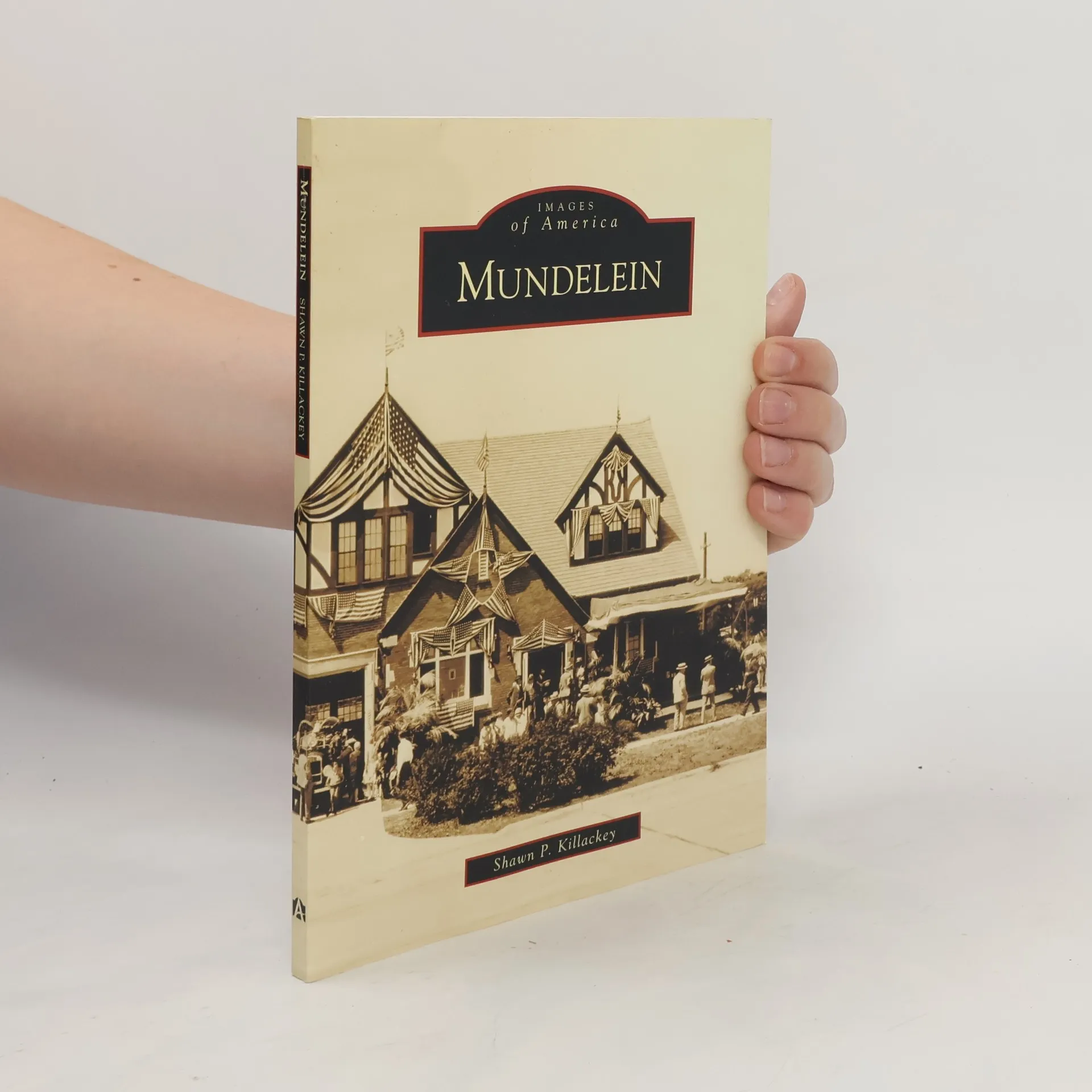
Tucked away in the northeastern part of Illinois, just north of Chicago, is the village of Mundelein. Starting out in the mid-1800s as unsettled and unincorporated areas of land, this little village continued to form and grow throughout the years with many settlers, pioneers, and entrepreneurs who wanted to bring their ideas and dreams to this area, from Samuel Insull extending the Chicago-Milwaukee railroad into the community to Card. George Mundelein creating and constructing the St. Mary of the Lake Seminary, which brought half a million people on one day to gather in this unknown village. In turn, the village was named in the cardinal's honor and since its settlement has gone from a population of 500 to over 30,000.
Images of America: Chicago's Pilsen Neighborhood
- 128 stránok
- 5 hodin čítania
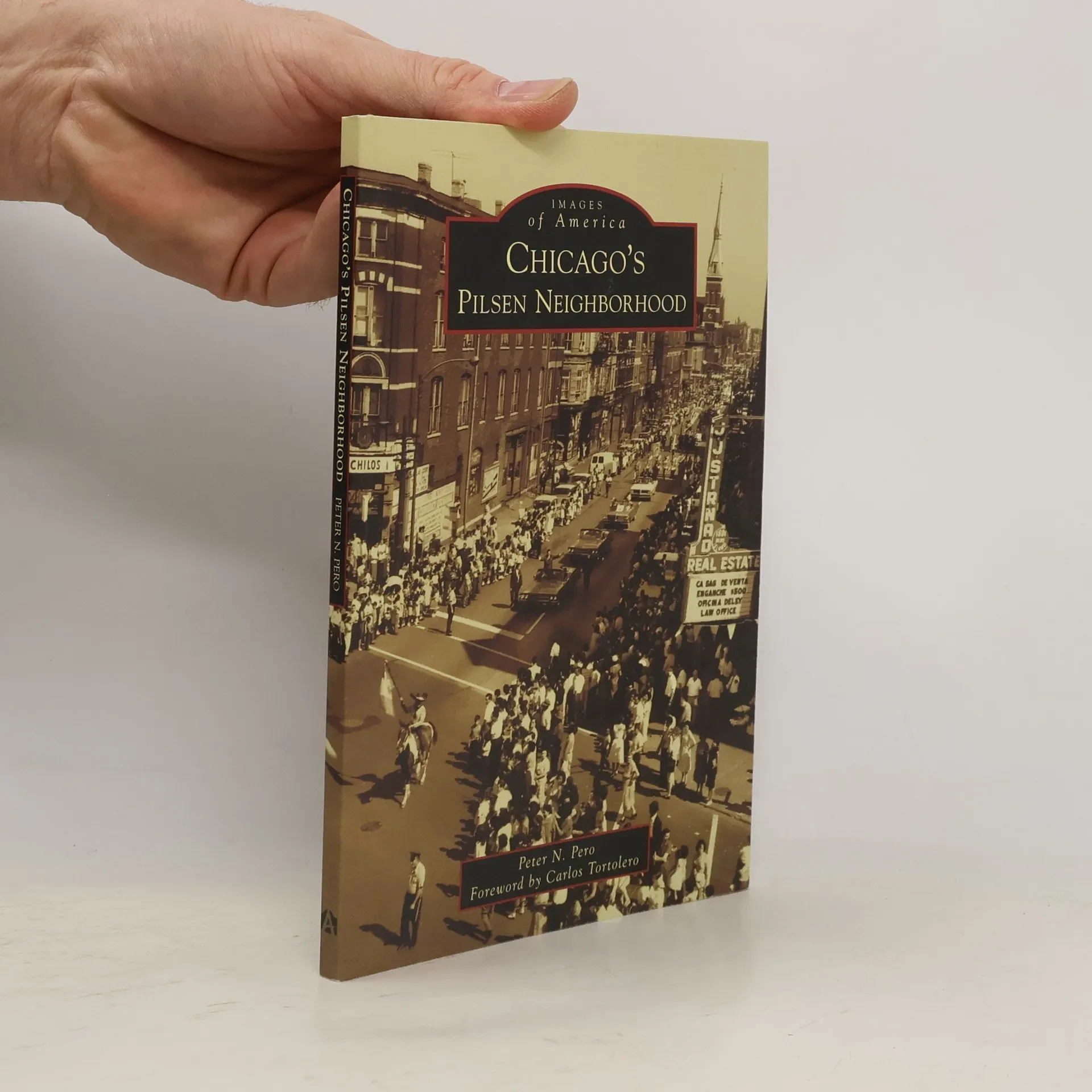
For nearly 150 years, Pilsen has been a port of entry for thousands of immigrants. Mexicans, Czechs, Poles, Lithuanians, Croatians, and Germans are some of the ethnic groups who passed through this "Ellis Island" on Chicago's Near Westside. Early generations came searching for work and found plenty of jobs in the lumber mills, breweries, family-run shops and large factories that took root here. Today most jobs exist outside of Pilsen, but the neighborhood is still home to a loyal population. Pilsen is compact but abounds with close-knit families, elaborate churches, mom-and-pop stores, and sturdy brick homes. Nearly 200 photographs from libraries, personal scrapbooks, and museums provide the evidence. Some notable people who walked the streets of Pilsen include Anton Cermak, Amalia Mendoza, George Hallas, Cesar Chavez, Judy Barr Topinka, and Stuart Dybek. Today the Pilsen schools are nurturing another generation of artists, athletes, and activists. Many Chicagoans and tourists from outside the city are rediscovering this colorful and historic neighborhood. Let this history book serve as their guide.
Images of America: Czechs of Chicagoland
- 128 stránok
- 5 hodin čítania
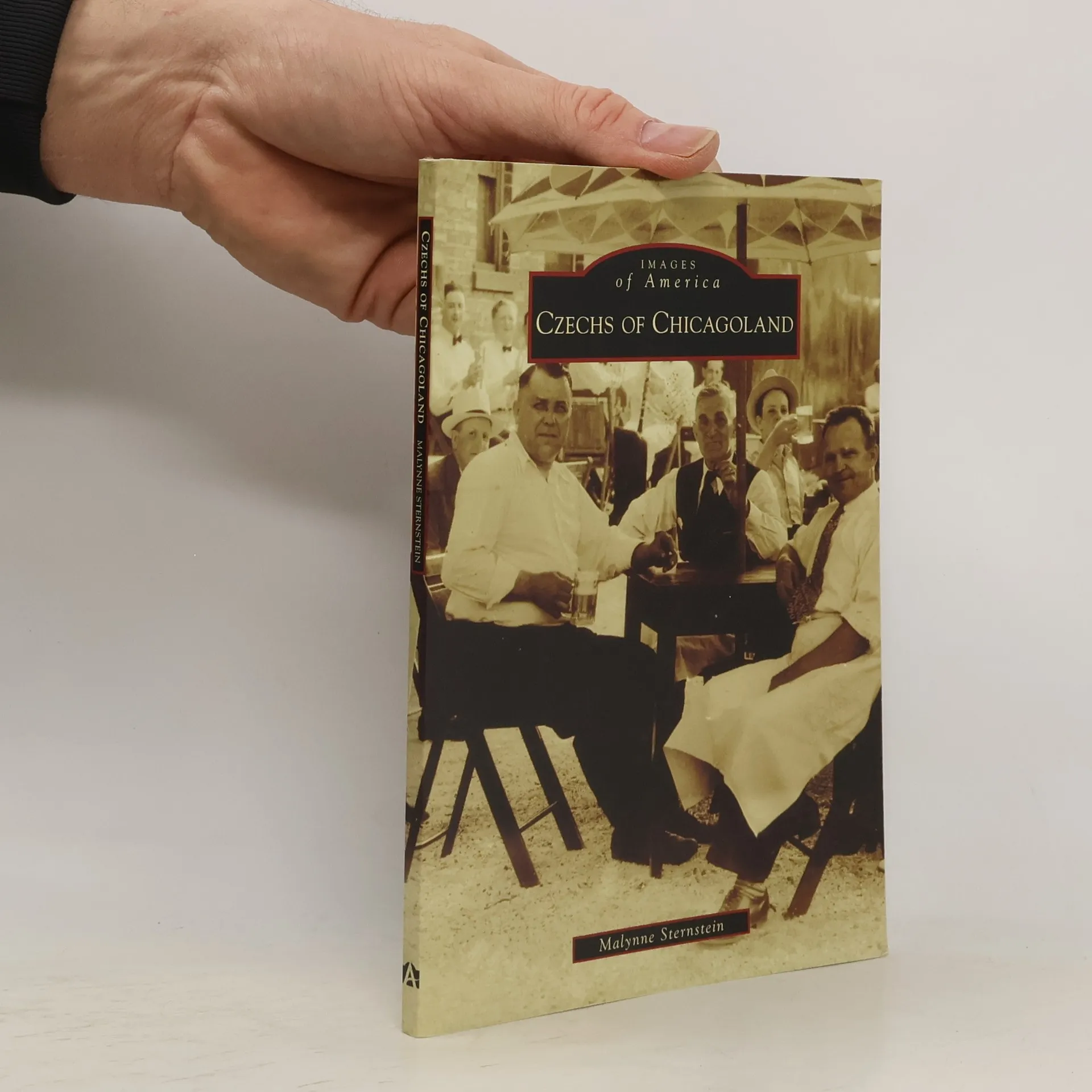
Chicago was once the second-largest Bohemian city outside the Czech lands. The Czechs first settled, serendipitously, behind the notorious O'Leary barn. Spared the Great Fire of 1871, they were displaced several blocks south by the ensuing land crush. There they built more permanent quarters in the community that became known as Pilsen, a neighborhood whose name and architecture survive to recall its Bohemian origins. The thriving Czechs soon began a century-long move westward from Lawndale to Cicero to Berwyn, and today they flourish across the western suburbs. From the desolation of the 1915 Eastland disaster, in which hundreds of victims were of Czech descent, to the triumphant Depression-era election of Czech-born mayor Anton n Cˇerm k, Czechs of Chicagoland depicts how the Czech community and its great leaders, benevolent societies, and charitable and social organizations have shaped and continue to shape the course of Chicago's history.