
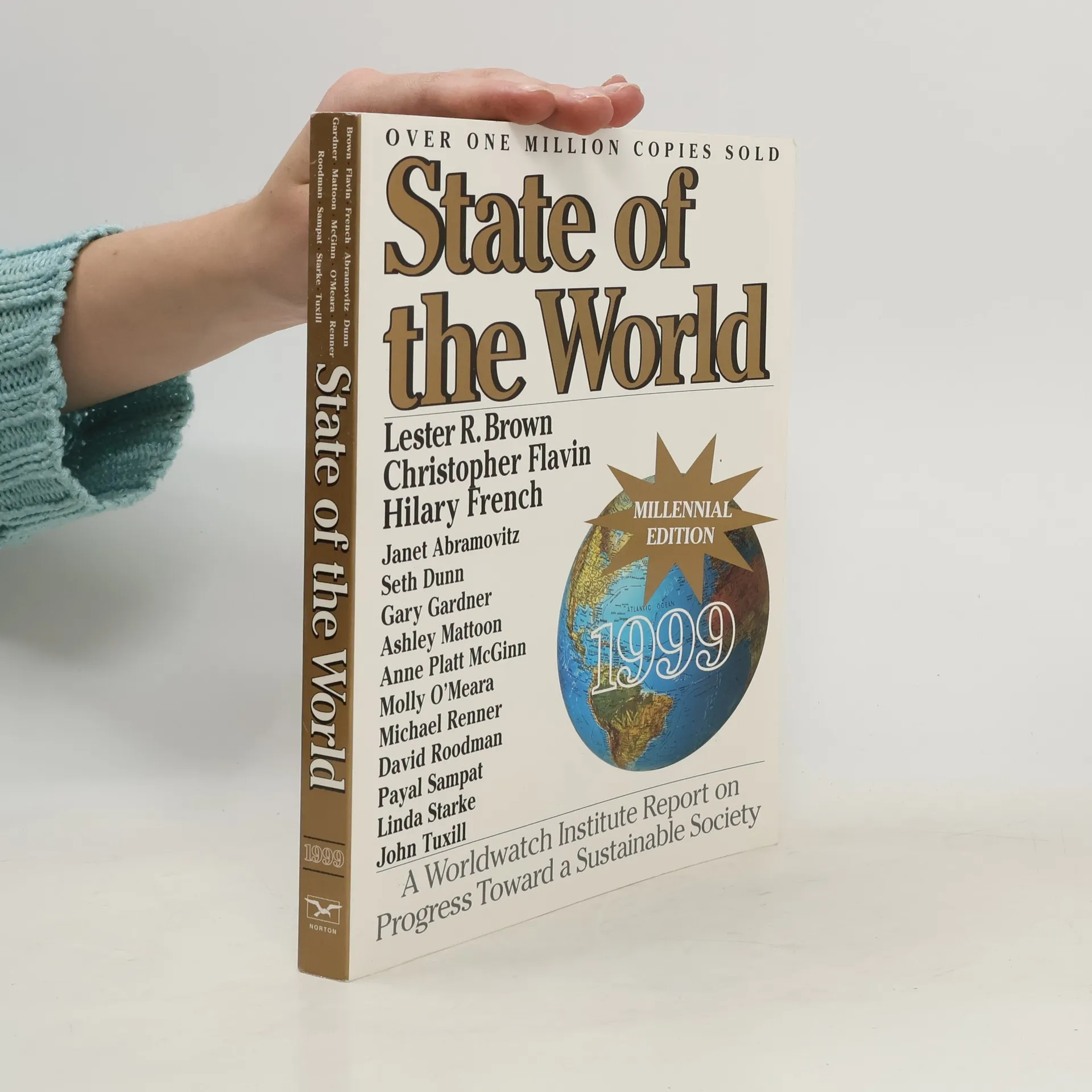
State of the World, 1999
- 256 stránok
- 9 hodin čítania
Report assessing society's ability to sustain itself without hurting the next generation
Táto séria sa ponorí do komplexných globálnych problémov, ktoré formujú našu súčasnosť a budúcnosť. Skúma kritické ekologické, sociálne a ekonomické trendy, ktoré ovplyvňujú planétu a jej obyvateľov. Každý diel ponúka hĺbkovú analýzu a inšpiruje k zamysleniu nad výzvami a príležitosťami, ktorým ľudstvo čelí. Je to nevyhnutné čítanie pre každého, kto sa zaujíma o svet okolo seba.


Report assessing society's ability to sustain itself without hurting the next generation
Focusing on the pressing issues of a transforming global landscape, this book offers a clear and accessible analysis supported by easy-to-read charts and tables. It emphasizes the urgent need for awareness and action from both individuals and leaders regarding the challenges we face today.
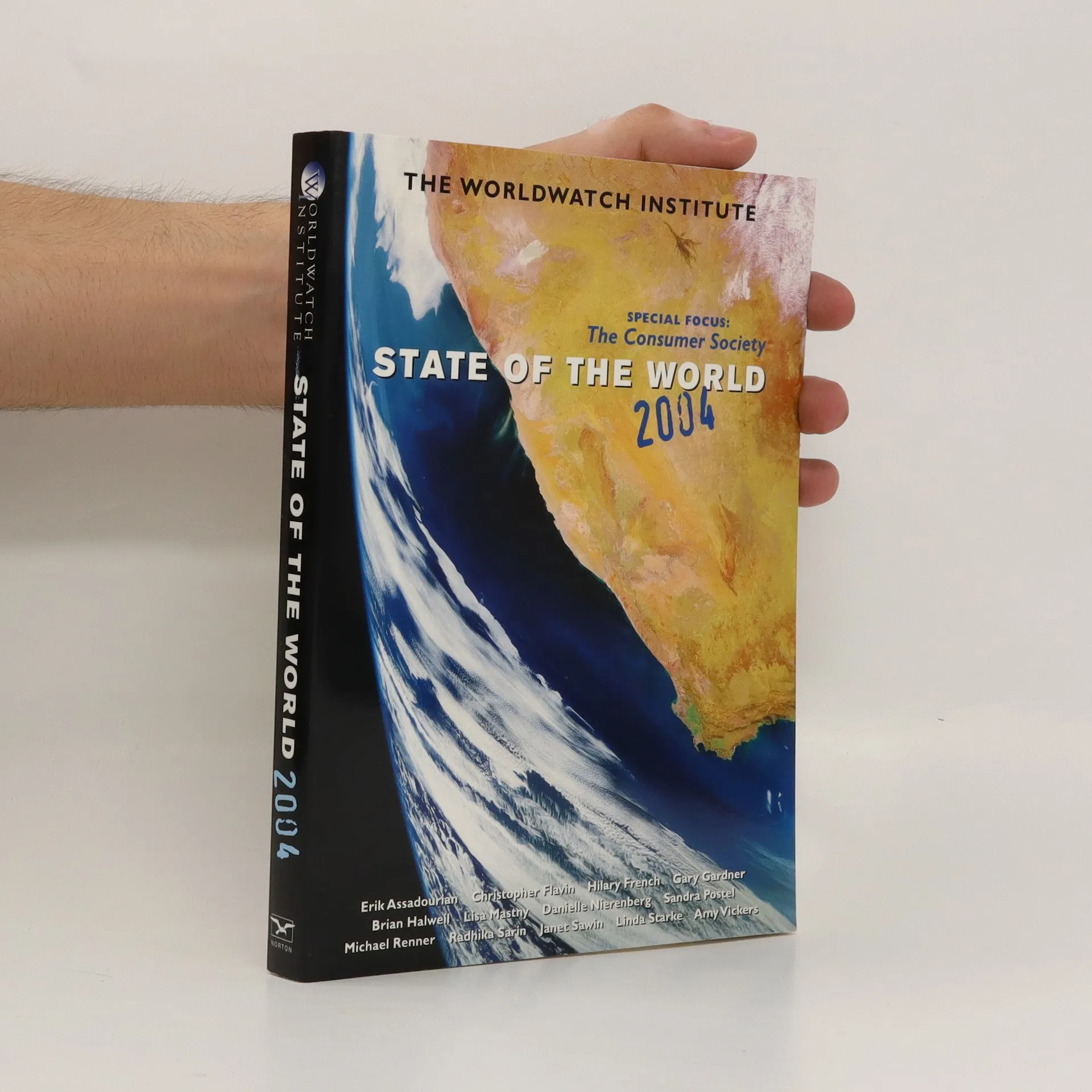
In State of the World 2004, the Worldwatch Institute's award-winning research team focuses on consumption, pointing to the many ways in which our consumption habits drive ecological and social deterioration, as well as how these habits can be redirected to reinforce environmental and social goals. As always, State of the World 2004 provides government officials, journalists, professors, students, and concerned citizens with a comprehensive analysis of the global environmental problems we face along with detailed descriptions of practical, innovative solutions—like charting the most environmentally sound path to a hydrogen-fueled economy, or accelerating the rapidly growing conversion of farmers worldwide to organic farming and sustainable agriculture. Written in clear and concise language, with easy-to-read charts and tables, State of the World 2004 presents a view of our changing world that we, and our leaders, cannot afford to ignore.
Report assessing society's ability to sustain itself without hurting the next generation
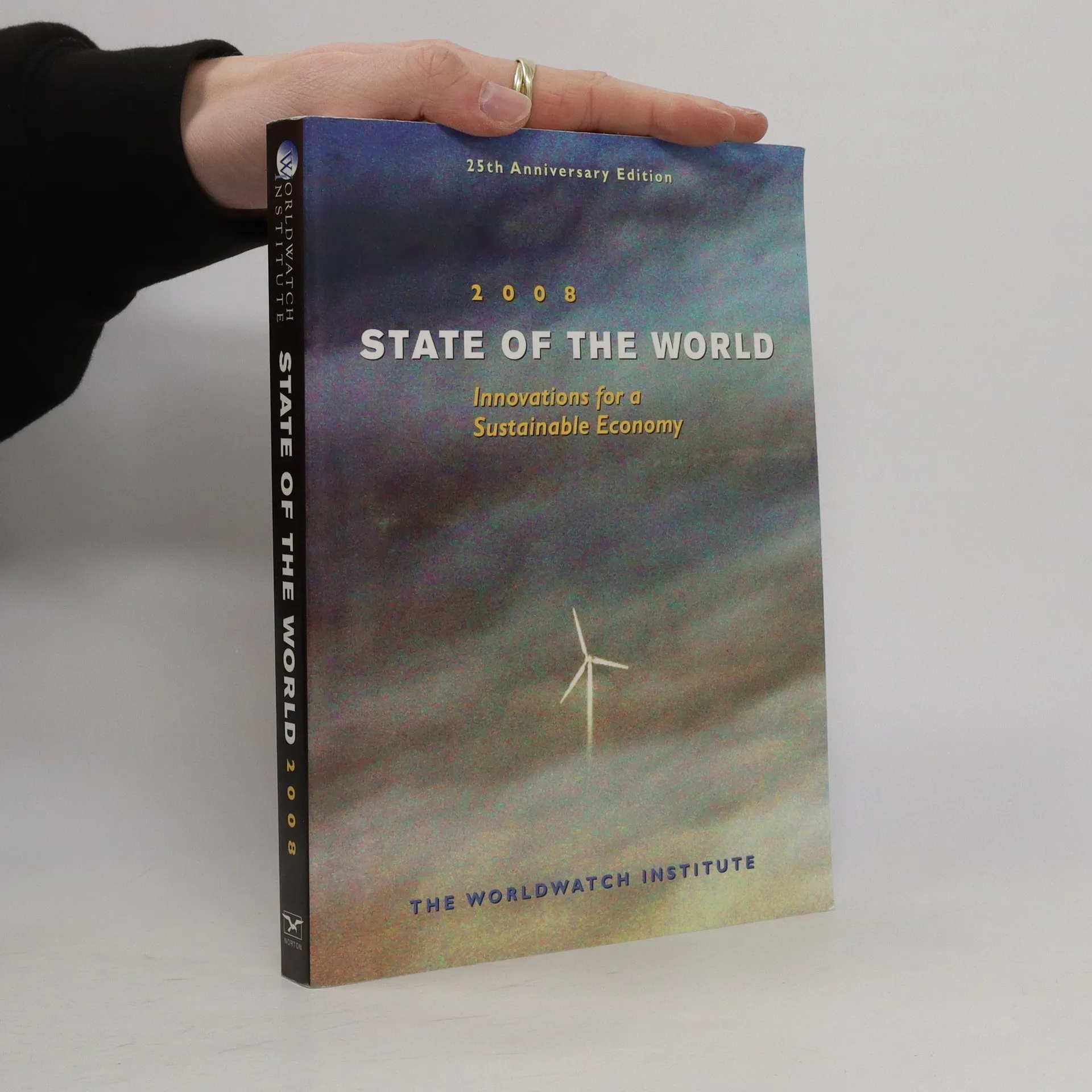
Growing evidence suggests that the global economy, rooted in ideas and assumptions that were progressive two hundred years ago, is now destroying its own ecological base and offering little to billions of impoverished people. In response, pioneers are creating the architecture of sustainable economies, one innovation at a time. State of the World 2008 describes these innovations from microfinance to closed-loop manufacturing and the use of trusts to protect common resources as well as identifying the obstacles that prevent a critical mass of people and organizations from moving toward sustainability, and rallying coalitions of stakeholders that can produce win-win solutions and strategies for achieving specific sustainability goals.
First Published in 2009. Routledge is an imprint of Taylor & Francis, an informa company.