An Introduction to Buddhism
- 521 stránok
- 19 hodin čítania
Extensively revised and updated, this book provides a comprehensive overview of the development of Buddhism in Asia and the West.


Táto séria ponúka pútavý úvod do štúdia náboženstiev pre začiatočníkov. Každý zväzok sa venuje hlavným svetovým náboženským tradíciám a ich odnožiam. Zrozumiteľne skúma historický vývoj, kľúčové presvedčenia, teologické otázky a rituálnu prax. Sú to vynikajúce zdroje na pochopenie rozmanitosti viery a jej vplyvu na svet.

Extensively revised and updated, this book provides a comprehensive overview of the development of Buddhism in Asia and the West.
The best introduction to medieval theology from the time of St Augustine to the 14th century, in an expanded, 2nd edition. This volume invites us to think along with major theologians and spiritual authors in order to understand how pre-modern thought can enrich and challenge us in a (post-)modern context.
This introduction provides a comprehensive overview of Catholic ethics in the post-conciliar period, covering Catholic social teaching, natural law, virtue ethics, and bioethics. Andrew Kim discusses contemporary controversies surrounding abortion, contraception, labor rights, poverty, and war, and he places these issues in the context of the Catholic moral tradition.
This book explores and assesses the cultural sources of Baptist beliefs and practices. The Baptist movement has focused on a small group of Anglo exiles in Amsterdam in constructing its history and identity. Robert E. Johnson seeks to recapture the varied cultural and theological sources of Baptist tradition and the diversity, breadth, and complexity of its cultural influences.
This book studies the ongoing encounter between Judaism and Christianity from the Jewish context of the New Testament to modern days.
The key figures, events and ideas of Christian history, discussed within their own context.
An accessible account of the Bible in the Middle Ages that traces the formation of the medieval canon.
Focusing on the origins and practices of Chinese Feng Shui, this book delves into its historical roots and cultural significance. It also explores how Feng Shui has been adapted and interpreted in Western contexts, highlighting the differences and similarities in practice. The examination provides insight into the philosophy behind Feng Shui and its relevance in contemporary settings, making it a valuable resource for those interested in both traditional and modern approaches to this ancient practice.
Focusing on the beliefs and practices of one billion Catholics worldwide, this textbook offers a comprehensive exploration of 21st-century Catholicism. It delves into doctrinal formulas, institutional structures, and the dynamic patterns of life and worship, illustrating how these elements have evolved in response to historical and social contexts. Ideal for students, it provides a nuanced understanding of the complexities and diversity within contemporary Catholicism.
Focusing on the key figures and themes in Trinitarian theology, this book offers a thorough analysis of its historical development. It also explores contemporary interpretations, presenting alternative perspectives that challenge traditional views. Through this examination, the text aims to deepen understanding of the complexities and nuances within the Trinitarian tradition.
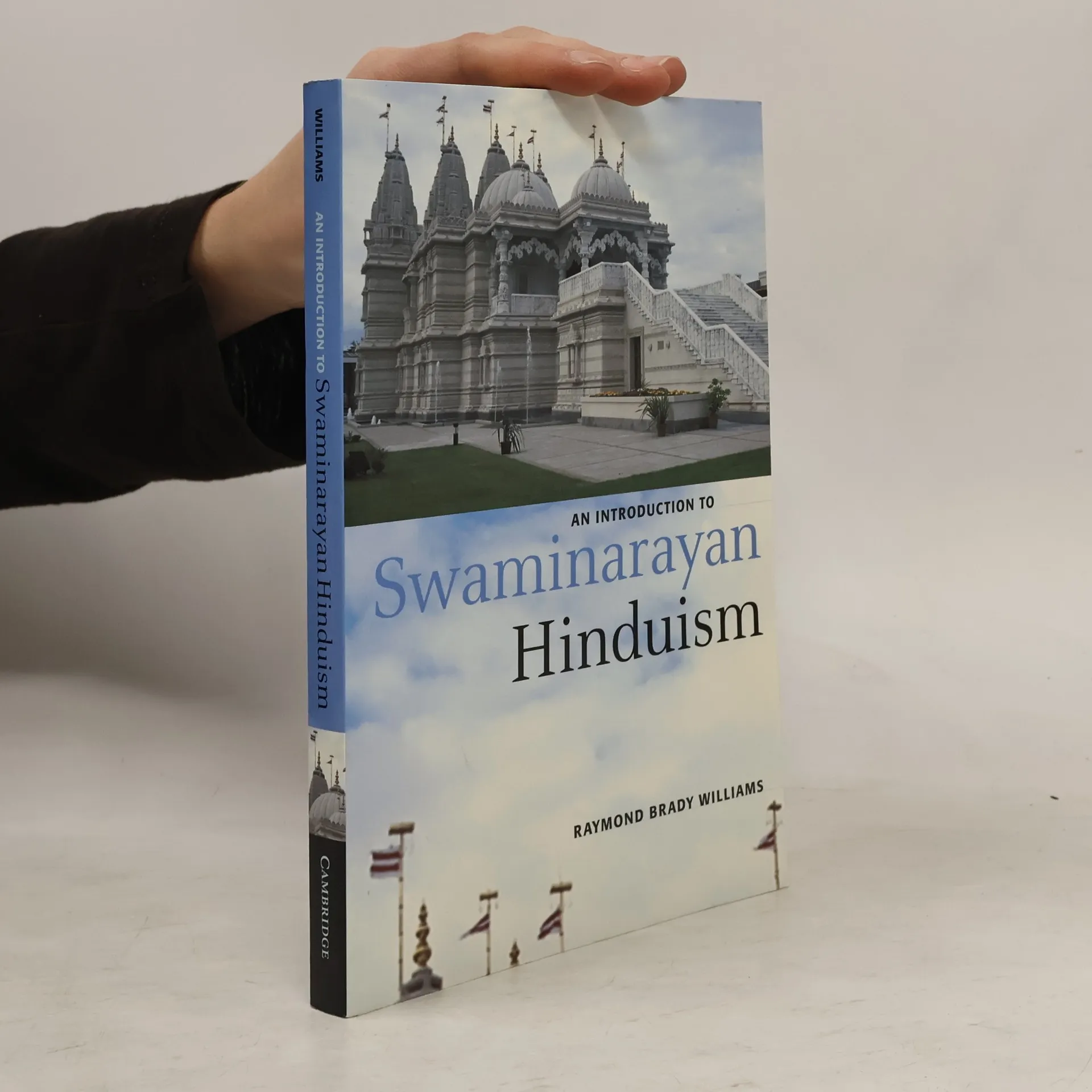
This book is a comprehensive study of a modern form of Hinduism that is growing in the place of its birth in the Indian state of Gujarat and among Indian immigrants in East Africa, Great Britain, and the United States. It is the most prominent form of transnational Hinduism because it creates networks that define and preserve ethnic and religious identity in the modern context of rapid mobility and communication. Founded by Swaminarayan (1781-1830), a religious reformer in a time of great social and political change in Gujarat, Swaminarayan Hinduism expounds a path of devotion to Swaminarayan as the final, perfect manifestation of God. Professor Williams provides a detailed introduction to the history, theology, discipline, and ritual of this important form of Hinduism.
Exploring the concept of Jewish peoplehood, this work delves into its resilience and continuity throughout history despite numerous challenges. It examines how cultural, religious, and social factors have shaped Jewish identity and cohesion, highlighting significant events and transformations that have influenced their survival. The book offers insights into the communal bonds that have sustained Jewish life across generations and the ongoing relevance of peoplehood in contemporary society.