Nadcházející desetiletí přinesou překvapivé otřesy a obrovské výzvy. Některé budou vypadat nově, některé docela staře. Mnohé z nich budou doprovázeny nebývalými politickými dilematy s obtížným rozhodováním. V příštích desetiletích se také naskytnou příležitosti k tomu, aby se věci dělaly jinak, než jak to činily předchozí generace. Pětice autorů v této knize na základě svých sociologických znalostí světových dějin zkoumá, jaké asi tyto výzvy budou, a diskutuje o nich.
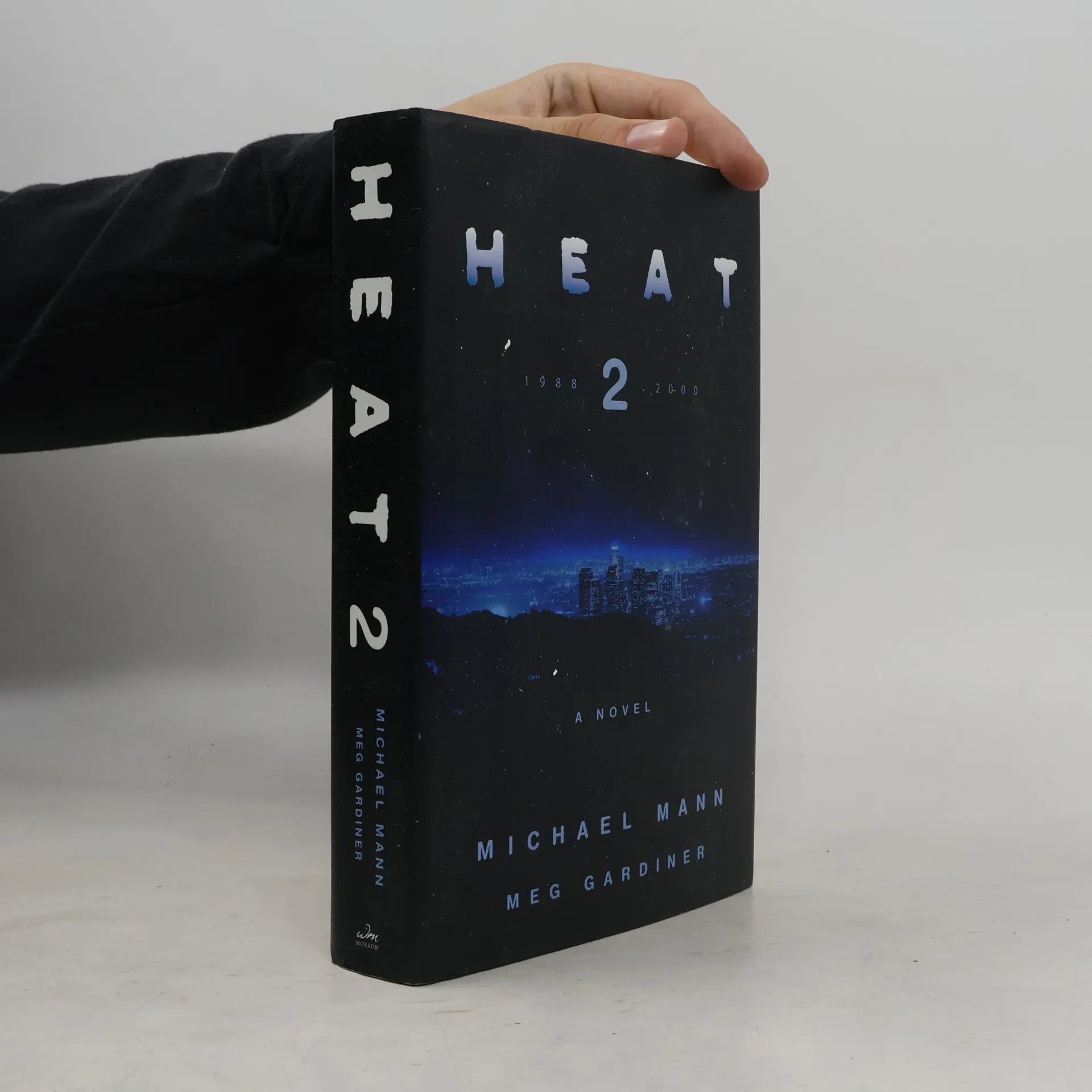
"Michael Mann, four-time Oscar-nominated filmmaker and writer-director of Heat, Collateral, Thief, Manhunter, and Miami Vice, teams up with Edgar Award-winning author Meg Gardiner to deliver Mann's first crime novel--an explosive return to the world and characters of his classic film Heat--an all-new story that illuminates what happened before and after the iconic film"-- Provided by publisher
Kniha s videem, doplněná i o nafukovací míč s pumpičkou, obsahuje řadu cviků podle Josefa Pilatese, které jsou určené k procvičování vnitřního stabilizačního systému (core), ramen, páteře, břišních svalů a nohou. Je dobře a stručně vysvětlen původ a princip Pilatesových cviků. Cviky lze snadno provádět doma, kdykoli vám zbyde volná chvilka. Celkově jejich pomocí můžete zlepšit hybnost i držení těla a zbavit se některých bolestí. Na konci knihy je slovníček pojmů.
While in-depth cultural histories have been devoted to such classic horror monsters as the vampire, the zombie and Frankenstein's tragic creature, the cinematic werewolf has long been considered little more than the 'beast within': a psychoanalytic analogue for the bestial side of man. This book, the first scholarly study of the werewolf in cinema, redresses the balance by exploring over one hundred years of werewolf films - from The Werewolf (1913) to WolfCop (2014) via The Wolf Man (1941) and An American Werewolf in London (1981) - to reveal the cultural significance of she-wolves and wolf-men as evolving metaphors for the cultural fears and anxieties of their times. In doing so, it illustrates how we can begin to understand one of our oldest mythical monsters as a rich and diverse cultural metaphor.
Trust Based Observations teaches observers to build trusting relationships
with teachers as they engage in frequent observations and reflective
conversations with them. Using the manageable observation form and data driven
goal setting, the result is teachers embrace risk-taking and take growth steps
necessary for significant teaching improvement.
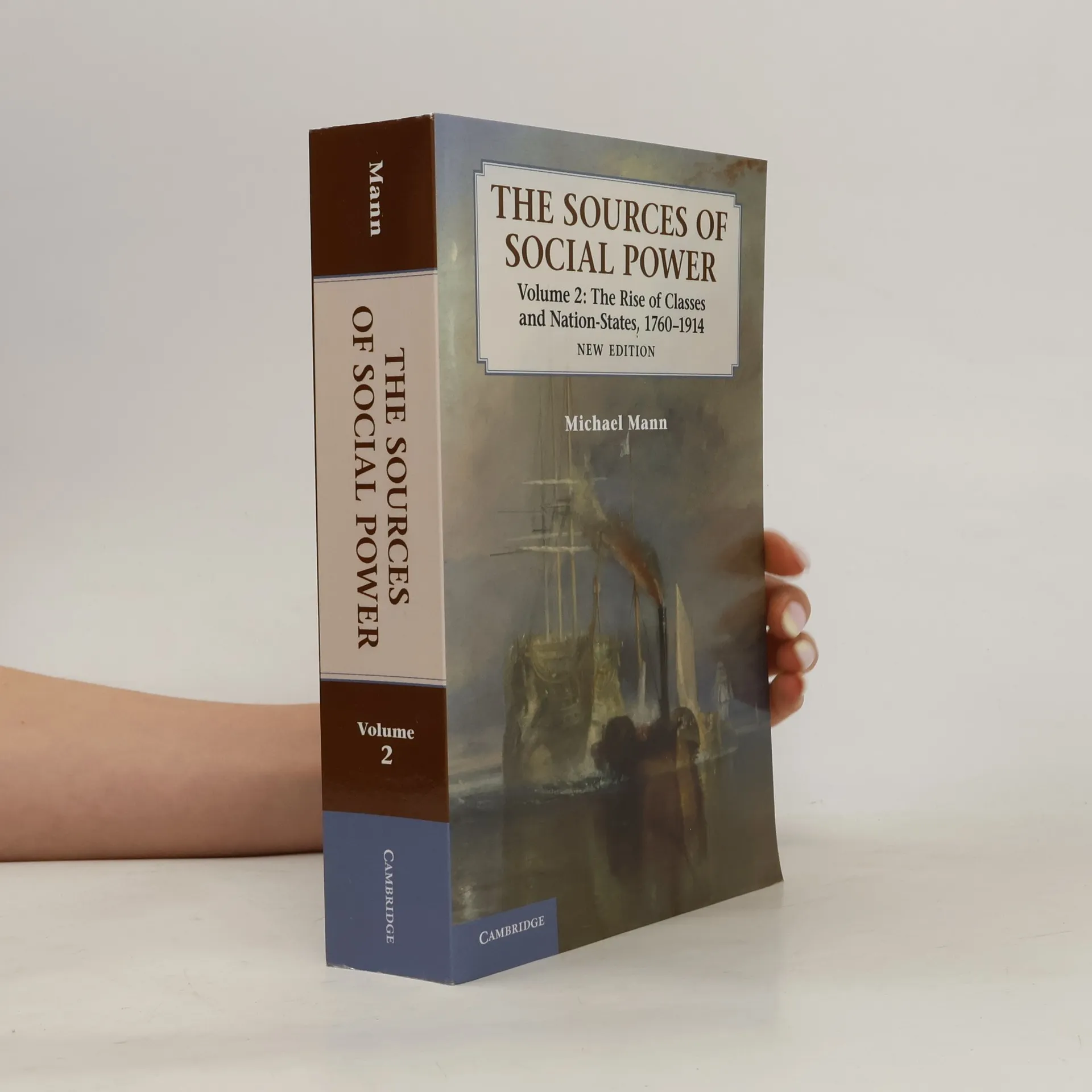
Focusing on the dynamics of power, this volume explores the intricate relationships that emerged during the Industrial Revolution and continued through the First World War. It examines how industrial advancements influenced social, political, and economic structures, shaping the conflicts and alliances of the era. Through detailed analysis, the book sheds light on the transformative impact of industrialization on society and its role in the lead-up to global conflict.
In this sweeping work of science and history, the renowned climate scientist and author of The New Climate War shows us the conditions on Earth that allowed humans not only to exist but thrive, and how they are imperiled if we veer off course.For the vast majority of its 4.54 billion years, Earth has proven it can manage just fine without human beings. Then came the first proto-humans, who emerged just a little more than 2 million years ago — a fleeting moment in geological time. What is it that made this benevolent moment of ours possible? Ironically, it’s the very same thing that now threatens us — climate change.Climate variability has at times created new niches that humans or their ancestors could potentially exploit, and challenges that at times have spurred innovation. But the conditions that allowed humans to live on this earth are fragile, incredibly so. There’s a relatively narrow envelope of climate variability within which human civilisation remains viable. And our survival depends on conditions remaining within that range. In this book, renowned climate scientist Michael Mann arms readers with the knowledge necessary to appreciate the gravity of the unfolding climate crisis, while emboldening them — and others — to act before it truly does become too late.
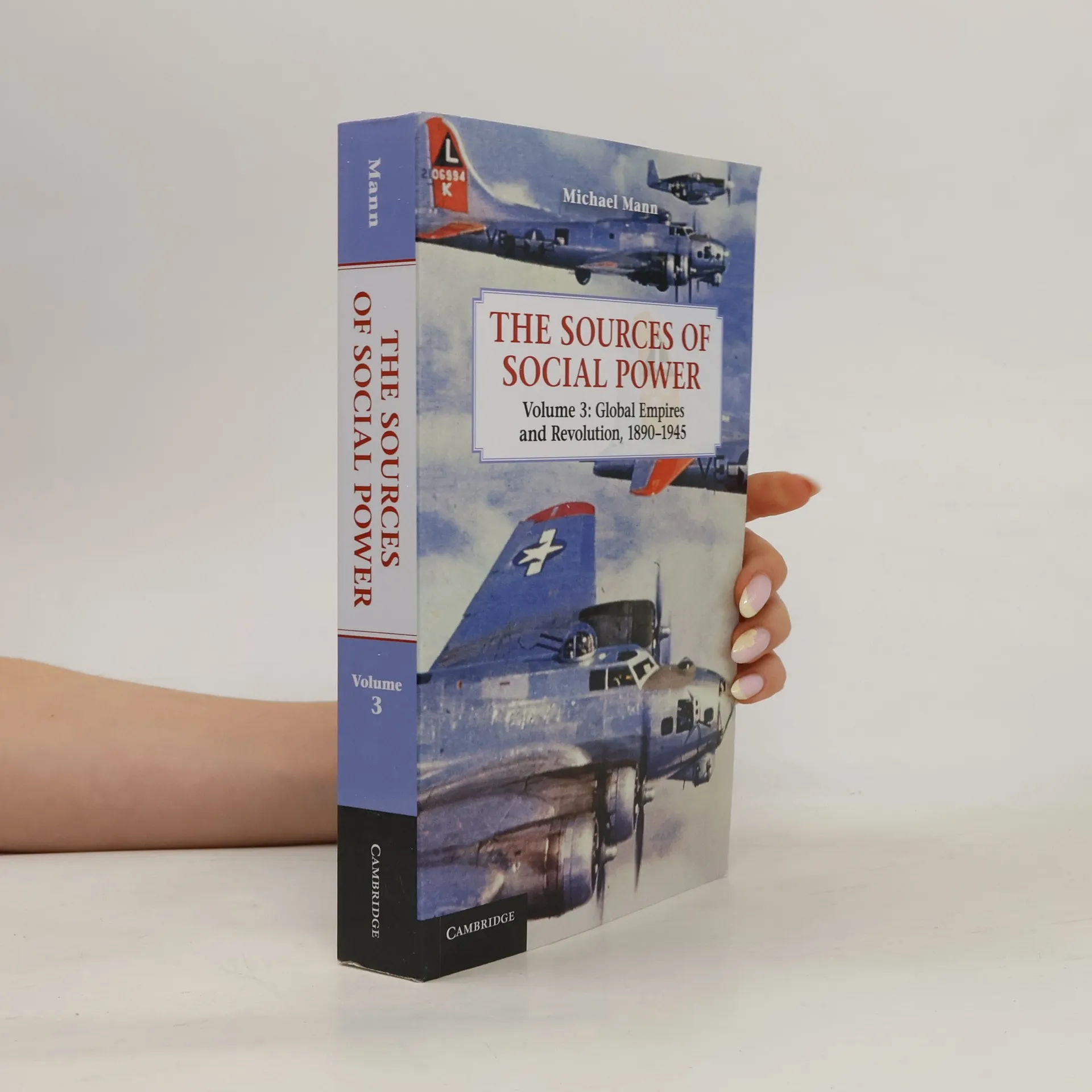
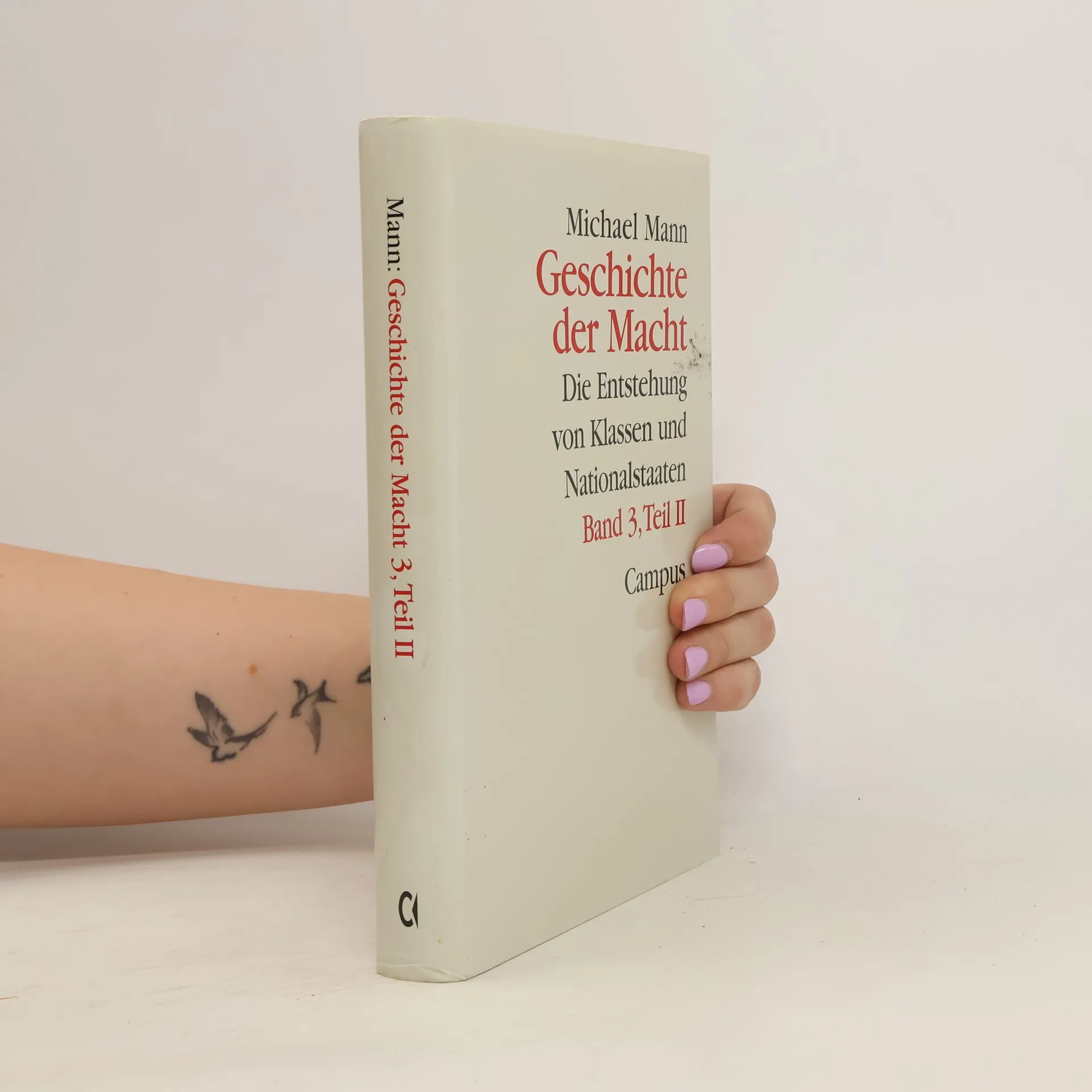
This third volume of Michael Mann's analytical history of social power focuses
on the interrelated development of capitalism, nation-states and empires.
Craig Calhoun, Dilip Gaonkar, and Charles Taylor argue that democracies have
embraced individual freedom at the expense of equality and solidarity,
economic growth at the expense of democracy. Rebuilding local communities and
large-scale institutions is now crucial, with attention to the public good
beyond private advantage or ingroup loyalty.
Turbid Riverswas written just before Chae Man-Sik was arrested in 1938 by the
Japanese colonial government. Like the two novels that followed Peace Under
HeavenandFrozen Fish,Turbid Riveris a realistic portrayal of life in Korea
under Japanese colonization. The tragic story of a womans life, the... číst
celé
Michael Mann, a four-time Oscar-nominated filmmaker known for classics like Heat and Miami Vice, collaborates with Edgar Award-winning author Meg Gardiner on his first crime novel, marking a thrilling return to the universe of his iconic film Heat. This narrative serves as both a prequel and sequel, exploring the formative years of homicide detective Vincent Hanna and elite criminals Neil McCauley, Chris Shiherlis, and Nate. The story captures the same ambition and rich characterizations that defined the film.
It leads up to the events of Heat and extends beyond, introducing new characters on both sides of the law, high-stakes heists, and cinematic action. The setting spans from the streets of Los Angeles to the inner workings of Taiwanese crime syndicates in Paraguay and a massive drug cartel operation in Mexico. This exploration reveals the intricate dynamics of international crime organizations and the agents who pursue them, offering a vivid portrayal of the individuals involved.
With its operatic scope, the narrative is engrossing and tragic, showcasing Mann's mastery in crime fiction and solidifying his status as one of the most innovative filmmakers in American cinema.
Midair is a true account of one of the most remarkable tales of survival in
the history of aviation - a midair collision at 30,000 feet by two bomb-laden
B-52s over a category 5 super typhoon above the South China Sea during the
outset of the Vietnam War - and the subsequent story of what happened to the
surviving pilot when he bailed out in the middle of the typhoon.
1498, rund um den Indischen Die expandierenden europäischen Mächte – Portugal, Spanien, die Niederlande, England – versuchen ihren Anteil an Märkten, Rohstoffen und Schätzen auszubauen. Zur Ausbeutung und Verarbeitung dieser Schätze aber bedurfte es Arbeitskräfte im großen Sklaven. Michael Mann gelingt erstmals eine Gesamtschau aller Aspekte der südostasiatischen Sklaverei. Dabei legt er nicht nur eine fundierte Zusammenfassung zum heutigen Stand der Forschung dar, sondern untersucht wirtschafts-, sozial- und kulturhistorisch die Besonderheiten des Kulturraumes um den Indischen Ozean und dessen Zusammentreffen mit den großen Kolonialmächten.
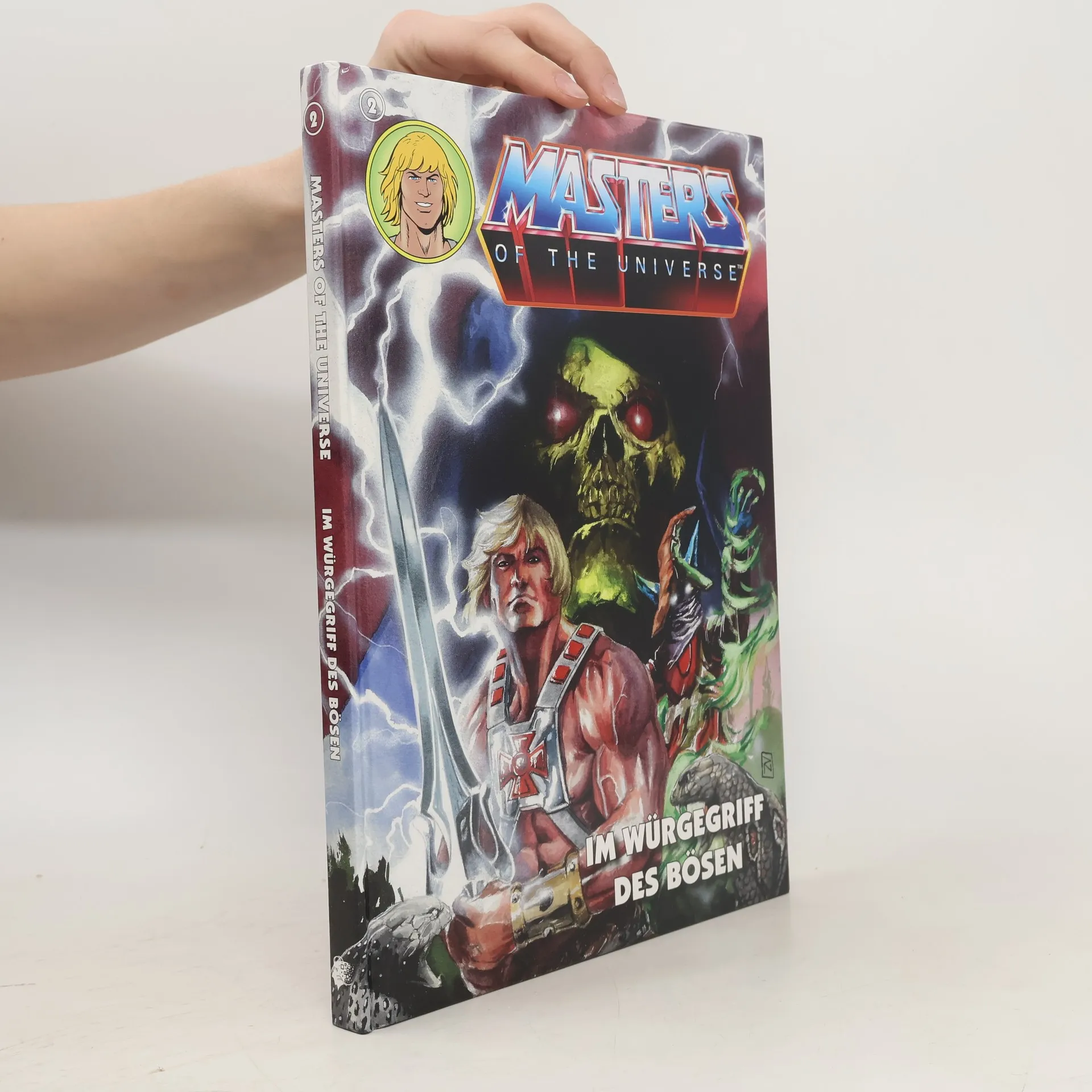
Die geballte Macht des Bösen sorgt für großes Unheil: SKELETOR, HORDAK, EVIL-LYN und KING HISS lassen eine Flut von Plagen auf ETERNIA niedergehen, die der Bevölkerung, aber auch unseren Helden schwer zu schaffen macht. Doch von unerwarteter Seite kommt Hilfe! In weiteren Geschichten müssen HE-MAN und seine treuen Gefährten in die Stadt Moraturia eilen um die Wiederkehr des Bösen zu verhindern, stachelt HORDAK die Bewohner ETERNIAS auf, verwandelt EVIL-LYN unsere Helden in Zwerge, verliebt sich TEELA in den Falschen und kämpfen SKELETOR und HE-MAN um die Königskrone des Nachbarplaneten Sartorius! Sammelband Nummer zwei der siebenteiligen Gesamtausgabe der vom ehapa Verlag von 1987 bis 1989 herausgegebenen MASTERS OF THE UNIVERSE Comics beinhaltet, neben zahlreichen Extras, die Ausgaben Nr. 4, 5 und 6 in liebevoll restaurierter Form. In diesem Band wird endlich das Geheimnis um den Autor hinter den Geschichten gelüftet.
Die Vereinigten Staaten sind auf dem weltpolitischen Parkett ins Wanken geraten. Statt einer „neuen Weltordnung“, in der die Schwachen vor den Starken geschützt werden, erleben wir Terror, Krieg und weltweite Proteste gegen die neoliberale Globalisierung. Der „neue Imperialismus“ Washingtons stößt weltweit auf Kritik und droht die USA zu isolieren. Michael Mann beschreibt die zentralen Schwächen der US-Politik. Er kritisiert den fehlenden Willen zu politischer Gestaltung, ohne den die militärische Vorherrschaft langfristig erfolglos bleibt, wie es die Irak- Krise eindrucksvoll gezeigt hat. Auch die Wirtschaftspolitik, die um jeden Preis weltweit neoliberale Märkte protegiert und dabei globale Ungleichheit und politische Instabilität fördert, nimmt er in den Blick. Die amerikanische Politik verrät so den eigenen Traum: eine gerechte, demokratisch geführte Welt, die Chancengleichheit und Versorgung für alle bietet.
Katia Mann wurde 1883 in München als Tochter Alfred Pringsheims, Ordinarius an der Universität München, geboren. Sie hatte im Alter von siebzehn Jahren Abitur gemacht und ein Studium der Mathematik und Physik begonnen, als sie Thomas Mann begegnete, der ihr in einem seiner ersten Briefe schrieb: »Meine Frau sollen Sie ›sein‹ und mich unsinnig stolz und glücklich dadurch machen.« Am 11. Februar 1905 heirateten Katia und Thomas Mann. Ihre Kinder: Erika, Klaus, Monika, Golo, Michael, Elisabeth. Fast jedes Mitglied der Familie Mann hat geschrieben: Katia Mann weigerte sich, es zu tun: »In dieser Familie muß es einen Menschen geben, der nicht schreibt.« Deshalb hat sie diese Memoiren nicht selbst geschrieben; sie hat sie erzählt, den Fragen Elisabeth Plessens und ihres Sohnes Michael antwortend; erzählt freilich in einem Ton, der unverkennbar und unverwechselbar ist.
InhaltsverzeichnisKapitel 1 Einleitung Kapitel 2 Ökonomische und ideologische Machtbeziehungen Kapitel 3 Eine Theorie des modernen Staates Kapitel 4 Die Entstehung von Klassen und Nationen Kapitel 5 Geopolitik und internationaler Kapitalismus Kapitel 6 Die Entstehung des modernen Staates: I. Quantitative Daten Kapitel 7 Die Entstehung des modernen Staates: II. Die Autonomie militärischer Macht Kapitel 8 Die Entstehung des modernen Staates: III. Bürokratisierung Kapitel 9 Die Entstehung des modernen Staates: IV. Die Ausweitung des zivilen Bereichs
Am 9. März 2020 verstarb Dietmar Rothermund, ein einflussreicher Professor für Geschichte Südasiens am Südasien-Institut der Universität Heidelberg. Seit 1968 prägte er maßgeblich die Geschichtsschreibung zu Südasien durch sein Engagement und seine umfangreichen Publikationen. Er war der erste Historiker der alten Bundesrepublik, der sich intensiv mit der Politik- und Wirtschaftsgeschichte des modernen Indien auseinandersetzte und dazu grundlegende Werke verfasste, die bis heute relevant sind. Rothermund etablierte eine deutsche Geschichtsschreibung zum modernen Indien/Südasien, während die bisherigen Forschungen hauptsächlich von Indologen und Kunsthistorikern geprägt waren, die sich auf das alte Indien konzentrierten.
1992 wurde er aufgrund seiner Kenntnisse über Indien Mitglied der Indisch-deutschen Konsultationsgruppe, die aus Unternehmern, Politikern und sachkundigen Bürgern bestand. In diesem Kontext fand das Langfristprojekt „Modernes Indien in deutschen Archiven“ (MIDA), initiiert von Ravi Ahuja und gefördert von der Deutschen Forschungsgemeinschaft, großen Anklang bei Rothermund. MIDA zielt darauf ab, Quellenbestände zu Indien/Südasien in deutschen Archiven zu identifizieren, sie zu beschreiben und in einer Datenbank zu erfassen, begleitet von tiefenbohrenden Forschungen.
Das Glückseligkeitsprinzip - Fünf Ebenen des Seins für dein erfülltes Leben. Durch mentales und spirituelles Coaching die Balance zwischen Körper, Geist und Seele finden
Ein Hurrikan von nie gesehenem Ausmaß tobt durch das Land und hinterlässt eine Spur der Verwüstung. In der Hauptwetterstation von ETERNIA rätseln die Heroischen Verteidiger, ob SKELETOR etwas mit dem Unheil zu tun hat. Diesmal ist der Herr des Bösen allerdings nicht verantwortlich. SKELETOR wäre jedoch nicht SKELETOR, wenn er nicht versuchen würde, die Katastrophe für seine Zwecke zu nutzen. Laut einer alten Schrift kann der Hurrikan beschworen werden und daher lässt sich das Skelettgesicht nicht zweimal bitten: Er lenkt die Naturkatastrophe auf CASTLE GRAYSKULL. Die Burg der Zeitlosen bricht, zum Entsetzen der Freunde, tatsächlich aus dem felsigen Untergrund, wird mit dem Wirbelsturm mitgerissen und zu den Sümpfen der Unterwelt geschleudert. Dort will der blaue Teufel das verhasste Gemäuer versenken. Doch ZOAR weiß Rat … In weiteren Geschichten droht für CASTLE GRAYSKULL unterirdische Gefahr; begibt sich PRINZ ADAM zum Schlund eines Vulkans; bekommen es die ETERNIER mit einem Roboter von einer fernen Welt zu tun; sorgen Teufels-Blasen für Ärger und schwebt ein verführerischer, aber gefährlicher Geruch durchs Land. Dieser Sammelband bildet den Abschluss der siebenteiligen Gesamtausgabe der vom ehapa Verlag von 1987 bis 1989 herausgegebenen MASTERS OF THE UNIVERSE Comics und beinhaltet, neben zahlreichen Extras und Bonusmaterial, die Ausgaben Nr. 19, 20 und 21 in liebevoll restaurierter Form.
Das ökonomische System des Kapitalismus wird kollabieren, weil negative Konjunkturzyklen und politische Krisen zusammentreffen und Wachstum an Grenzen stößt. Umweltkrisen werden den Kapitalismus massiv unter Druck setzen, ebenso wie globale Machtkämpfe und der Kampf um Ressourcen. Die Mittelklassen werden ihre Arbeit an IT-Services verlieren und nicht mehr so konsumieren können wie heute. Eine wichtige Frage wird sein, ob eine internationale politische Steuerung den Marktliberalismus wird beeinflussen können. Fünf herausragende Sozialforscher diskutieren in diesem Buch die Optionen wirtschaftlicher und sozialer Entwicklung in den nächsten 30 Jahren. Historische Systemumbrüche und gegenwärtige Machtverhältnisse im Blick, entwerfen sie fünf Zukunftsszenarien für das 21. Jahrhundert und führen ihre Ergebnisse in einer Synthese zusammen.
Michael Manns Buch ist eine umfassende und informative Einführung in die Geschichte des modernen Indiens. Das Werk beginnt mit einem chronologischen Überblick, der den Lesern erste Orientierung über die Hauptphasen der neueren indischen Geschichte gibt. Es schließen sich Kapitel an, die Kontinuitäten und Umbrüche auf politischem, sozialem und kulturellem Gebiet betrachten, Langzeitentwicklungen erkennbar machen und Periodisierungen vornehmen. Verstärkt wird die Perspektive einer „Geschichte von unten“ berücksichtigt, insbesondere bezogen auf die Erfahrungen in der Epoche kolonialer Herrschaft. Zahlreiche Bilder, Karten und Literaturhinweise vervollständigen den Band
Как вышло так, что самые обычные и добропорядочные люди вдруг оказались фанатичными сторонниками идей фашизма? По каким причинам с начала двадцатых годов прошлого века фашизм набирал в Европе все большую и большую популярность? Видный американский социолог и историк Майкл Манн дает на эти вопросы свои ответы - обескураживающие, шокирующие, но весьма убедительные.