Bookbot

Margaret MacMillan

    23. december 1943

    Margaret MacMillan je uznávaná historička a profesorka, ktorej dielo sa zameriava na medzinárodné vzťahy a dejiny. Vo svojich prácach sa ponára do zložitých príčin vojen a mieru a skúma, ako minulé udalosti formujú súčasný svet. Jej analytický štýl a schopnosť prepojiť historické paralely s aktuálnymi problémami z nej robia významný hlas v oblasti historického bádania. Čitatelia ocenia jej hlboký vhľad do ľudskej povahy a politických procesov.

    Margaret MacMillan
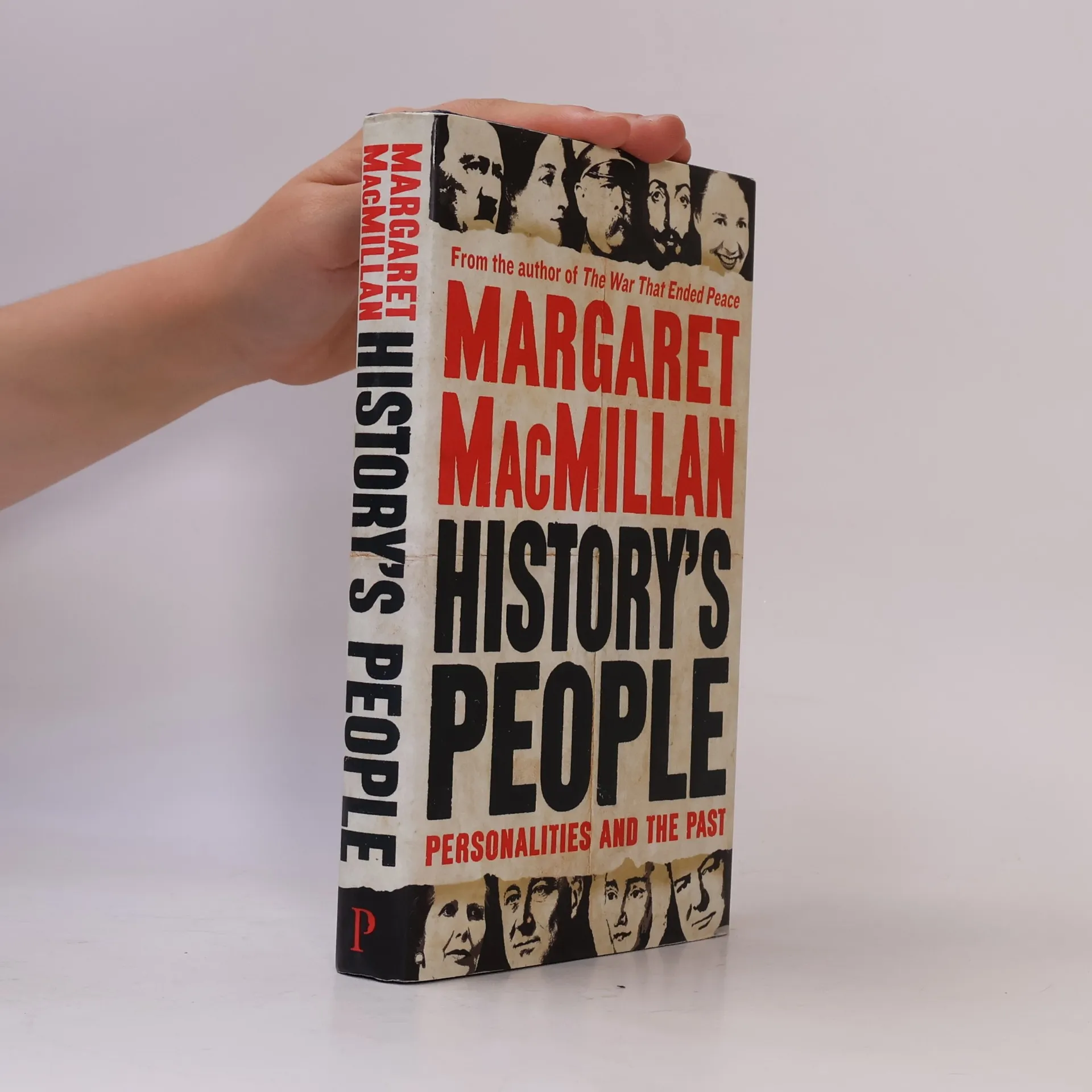
    History's People
    Nixon and Mao
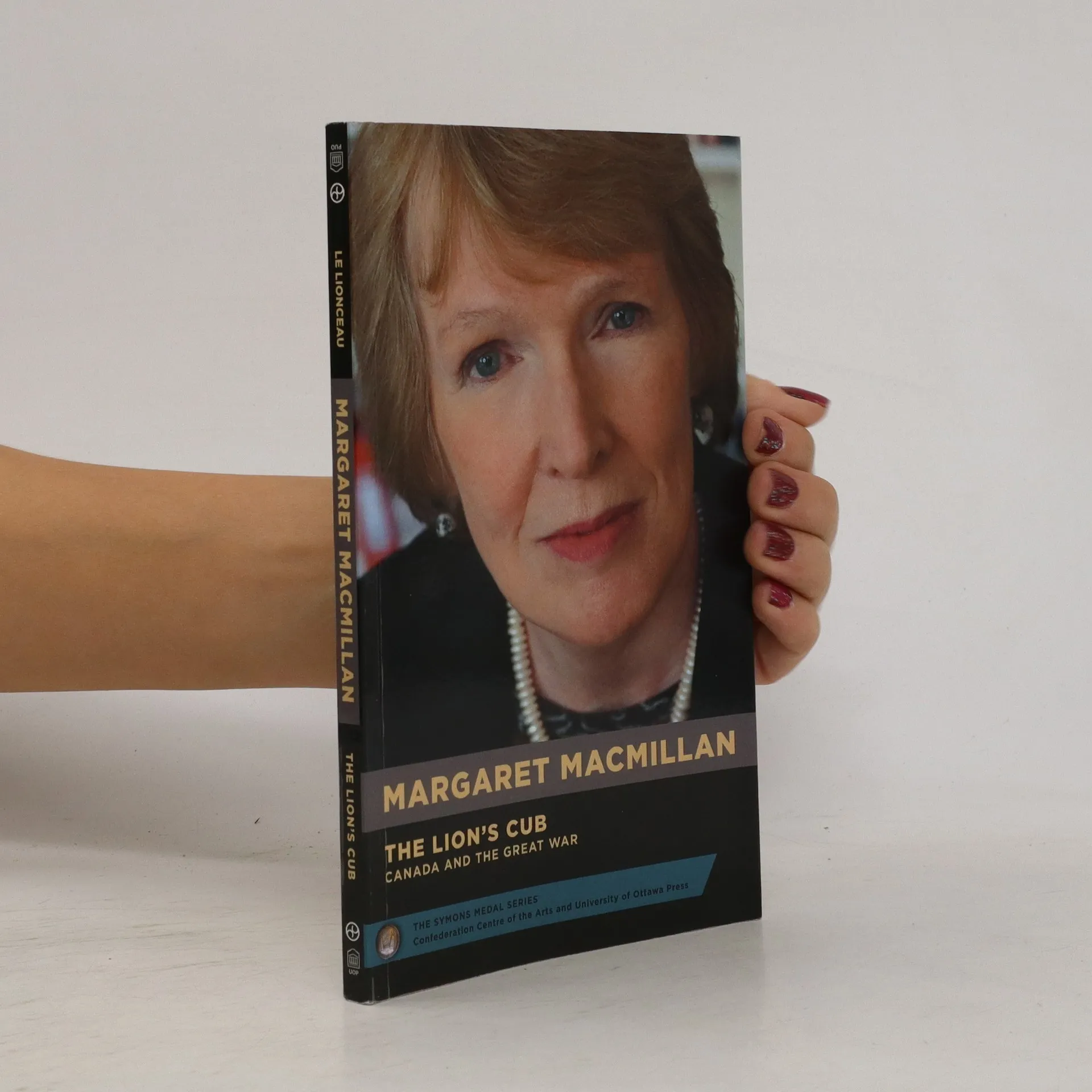
    The Lion's Cub - Le Lionceau
    The War that Ended Peace
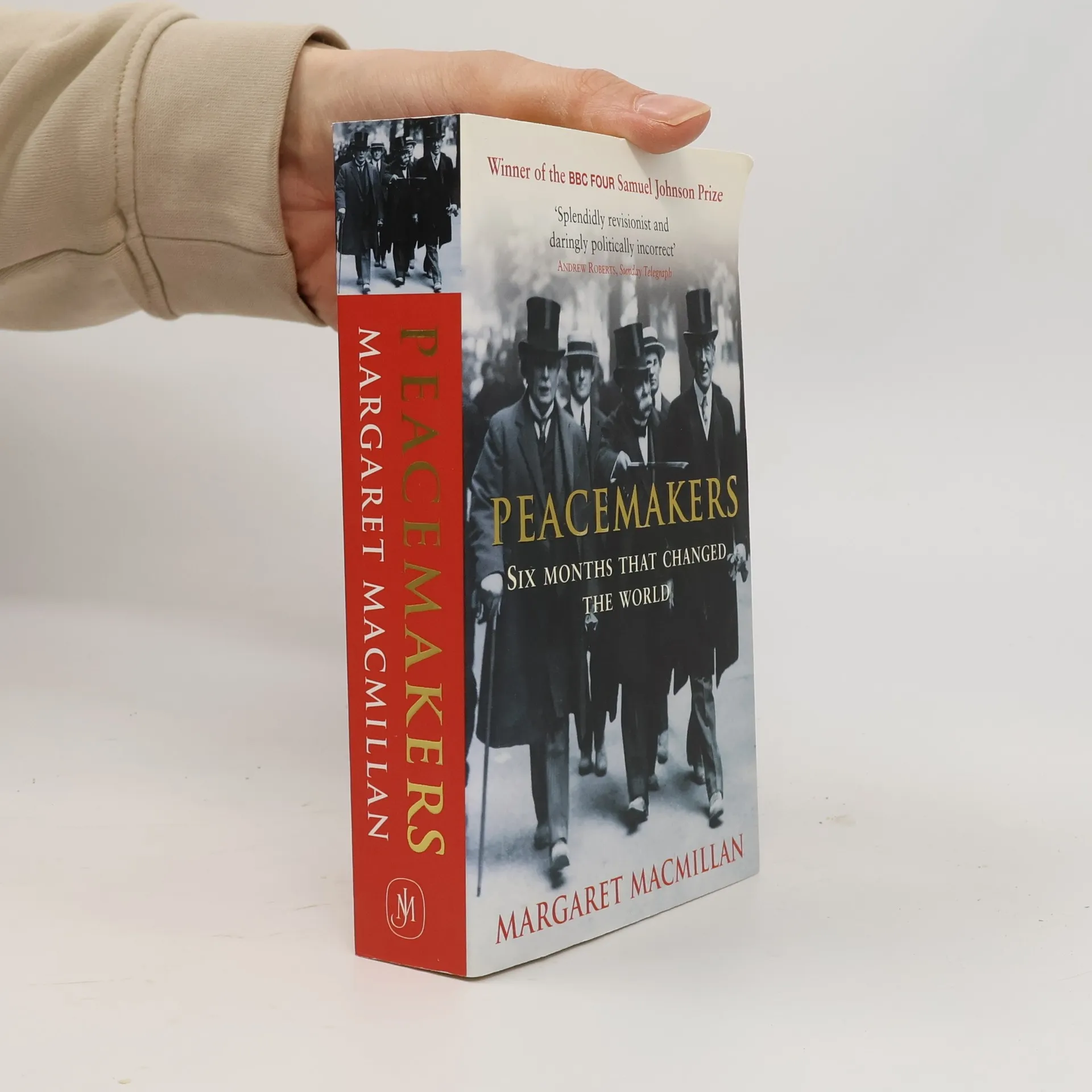
    Peacemakers : six months that changed the world
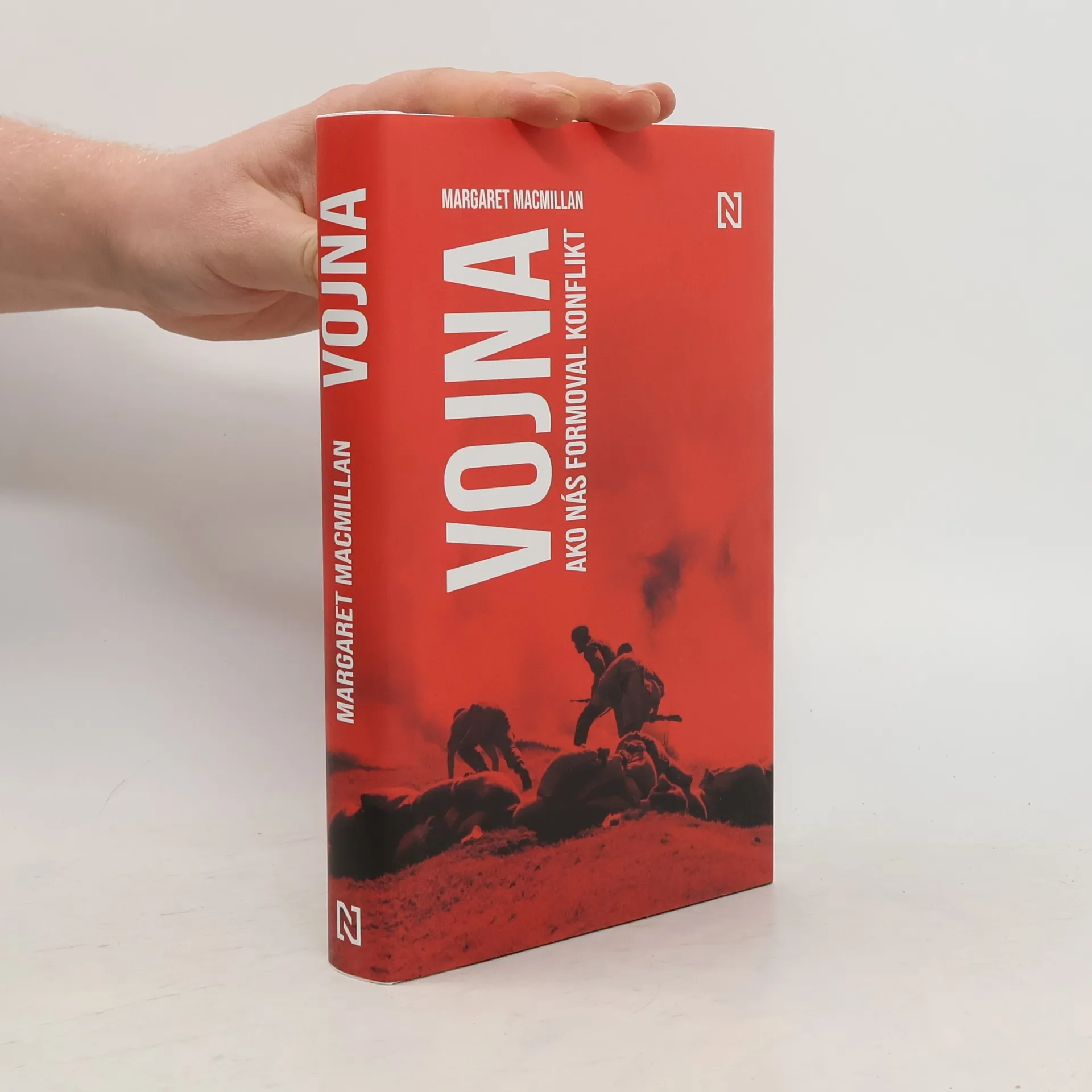
    Vojna. Ako nás formoval konflikt
    • Vojna. Ako nás formoval konflikt

      • 352 stránok
      • 13 hodin čítania

      Je mier iba anomáliou? Autorka Margaret MacMillan ponúka provokatívnu perspektívu založenú na tvrdení, že vojna predstavuje elementárnu súčasť ľudského bytia. Ľudia možno prichádzajú na svet s vrodeným inštinktom bojovať, no vojnu – organizované násilie – dokáže viesť len plnohodnotne usporiadaná spoločnosť. Bojové konflikty ovplyvnili históriu ľudstva, jeho spoločenské a politické inštitúcie, hodnoty aj ideály. Veľkoleposť vojny, ale aj útrapy, ktoré spôsobuje, nájdeme v jazyku, vo verejnom priestore, vo svojich súkromných spomienkach a zároveň sú nevyčerpateľnou témou najzásadnejších svetových umeleckých diel. Skúmanie fenoménu vojny je neľahké a komplikované: odhaľuje totiž naše najhoršie, ale aj najlepšie vlastnosti. Margaret MacMillan analyzuje, ako vojna ovplyvnila ľudskú spoločnosť a ako politická organizácia, technológie a ideológie zmenili to, ako a prečo bojujeme. Kniha Vojna: Ako nás formoval konflikt sa venuje diskutovaným a kontroverzným otázkam, ako napríklad: Kedy sa zrodila vojna? Naozaj sme odsúdení na neustály boj medzi sebou? Prečo je vojna najzorganizovanejšou ľudskou činnosťou? Dokážeme niekedy stanoviť jej pravidlá? Prečo sú medzi bojovníkmi takmer výlučne muži? Na príkladoch od antiky až po súčasnosť MacMillan odhaľuje mnohé podoby vojny a jej vplyv na našu minulosť, budúcnosť, naše videnie sveta a samotnú podstatu človeka.
      Vojna. Ako nás formoval konflikt2020
      3,6
    • The Lion's Cub - Le Lionceau

      • 80 stránok
      • 3 hodiny čítania

      Esteemed Canadian writer and historian Margaret MacMillan considers the paradoxical impact the First World War has had on Canada in her 2018 Symons medal address, The Lion's Cub.

      The Lion's Cub - Le Lionceau2019
      3,5
    • What difference do individuals make to history? Are we all swept up in the great forces like industrialisation or globalisation that change the world? Clearly not: real people-leaders in particular-and the decisions that they make change our lives irrevocably, whether in deciding to go to war or not, decisive tactical choices made in the heat of battle or changing the economic fortunes of countries.So if people-explorers, rulers, politicians, campaigners-make a difference in history, what is the role of personality? What difference did, for example, Nixon, Franklin Delano Roosevelt, Montaigne or Stalin make? And what about less visible but influential people such as Edith Durham in the early twentieth century in Eastern Europe or Fanny Parks in nineteenth century India?Is it possible to find or discern patterns in different types of personality-tyranny, risk-taking, curiosity, reluctance to act? This pithy book interrogates the past to ask very big questions about the role of individuals and their behaviour. It really matters: the personalities of the powerful can affect-for better or worse-millions of people and the future of countries. Like all the best history, this book colours the way you see not only the past but the present.

      History's People2016
      3,5
    • The War that Ended Peace

      • 699 stránok
      • 25 hodin čítania

      The First World War followed a period of sustained peace in Europe during which people talked with confidence of prosperity, progress and hope. But in 1914, Europe walked into a catastrophic conflict which killed millions of its men, bled its economies dry, shook empires and societies to pieces, and fatally undermined Europe's dominance of the world. Beginning in the early 19th century, and ending with the assassination of Archduke Franz Ferdinand, historian Margaret MacMillan uncovers the huge political and technological changes, national decisions and - just as important - the small moments of human muddle and weakness that led Europe from peace to disaster.

      The War that Ended Peace2014
      4,4
    • The Uses and Abuses of History

      • 208 stránok
      • 8 hodin čítania

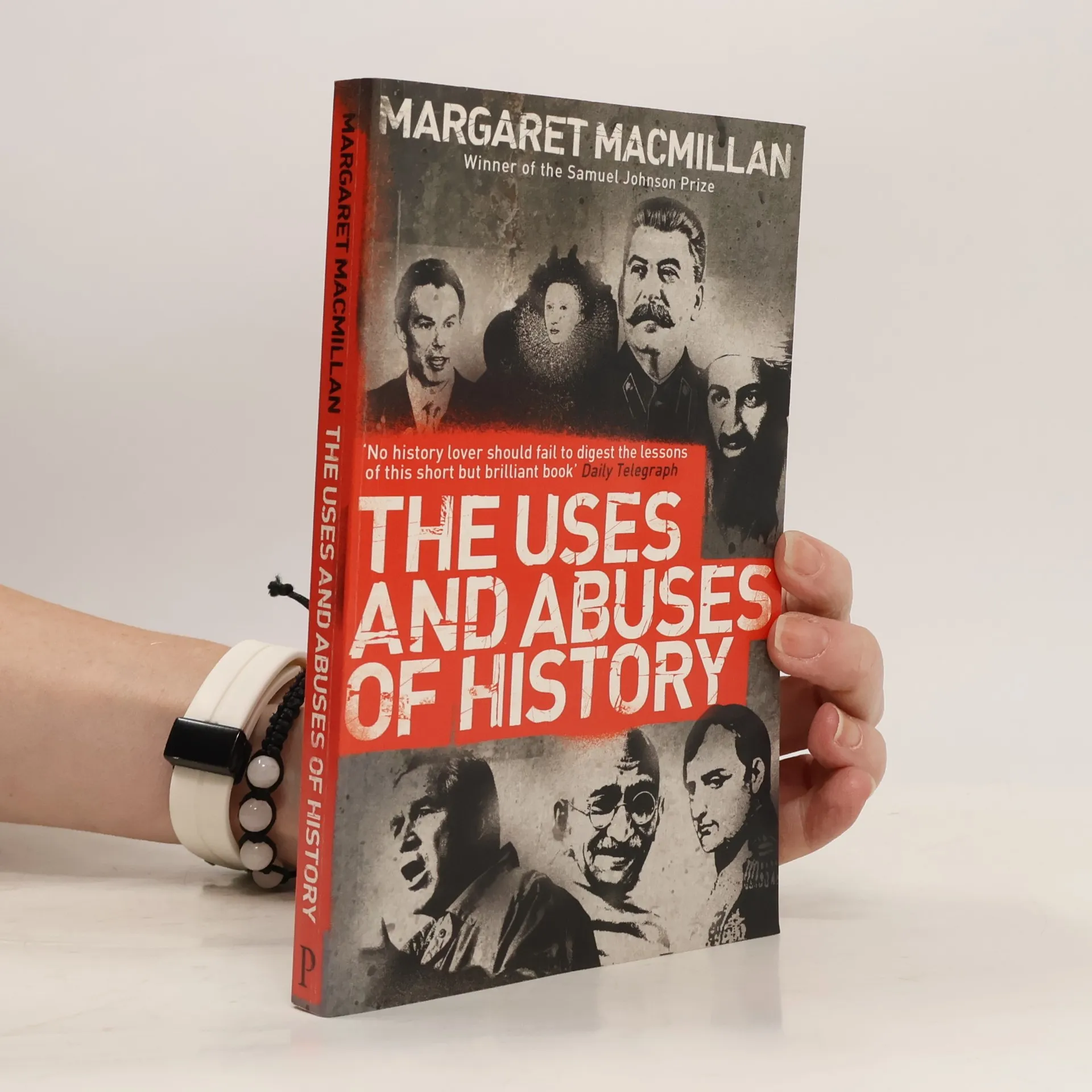
      The past is capricious enough to support every stance - no matter how questionable. In 2002, the Bush administration decided that dealing with Saddam Hussein was like appeasing Hitler or Mussolini, and promptly invaded Iraq. Were they wrong to look to history for guidance? No; their mistake was to exaggerate one of its lessons while suppressing others of equal importance. History is often hijacked through suppression, manipulation, and, sometimes, even outright deception. MacMillan's book is packed full of examples of the abuses of history. In response, she urges us to treat the past with care and respect.

      The Uses and Abuses of History2009
      3,6
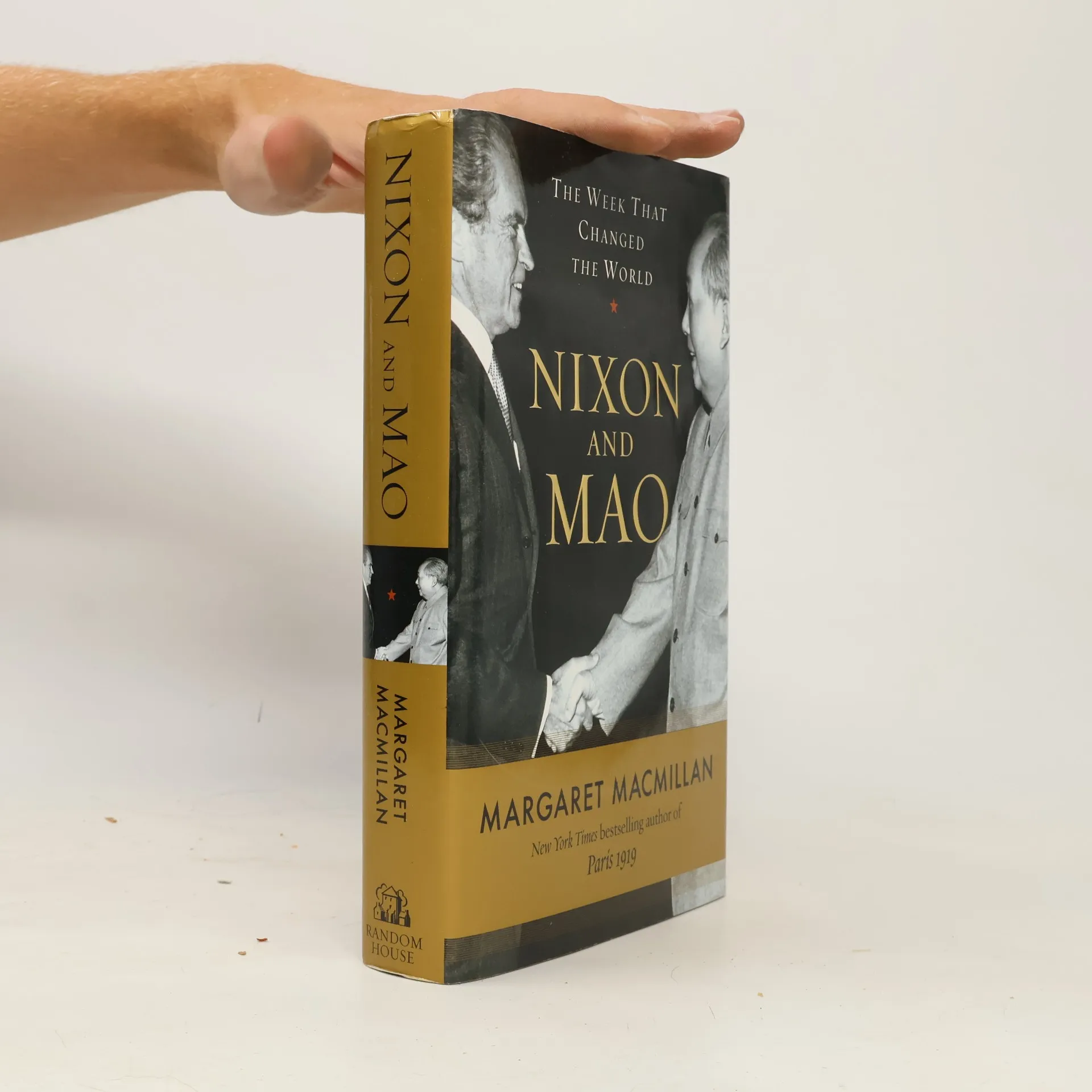
    • Nixon and Mao

      The Week That Changed the World

      • 432 stránok
      • 16 hodin čítania

      Margaret MacMillan, acclaimed for her bestseller, explores the pivotal relationship between the United States and China, focusing on a historic meeting in February 1972. This encounter between Richard Nixon, the first American president to visit China, and Mao Tse-tung, the Communist leader, marked a significant turning point in global relations. Their meeting, described by Nixon as “the week that changed the world,” was facilitated by influential figures like Henry Kissinger and Chou En-lai, alongside notable personalities such as Pat Nixon and Jiang Qing. The backdrop of this meeting involved complex histories: China, with its ancient civilization, viewed itself as superior and wary of foreign influences, while the United States, confident in its role as a global leader, sought to reshape its foreign policy. Nixon aimed to leverage China’s support to exit the Vietnam War, while Mao sought American technology to recover from the Cultural Revolution. This collaboration raised questions about loyalty, ideology, and the long-term impact of their decisions on both nations. Through engaging anecdotes and historical context, the book provides insights into this transformative moment of the twentieth century, shedding light on a relationship crucial for the twenty-first century. MacMillan, a distinguished historian, has received numerous accolades for her work and currently holds prominent academic positions.

      Nixon and Mao2006
      4,0
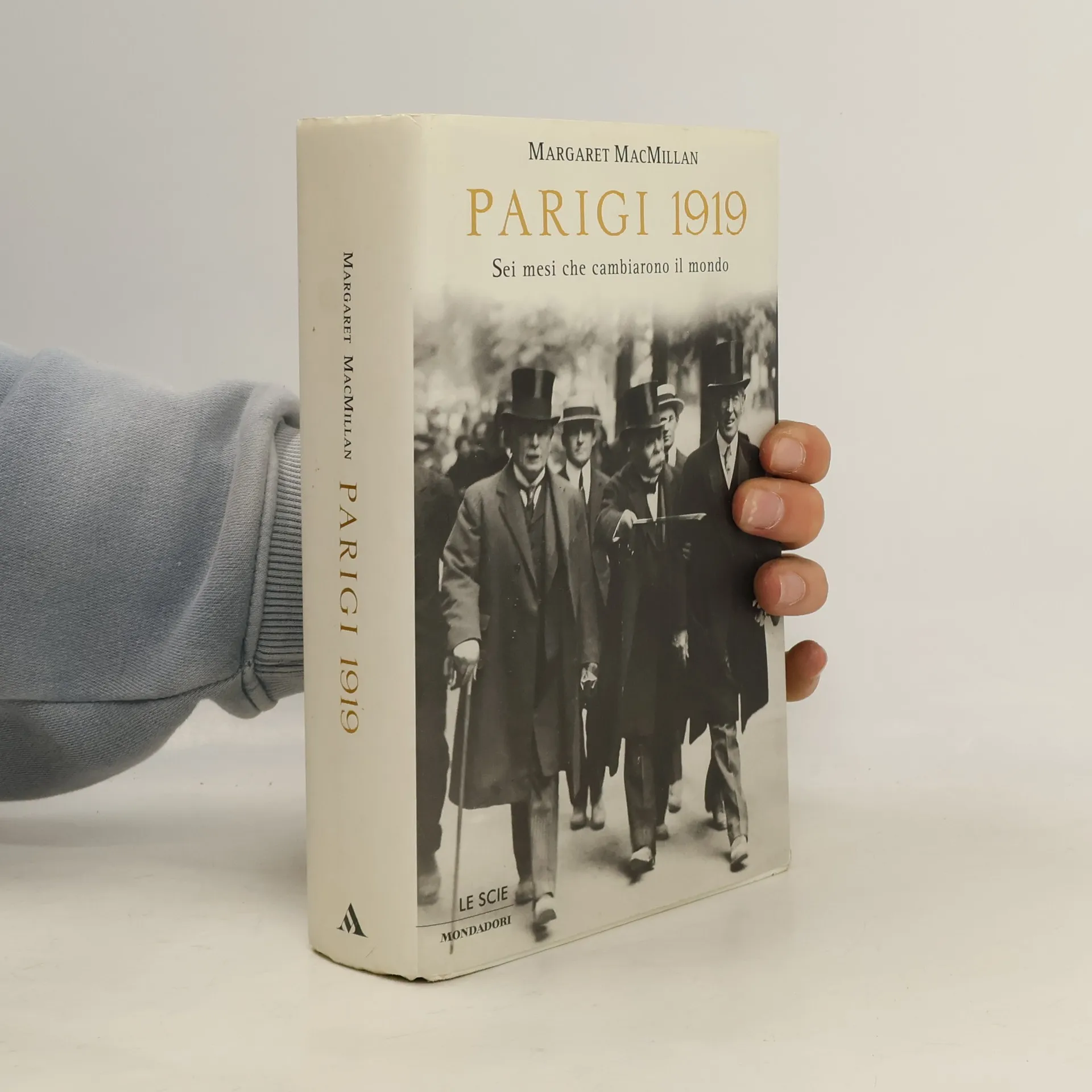
    • Between January and July 1919, following "the war to end all wars," individuals from across the globe gathered in Paris to forge a new peace. At the forefront was American President Woodrow Wilson, whose Fourteen Points inspired many with the hope of realizing their dreams. Wilson, characterized by his sternness and idealism, envisioned a League of Nations to peacefully resolve future conflicts. Alongside him were notable figures like British Prime Minister David Lloyd George, who included Winston Churchill and John Maynard Keynes in his delegation. Lawrence of Arabia represented the Arab interests, while Ho Chi Minh, then a kitchen assistant, sought independence for Vietnam. For six months, Paris became the epicenter of global diplomacy as peacemakers dismantled empires and established new nations. This narrative illuminates the personalities, ideals, and biases of those who influenced the settlement, revealing how they marginalized Russia, alienated China, and overlooked Arab concerns. They grappled with issues affecting Kosovo, the Kurds, and Jewish homeland aspirations. While often blamed for the failures that led to another war, Margaret MacMillan contends that these peacemakers have been unjustly scapegoated for the subsequent mistakes of later leaders, challenging the conventional view of the Versailles Treaty’s role in the onset of World War II.

      Peacemakers : six months that changed the world2001
      4,1
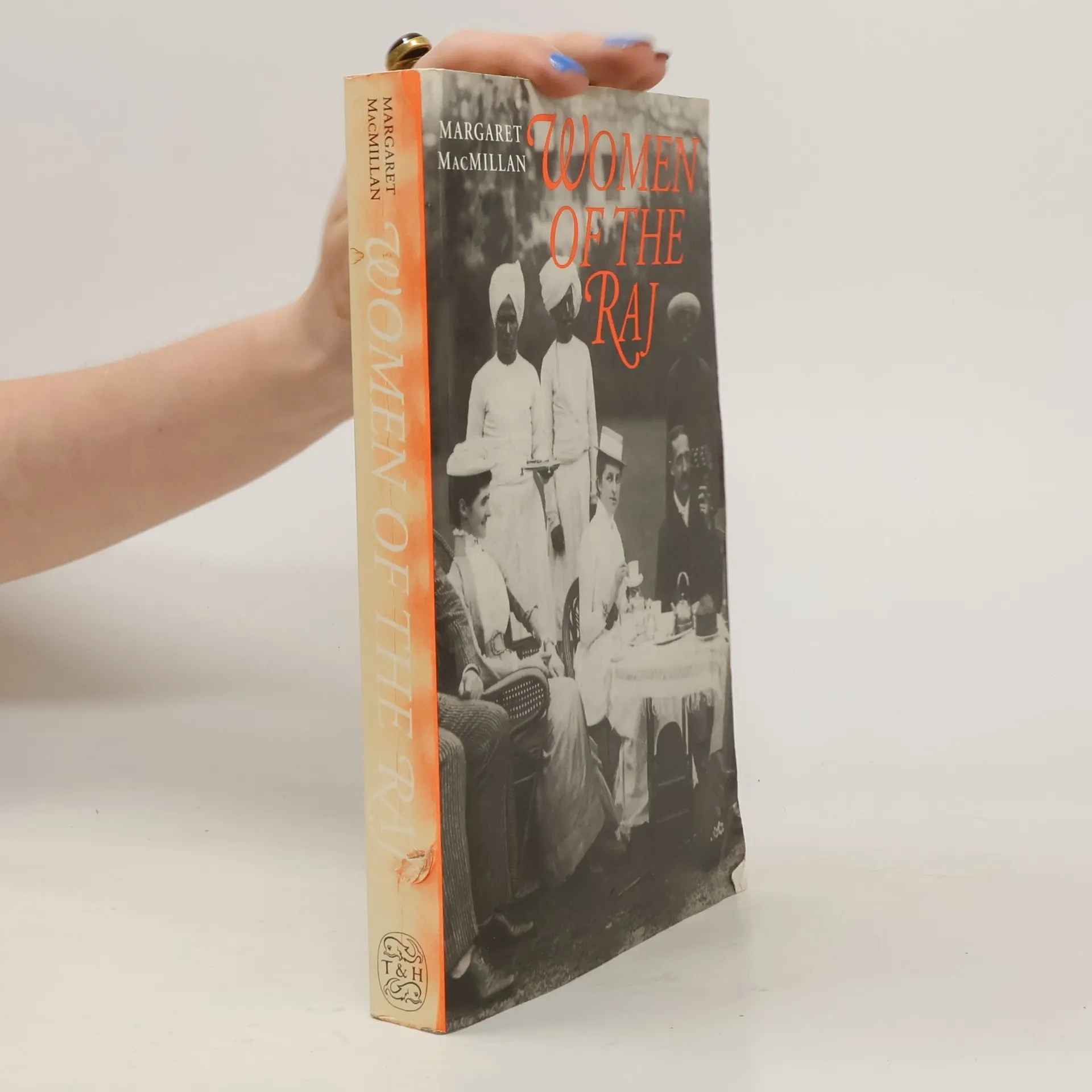
    • Women of the Raj

      • 320 stránok
      • 12 hodin čítania

      A new edition of this vivid cultural and social history of the daughters, sisters, mothers and wives of the men at the centre of a daring imperialist experiment, revealing India in all its richness and vitality.

      Women of the Raj1996
      3,8