HUMAN GENOME
- 128 stránok
- 5 hodin čítania
Back cover of book has series as: Inquire investigate human science.


Carla Mooney je ocenená autorka viac ako 25 kníh pre deti a mládež z rôznych oblastí.

Back cover of book has series as: Inquire investigate human science.
Why We Eat Maize, Wheat, Rice, and Potatoes with Hands-On Science Activities for Kids
Exploring the significance of staple crops, this book reveals how maize, wheat, rice, and potatoes contribute over half of our caloric intake. Aimed at children aged 9 to 13, it combines engaging science projects with essential questions, fostering a deeper understanding of food sources. Through interactive activities, young readers will learn about the science behind these vital crops and their impact on our diets.
Exploring the theme of global connectivity, this book delves into the ways technology, culture, and economics intertwine to shape our world. It examines the implications of this interconnectedness on society, highlighting both opportunities and challenges. Readers will gain insights into how communication and trade have evolved, influencing relationships across borders and fostering a sense of global citizenship. The narrative encourages reflection on the future of our interconnected planet and the responsibilities that come with it.
Readers will learn about the life and voyages of several great explorers from the "Golden Age," as well as hone their navigation, mapmaking, and meteorology skills.
What do physics have to do with having fun? Everything! In The Physics of Fun, kids ages 12 to 15 explore the science behind skateboarding, snowboarding, trampolining, singing in a band, and playing video games. From Newton's laws of motion to the behavior of electrons, the science of physics is an integral part of any back yard, video arcade, or home gaming center. Projects include using a skateboard to demonstrate inertia, investigating the transfer and conservation of energy on a trampoline, and building a guitar to explore sound waves. Discussion questions, career connections, and links to online media offer middle schoolers the chance to do some real, hands-on science around fun activities they already love!
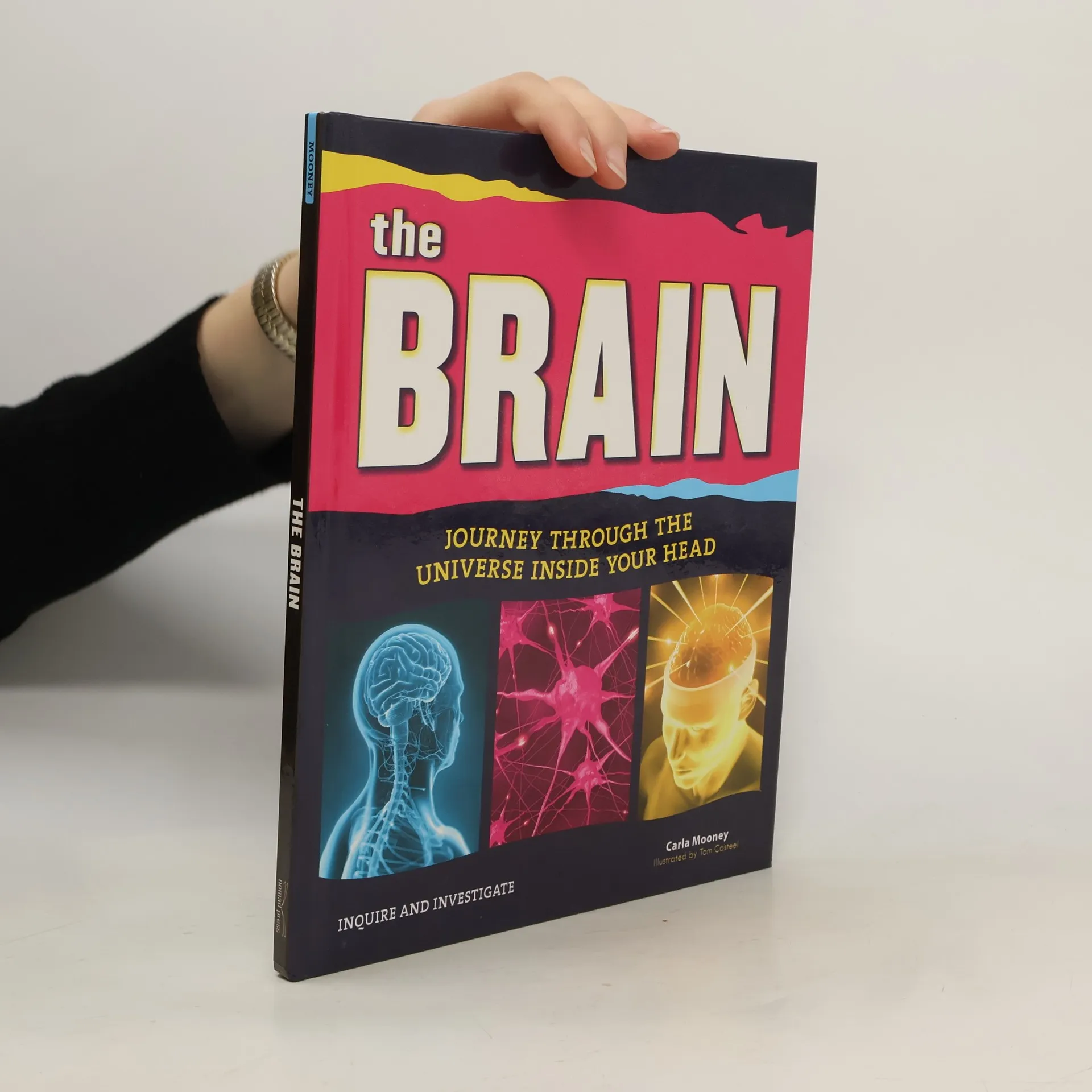
Why do we do and say the things we do and say? The Brain: Journey Through the Universe Inside Your Head introduces students to the fascinating world of the human brain and its effect on behavior. Readers learn about the main anatomy and functions of the brain while discovering the brain’s role in learning, memory, communication, and emotions. Kids also read about new technologies being used to research the brain in its various states of performance while being introduced to the effects of sleep, alcohol, and exercise on our most complex organ. Combining hands-on activities with neuroscience, anatomy, and psychology, The Brain includes projects such as building a 3-D brain model and testing how the brain adapts to a new situation. The Brain integrates a digital learning component by providing links to primary sources, videos, and other relevant websites. Additional materials include a glossary, timeline, and a list of current reference works. The Brain is a unique opportunity to connect behavior, physiology, and the outside world in one amazing place—your head! This title meets Common Core State Standards for literacy in science and technology; Guided Reading Levels and Lexile measurements indicate grade level and text complexity.
Exploring the intricacies of human anatomy and physiology, this book delves into how our bodies enable movement, from walking to dancing and sports. Aimed at young readers, it combines engaging graphic novel illustrations with hands-on activities, such as creating a model of a hand with functional muscles and tendons. The text emphasizes the importance of maintaining a healthy lifestyle and incorporates biology, chemistry, biomechanics, and nutrition. Additional online resources enhance the learning experience, making complex concepts accessible and interactive.
Focusing on the theory of evolution, this book delves into the historical context and mechanisms behind how living organisms adapt over time. It provides examples of species that have evolved due to environmental changes and considers the implications of these adaptations for the future of life on Earth. Through its exploration, readers gain insight into the diverse forms of life and the ongoing process of evolution in response to a changing environment.
Exploring the concept of big data, this book delves into its significance in everyday life and its impact on various sectors. It demystifies the technology behind data collection and analysis, illustrating how it influences decision-making, consumer behavior, and societal trends. Through engaging examples, the author highlights the opportunities and challenges presented by big data, encouraging readers to understand its relevance and potential implications for their personal and professional lives.
Exploring the historical and psychological roots of terrorism, this book provides young readers with a thoughtful examination of the complexities surrounding the September 11 attacks. It delves into the motivations behind such violence and offers potential solutions for fostering peace. Aimed at ages 12-15, the narrative encourages comprehension and empowerment, equipping readers with a deeper understanding of global issues and the factors that contribute to terrorism.
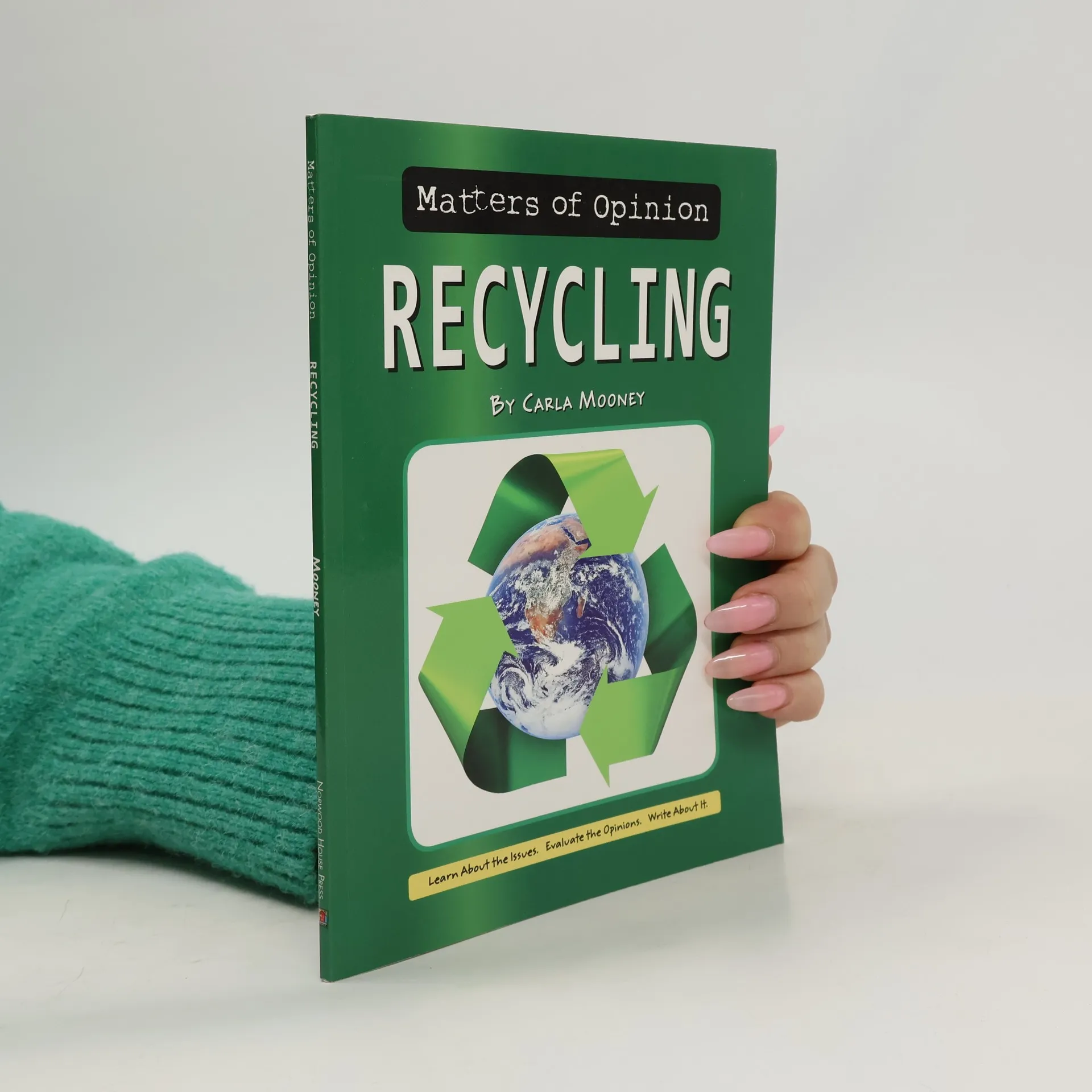
"Explores the pros and cons of several issues related to recycling, including whether it helps the environment, and is it economically efficient. Aligns with Common Core Language Arts Anchor Standards for Reading Informational Text and Speaking and Listening. Text contains critical thinking components in regards to social issues and history. Includes bibliography, glossary, index, and relevant websites"--