



Z Knihobotu sa stal Bookbot!
Bookbot

Thomas Piketty

    7. máj 1971

    Thomas Piketty je francúzsky ekonóm, ktorý sa zameriava na nerovnosť v príjmoch a majetku. Jeho práca sa vyznačuje historickým a štatistickým prístupom, využívajúcim daňové záznamy na skúmanie akumulácie majetku u ekonomickej elity. Prostredníctvom rozsiahleho skúmania údajov za dvestopäťdesiat rokov Piketty analyzuje, ako miera návratnosti kapitálu ovplyvňuje koncentráciu majetku a či táto tendencia nie je samokorigujúca. Navrhuje riešenie vo forme globálnej dane z majetku na dosiahnutie jeho spravodlivejšieho rozdelenia.

    Thomas Piketty
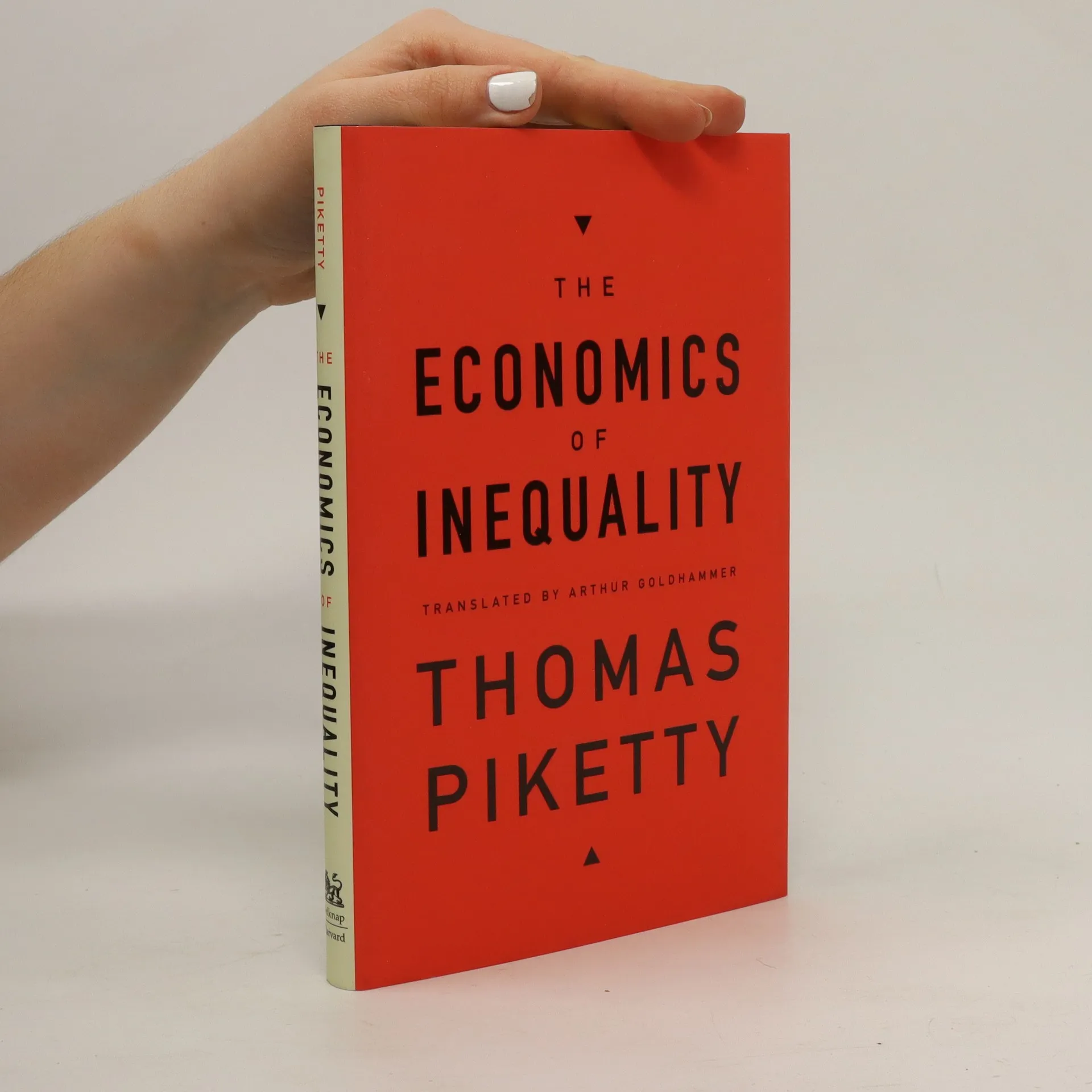
    The Economics of Inequality
    Why Save the Bankers?
    A Brief History of Equality
    Nature, Culture, and Inequality: A Comparative and Historical Perspective
    Capital and Ideology
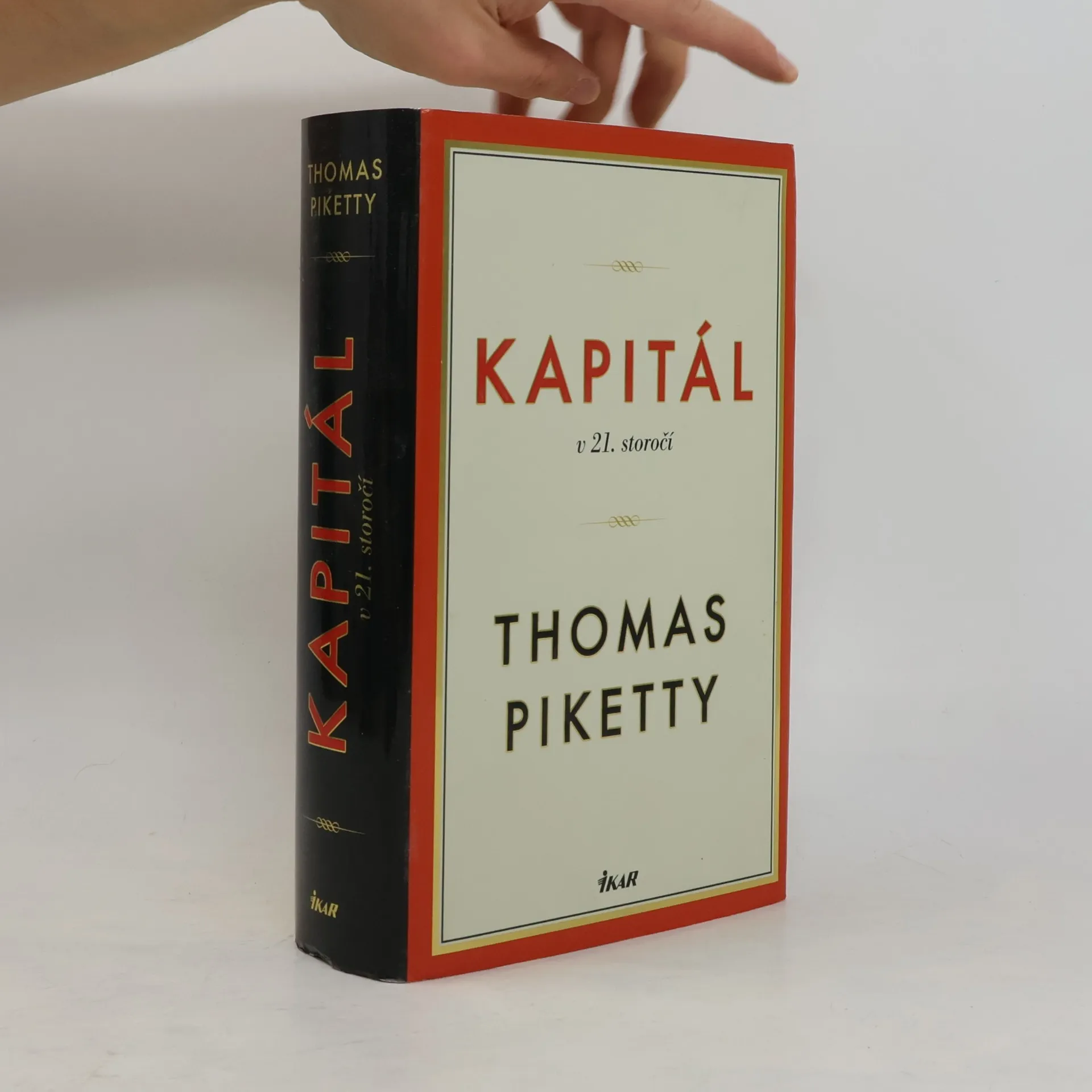
    Kapitál v 21. storočí
    • Kapitál v 21. storočí

      • 752 stránok
      • 27 hodin čítania
      4,1(27616)Ohodnotiť

      Francúzsky ekonóm Piketty kritizuje rastúcu majetkovú nerovnosť a vysoké platy supermanažérov, pričom sa snaží o zmenu sociálnych a daňových zákonov. Jeho dielo sa stalo bestsellerom a získalo si uznanie odborníkov, ktorí ho považujú za zásadné. Piketty sa 15 rokov venoval zhromažďovaniu a analýze historických a porovnávacích údajov, pričom tvrdí, že súčasná priepasť medzi chudobnými a bohatými je najhlbšia od čias pred prvou svetovou vojnou. Otázky týkajúce sa dlhodobého vývoja nerovnosti a koncentrácie majetku sú kľúčové v politickej ekonómii, avšak uspokojivé odpovede sa často zakladajú na teoretických špekuláciách. Piketty analyzuje rozsiahly súbor dát z troch storočí a dvadsiatich štátov, aby odhalil ekonomické a sociálne vzorce, ktoré by mohli ovplyvniť budúce úvahy o bohatstve a nerovnosti. Toto dielo predstavuje originálny prístup k ekonomickej histórii a konfrontuje nás s neveselými vyhliadkami dnešnej spoločnosti. Piketty je profesorom na parížskej Vysokej škole sociálnych vied a École d’économie de Paris a získal cenu Yrjö Jahnssona za svoje historické a teoretické práce.

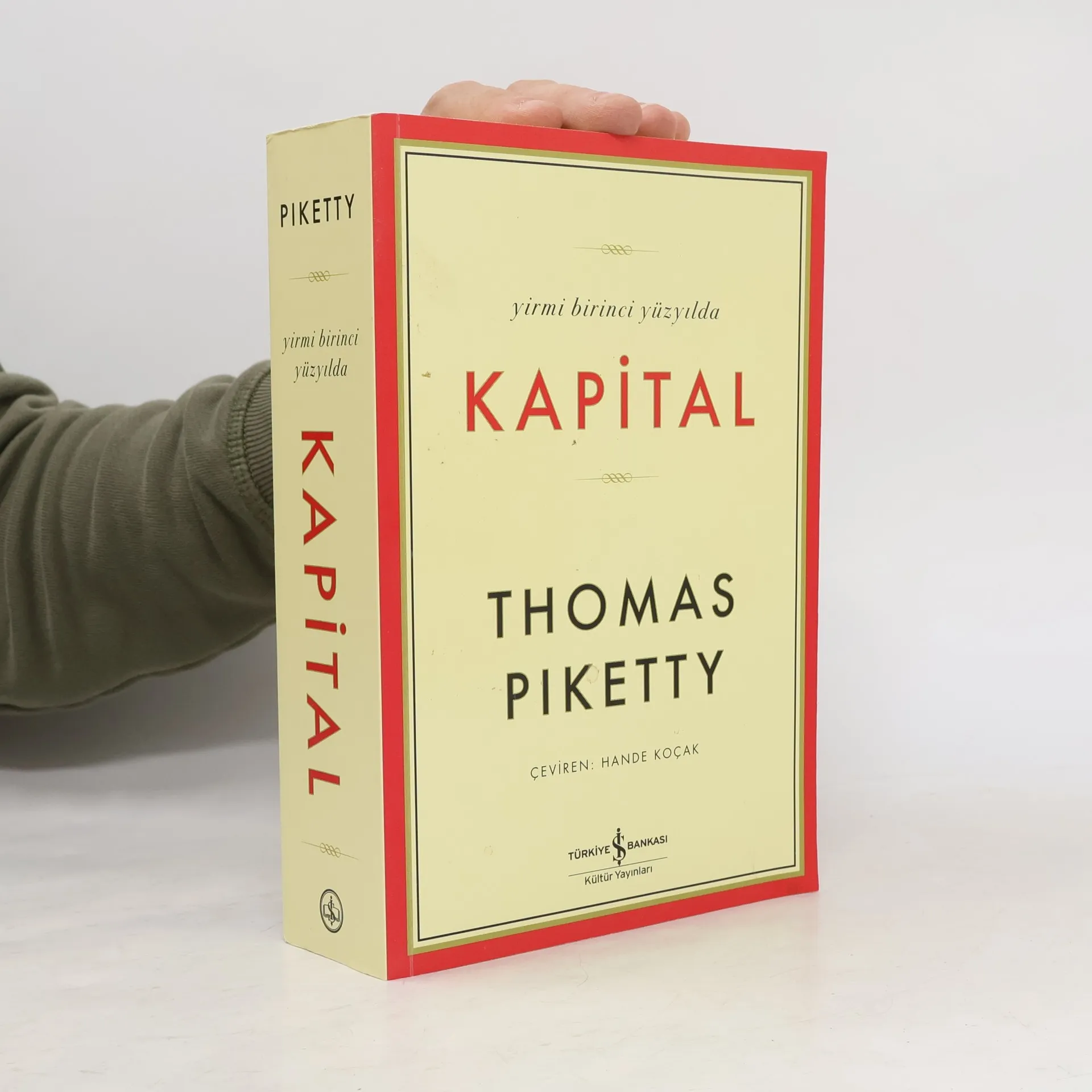
      Kapitál v 21. storočí
    • Thomas Piketty's follow-up to his bestselling work challenges us to rethink politics, ideology, and history in light of persistent inequality. He identifies the ideas that have perpetuated inequality for centuries and critiques the ineffective politics of both the right and left. Piketty asserts that our economy is not a natural phenomenon; rather, markets, profits, and capital are historical constructs shaped by choices. He delves into the material and ideological conflicts among social groups that have led to systems like slavery, serfdom, colonialism, communism, and hypercapitalism, profoundly affecting billions. Piketty argues that the true driver of human progress has been the quest for equality and education, rather than property rights or stability. He highlights that the extreme inequality that has emerged since the 1980s stems from a backlash against communism, compounded by ignorance and a shift toward the unproductive politics of identity. Understanding these dynamics allows us to envision a more equitable economic and political framework. Piketty advocates for a new "participatory" socialism, rooted in equality, social property, education, and the equitable distribution of knowledge and power.

      Capital and Ideology
    • In his newest work, Thomas Piketty explores how social inequality manifests itself very differently depending on the society and epoch in which it arises. History and culture play a central role, inequality being strongly linked to various socio-economic, political, civilisational, and religious developments. So it is culture in the broadest sense that makes it possible to explain the diversity, extent, and structure of the social inequality that we observe every day. Piketty briefly and concisely presents a lively synthesis of his work, taking up such diverse topics as education, inheritance, taxes, and the climate crisis, and provides exciting food for thought for a highly topical debate: Does natural inequality exist?

      Nature, Culture, and Inequality: A Comparative and Historical Perspective
    • A Brief History of Equality

      • 274 stránok
      • 10 hodin čítania
      4,0(1712)Ohodnotiť

      In this powerful new work, Thomas Piketty reminds us that rising inequality is not inevitable. Over the centuries, we have been moving toward greater equality. Piketty guides us with elegance and concision through the great movements that have made the modern world and shows how we can learn from them to make equality a lasting reality.

      A Brief History of Equality
    • Exploring the intersection of economics and real-time data, this work presents groundbreaking insights inspired by Thomas Piketty's theories. It challenges traditional economic frameworks and emphasizes the importance of immediate, real-world applications of economic principles. The book delves into the implications of real-time analysis for understanding wealth distribution, social justice, and economic policy, making it a vital resource for those interested in contemporary economic debates and their societal impacts.

      Why Save the Bankers?
    • The Economics of Inequality

      • 142 stránok
      • 5 hodin čítania
      3,7(1176)Ohodnotiť

      Succinct, accessible, and authoritative, Thomas Piketty’s The Economics of Inequality is the ideal place to start for those who want to understand the fundamental issues at the heart of one the most pressing concerns in contemporary economics and politics. This work now appears in English for the first time.

      The Economics of Inequality
    • Chronicles : On our Troubled Times

      • 240 stránok
      • 9 hodin čítania
      3,6(49)Ohodnotiť

      Shares incisive commentary on the financial meltdown and its aftermath, counseling democratic societies on how to avoid the practices that have led to unregulated markets and economic inequality

      Chronicles : On our Troubled Times
    • A chronicle of recent events that have shaken the world, from the author of Capital in the Twenty-First Century

      Time for Socialism
    • Equality

      What It Means and Why It Matters

      • 120 stránok
      • 5 hodin čítania

      In this compelling dialogue, two of the world’s most influential thinkers reflect on the value of equality and debate what citizens and governments should do to narrow the gaps that separate us. Ranging across economics, philosophy, history, and current affairs, Thomas Piketty and Michael Sandel consider how far we have come in achieving greater equality. At the same time, they confront head-on the extreme divides that remain in wealth, income, power, and status nationally and globally. What can be done at a time of deep political instability and environmental crisis? Piketty and Sandel agree on much: more inclusive investment in health and education, higher progressive taxation, curbing the political power of the rich and the overreach of markets. But how far and how fast can we push? Should we prioritize material or social change? What are the prospects for any change at all with nationalist forces resurgent? How should the left relate to values like patriotism and local solidarity where they collide with the challenges of mass migration and global climate change? To see Piketty and Sandel grapple with these and other problems is to glimpse new possibilities for change and justice but also the stubborn truth that progress towards greater equality never comes quickly or without deep social conflict and political struggle.

      Equality
    • Thomas Piketty, Autor des Weltbestsellers Das Kapital im 21. Jahrhundert gibt hier eine Einführung in die wirtschaftlichen Zusammenhänge hinter dem Phänomen der ungleichen Einkommensverteilung. Kurz und prägnant erklärt er, wie Ungleichheit entsteht, wie Ökonomen sie messen, in welchem Missverhältnis Arbeitseinkommen und Kapitalerträge zueinander stehen und welche Möglichkeiten die Politik hat, diese Lücke zu schließen.

      Ökonomie der Ungleichheit