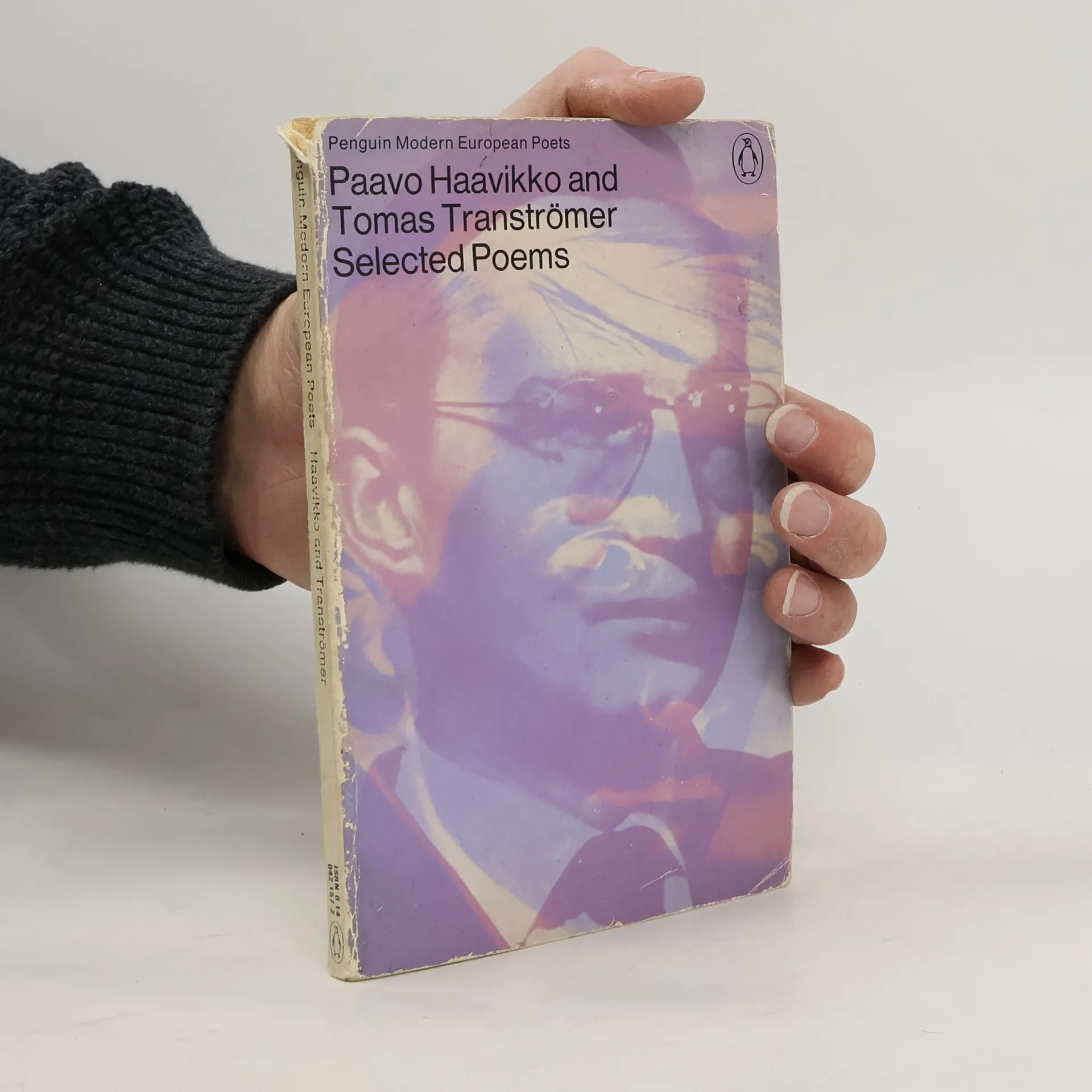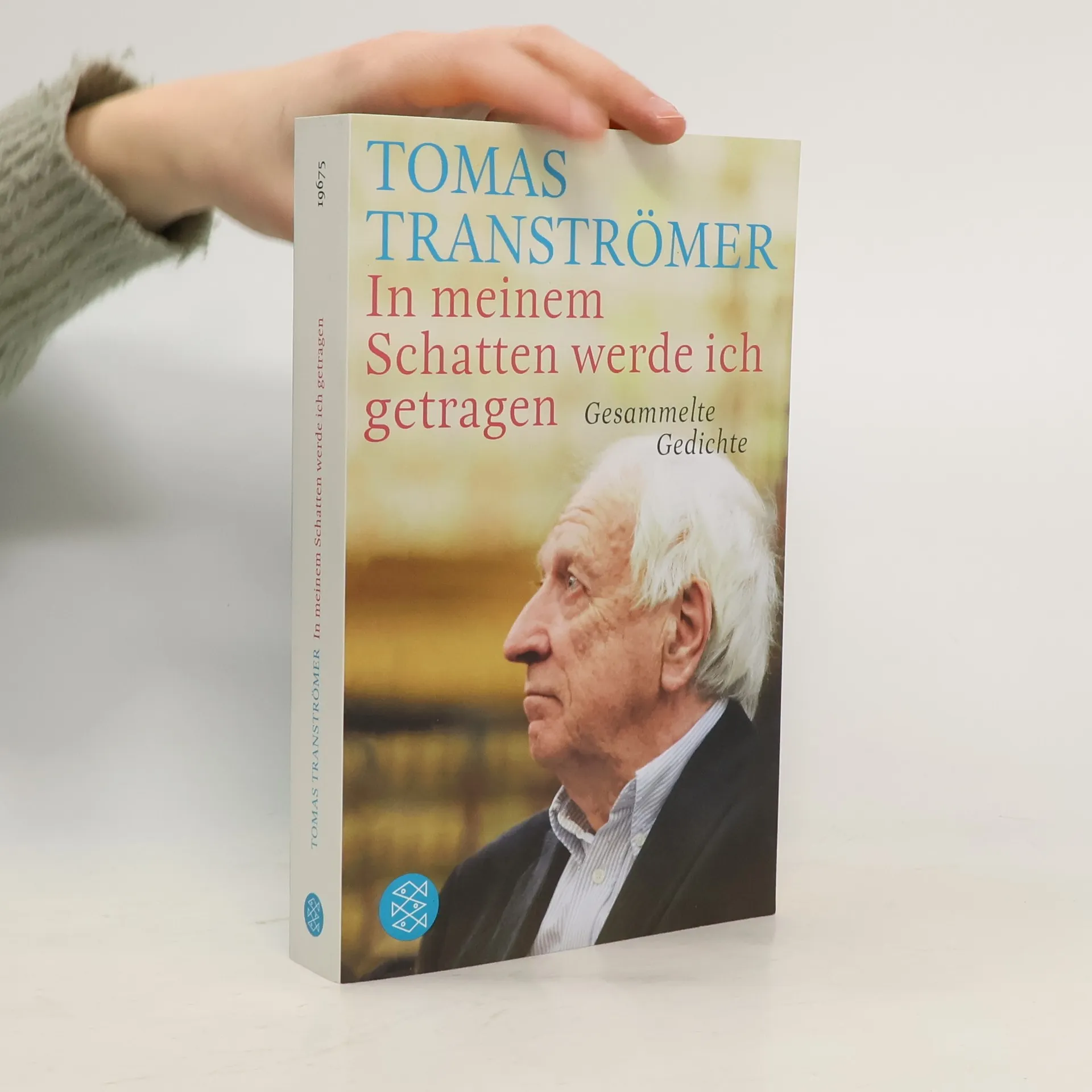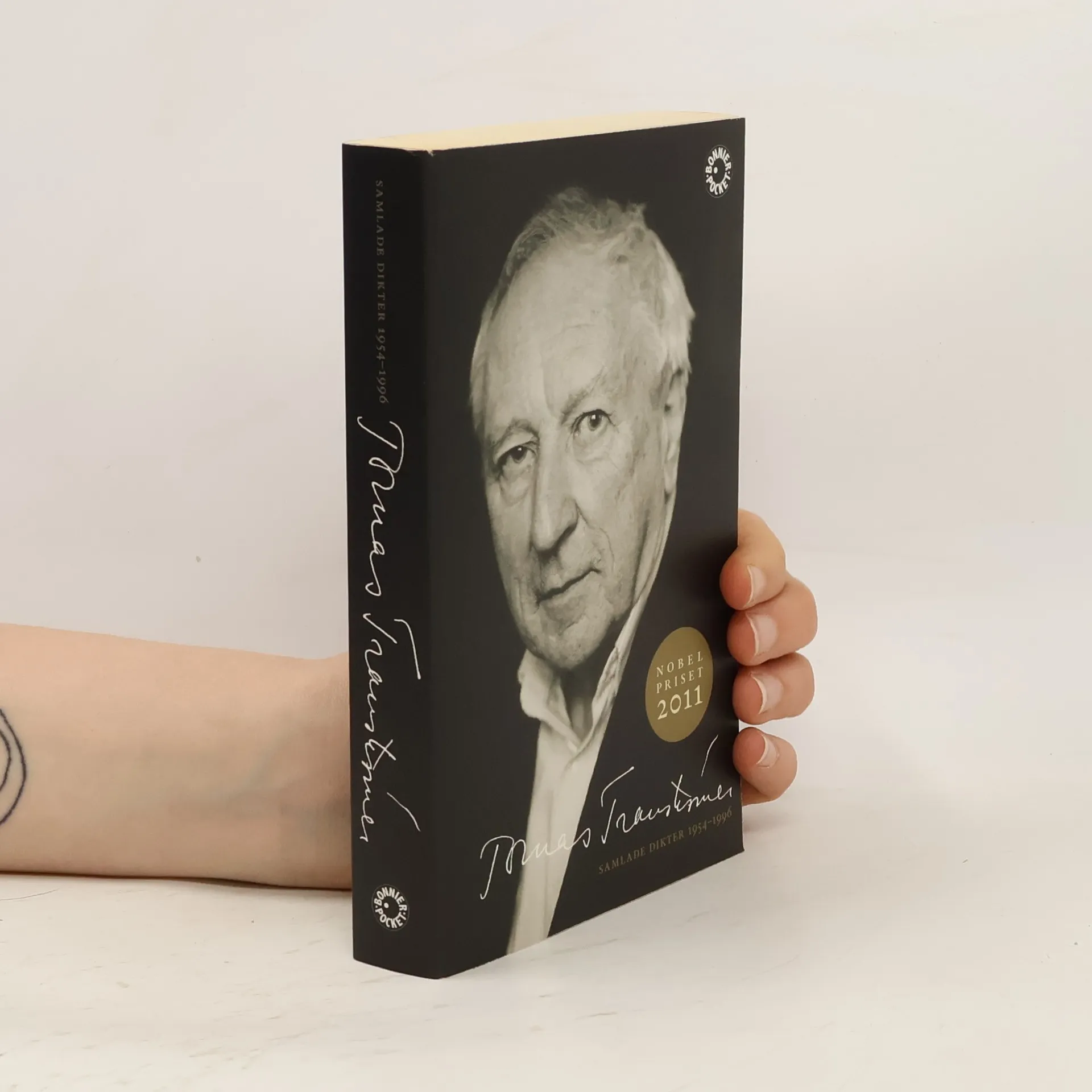
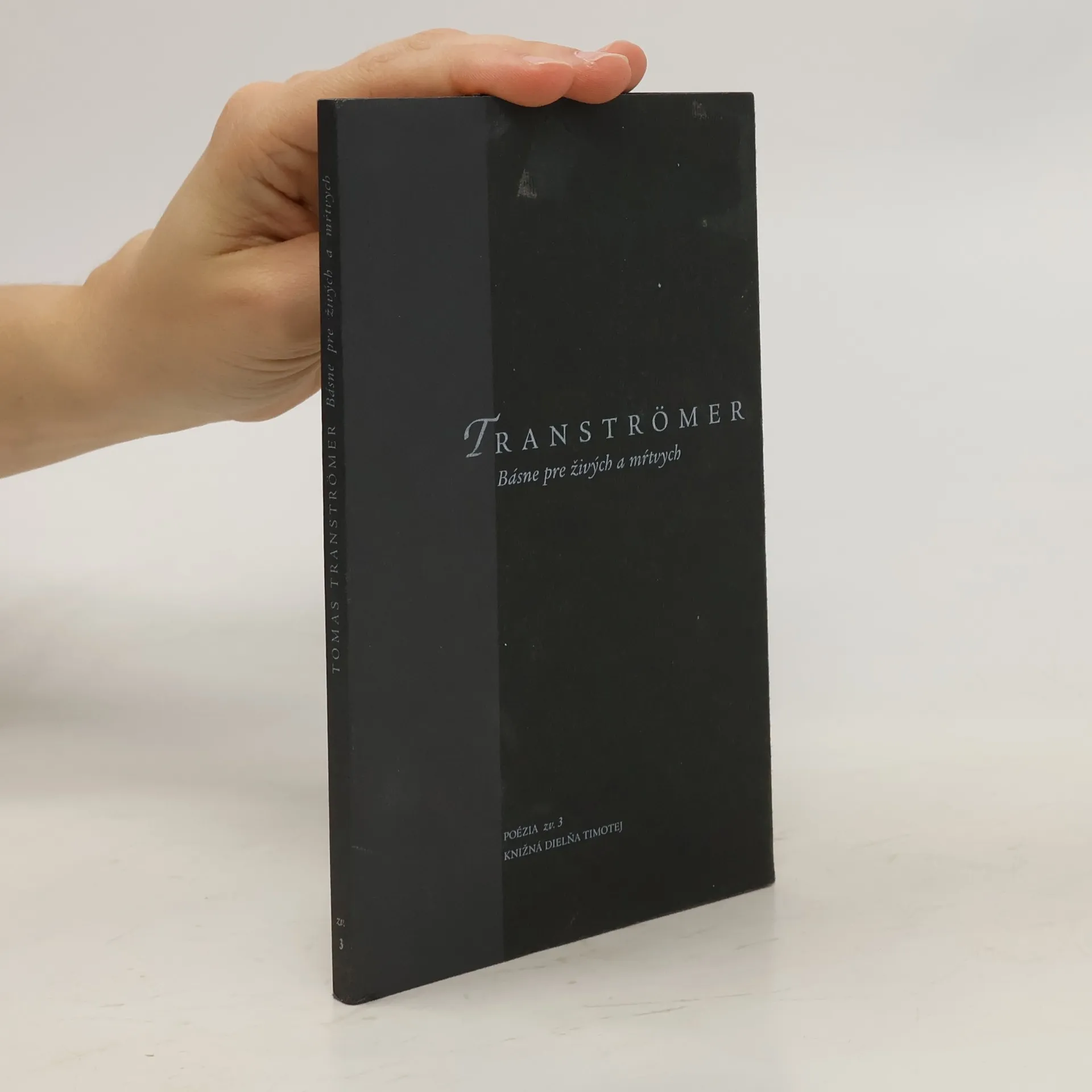
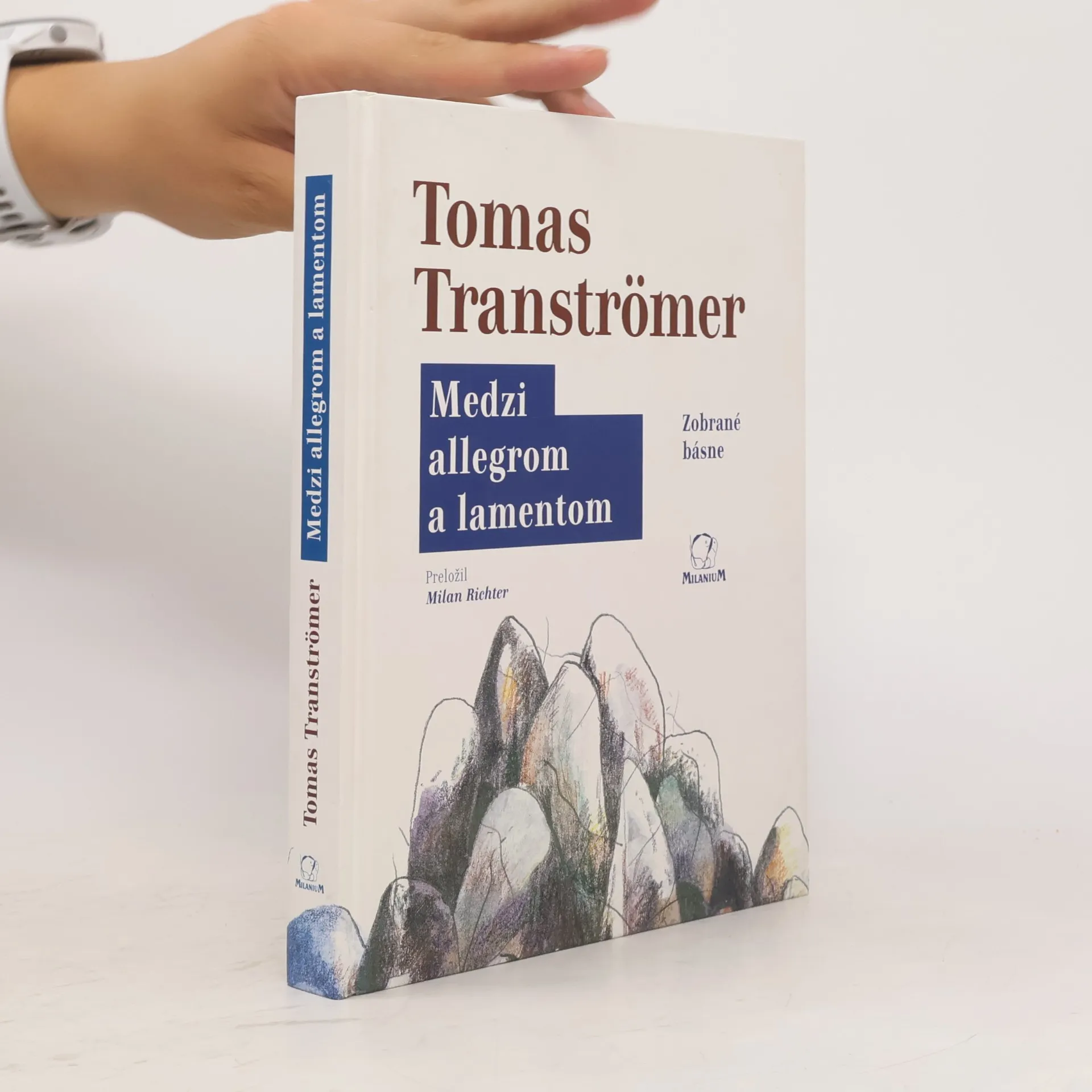
Jeho poézia, nadväzujúca na modernizmus, expresionizmus a surrealizmus, obsahuje silné obrazy zaoberajúce sa problémami fragmentácie a izolácie. Jeho lyrické básne, často písané vo štvorveršiach, v ktorých je príroda aktívnym, energizujúcim subjektom a ja (ak je vôbec prítomné) objektom, dávajú čitateľom skrze zhustené, priehľadné obrazy nový prístup k realite. Jeho diela znázorňujú priestory, ktoré obýva hlbočina, ako podzemná voda tryskajúca do novo vykopanej studne.
Zobrané básne severského autora, ktorý podľa domácej a zahraničnej kritiky nenapísal ani jedinú zlú báseň. Tranströmer je nesporne osobitým zjavom v literatúre, je v istom zmysle pokračovateľom modernistických tradícií vo švédskej poézii i v svetovej lyrike.Jeho jedinečnosť spočíva v schopnosti presného obrazného pomenovania a priam orientálneho spojenia vizuálnych a citových vnemov, v schopnosti geniálne jednoducho načrtnúť deje v čistej i človekom zmenenej prírode a mnohoraké prepojenie týchto dejov na históriu, na ľudské podvedomie i na mystické oblasti. Verše preložil Milan Richter.
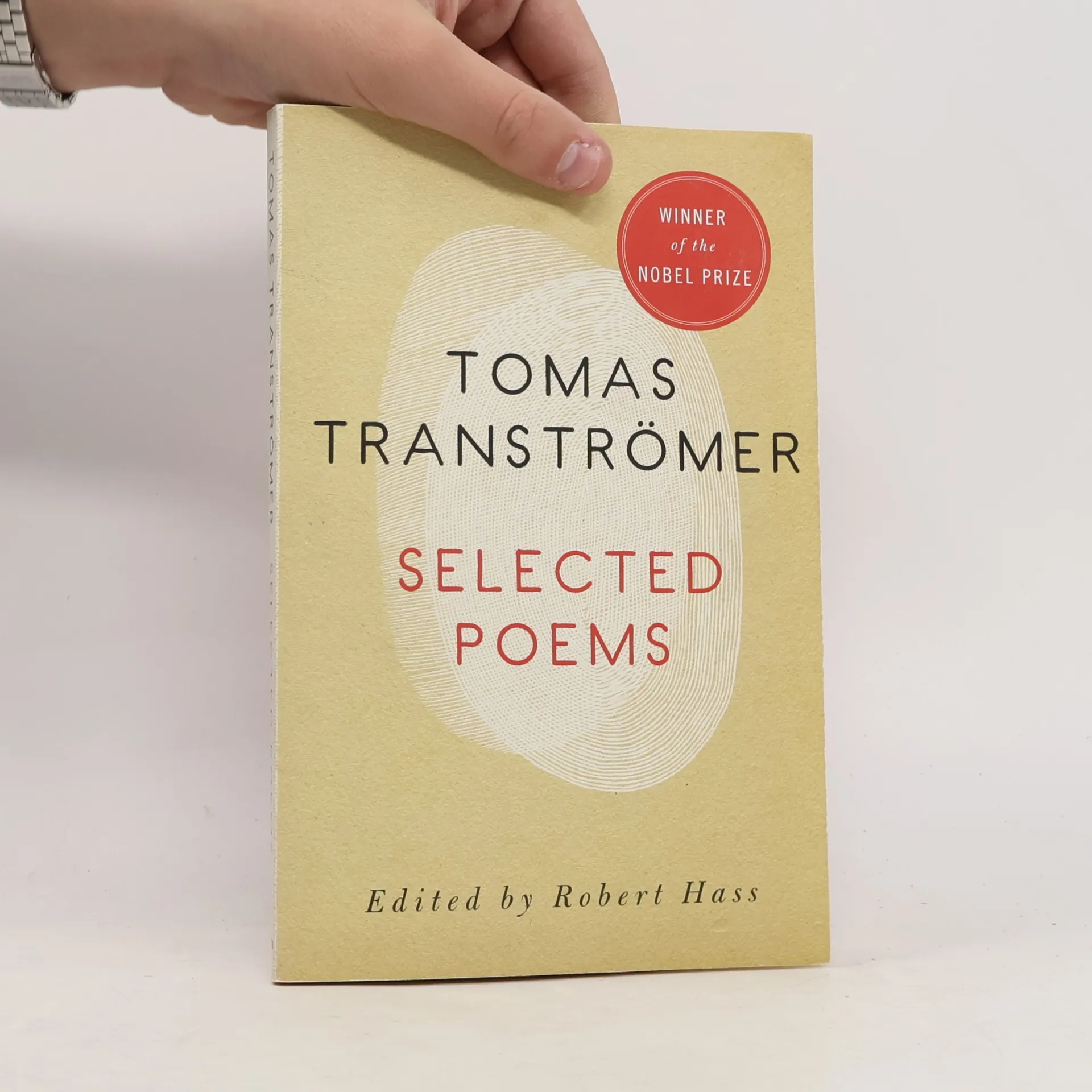
Laureát Nobelovy ceny za literaturu, osmdesátník Tomas Tranströmer (nar. 1931) je jako básník známý po celém světě – jeho básně vyšly v překladech do 60 jazyků, přičemž jen v angličtině existuje víc než 20 vydání jeho veršů. Nepříliš známý či úplně neznámý je v Evropě zřejmě jen v České republice, protože do češtiny bylo přeloženo jen asi deset jeho básní, v jedné antologii a v časopisech. Tranströmerova silná a vznešená poezie z něj dokonce udělala kultovního autora: ve Slovinsku a na Dálném východě existuje několik kaváren, které nesou jeho jméno. Ve Švédsku a na severu vůbec je tento básník miláčkem početného čtenářského publika. Jeho verše i básníka osobně však znají i na Slovensku, kde vydali jeho sebrané básně a kam přijel, aby převzal Cenu Jána Smreka. V Bratislavě se Tranströmer seznámil s několika českými básníky, L. Kunderou, J. Štroblovou, J. Hrubým a J. Žáčkem.
Smuteční gondola, sbírka z roku 1996 nedávno zesnulého nobelisty švédského spisovatele Tomase Tranströmera odkazuje na Franze Liszta a Benátky. Na přelomu let 1882—1883 navštívil Liszt svou dceru Cosimu a jejího manžela, Richarda Wagnera, v Benátkách. Wagner o několik měsíců později zemřel. Během své návštěvy složil Liszt dvě díla pro klavír, známá pod názvem „Smuteční gondola“, či „La Lugubre Gondola“.
Nobel Prize-winner Tomas Tranströmer explores the personal and political, the ecological and existential, through poems that expand like the widening scope of a telephoto lens. With slow strokes and subtle, rich lines, The Blue House: Collected Works of Tomas Tranströmer is evidence of a Nobel Prize-winning poet tracing the world with his pen. A stunning testament to an illustrious career, The Blue House gathers poems and writings from Tranströmer's fourteen collections into a single book. Original Swedish sits alongside their English translations as Patty Crane translates his words into revelatory language acute in the understanding of human change and loss. Subtle in politics and exact in imagery, the poems of The Blue House range from agile haiku to cinematic prose. Social phenomena are observed in rich detail--a "dictator's bust" presiding over a train car of doomed passengers--and the collection is propelled by empathy and curiosity. Under Tranströmer's watchful eye, no subject is overlooked: Milij Balakirev, the Russian composer; Nils Dacke, the Swedish peasant who led a rebellion against the king; and him, the stranger who forgets his name by the roadside. From the personal to the political to the existential, Tranströmer's poems act as a telephoto lens, granting us reinvigorated access to the world we live in.
Tomas Transtromer won the 2011 Nobel Prize in Literature. He is Sweden's most
important poet. This book includes all the poems he has written during the
past fifty years. Robin Fulton's translation is the most authoritative and
comprehensive edition of his poetry published anywhere.
The Great Enigma: New Collected Poems compiles the complete works of Tomas Transtromer, showcasing his profound poetry that resonates globally. From his first collection in 1954 to his latest works, Transtromer’s verses explore the interplay of nature, dreams, and spirituality, offering deep insights into the human experience.
Tomas TranstrÖmer's poems are thick with the feel of life lived in a specific place: the dark, overpowering Swedish winters, the long thaws and brief paradisal summers in the Stockholm archipelago. He conveys a sense of what it is like to be a private citizen in the second half of the twentieth century.