Harold Pinter Knihy
Harold Pinter patril medzi najvplyvnejších dramatikov modernej doby. Jeho hry sa vyznačujú divadelnými pauzami a mlčaním, komickým načasovaním, iróniou a hrozbou. Pinterove diela sa často zaoberajú silnými konfliktmi medzi ambivalentnými postavami, ktoré bojujú o verbálnu a teritoriálnu dominanciu a o svoje vlastné verzie minulosti. Vo všeobecne nejednoznačných témach jeho hier sa skúmajú zložité otázky identity jednotlivca utláčaného spoločenskými silami, jazykom a premenlivosťou pamäte.

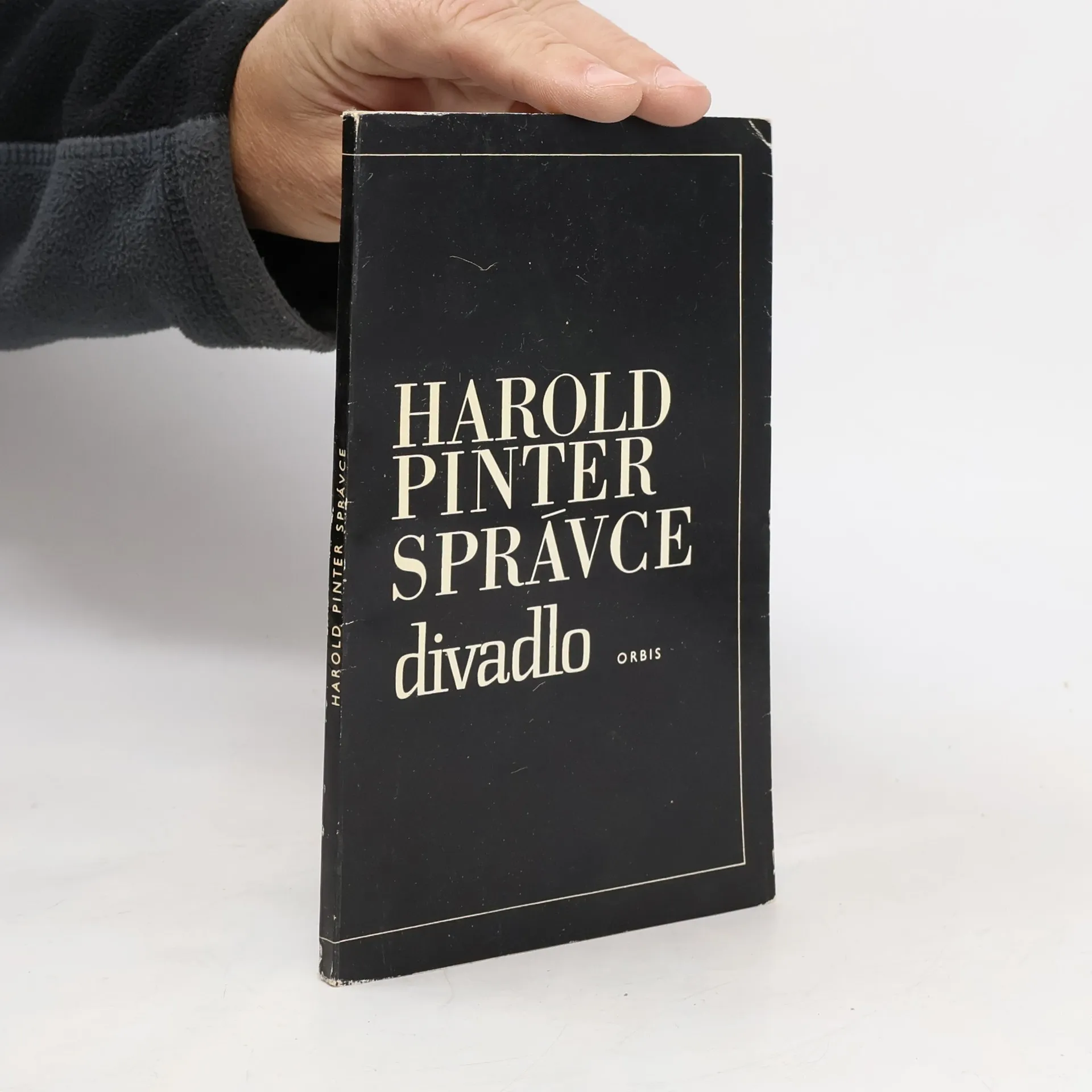
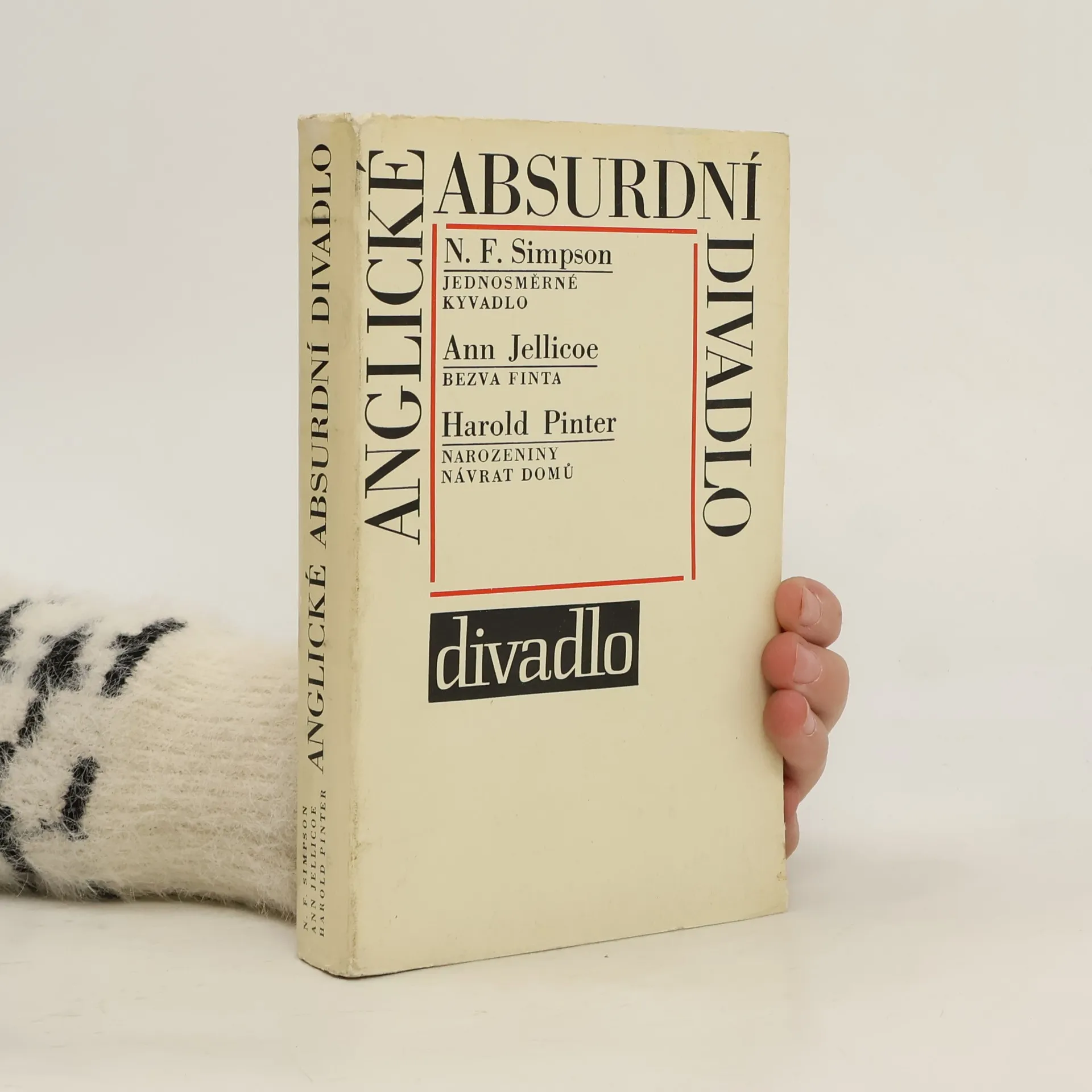
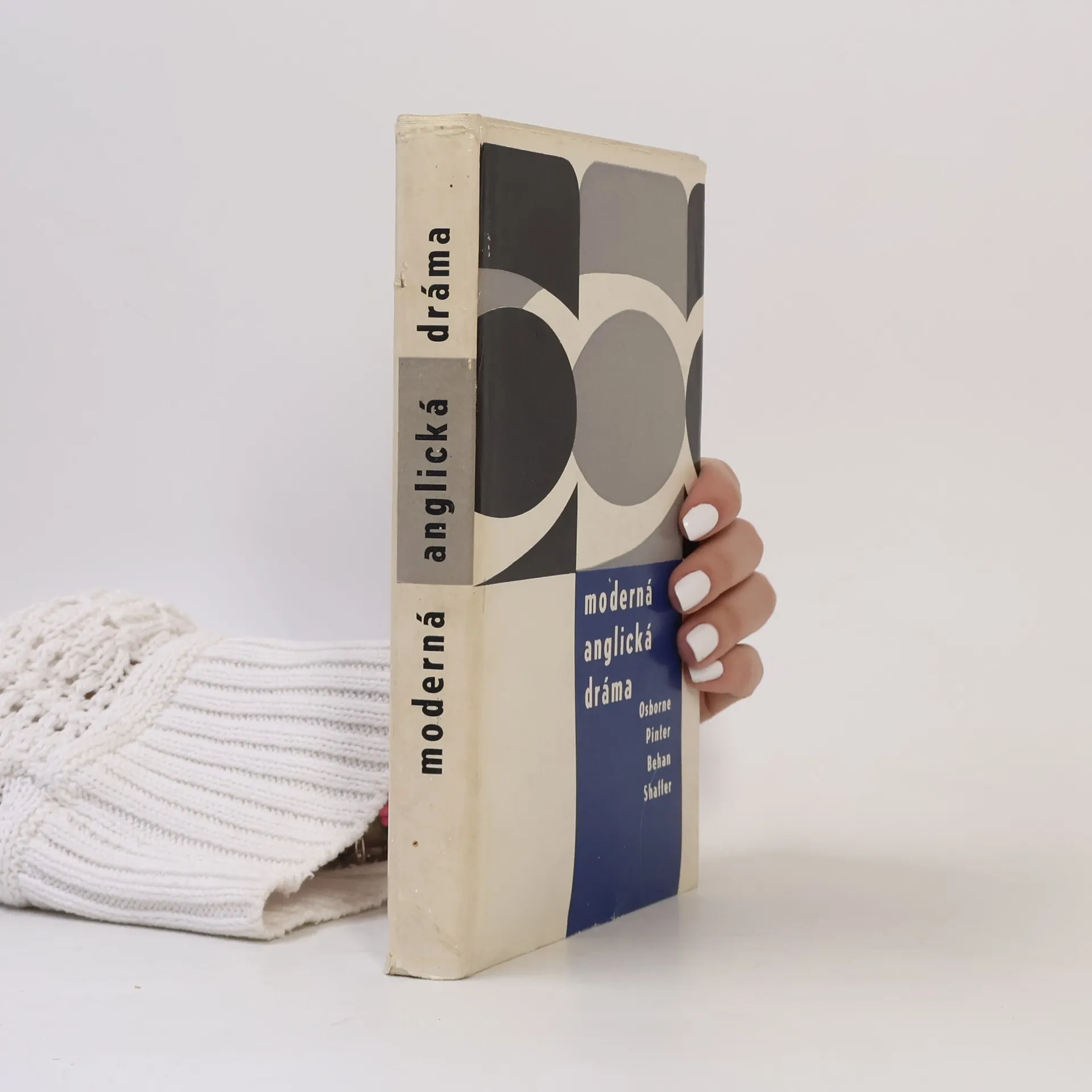
Jednosměrné kyvadlo / N. F. Simpson -- Bezva finta / Ann Jellicoe -- Narozeniny / Harold Pinter -- Návrat domů / Harold Pinter. Čtyři hry tří anglických autorů, které mají ve společném vydání sloužit jako příspěvek systematického poznání absurdního divadla, zvaného též černé divadlo, také černé drama. resp. antidrama. Jde většinou o grotesky krutosti s paradoxní logikou, jejichž „zdravý smysl je v nesmyslu“. Doslov František Vrba.
Divadelní hra, vrcholné dílo anglického dramatika, uznávaného za typického a významného představitele tzv. divadla absurdity v Anglii. Hra vyvolala pozornost i mimo Anglii a bývá vykládána různě. Český vykladač v ní vidí snahu zobrazit "marný pokus starého, zuboženého tuláka, deklasovanéexistence Daviese uchytit, zajistit, zařadit se ve světě".
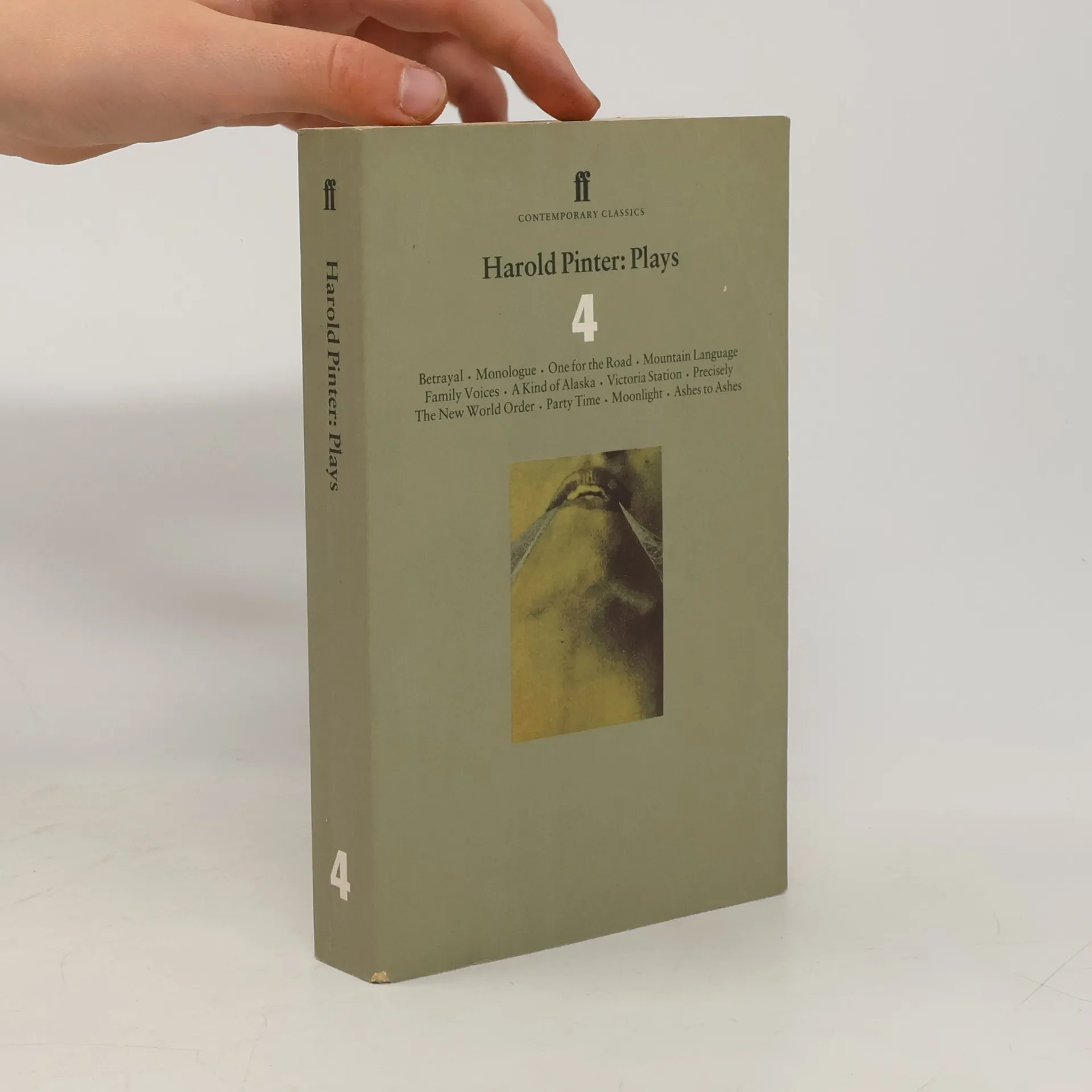
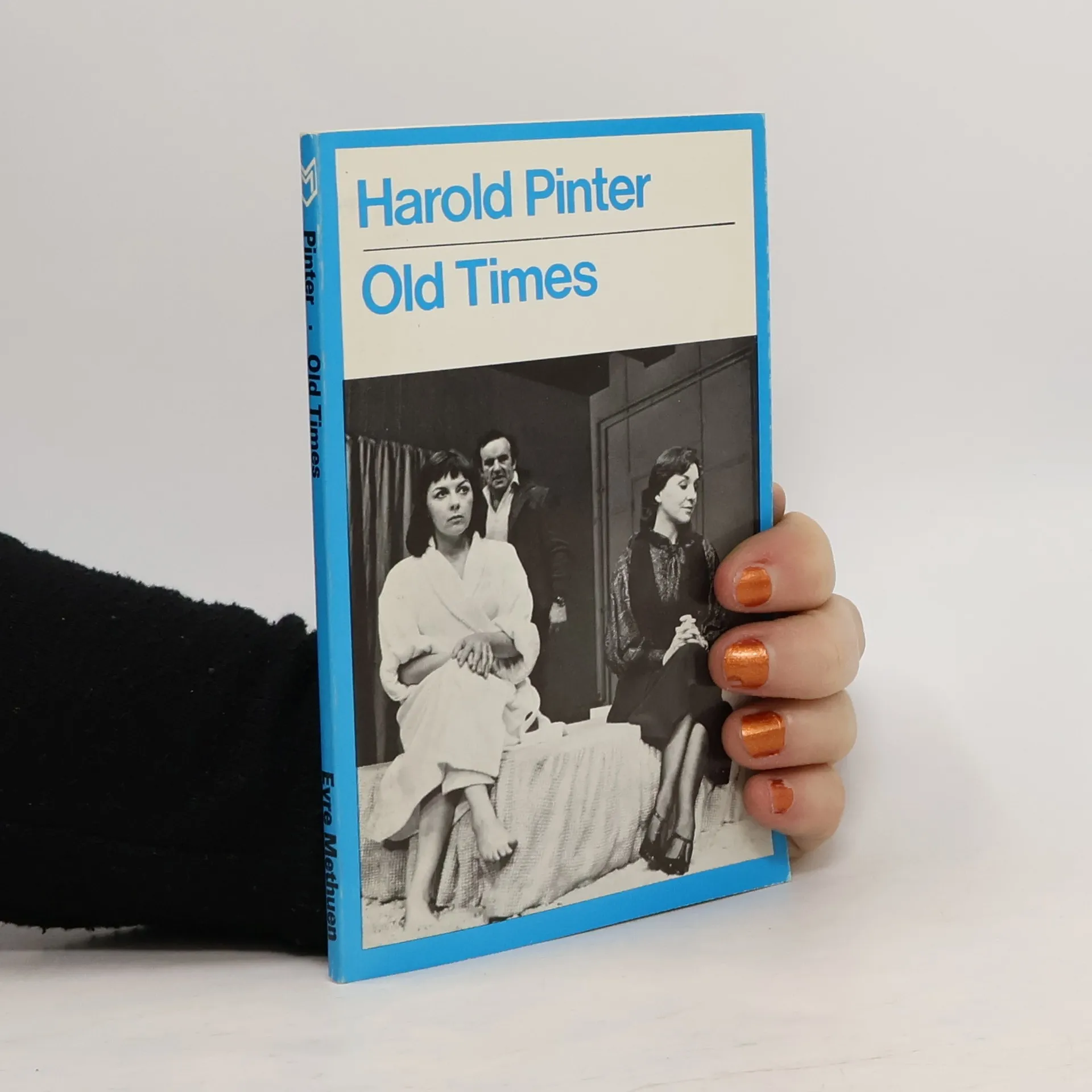
Plays
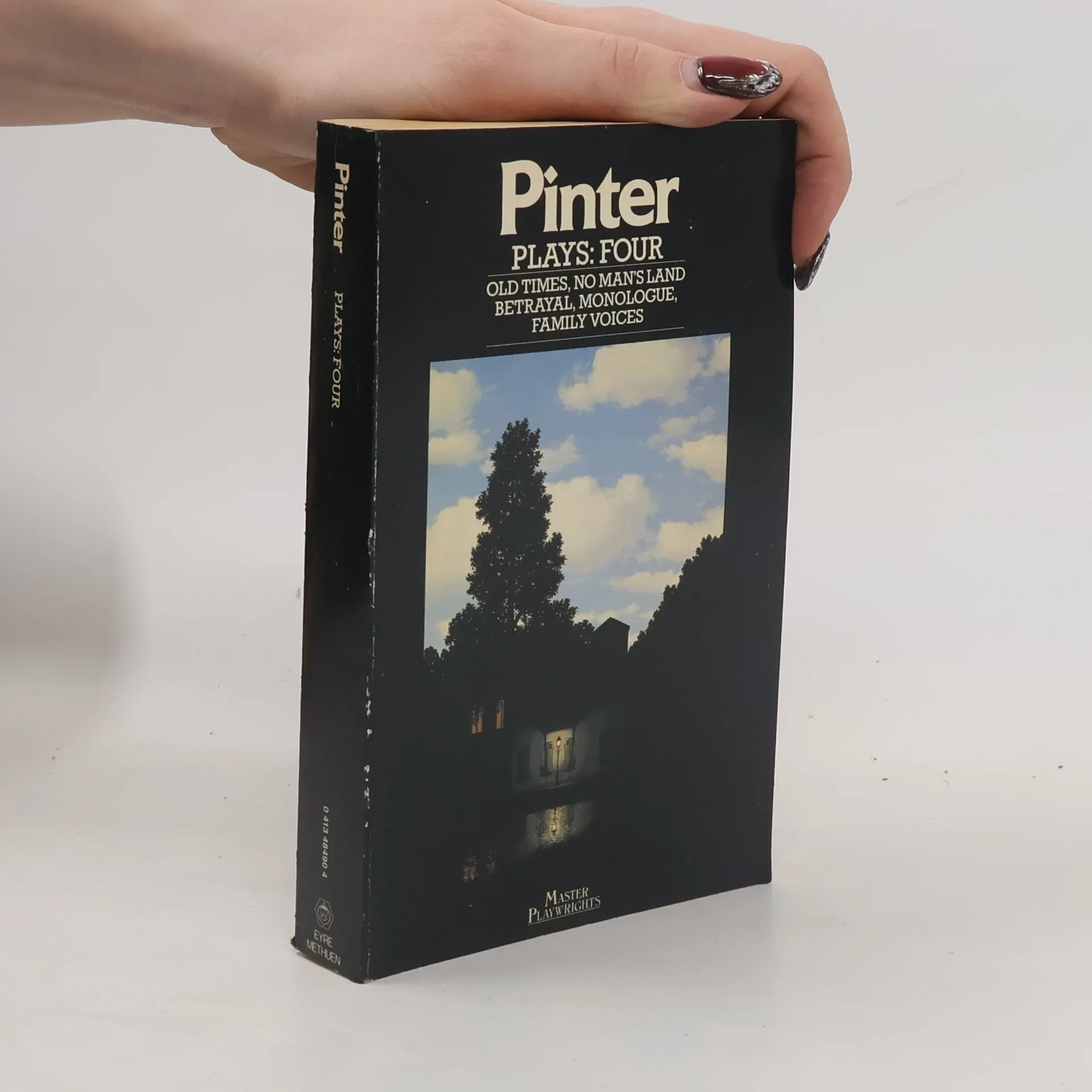
Four (Old Time, No Man's Land, Betrayal, Monologue, Family Voices , A Kind of Alaska, One for the Road, Mountain Language)
- 406 stránok
- 15 hodin čítania
This volume contains the plays Harold Pinter wrote during the 1970s and 1980s: Old Times, No Man's Land, Betrayal, One for the Road, and Mountain Language. Also included is the one-act triple-bill Other Places, composed of Family Voices, A Kind of Alaska, and Victoria Station.
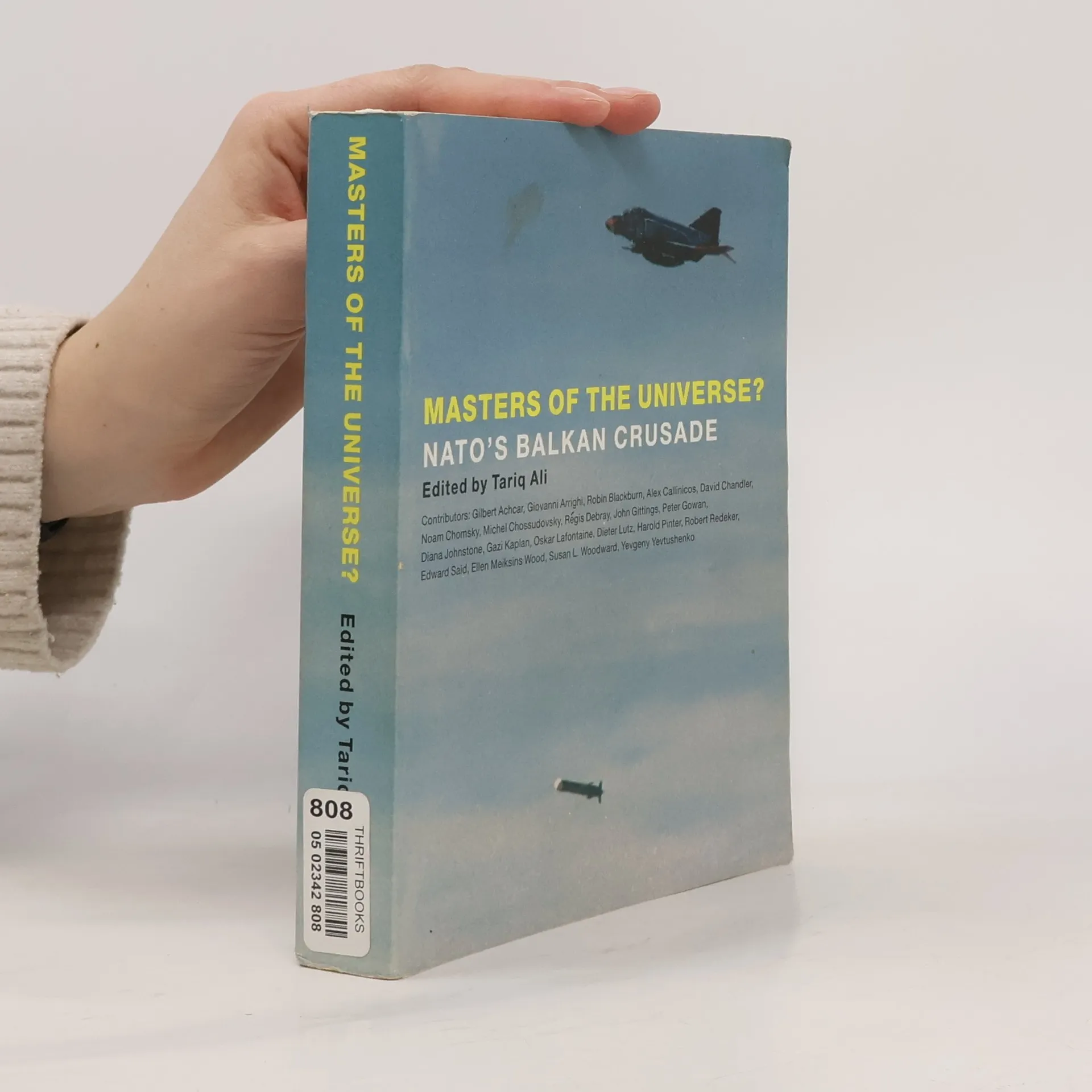
Masters of the Universe? NATO's Balkan Crusade
- 240 stránok
- 9 hodin čítania
NATO’s war on Yugoslavia in the spring of 1999 was unleashed in the name of democracy and human rights. This view was challenged by the world’s three largest countries, India, China and Russia, who saw the bombing of Serbia and Kosovo as a naked attempt to assert US dominance in an unstable world.In the West, media networks were joined by substantial sectors of left/liberal opinion in supporting the war. Nonetheless, a wide variety of figures emerged to challenge the prevailing consensus. Their work, gathered here for the first time, forms a collection of key statements and anti-war writings from some of democracy’s most eloquent dissidents—Noam Chomsky, Harold Pinter, Edward Said and many others—who provide carefully researched examinations of the real motives for the US action, dissections and critiques of the ideology of ‘humanitarian warfare’, and chartings of the unnecessary tragedy of a region laid to waste in the pursuance of Great Power politics.This reader presents some of the most important texts on NATO’s Balkan crusade and forms a major intervention in the debate on global geo-political strategy after the Cold War.
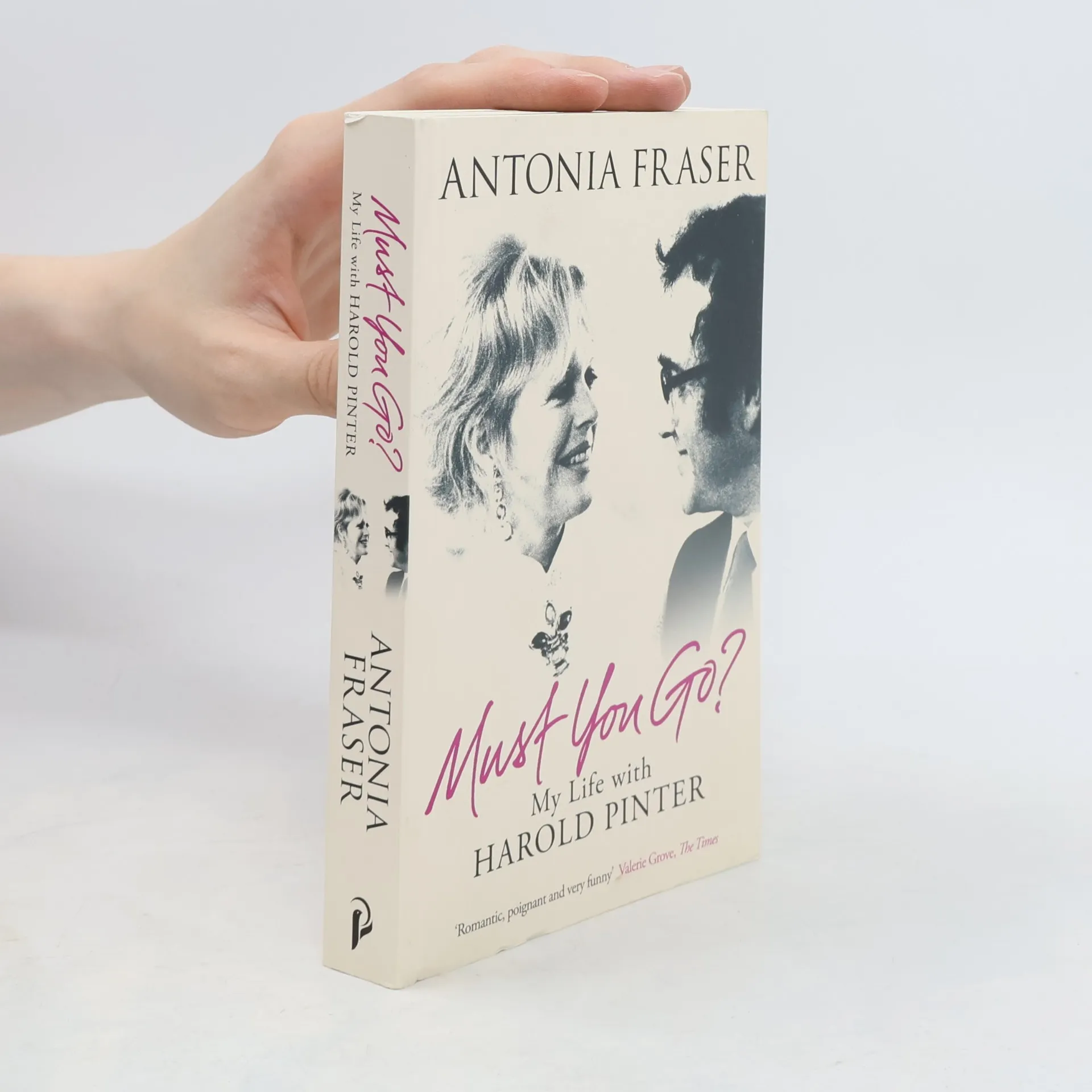
Must You Go?
- 392 stránok
- 14 hodin čítania
A unique testimony to modern literature's most celebrated and enduring marriage.
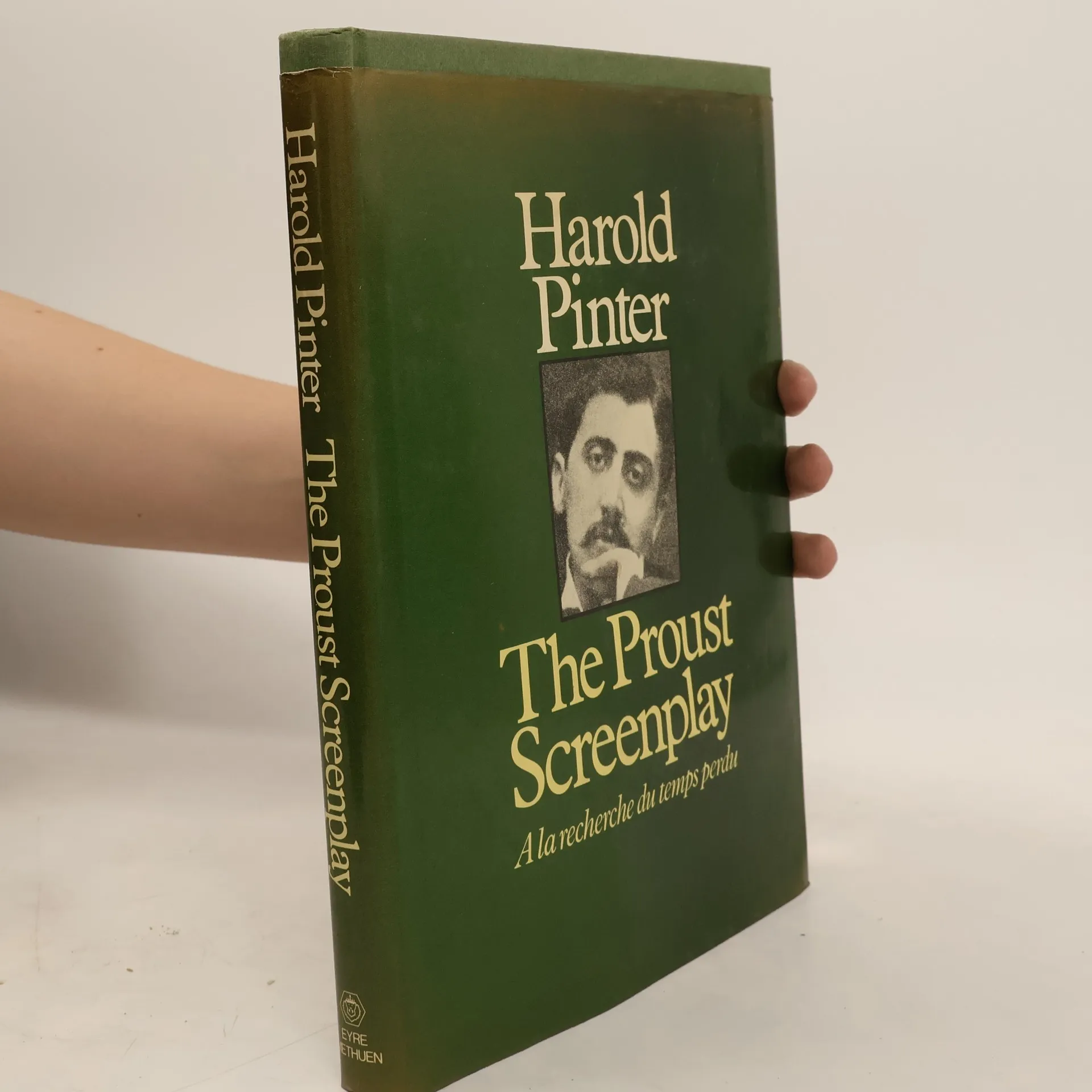
In the early 1970s Harold Pinter joined forces with director Joseph Losey and Proust scholar Barbara Bray to develop a screenplay of Proust's masterpiece, Remembrance of Things Past. Pinter took more than a year to conceive and write the screenplay and called the experience "the best working year of my life." Although never produced, Harold Pinter's The Proust Screenplay is considered one of the greatest adaptations for the cinema ever written.With fidelity to Proust's text, the screenplay is an extraordinary re-creation by one of the leading playwrights of our time. It is, in its way, a unique collaboration between two extraordinary writers united across more than half a century and two different cultures by a special concern for time and memory.
This volume contains the plays Harold Pinter wrote during the 1970s and 1980s: Old Times, No Man's Land, Betrayal, One for the Road, and Mountain Language. Also included is the one-act triple-bill Other Places, composed of Family Voices, A Kind of Alaska, and Victoria Station.
The first in the collected plays of Harold Pinter, this volume contains his first six plays, spanning the years between 1957-1960, as well as two short stories written before he turned to the theatre.
Do Hirst and Spooner really know each other, or are they performing an elaborate charade? The ambiguity - and the comedy - intensify with the arrival of Briggs and Foster. All four inhabit a no-man's-land between time present and time remembered, between reality and imagination.
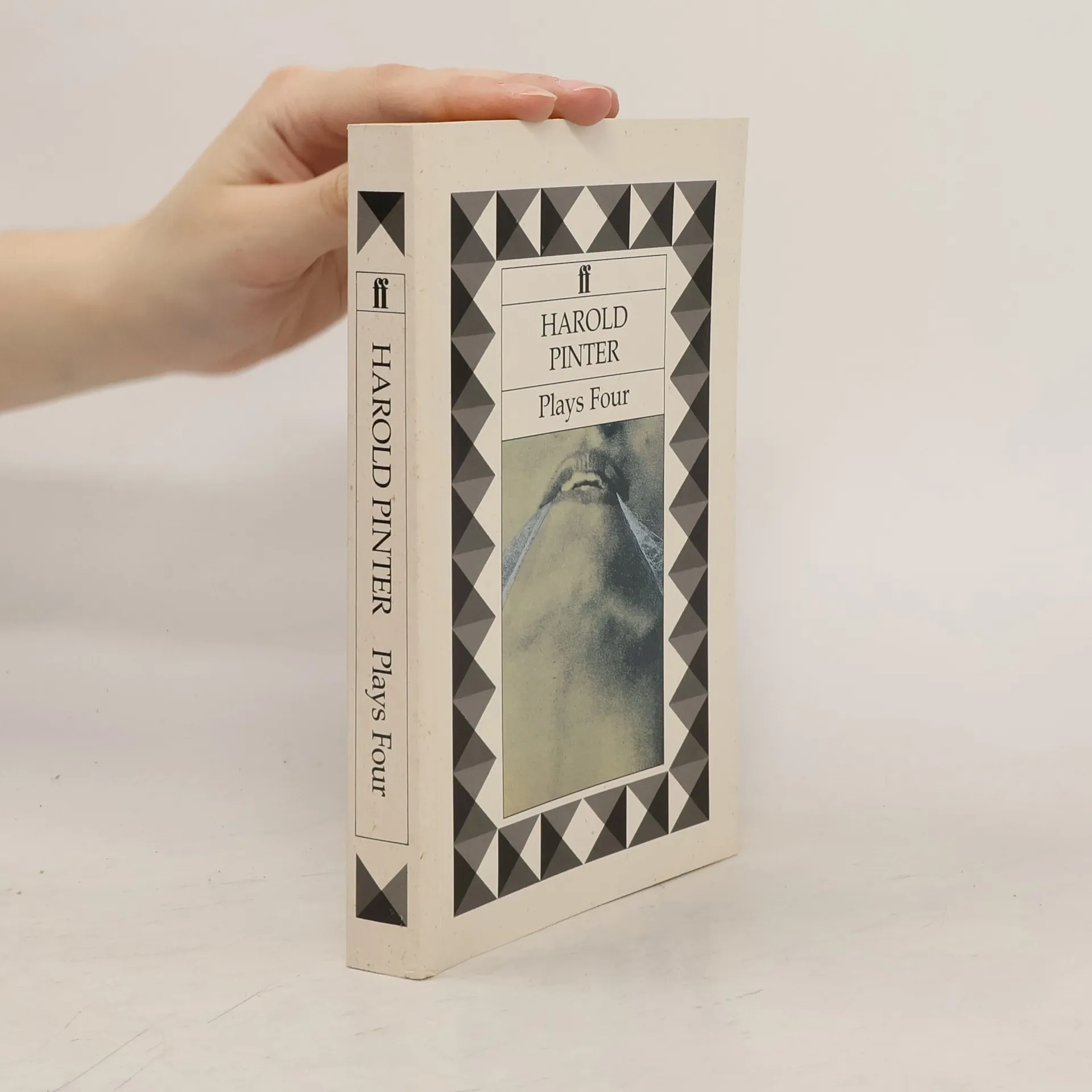
This revised edition of Harold Pinter's Plays 4 features his latest play, Celebration, and highlights Pinter as a leading figure in British drama during the latter half of the twentieth century, as noted by the Swedish Academy in his 2005 Nobel Prize citation.
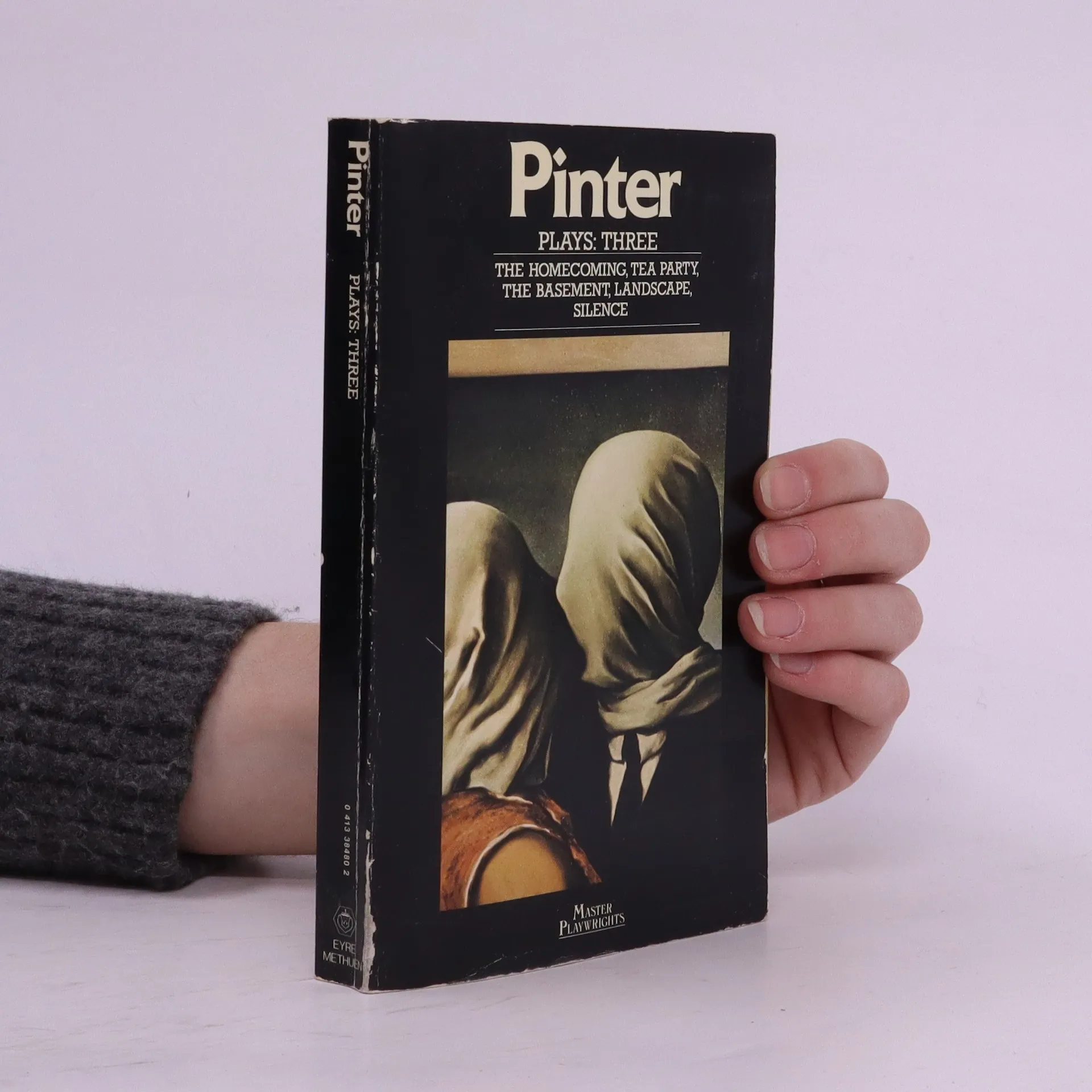
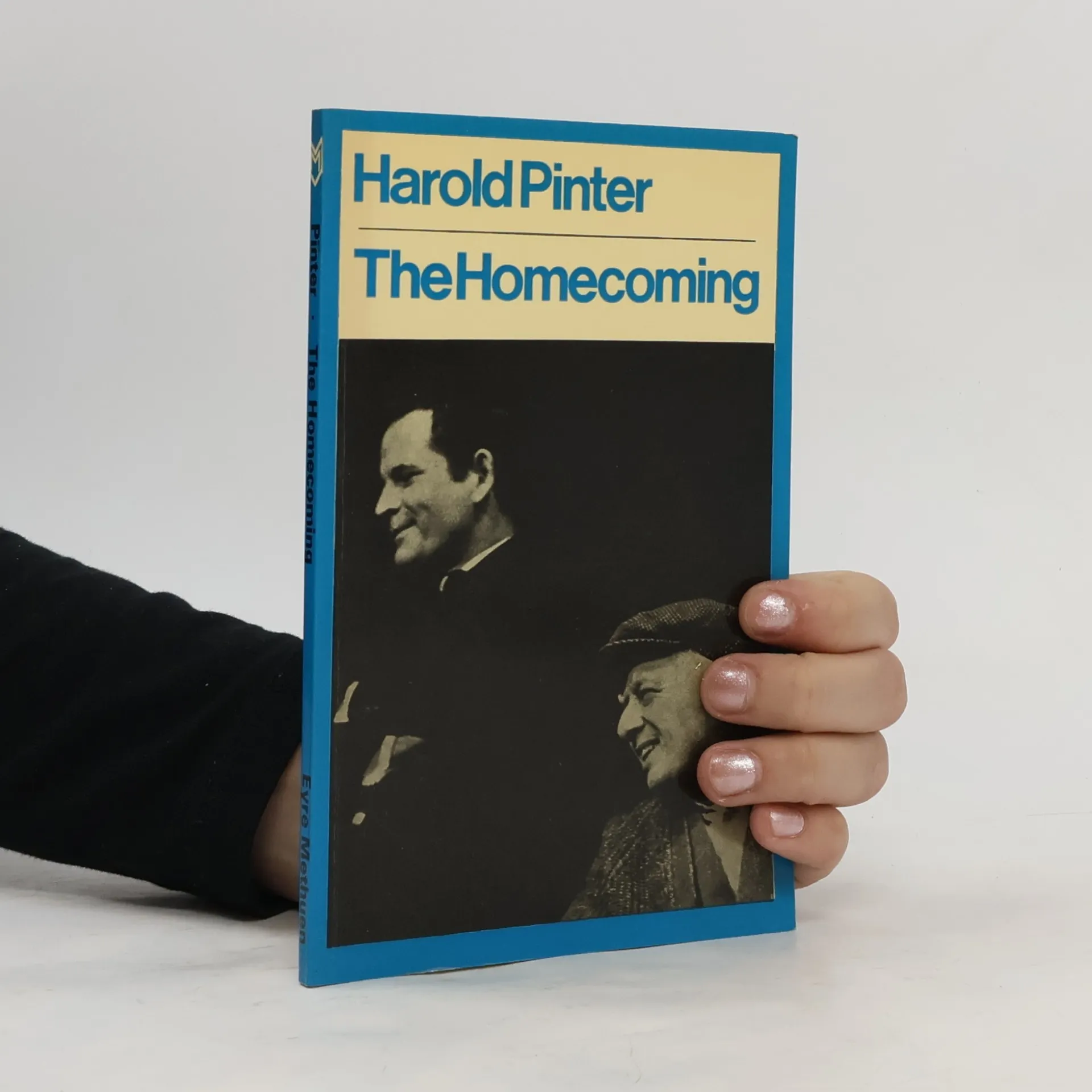
Pinter Plays. 3
- 247 stránok
- 9 hodin čítania
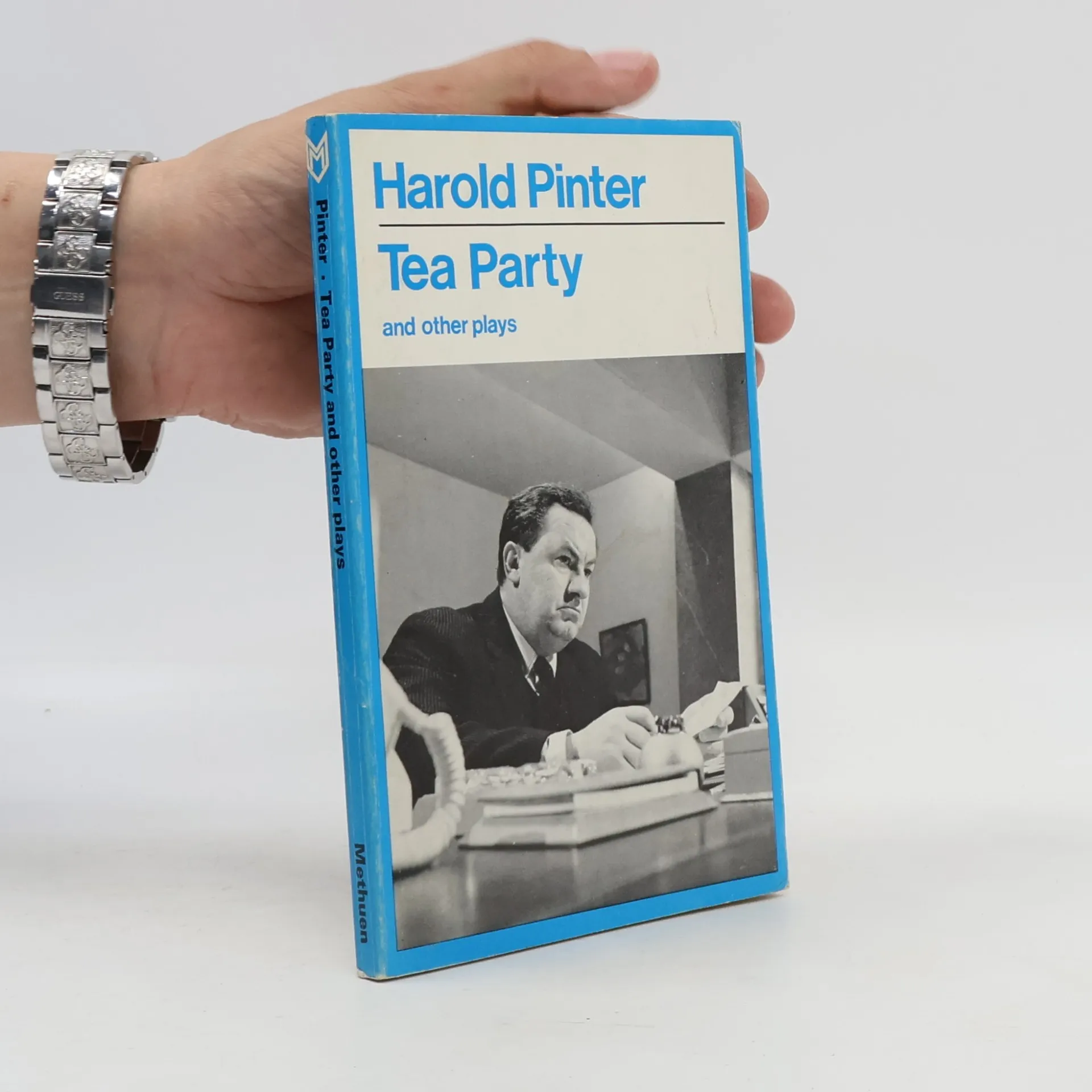
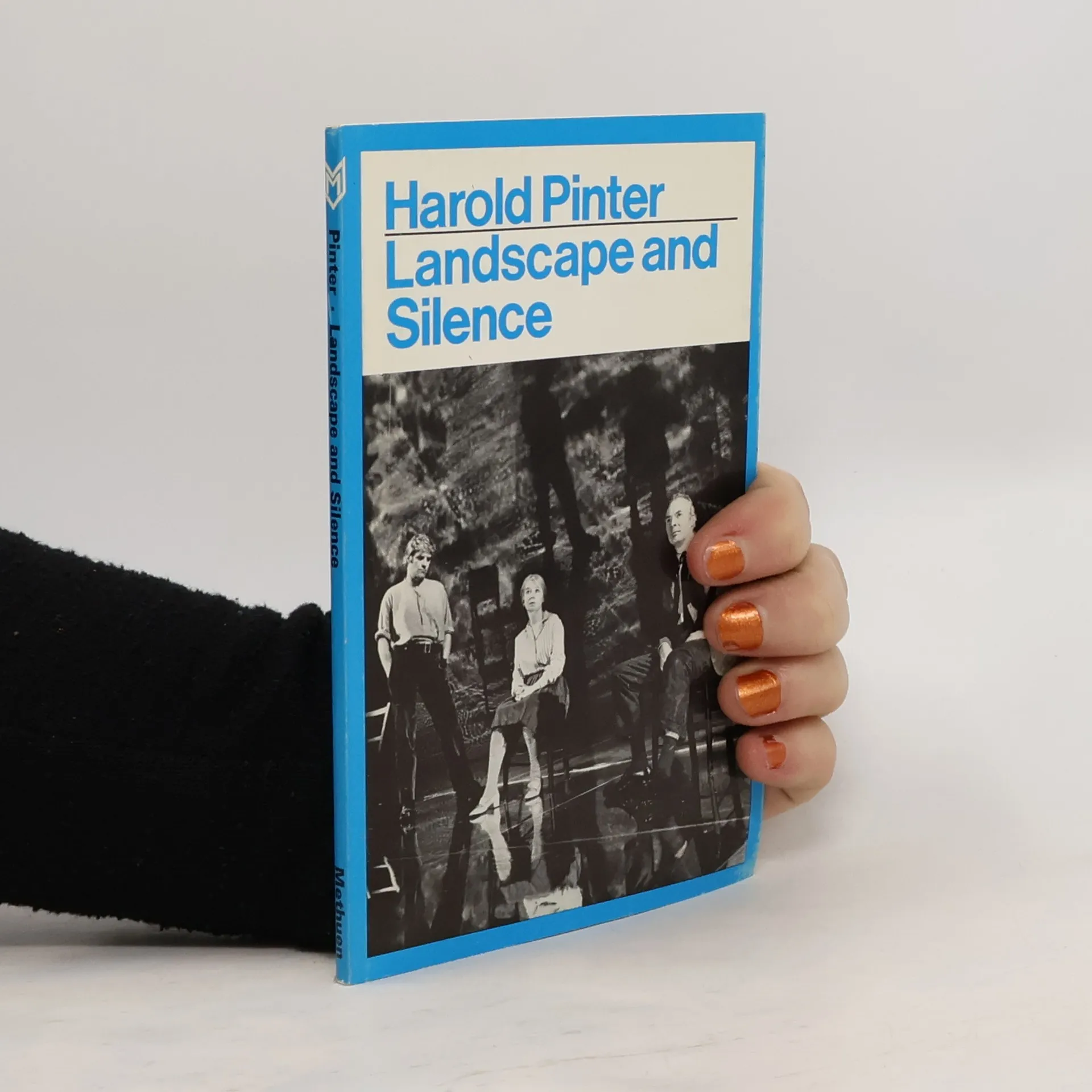
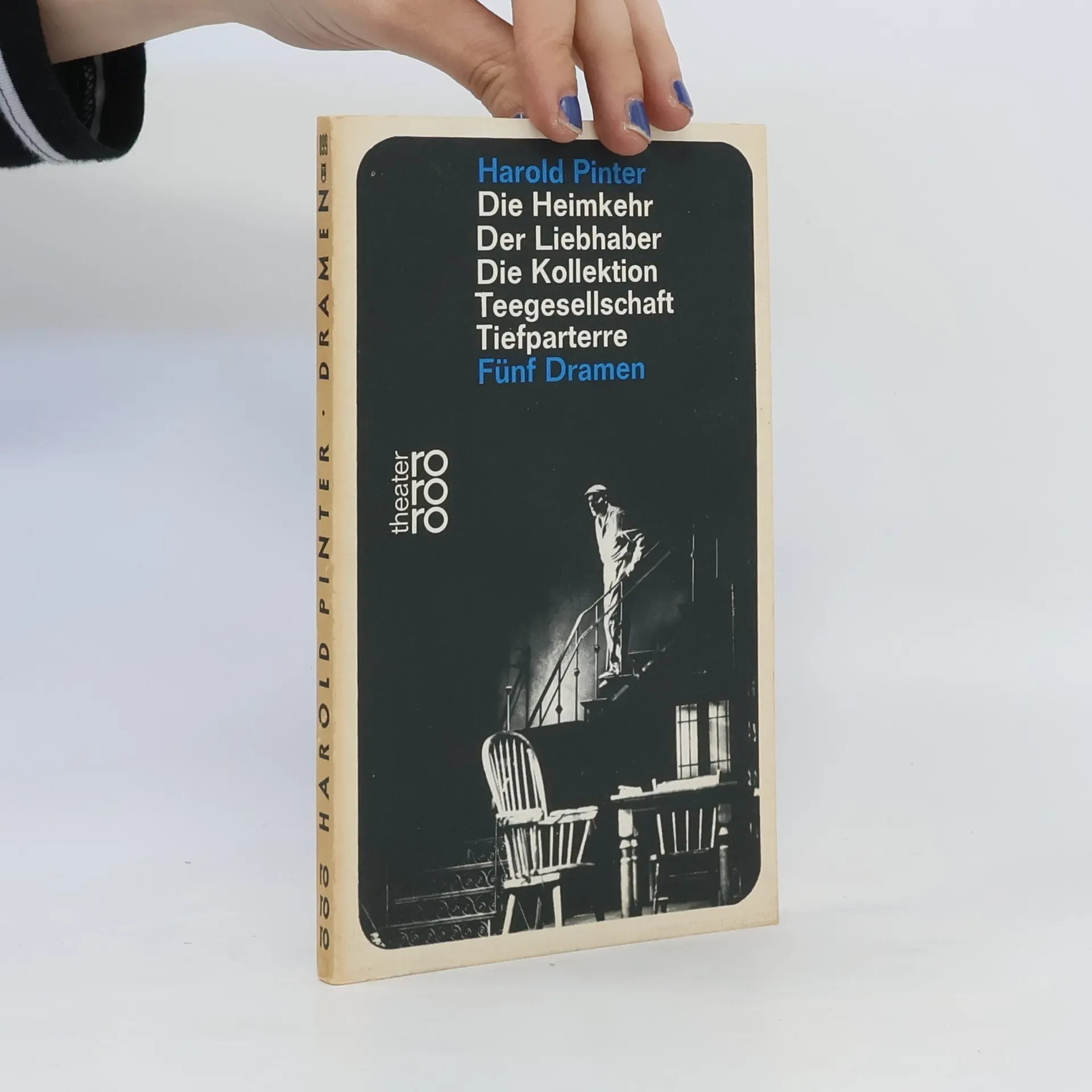
This volume contains The Homecoming and four shorter plays written during the same period: Tea Party, The Basement, Landscape, and Silence. Also included are six revue sketches and the short story version of Tea Party.
Harold Pinter Plays 2
- 238 stránok
- 9 hodin čítania
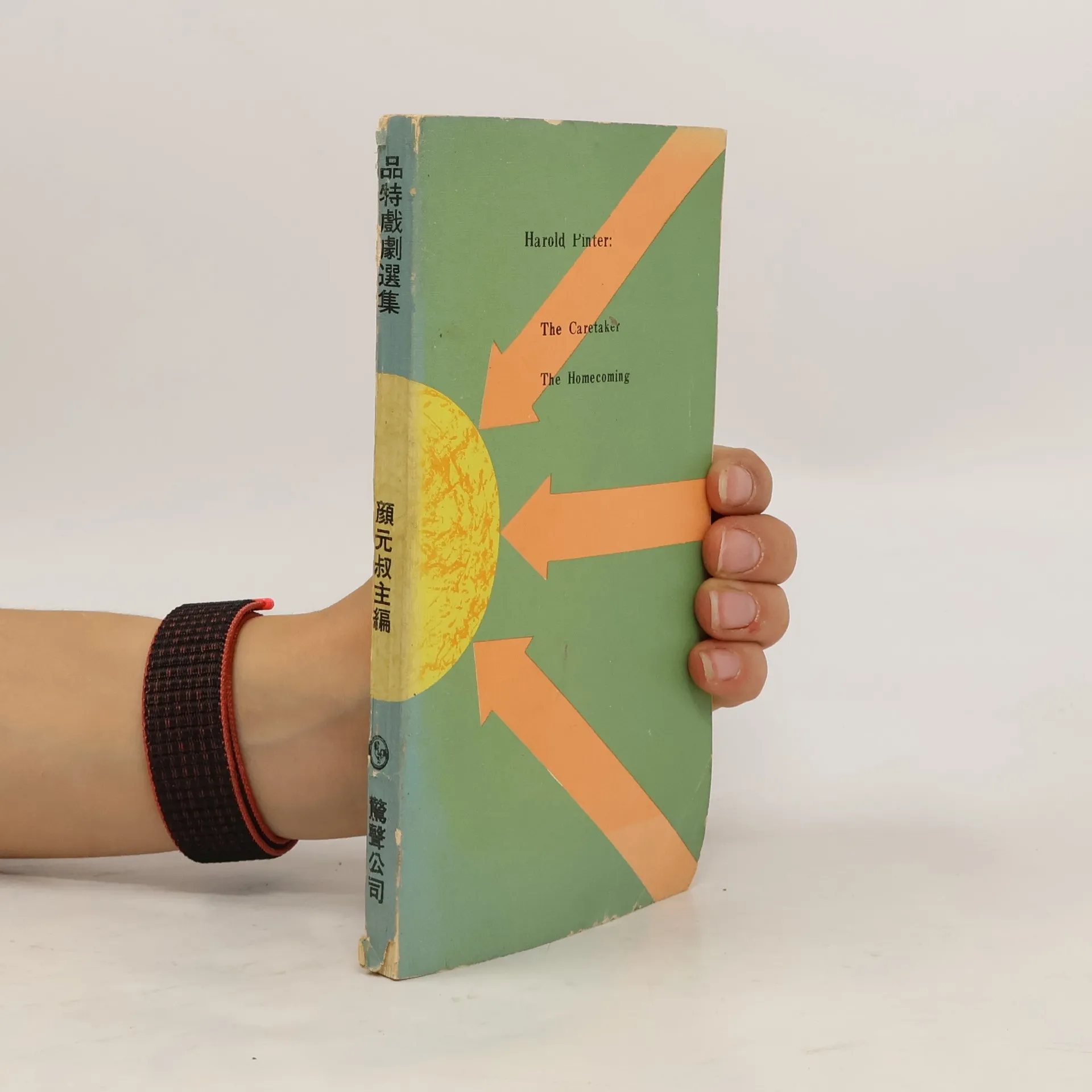
The second volume of Harold Pinter's collected work includes The Caretaker. The CaretakerIt was with this play that Harold Pinter had his first major success.
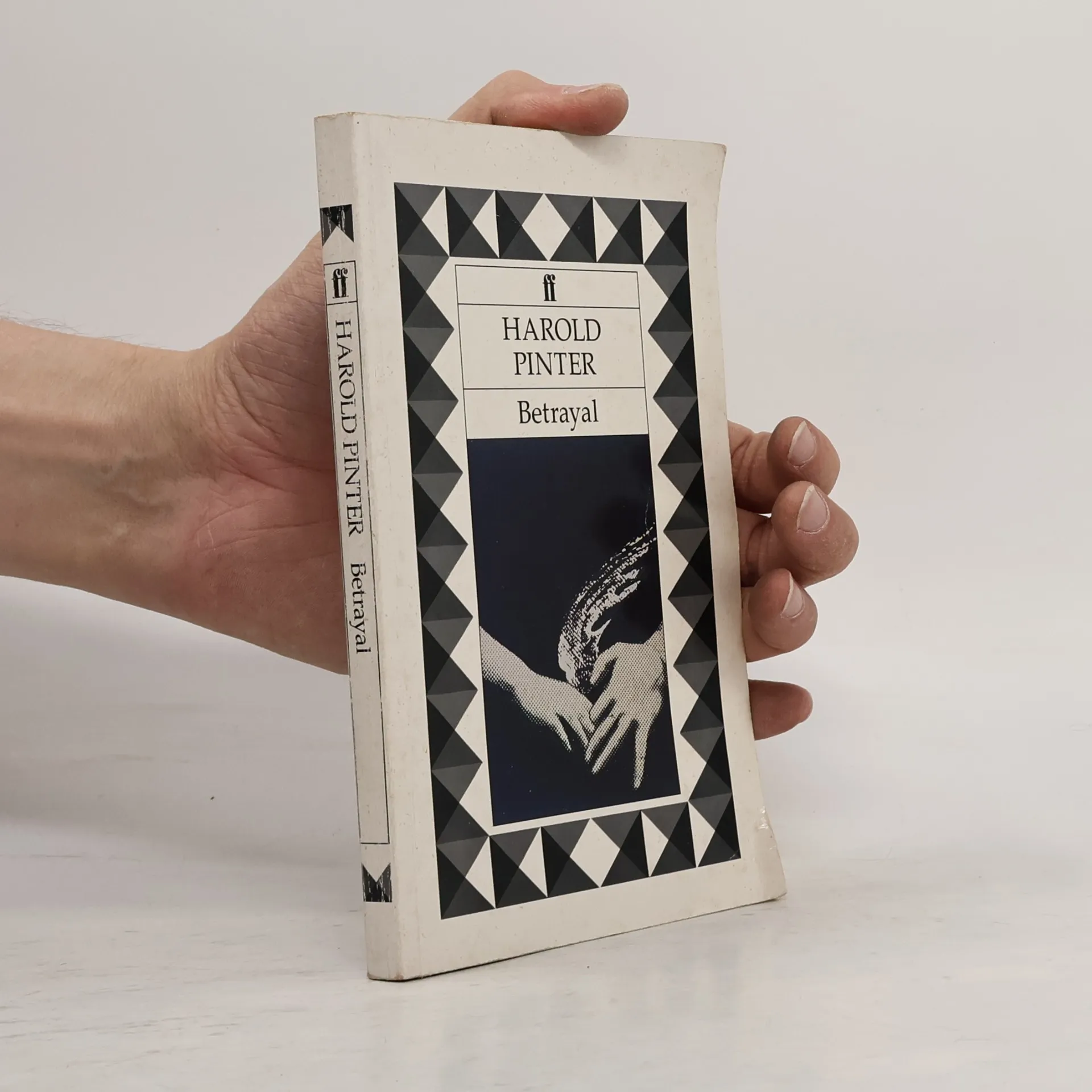
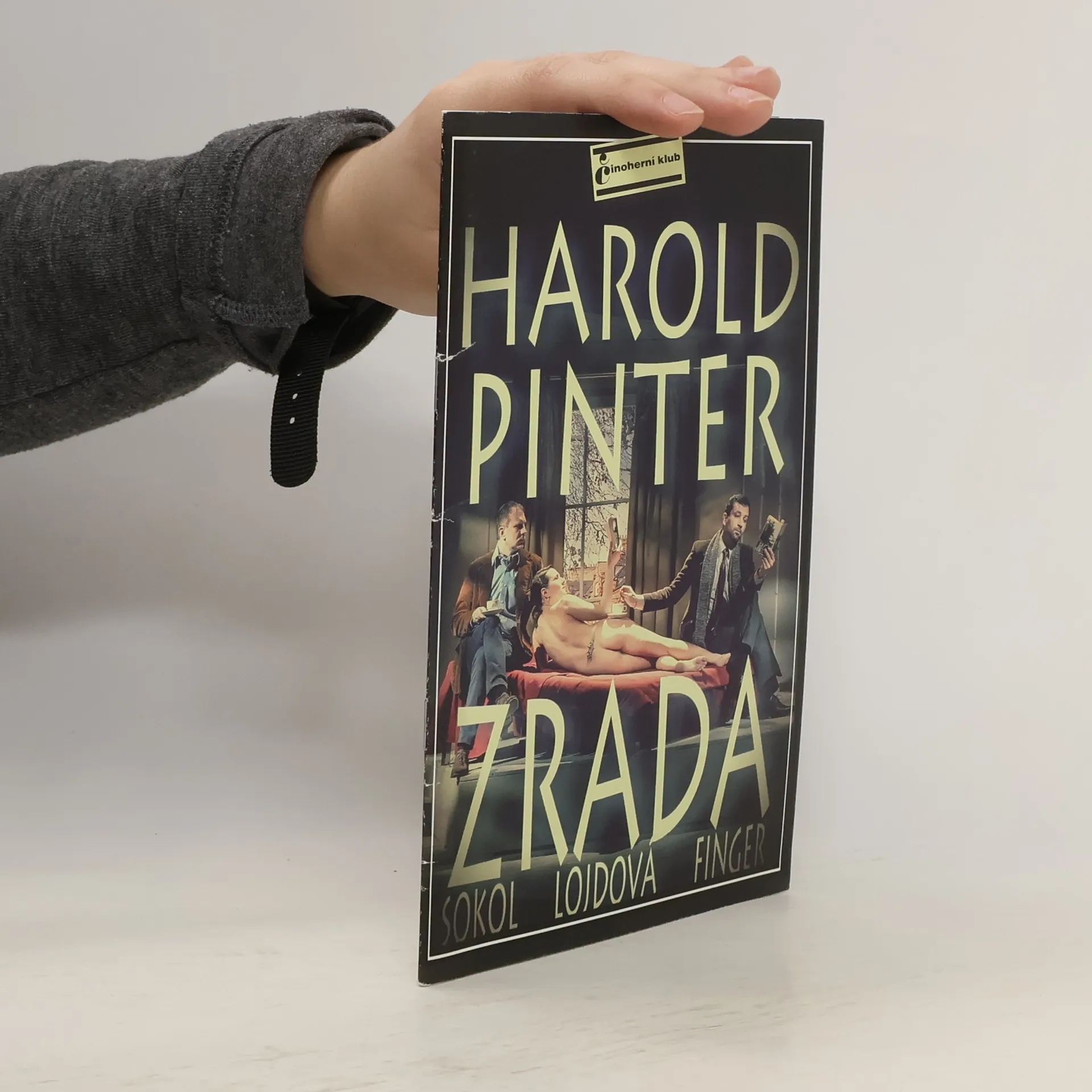
Betrayal is Pinter's latest full-length play since the enormous success of No Man's Land. The play begins in 1977, with a meeting between adulterous lovers, Emma and Jerry, two years after their affair has ended. During the nine scenes of the play, we move back in time, through the states of their affair, with the play ending in the house of Emma and Robert, her husband, who is Jerry's best friend.The classic dramatic scenario of the love triangle is manifest in a mediation on the themes of marital infidelity, duplicity, and self-deception. Pinter writes a world that simultaneously glorifies and debases love.
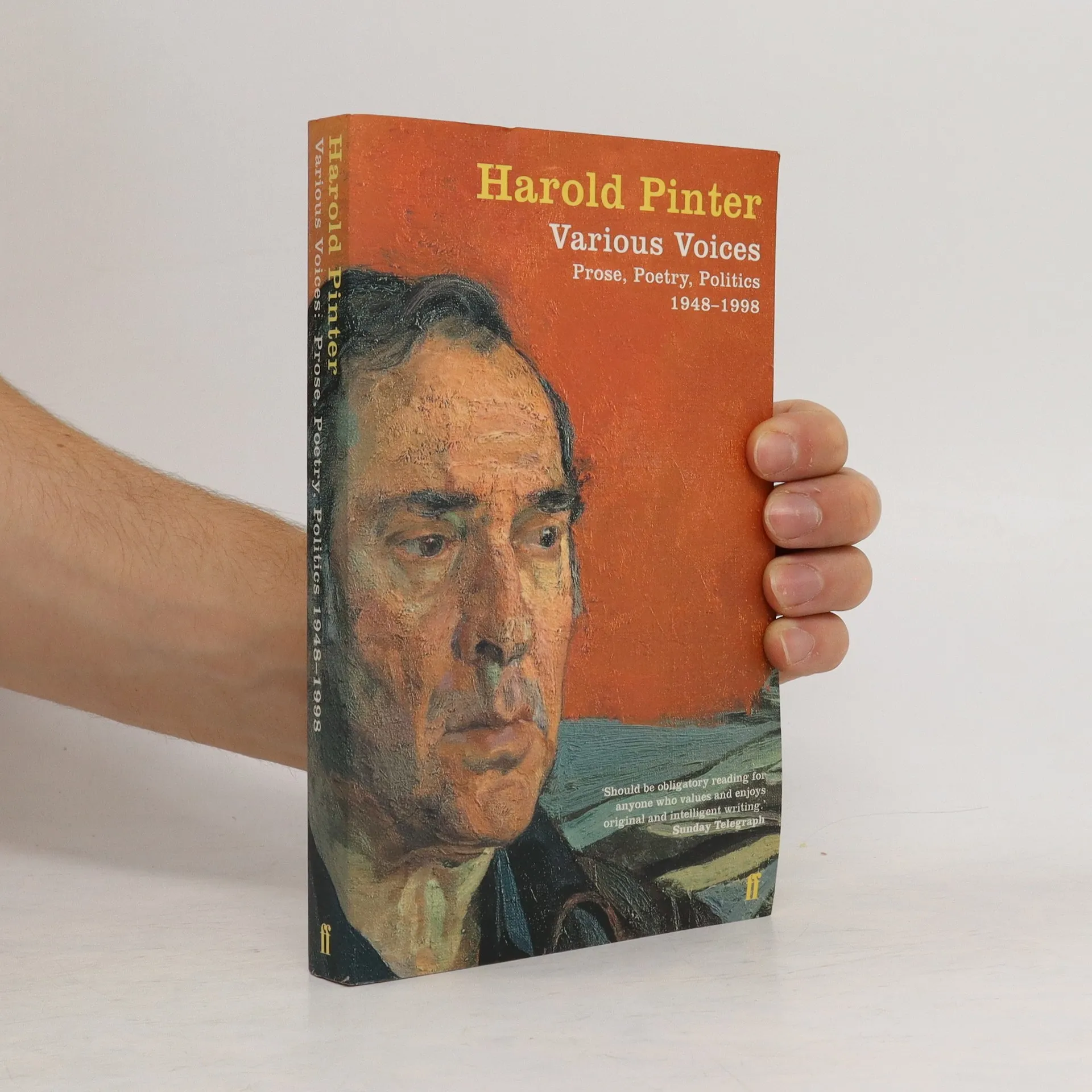
Various Voices
- 224 stránok
- 8 hodin čítania
Although best known for his plays, Harold Pinter has also written an extensive and wide-ranging body of other work since 1948; prose, prose fiction, poetry and political writings. In this anthology Pinter presents his own selection, among which are A Note on Shakespeare (1950), a paean to the cricketer Len Hutton (1969), the short stories Kullus (1949) and Girls (1995), the poetry from School Life (1948), and political pieces - including many letters to the press - on the United States, Cuba, Kurdistan and Nicaragua.
Dramatizes the conversation between an interrogator and his victims, a father, mother, and young son, and includes an interview with the playwright about the play's theme.
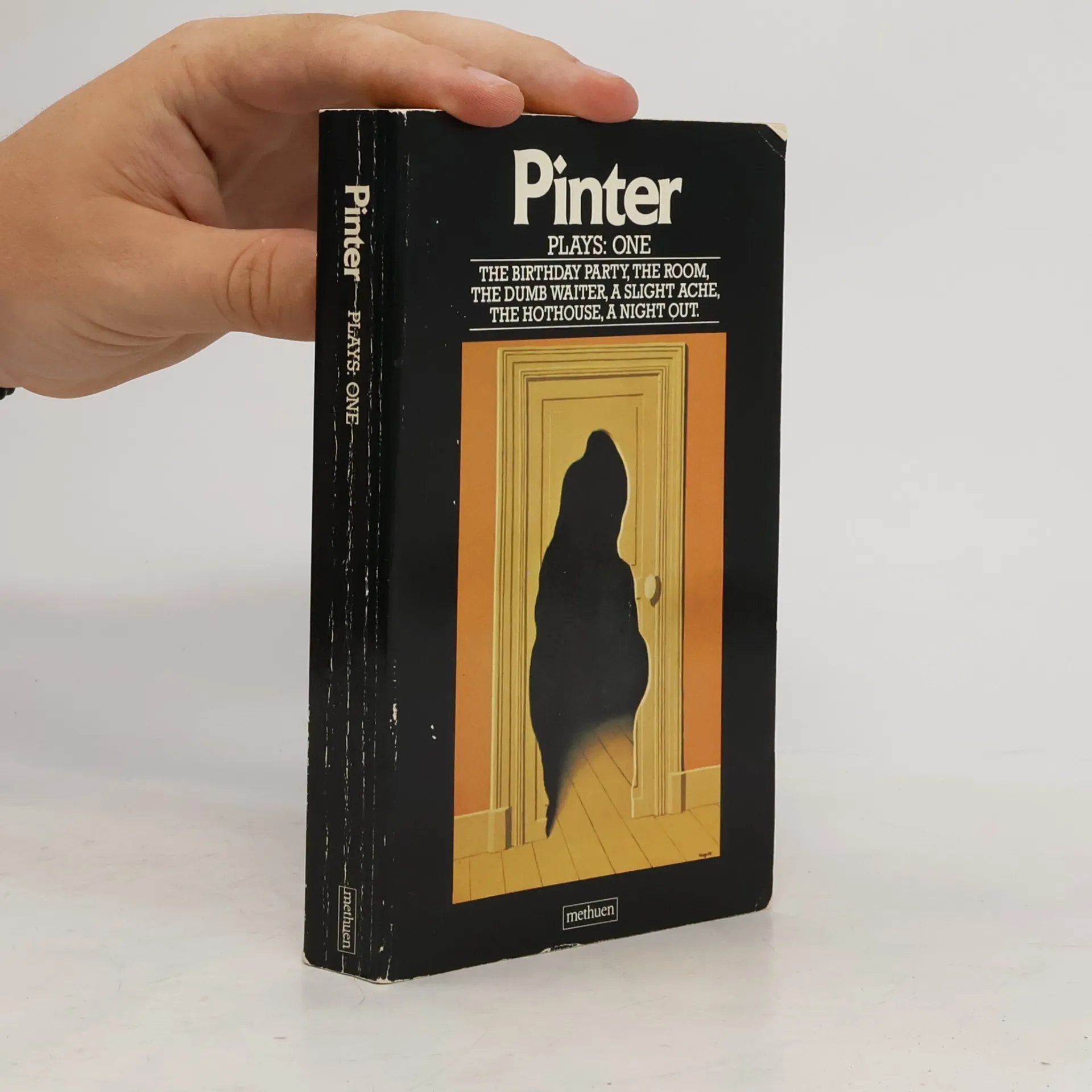
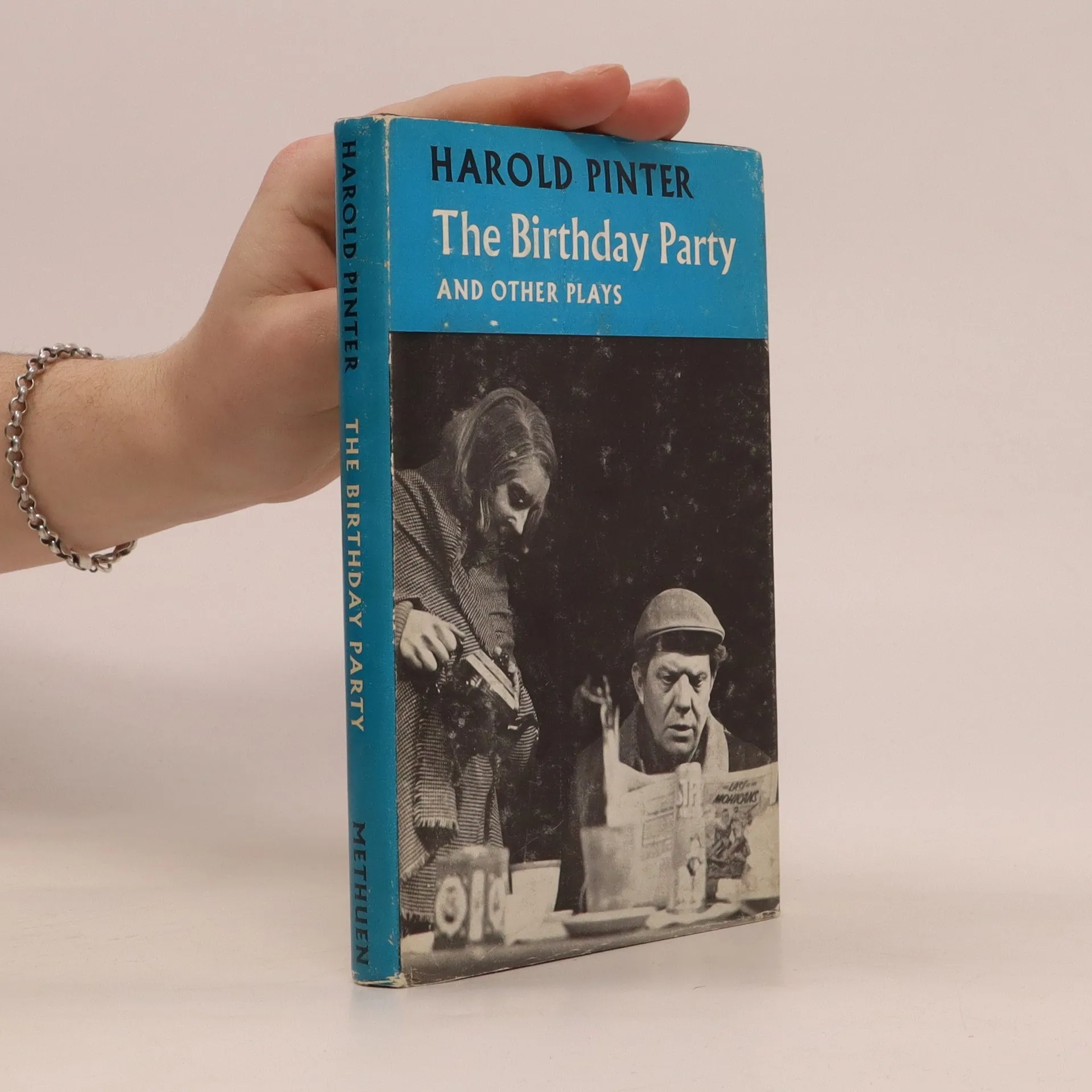
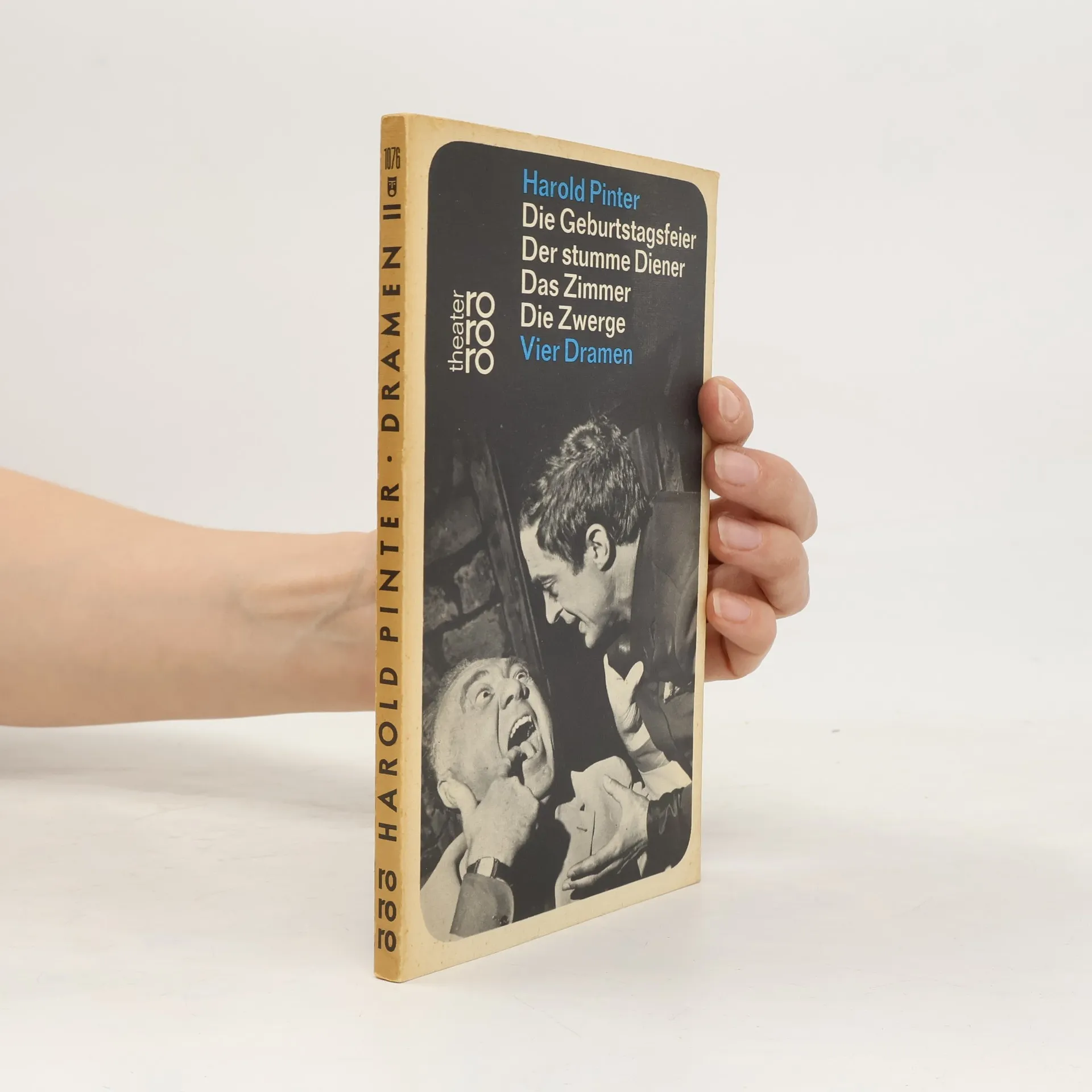
The Birthday Party, and The Room
- 120 stránok
- 5 hodin čítania
In "The Birthday Party", a musician becomes the victim of a ritual murder. Everyone implacably plays out the role assigned to them by fate. "The Room" becomes the scene of a visitation of fate when a blind Negro suddenly arrives to deliver a mysterious message.
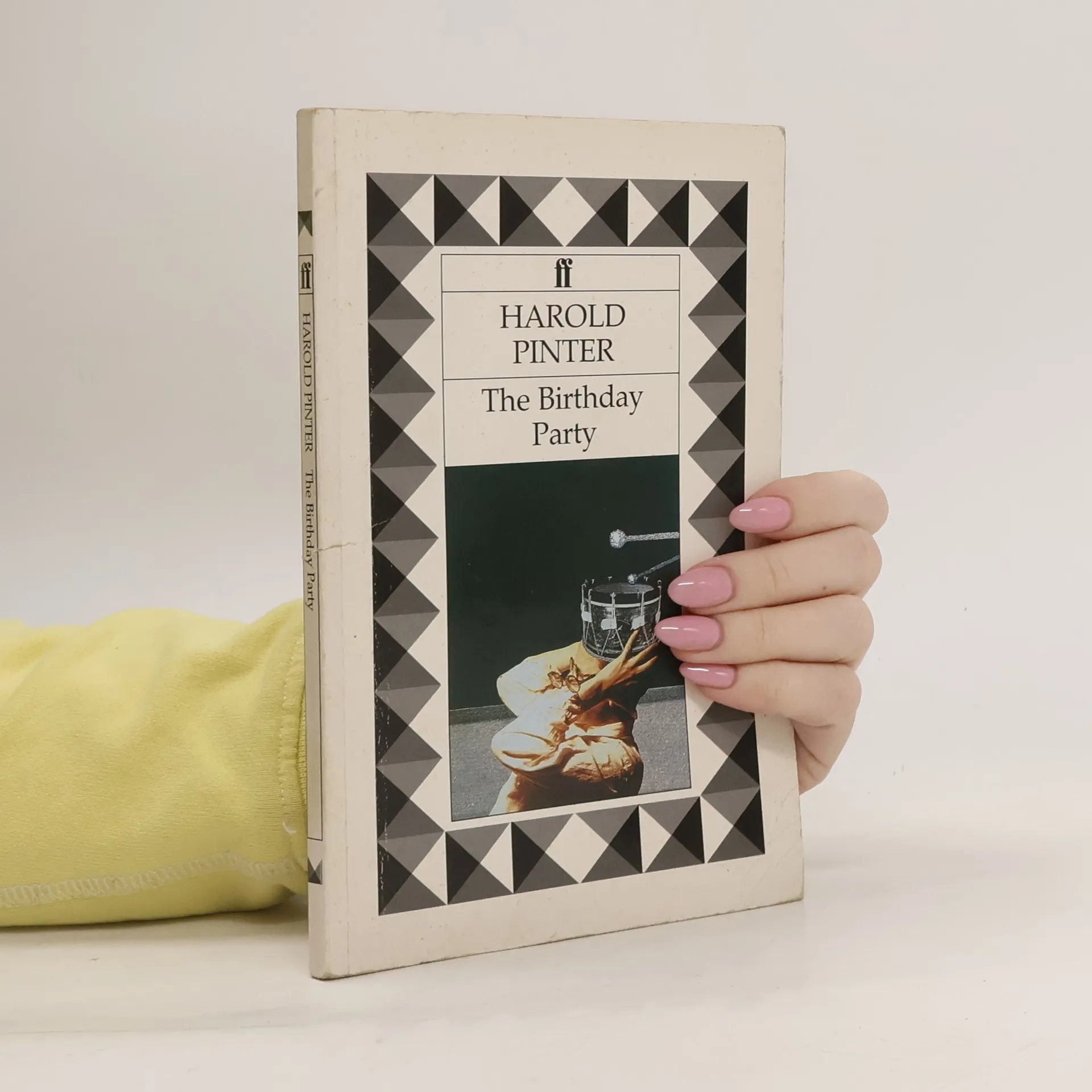
The Birthday Party
- 96 stránok
- 4 hodiny čítania
Stanley Webber is visited in his boarding house by strangers, Goldberg and McCann. An innocent-seeming birthday party for Stanley turns into a nightmare.The Birthday Party was first performed in 1958 and is now a modern classic. Produced and studied throughout the world.
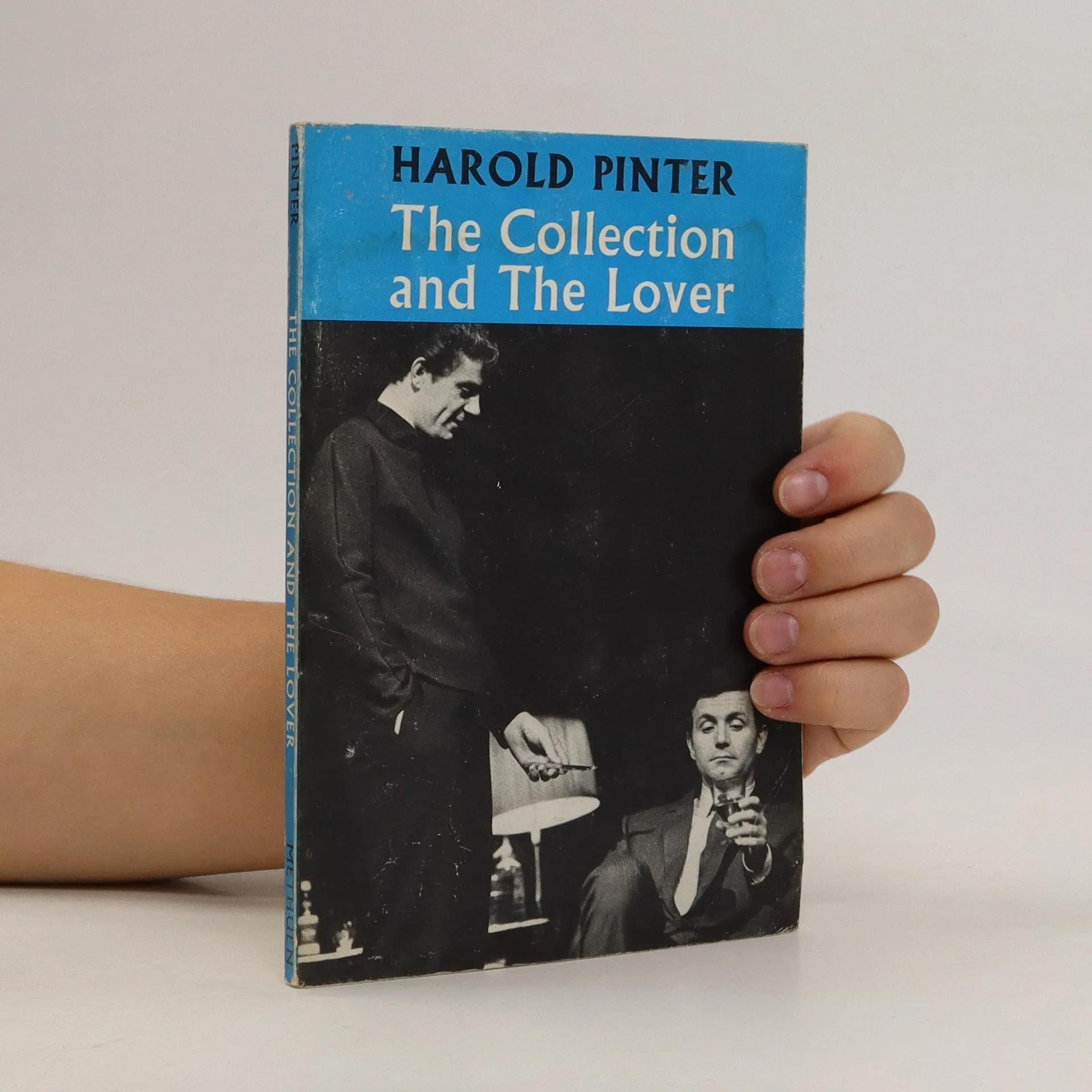
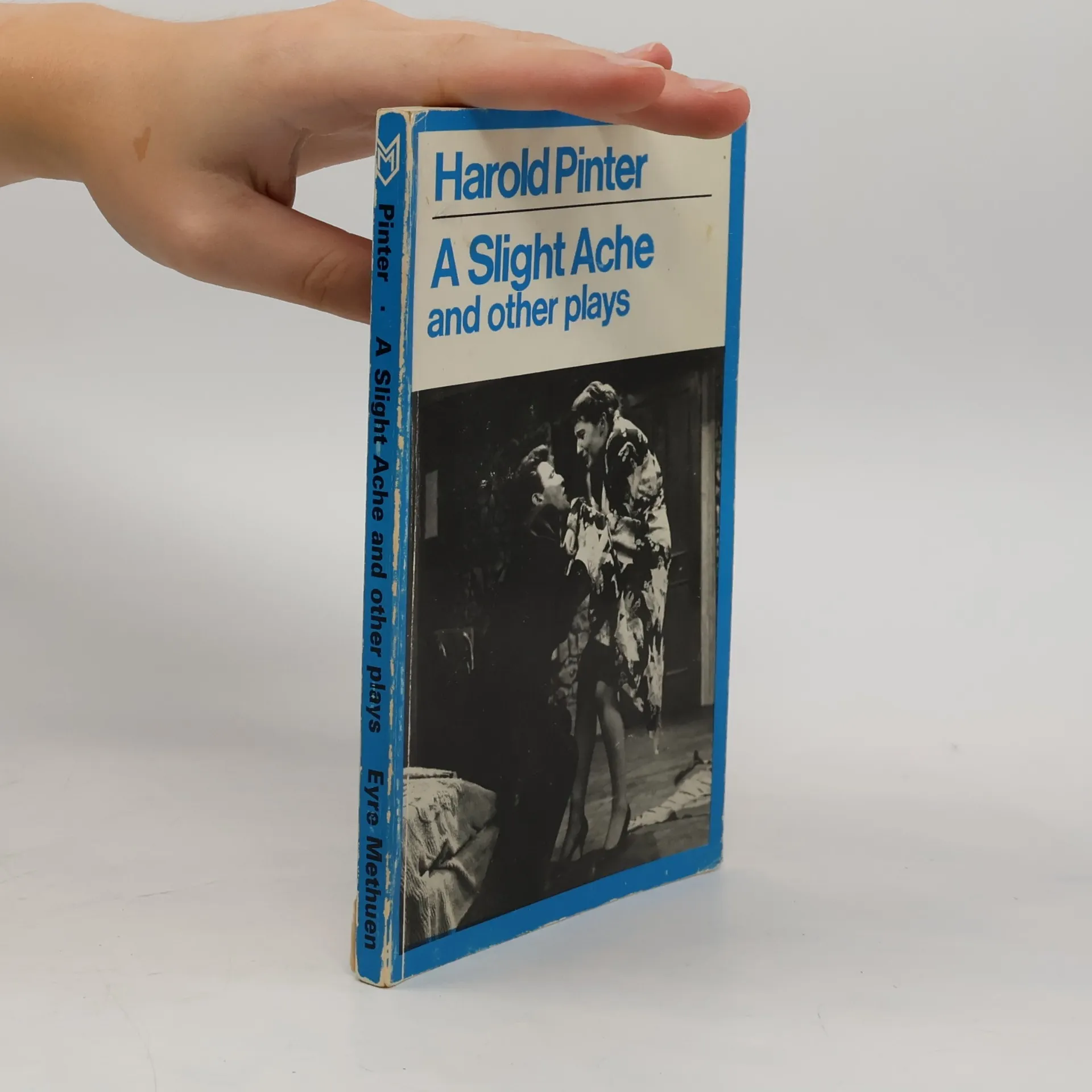
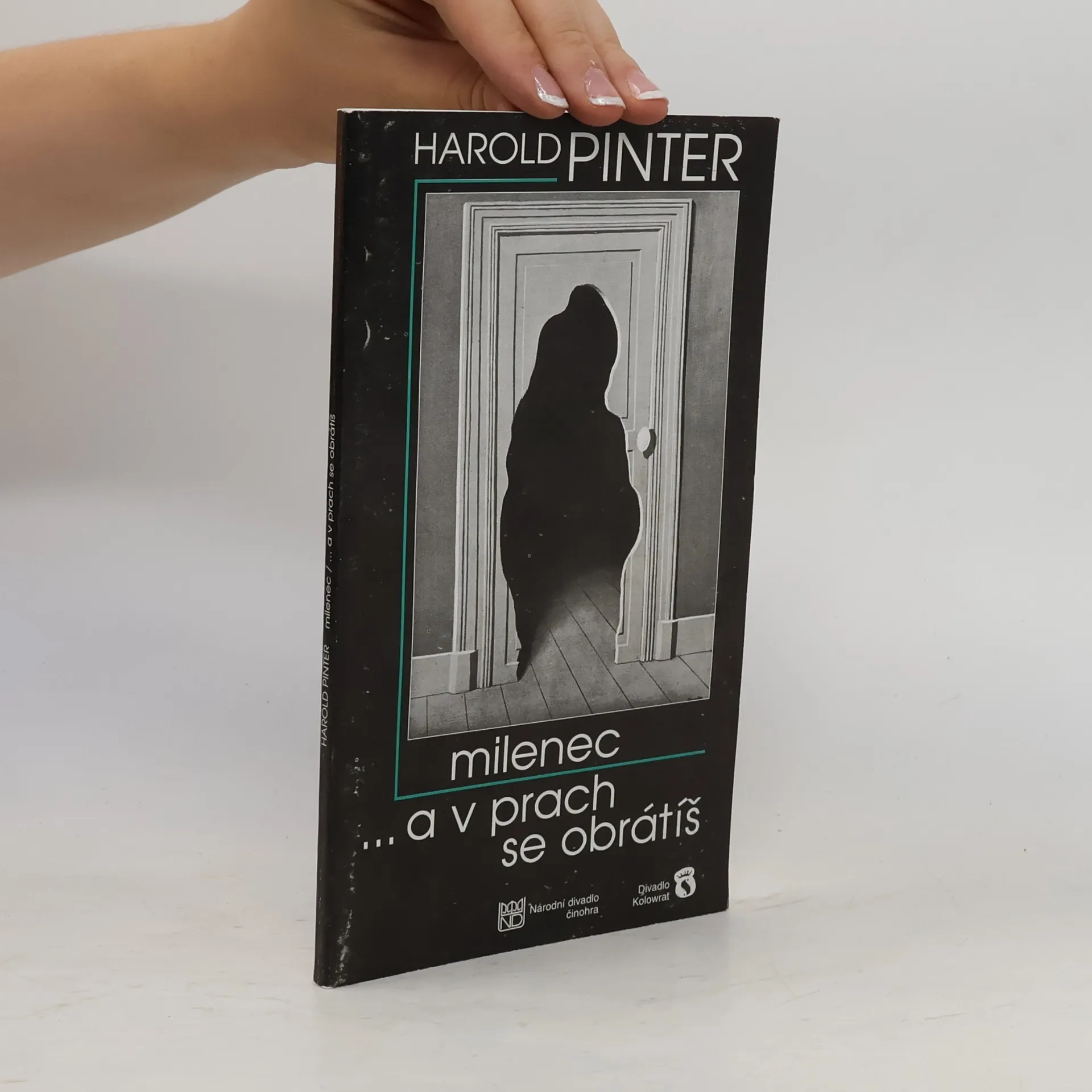
The Collection develops the themes of menace and lack of communication. The Lover is a one-act play for television, in which two characters play the double parts of wife-mistress and husband-lover. Also included is a short story, The Examination.
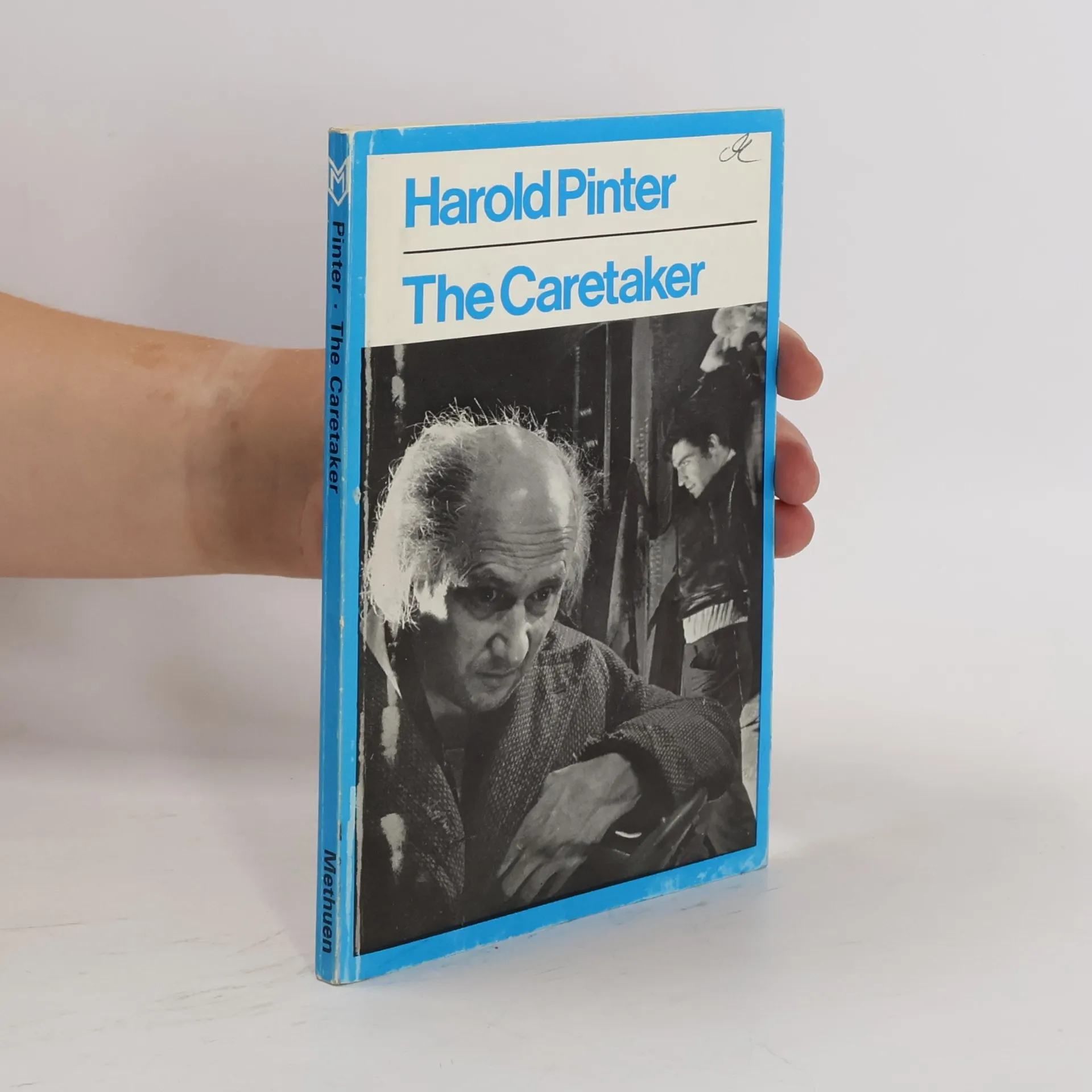
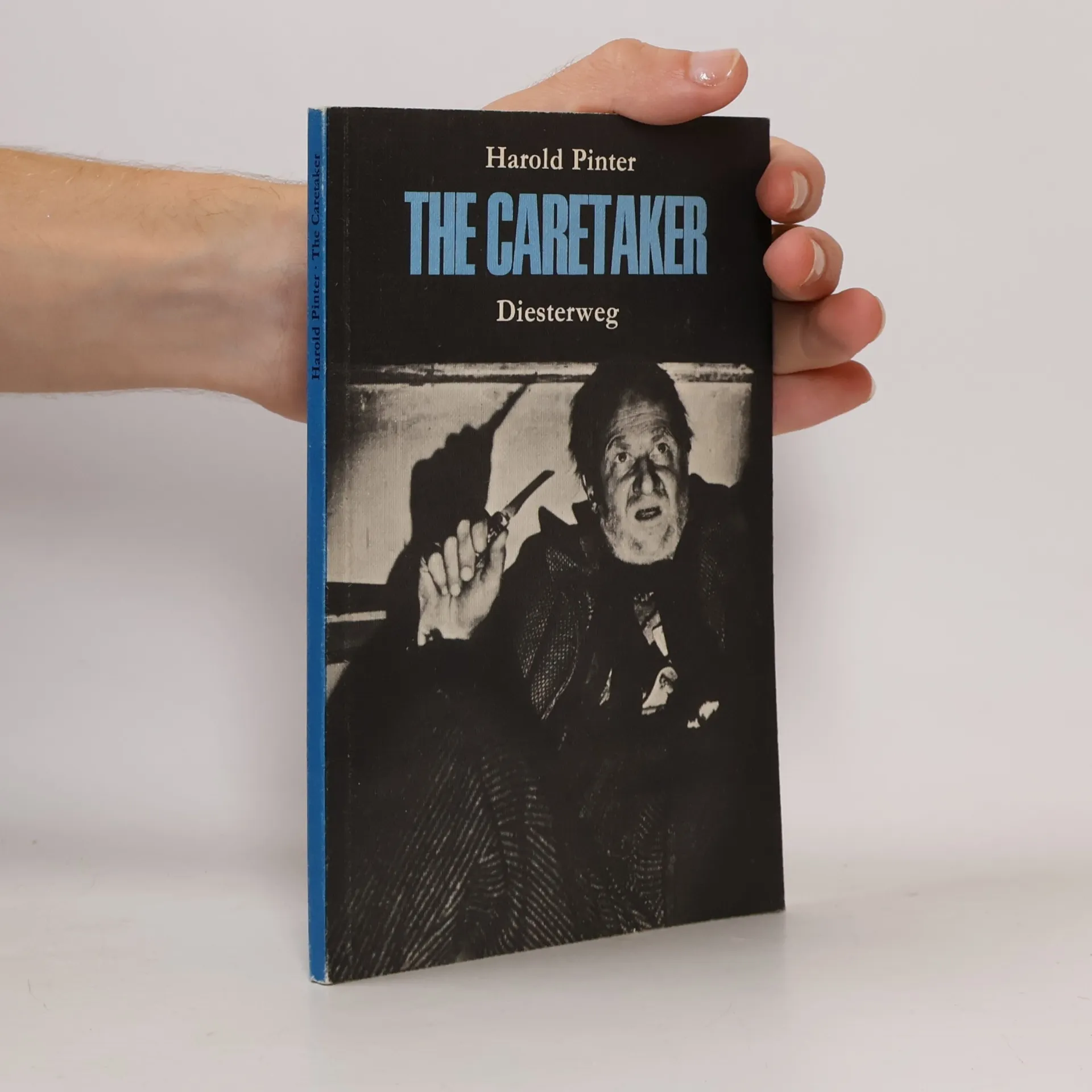
The Caretaker
- 78 stránok
- 3 hodiny čítania
This play was first performed in 1960. Harold Pinter specializes in the tragicomedy of the breakdown of communication, broadly in the tradition of the theatre of the absurds and this is demonstrated in both The Caretaker and The Birthday Party.
When Teddy, a professor in an American university, brings his wife Ruth to visit his old home in London, he finds his family still living in the house. In the conflict that follows, it is Ruth who becomes the focus of the family's struggle for supremacy.
Experimental novel which pre-dates the author's plays, telling of young working men and women in 1950s East London.
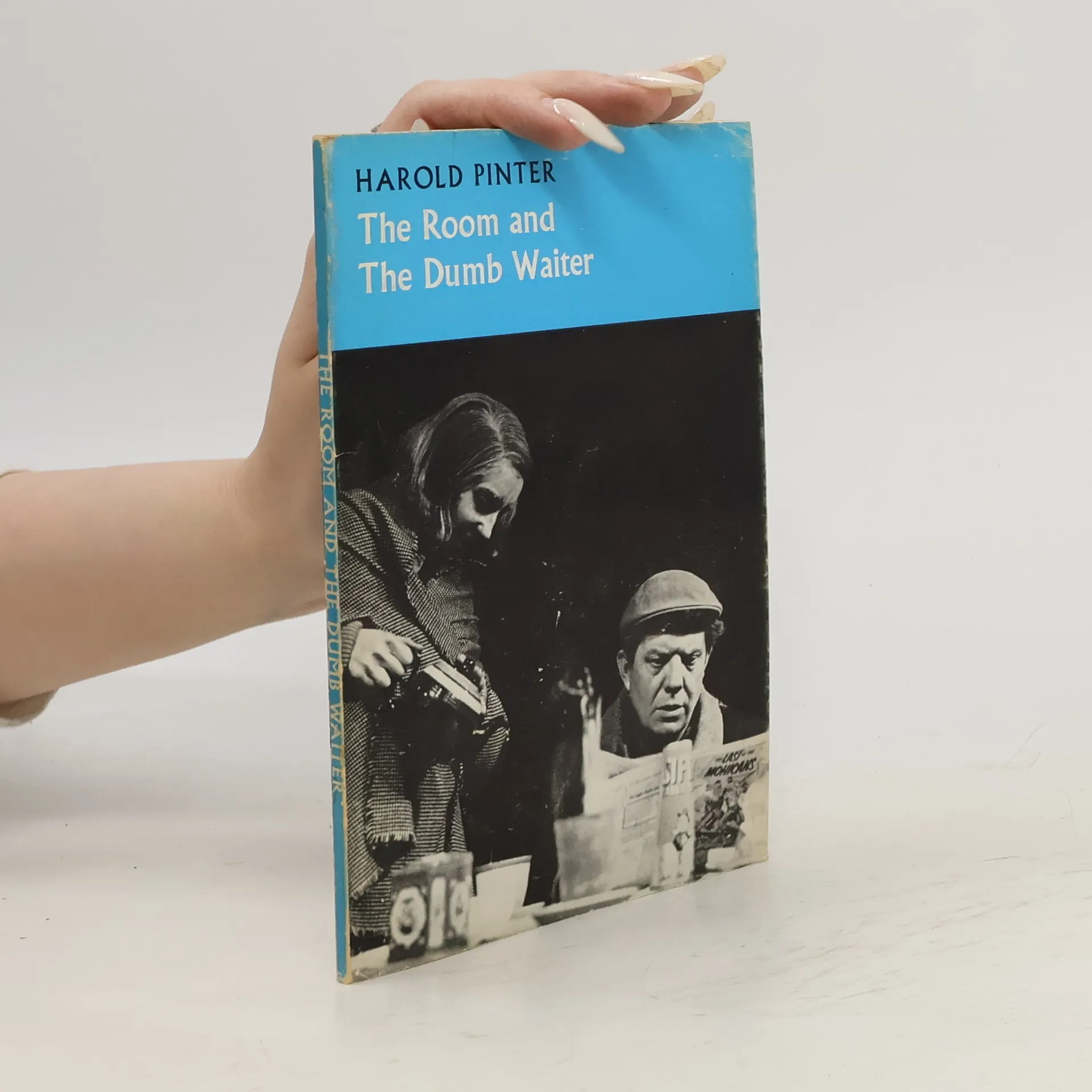
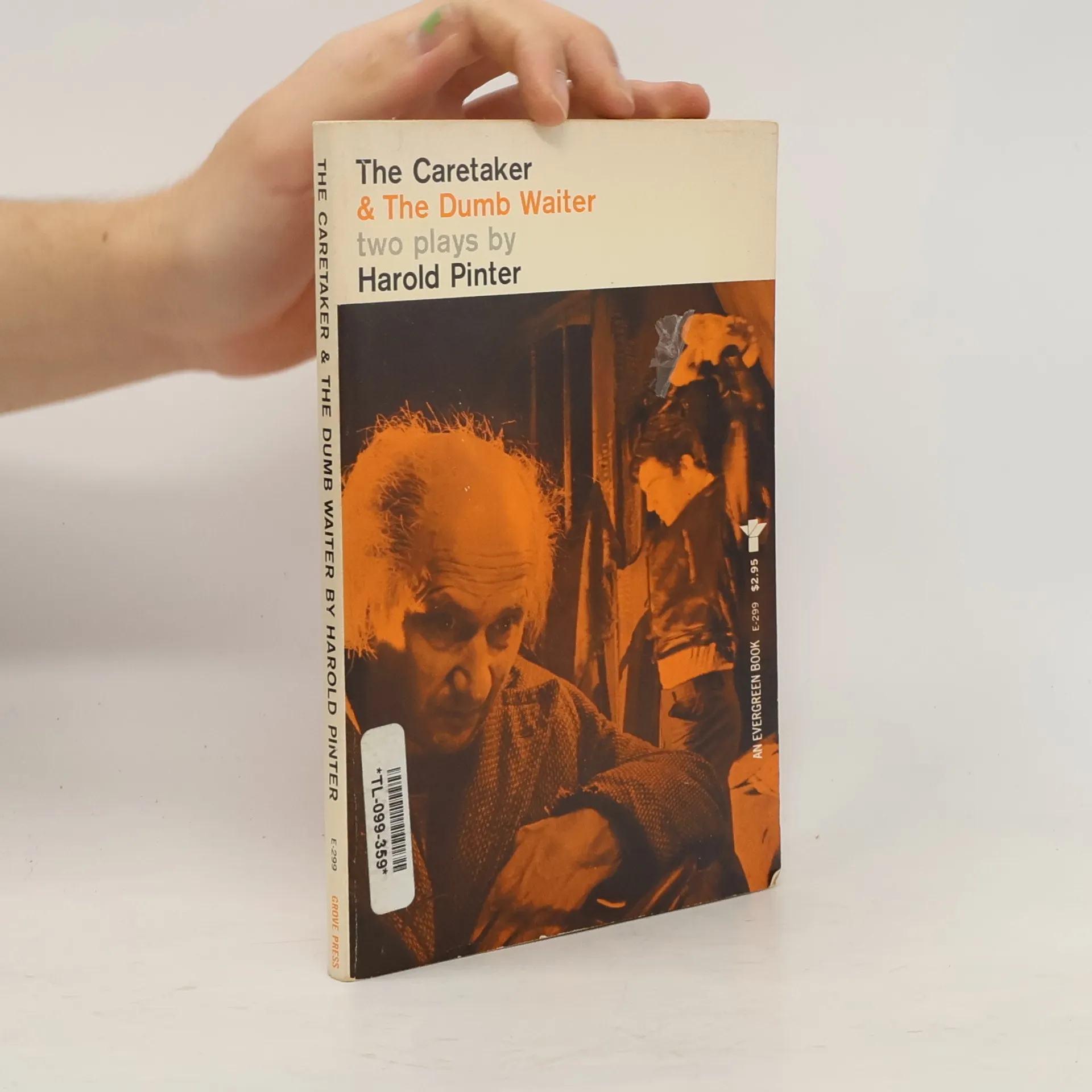
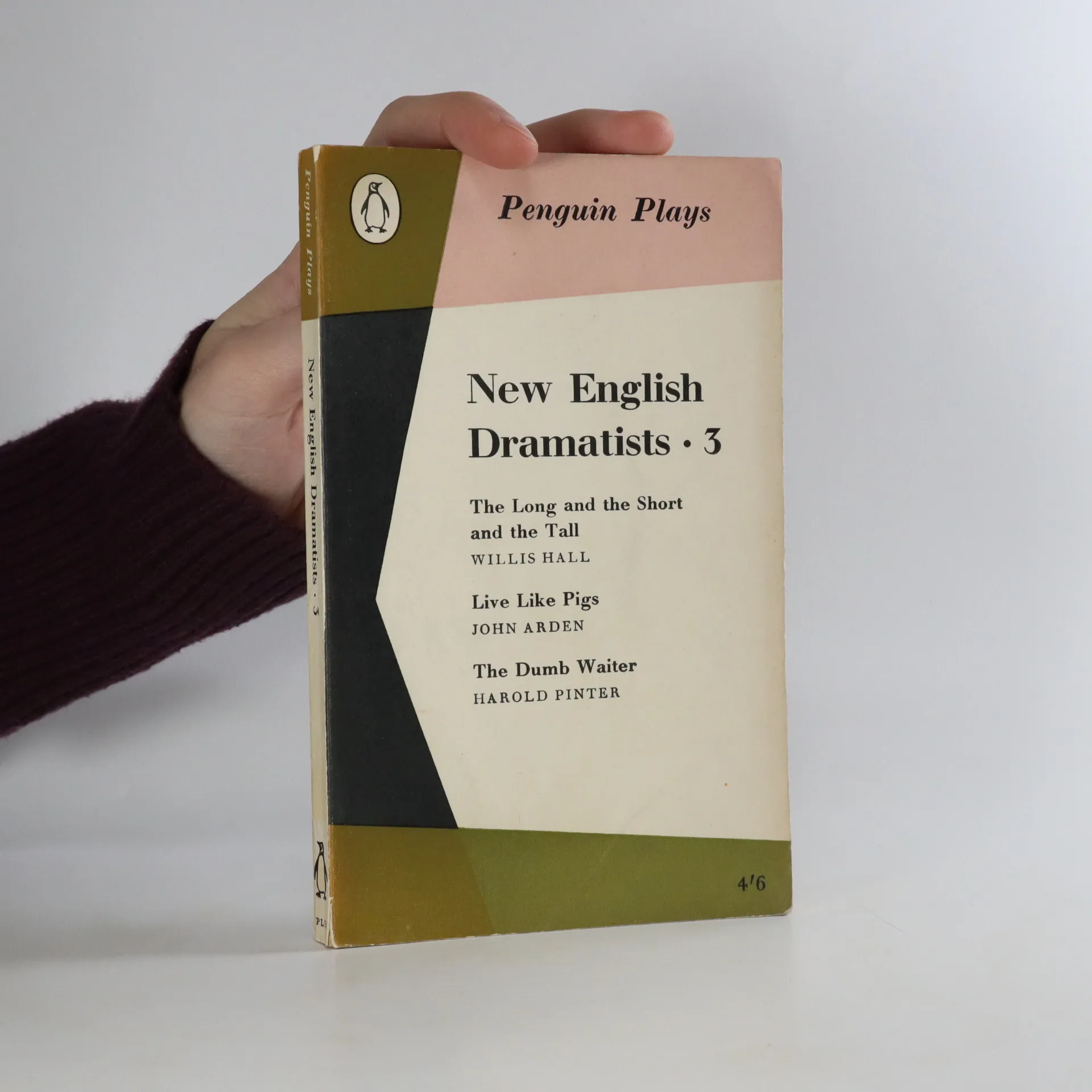
The Caretaker and the Dumb Waiter
- 121 stránok
- 5 hodin čítania
Jacket In all of Pinter's plays, seemingly ordinary events become charged with profound, if elusive, meaning, haunting pathos, and wild comedy. In The Caretaker, a tramp finds lodging in the derelict house of two brothers; in The Dumbwaiter, a pair of gunmen wait for the kill in a decayed lodging house. Harold Pinter gradually exposes the inner strains and fear of his characters, alternating hilarity and character to create and almost unbearable edge of tension.
Moderne One-act Plays
- 127 stránok
- 5 hodin čítania
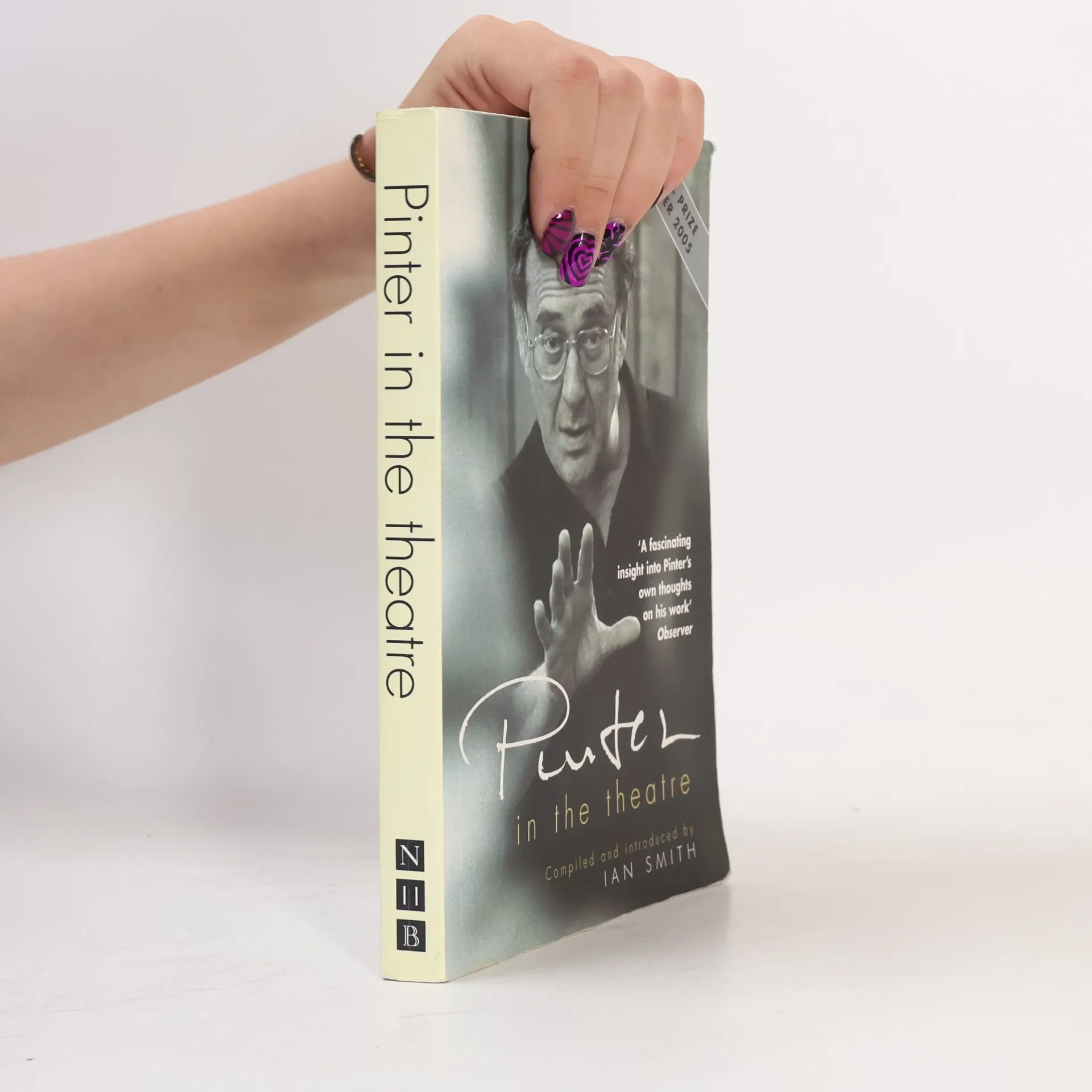
Pinter in the Theatre
- 240 stránok
- 9 hodin čítania
Eight actors and directors who have worked with Harold Pinter in the theater talk candidly about what it is like to appear in a Pinter play, to direct a Pinter play, to be directed by Pinter, to work alongside Pinter as an actor. Also includes interviews with Pinter himself, ranging from the earliest-ever in 1960 to an extensive 1996 interview.
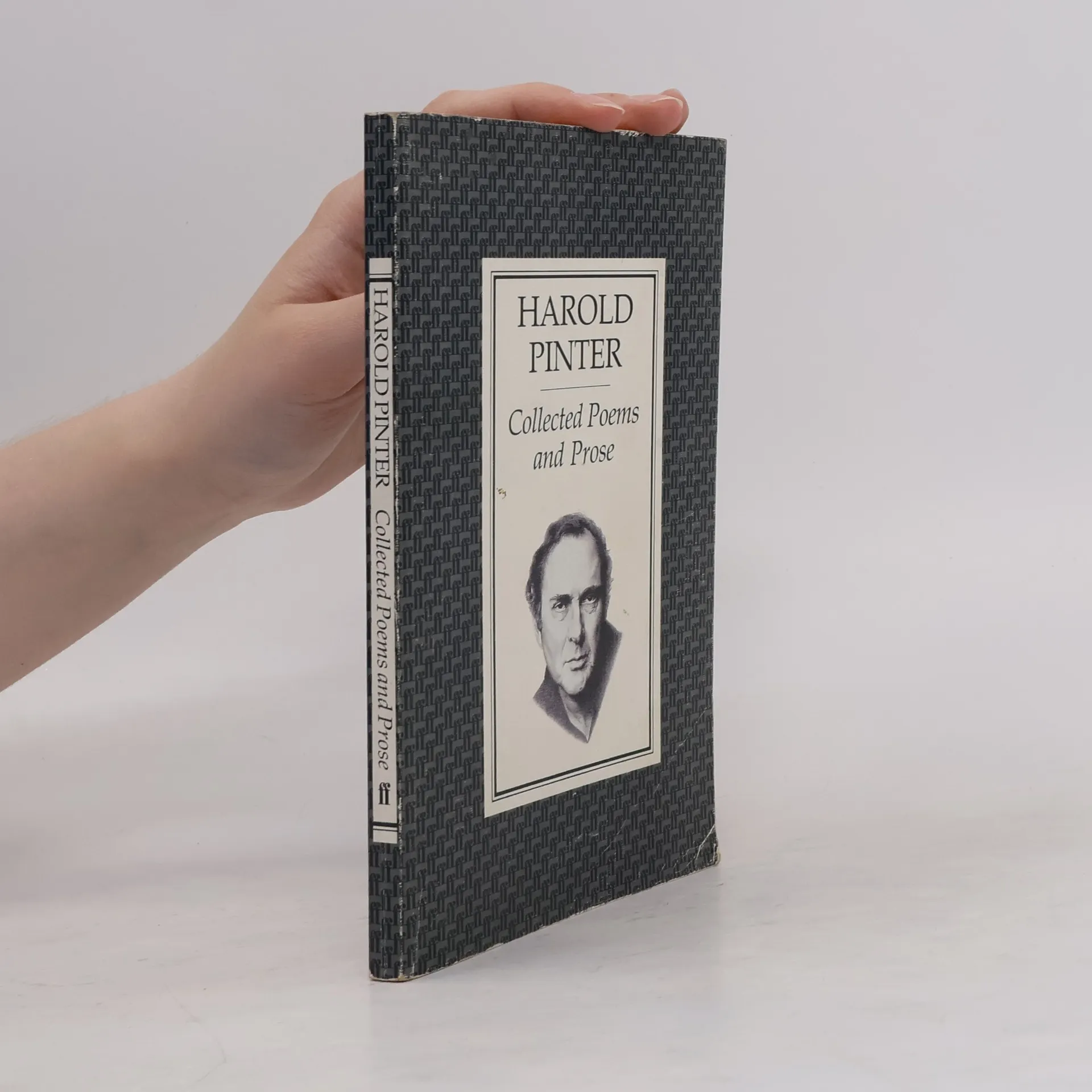
Collected Poems and Prose
- 128 stránok
- 5 hodin čítania
Collected Poems and Prose
Fremdsprachentexte: Old Times
- 78 stránok
- 3 hodiny čítania
1986 Broschiert Reclam,
Complete Works: Two
- 248 stránok
- 9 hodin čítania
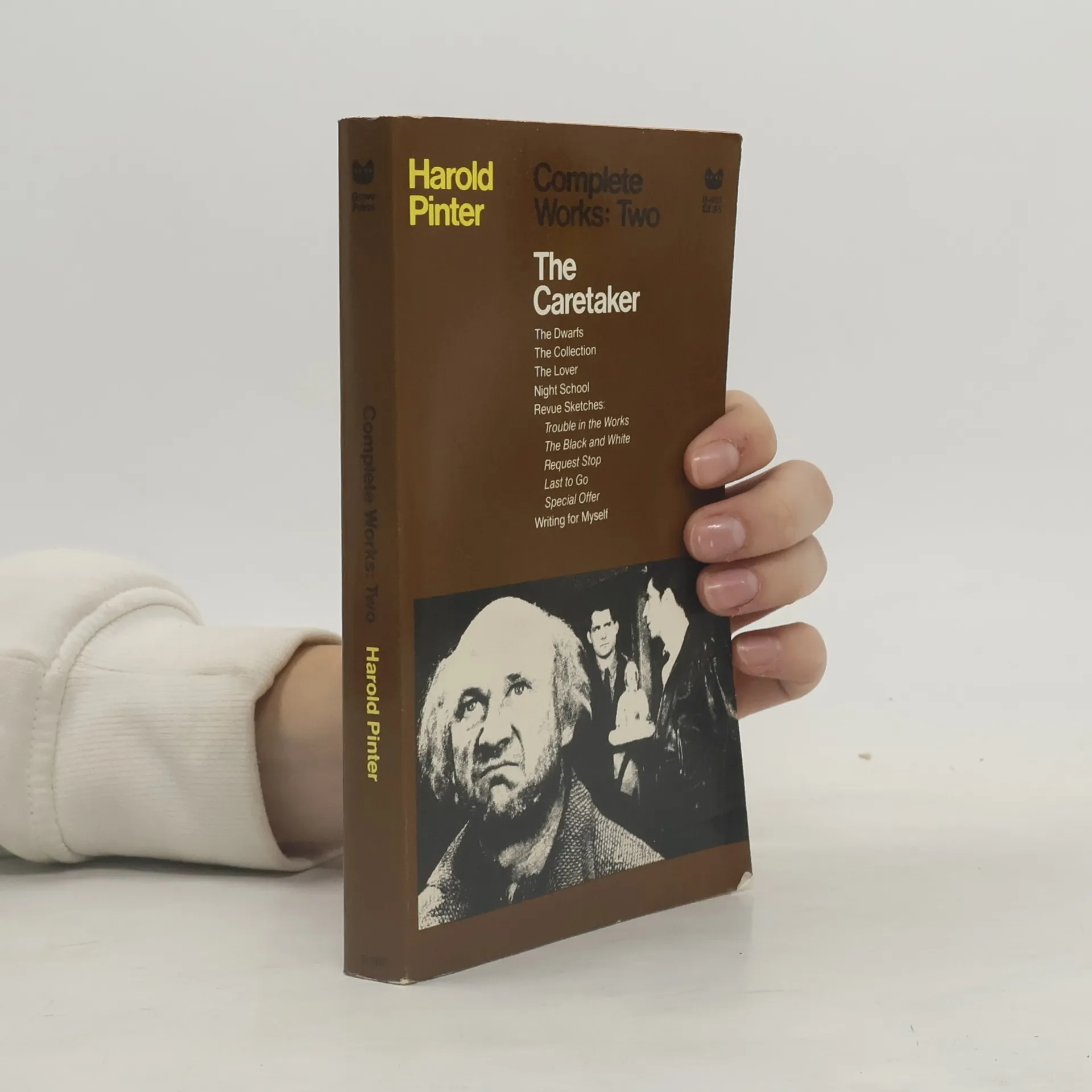
Along with Samuel Beckett and Eugene Ionesco, Harold Pinter holds an undisputed place in the front ranks of contemporary dramatists. In volume two of his collected works, the plays and revue sketches mark a period of transition, as Pinter's characters and settings become more recognizably realistic, in contrast to the absurdist atmosphere of his earlier work. The Caretaker, which first brought him fame on both sides of the Atlantic, was called "a play of strangely compelling beauty and passion" by Howard Taubman of The New York Times. An essay by Pinter, Writing for Myself, introduces this collection.
Teatro. Volume primo. Il compleanno - La stanza - Il calapranzi - La serra - Il guardiano
- 267 stránok
- 10 hodin čítania
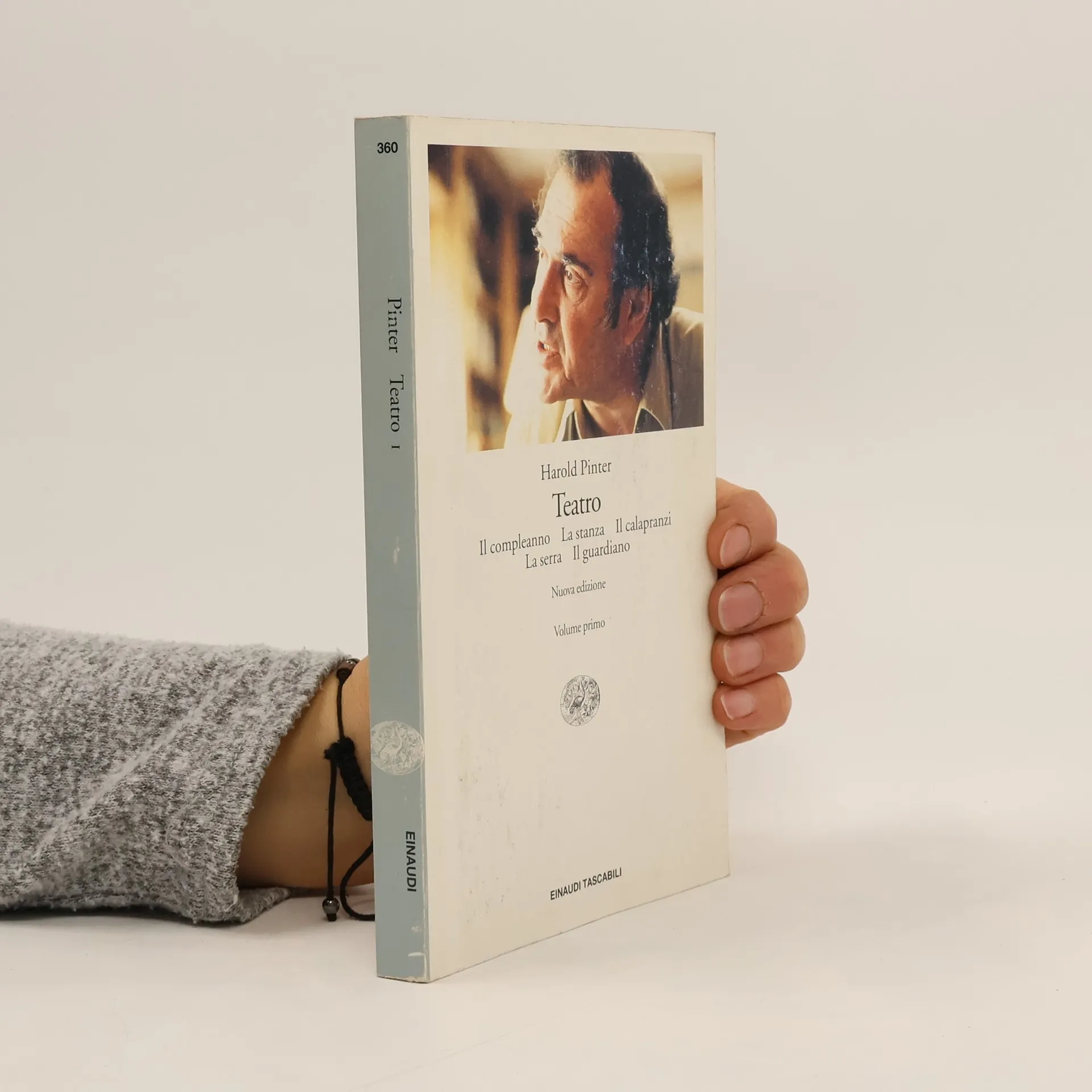
Le prime rappresentazioni delle opere di Harold Pinter furono letteralmente stroncate da quasi tutta la critica. Si scrisse che era un autore eccentrico, inaccettabile, incomprensibile, che non aveva nulla da dire. Oggi è forse l'autore vivente piú rappresentato al mondo, ma come lui stesso tiene a sottolineare: «Adesso sono diventato comprensibile, accettabile, eppure le mie commedie sono sempre le stesse di allora. Non ho cambiato una sola battuta!» Nel primo volume sono raccolti i testi che hanno rivelato il drammaturgo inglese e ne hanno decretato poi il successo internazionale coronato dal Premio Nobel, in quanto erede e continuatore di maestri come Beckett, Genet e Ionesco; sono Il compleanno, La stanza, Il calapranzi, La serra e Il guardiano .
Le prime rappresentazioni delle opere di Harold Pinter furono letteralmente stroncate da quasi tutta la critica. Si scrisse che era un autore eccentrico, inaccettabile, incomprensibile, che non aveva nulla da dire. Oggi è forse l'autore vivente piú rappresentato al mondo, ma come lui stesso tiene a sottolineare: «Adesso sono diventato comprensibile, accettabile, eppure le mie commedie sono sempre le stesse di allora. Non ho cambiato una sola battuta!»Il secondo volume - che contiene anche alcuni «ritocchi» compiuti dallo stesso autore - comprende le commedie scritte tra il 1962 (The Lover) e il 1991 (Party Time). Dai capolavori della maturità, come Il ritorno a casa del 1964, e Terra di nessuno di dieci anni dopo, alle tragicommedie sulla «menzogna dell'amore» - L'amante, Vecchi tempi, Tradimenti - ai brevi drammi «politici» piú recenti - Il bicchiere della staffa, Il linguaggio della montagna, Party Time, in cui Pinter denuncia, con la consueta forza di ambasciatore di Amnesty International e di illustre rappresentante del P.E.N. Club inglese, torture, guerre, violazioni dei diritti umani e abusi di potere. Il volume è accompagnato dall'appendice Pinter in Italia e da una nota del curatore che dà conto delle altre numerose «arti» di cui egli è maestro: regista, sceneggiatore, attore.
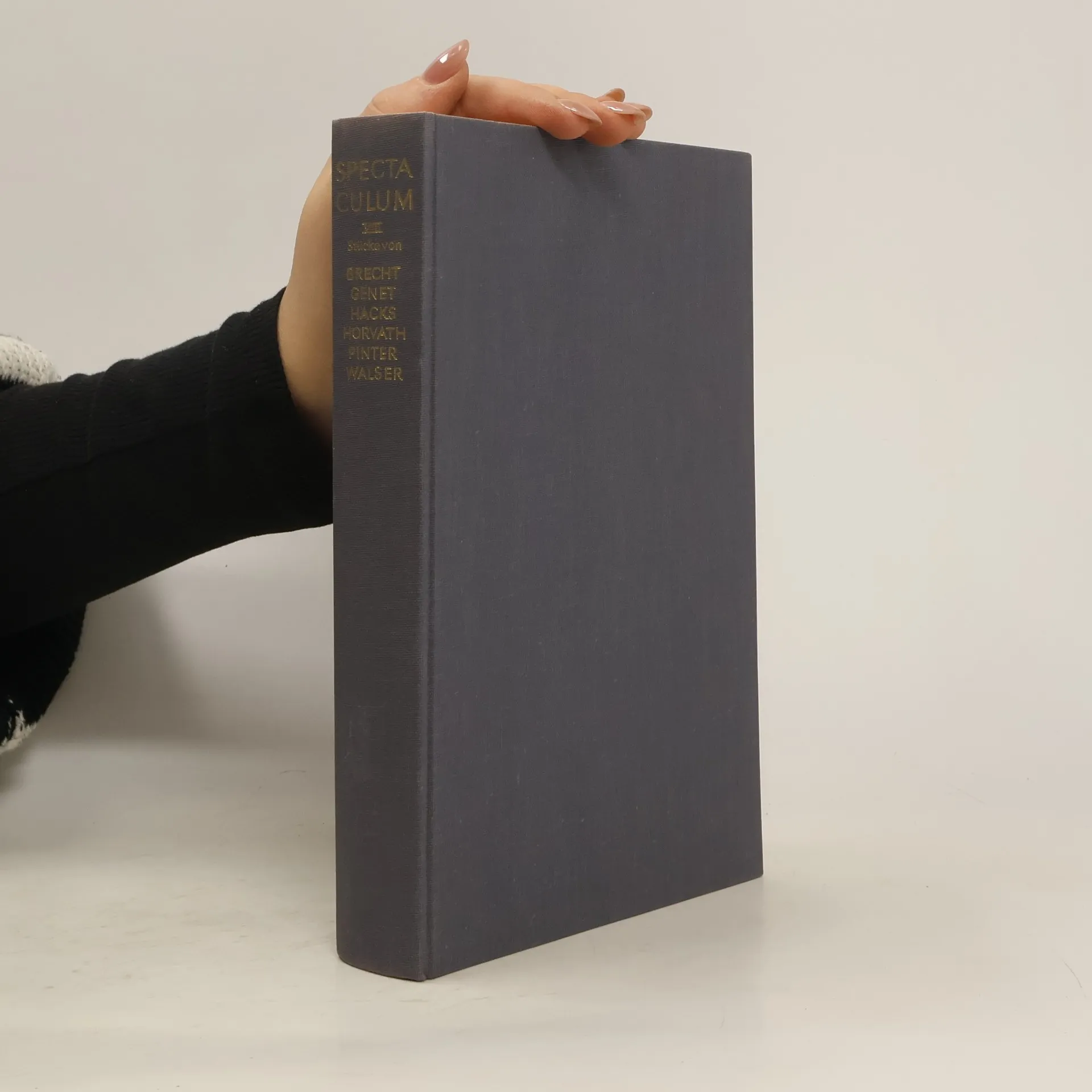
Spectaculum 8
Moderne Theaterstücke
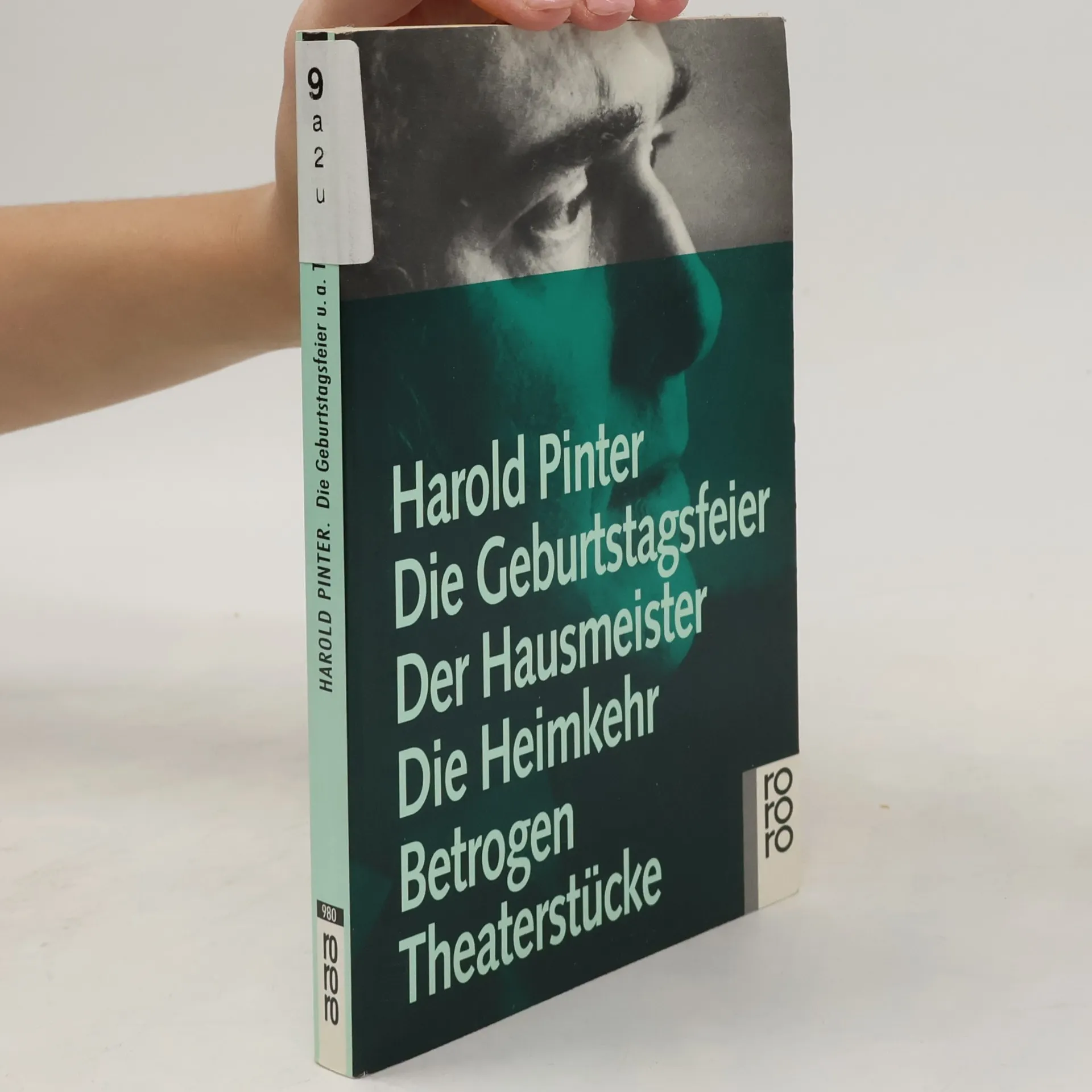
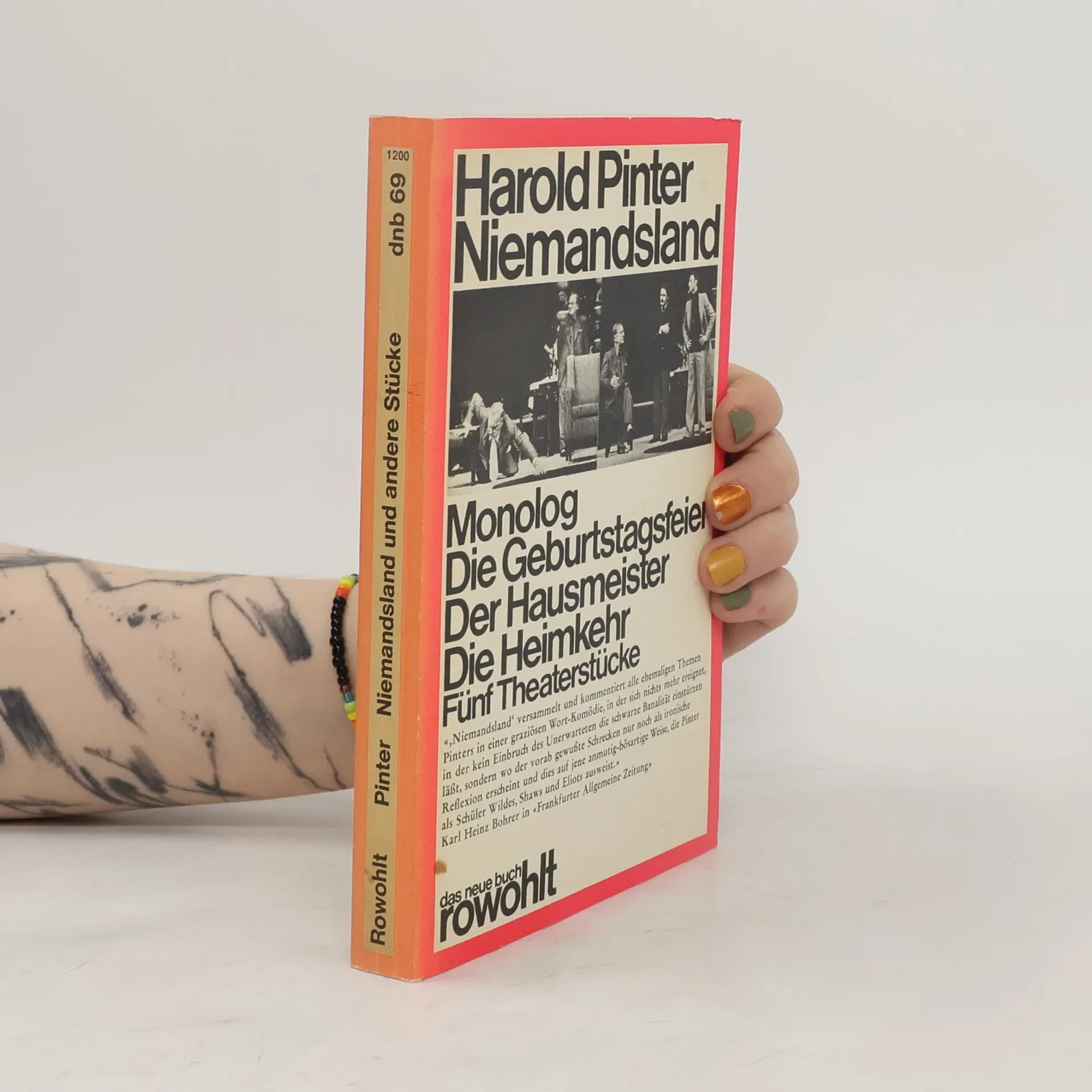
Die Geburtstagsfeier / Der Hausmeister / Die Heimkehr / Betrogen. Theaterstücke
- 233 stránok
- 9 hodin čítania
Libro usado en buenas condiciones, por su antiguedad podria contener señales normales de uso
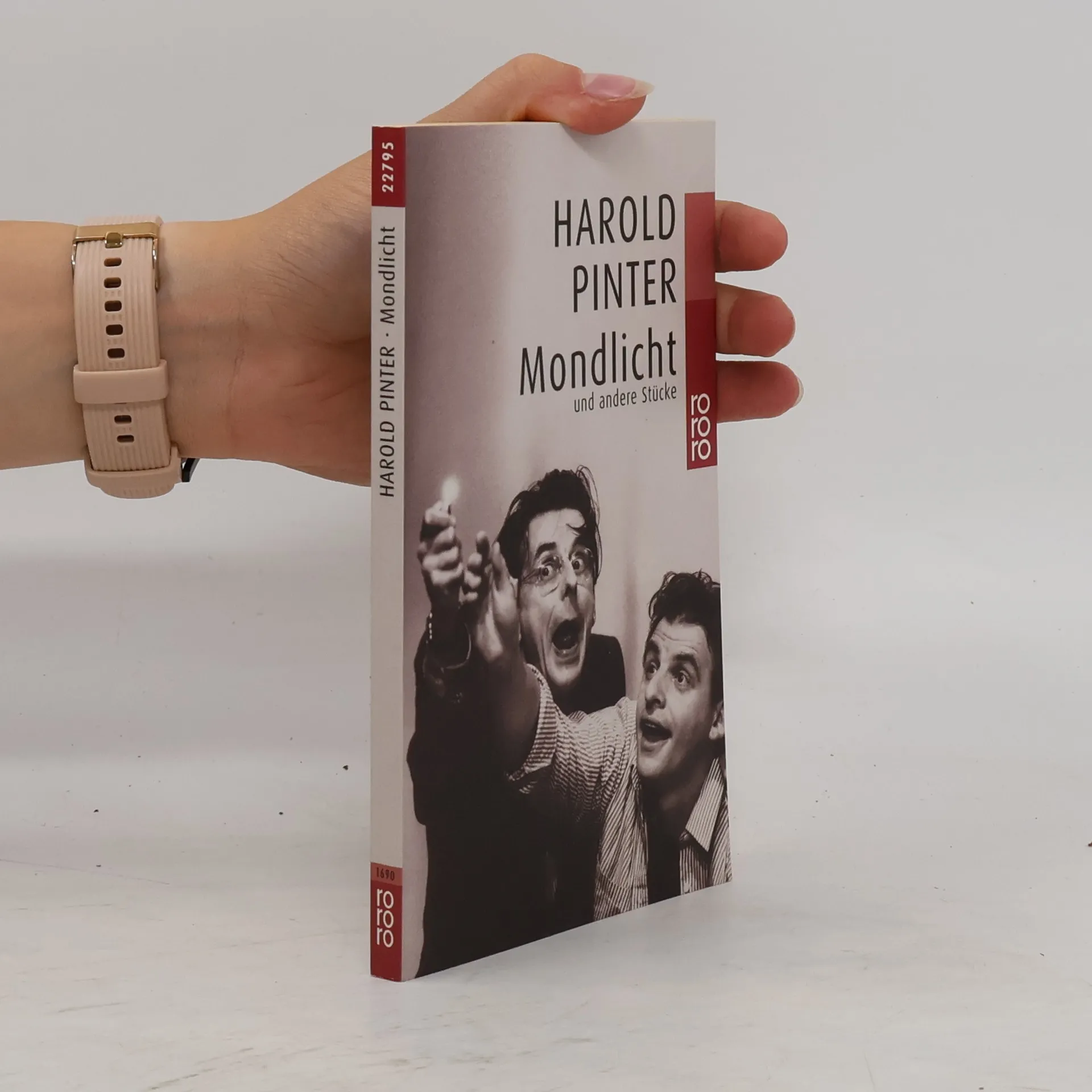
Mondlicht und andere Stücke
- 127 stránok
- 5 hodin čítania
«Mondlicht», «Asche zu Asche» und «Party Time» sind die drei jüngsten Stücke von Harold Pinter, dem nach Shakespeare meistgespielten und einfluss-reichsten britischen Dramatiker. Drei verstörende Meisterwerke auf dem schmalen Grat zwischen Wachen und Träumen.
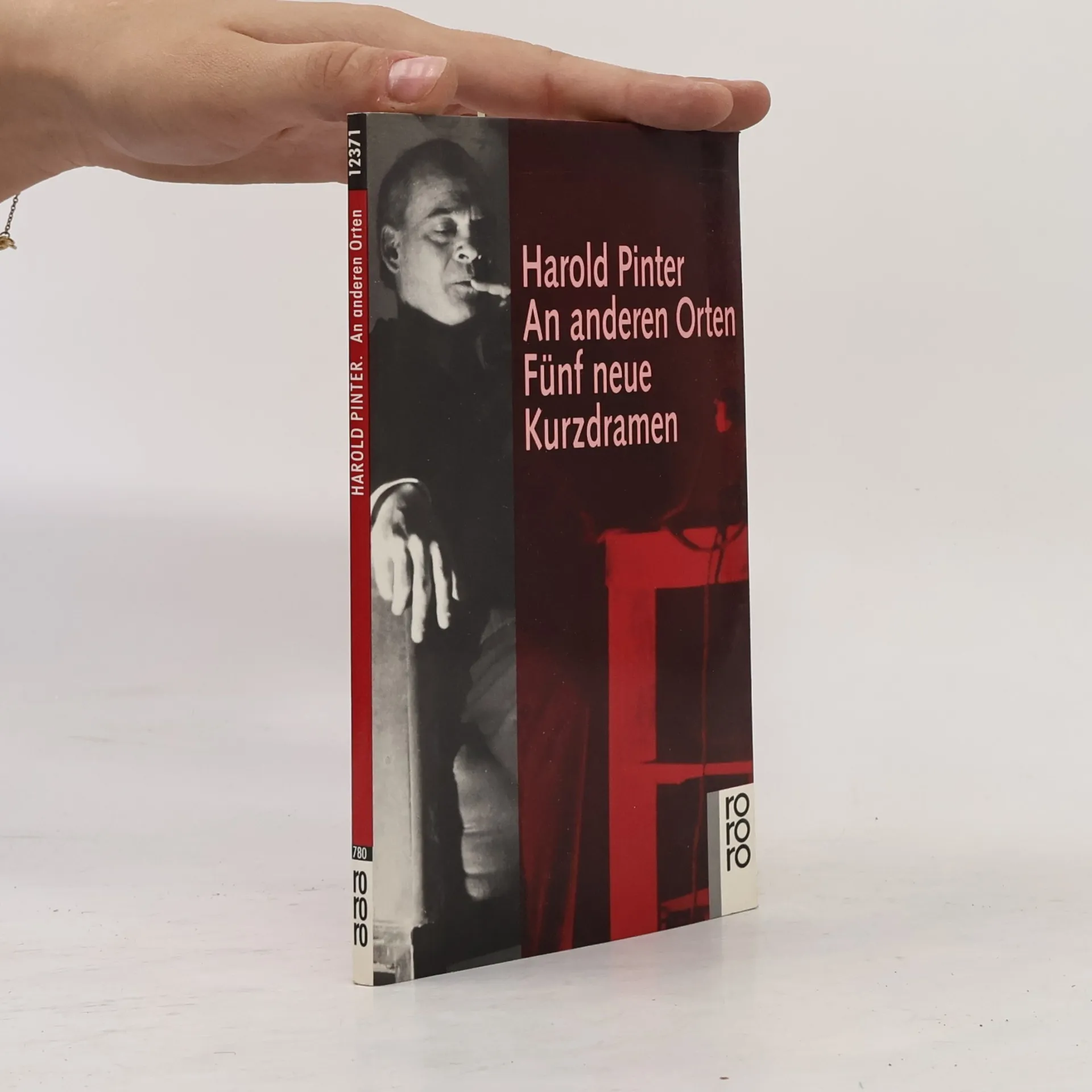
An anderen Orten
Fünf neue Kurzdramen
Die in diesem Band zum erstenmal veröffentlichten Kurzdramen von Harold Pinter dokumentieren die ästhetische und inhaltliche Vielschichtigkeit des berühmten englischen Dramatikers auf ungewöhnlich beeindruckende Weise.
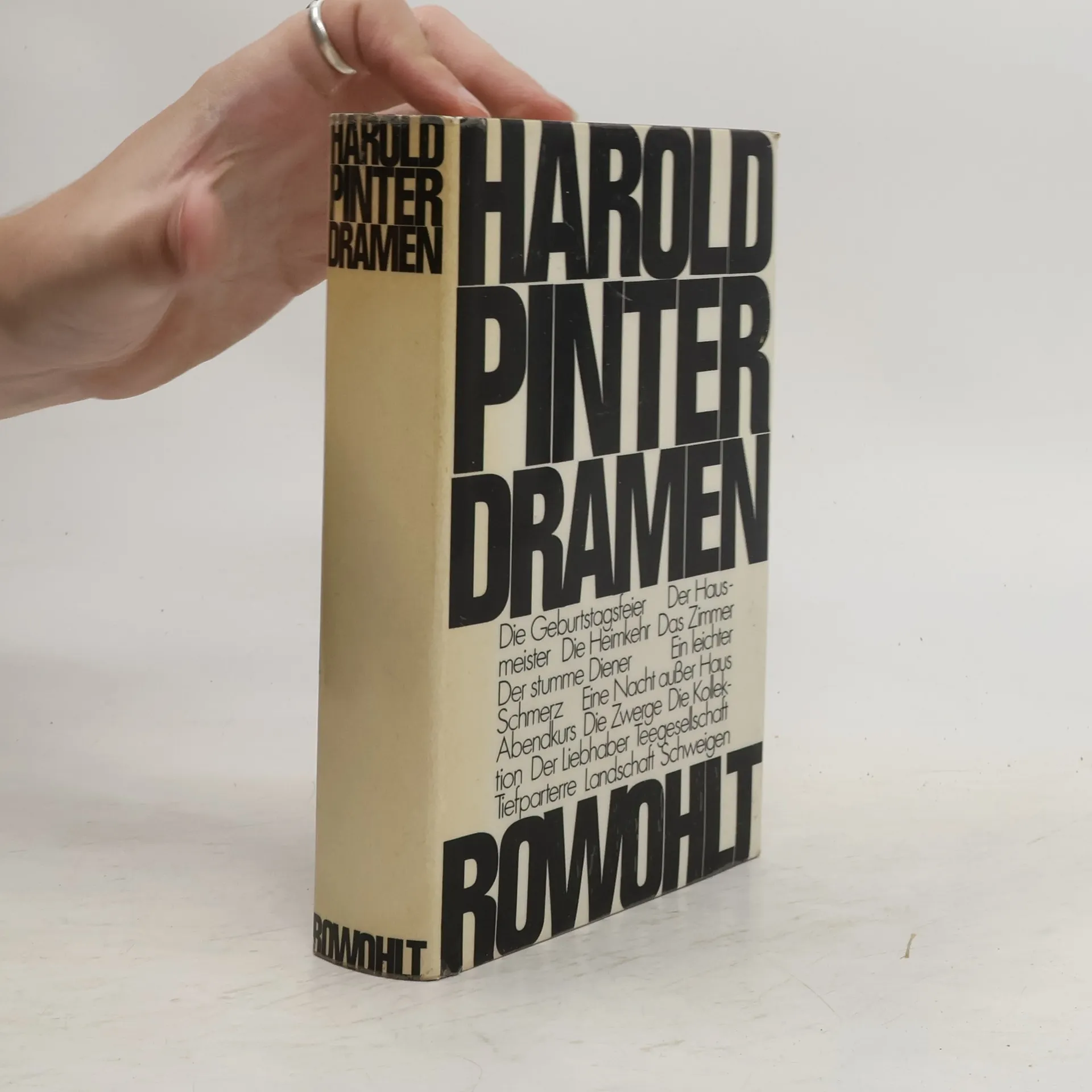
Dramen
- 477 stránok
- 17 hodin čítania
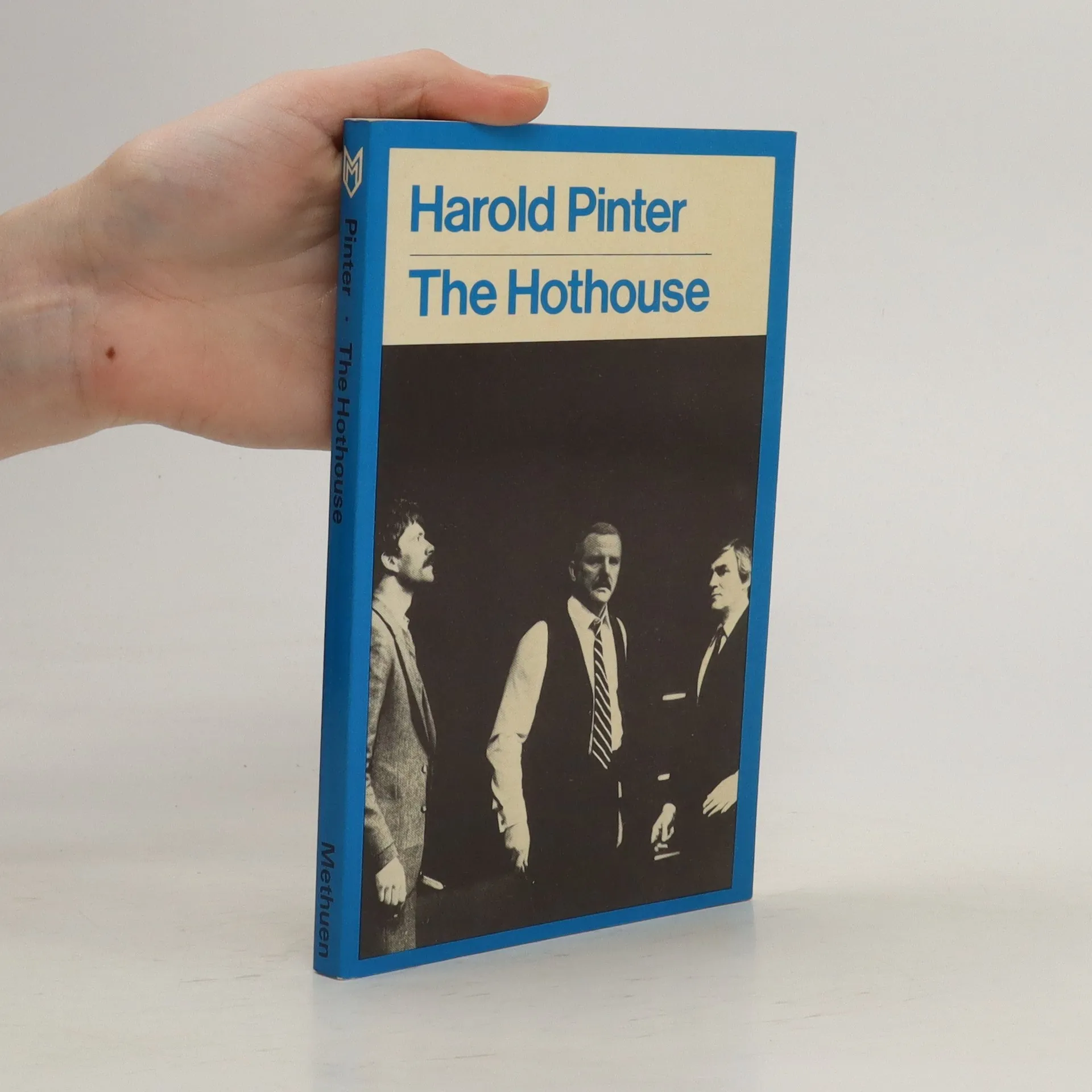
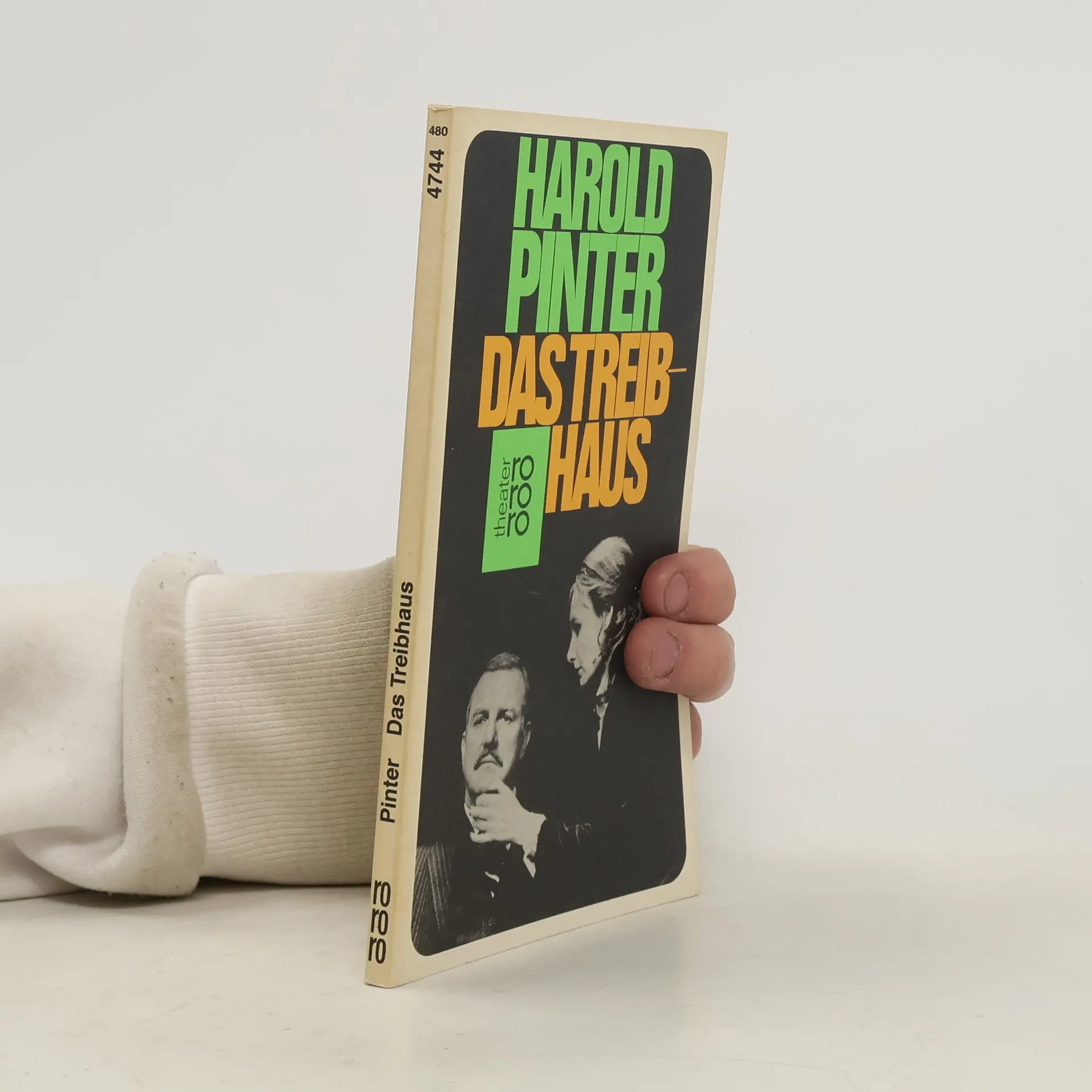
Das Treibhaus
- 96 stránok
- 4 hodiny čítania
L'amant (El Galliner. L'Escorpí/Teatre)
- 64 stránok
- 3 hodiny čítania
The Poets' Collection
Englischsprachige Lyrik im Originalton und in deutscher Übersetzung
Die größte zweisprachige Lyrik-Anthologie im Originalton versammelt 94 englischsprachige Lyrikerinnen und Lyriker und bietet seltene Sprachaufnahmen, die in mehrjähriger Recherche zusammengetragen wurden. Die Anthologie nimmt die Hörer mit auf eine zeitliche und geographische Reise durch das letzte Jahrhundert der englischsprachigen Welt. Die Übersetzungen werden von erstklassigen Schauspielern gelesen und stammen von angesehenen Lyrikern und Übersetzern. Zu den vertretenen Dichtern gehören Alfred Lord Tennyson, Robert Browning, Walt Whitman, William Butler Yeats, Rudyard Kipling, Edgar Lee Masters, James Weldon Johnson, Walter de la Mare, Gertrude Stein, Robert Frost, Carl Sandburg, Wallace Stevens, James Joyce, William Carlos Williams, Ezra Pound, H.D. (Hilda Doolittle), Robinson Jeffers, Edith Sitwell, Marianne Moore, T. S. Eliot, Conrad Aiken, Edna St. Vincent Millay, Archibald Macleish, Dorothy Parker, E. E. Cummings, Robert Ranke Graves, Louise Bogan, Ernest Hemingway, Langston Hughes, Ogden Nash, Louis Zukofsky, Patrick Kavanagh, Samuel Beckett, W. H. Auden, Louis MacNeice, Elizabeth Bishop, John Cage, Karl Shapiro, Delmore Schwartz, Muriel Rukeyser, Dylan Thomas, James Laughlin, Robert Lowell, Gwendolyn Brooks, Lawrence Ferlinghetti, Charles Bukowski, Richard Wilbur, Jack Kerouac, Philip Larkin, Denise Levertov, Michael Hamburger, Kenneth Koch, Robert Creeley, Robert Bly, Allen Ginsberg, Frank O'Hara, Charles Tomlinson
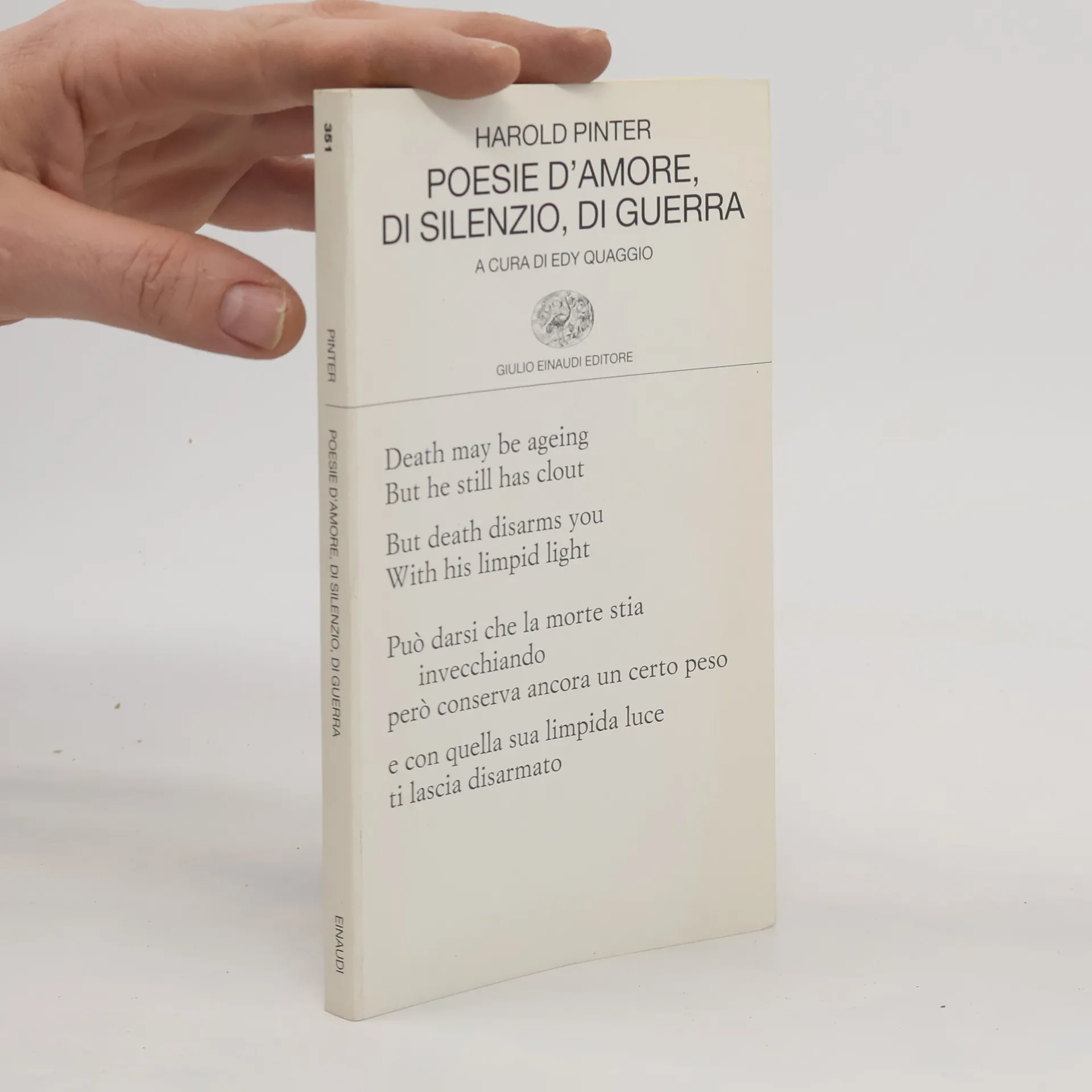
Poesie d'amore, di silenzio, di guerra. Testo inglese a fronte
- 108 stránok
- 4 hodiny čítania
Theaterstücke
Die Geburtstagsfeier. Der Hausmeister. Die Heimkehr. Betrogen. Celebration
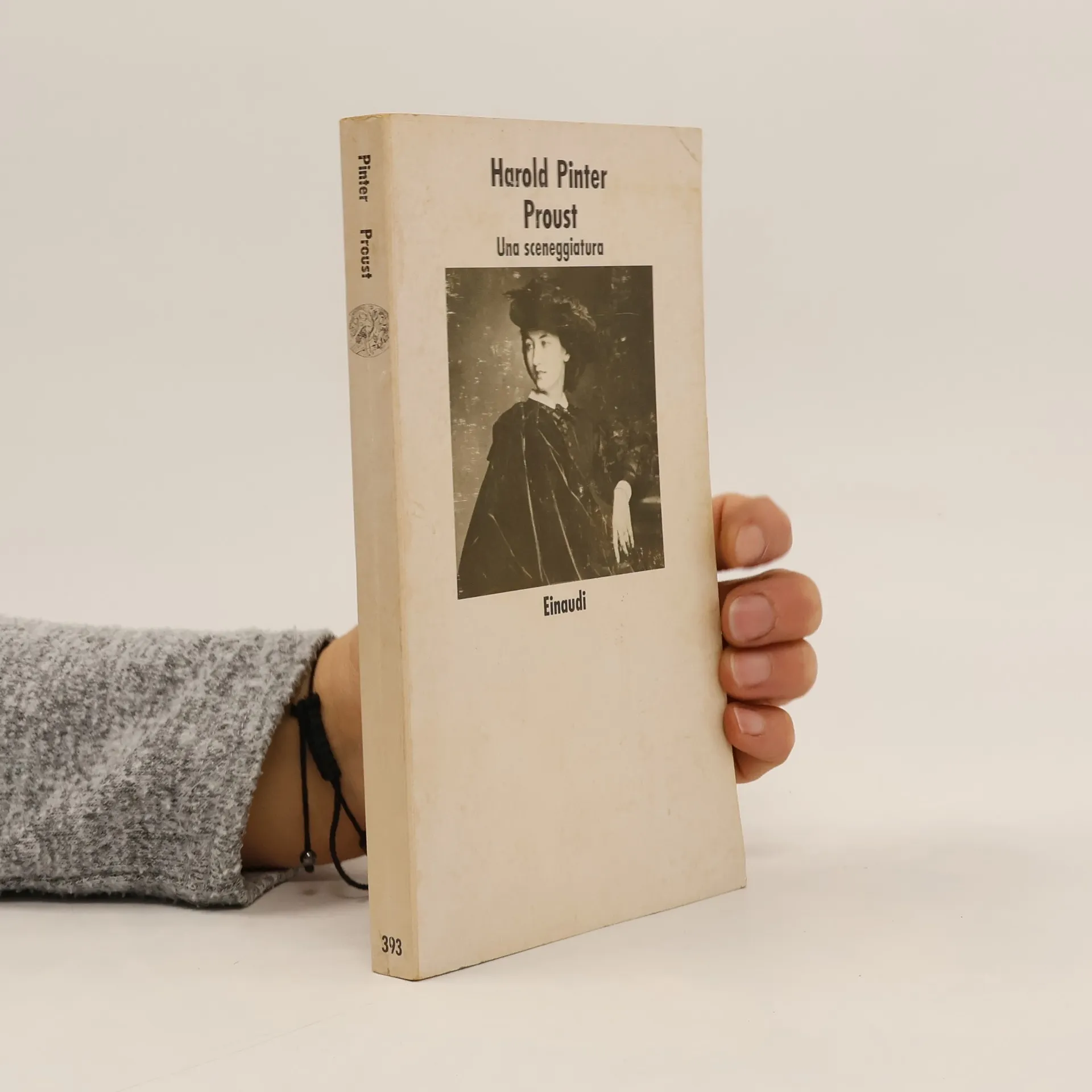
Proust. Una sceneggiatura
- 189 stránok
- 7 hodin čítania