László Moholy-Nagy Knihy
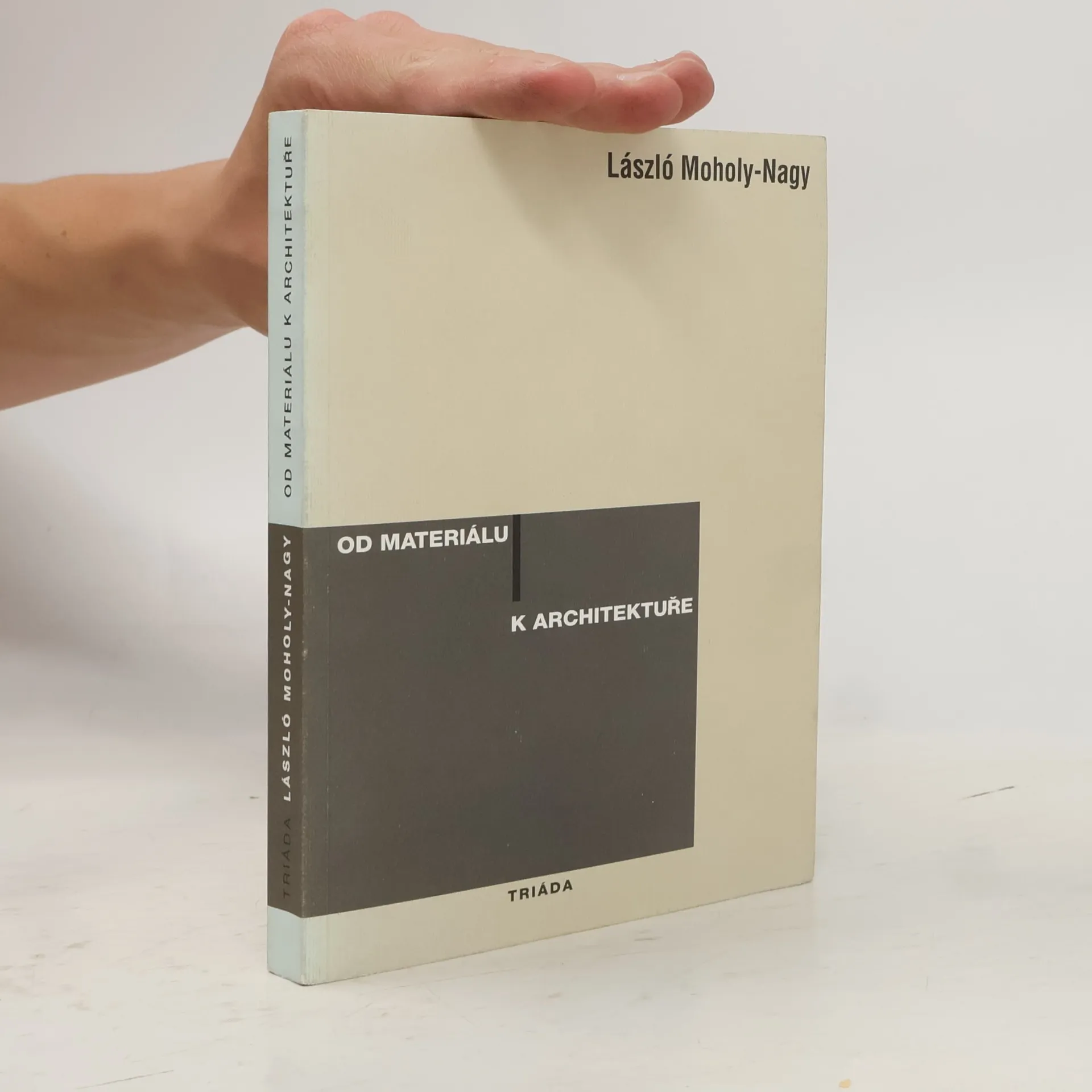
Od materiálu k architektuře
- 261 stránok
- 10 hodin čítania
Kniha, která vychází z přednášek konaných v letech 1923-1928 na Bauhausu, je teoretickou studií o souvislostech mezi materiálem, plastikou nebo architekturou. Vyšla po odchodu autora z Bauhausu (1929) a její název symbolizuje přechod od řemeslného zpracování a výtvarného ovládnutí "materiálu" (materiál, objem, prostor) směrem k architektuře, která je nejen syntézou všech zastoupených uměleckých a řemeslných oborů, ale i výrazem kvalitativního přechodu k formování prostoru a nástrojem, který vytváří prostředí a formuje život jedince.
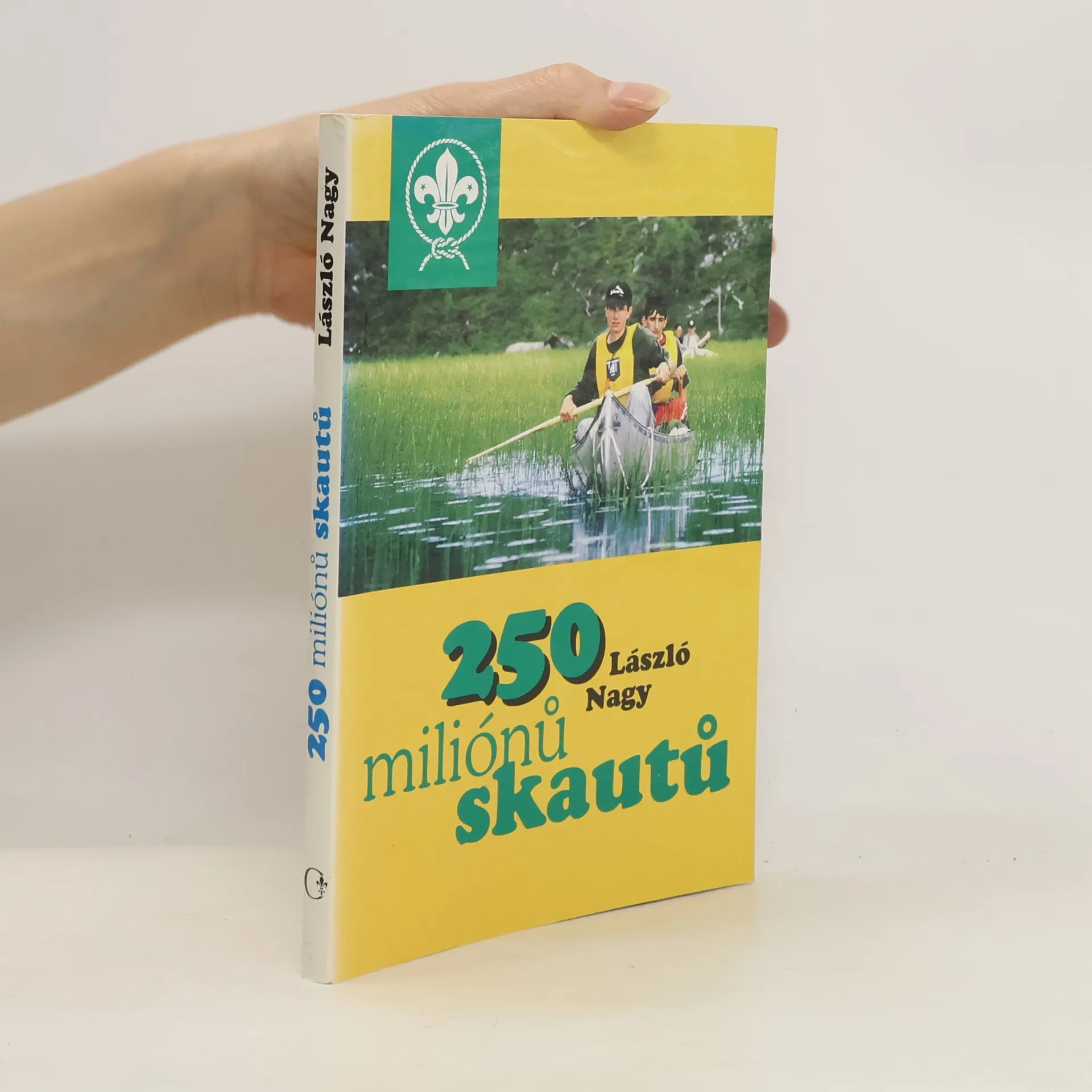
250 miliónů skautů
- 154 stránok
- 6 hodin čítania
Mnoho let jsme žili za "železnou oponou" a pak jsme nechápali co se s tím skautingem "tam venku" stalo. Generální sekretář WOSM ze sedmdesátých a osmdesátých let Laszlo Nagy napsal o tomto vývoji velice potřebnou studii, která sice sleduje historii skautingu od nejstarších dob, ale v mnohém ji překračuje. Neříká jen co se kdy stalo, ale vysvětluje i proč.
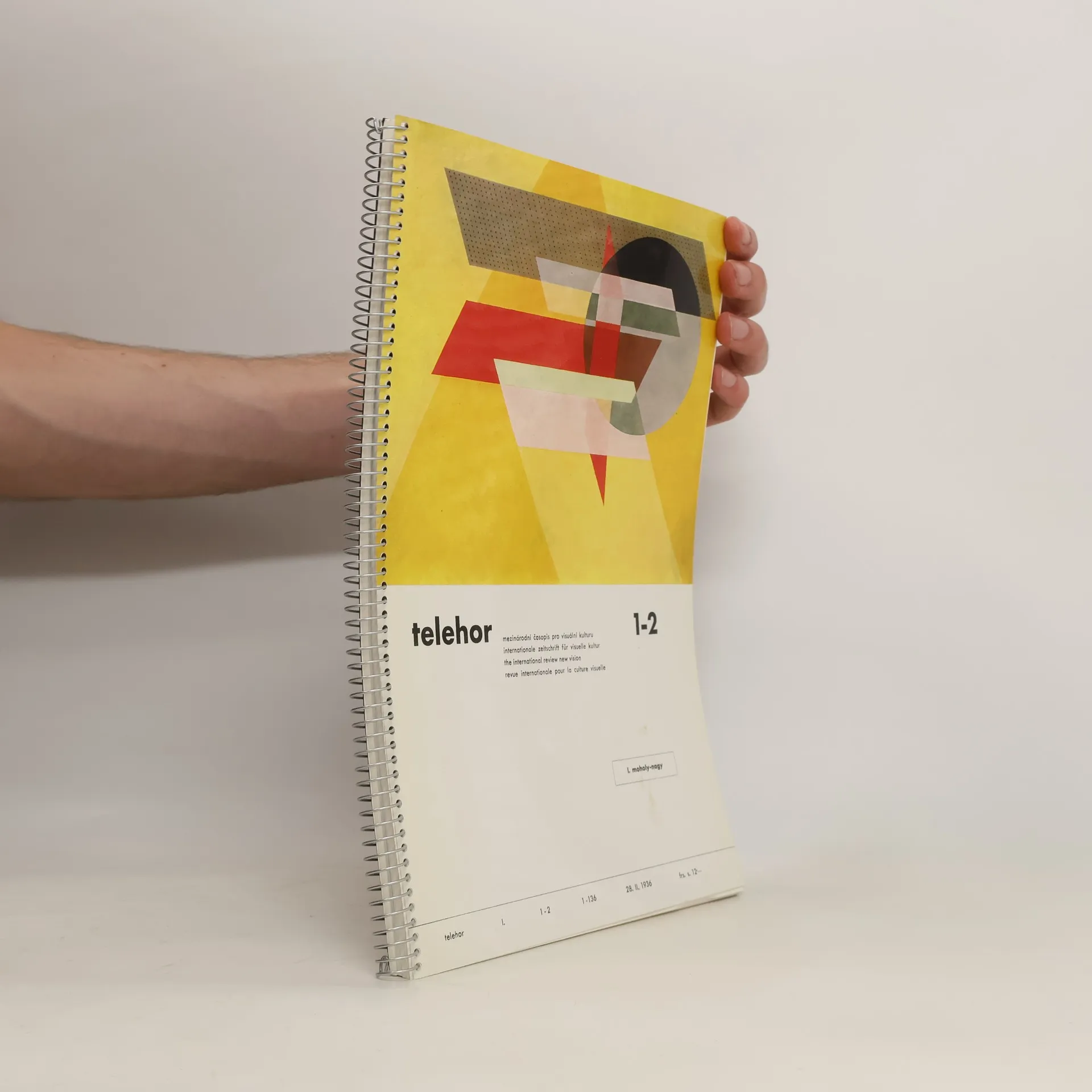
Telehor 1-2. Internationale Zeitschrift für visuelle Kultur
- 138 stránok
- 5 hodin čítania
In 1936 the first and only issue of the magazine telehor (Greek for television) was released in four languages, as a special edition on and by Lászlo Moholy-Nagy. To celebrate its 75-year anniversary a facsimile reprint of the magazine will be produced, accompanied by a commentary volume. The reprint makes the magazine accessible again in terms of its artistic and theoretical-historical dimensions. Particular attention has been paid to the production process. Thus the volume appears spiral-bound, an ultramodern technique in the mid-1930s. The commentary contains an editorial statement that places telehor in the context of the art and media of the 1920s and 1930s and unlocks the position of the artistic avant-garde at the intersection of two epochs.
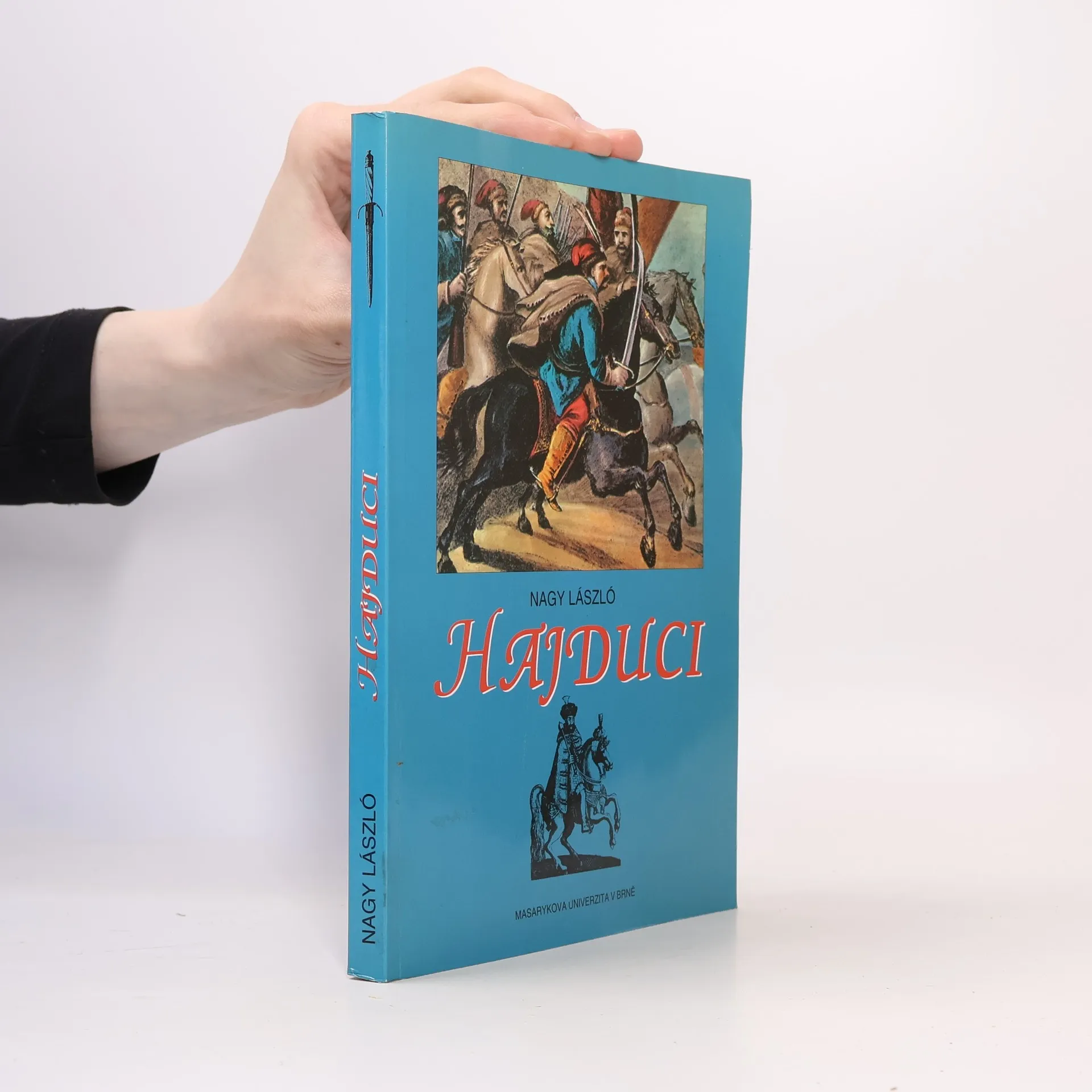
Hajduci : 1591-1699
- 235 stránok
- 9 hodin čítania
Covers Bauhaus-Archiv, Museum fur Gestaltung, 21 June to 4 September, 2006, and following venues
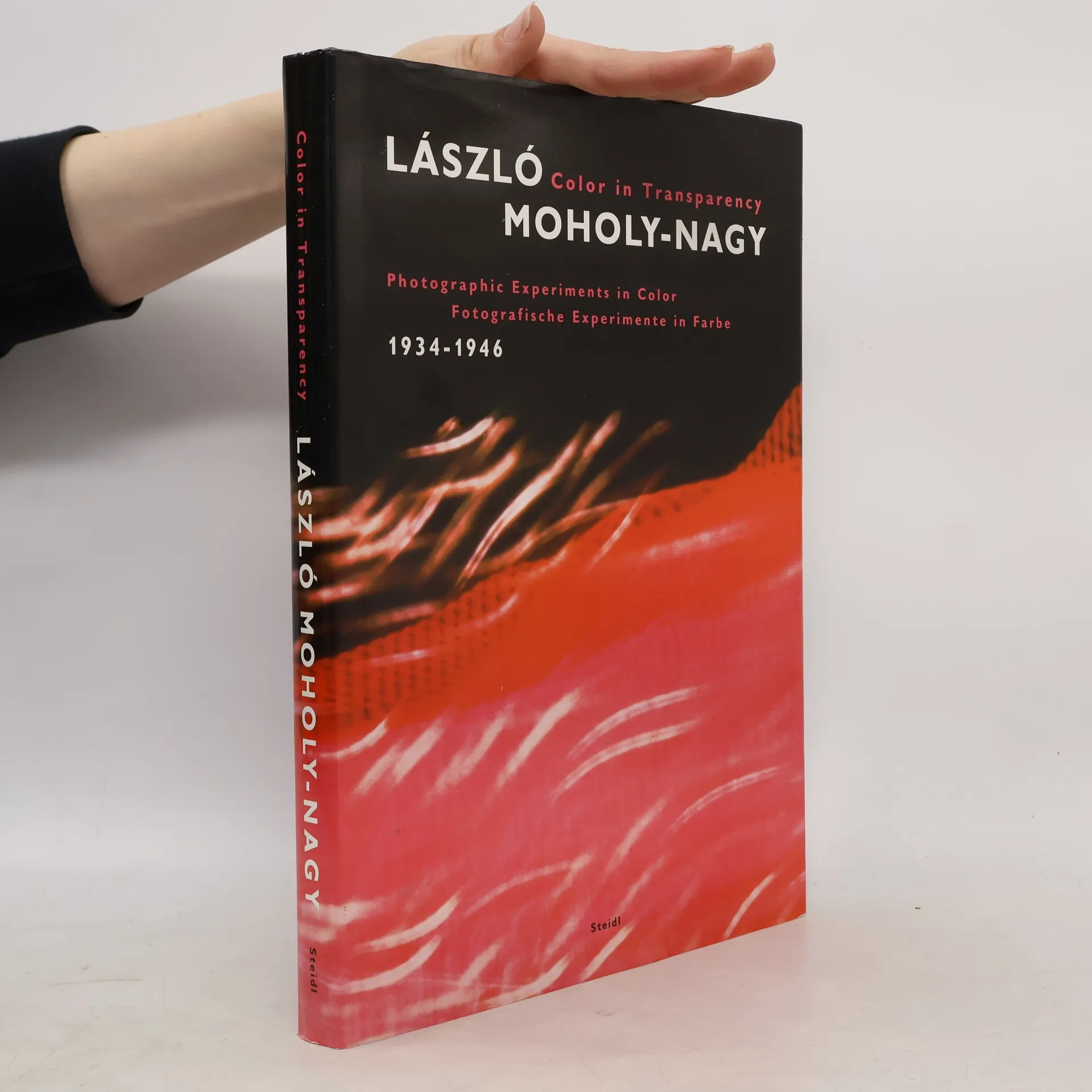
László Moholy-Nagy : retrospective
- 192 stránok
- 7 hodin čítania
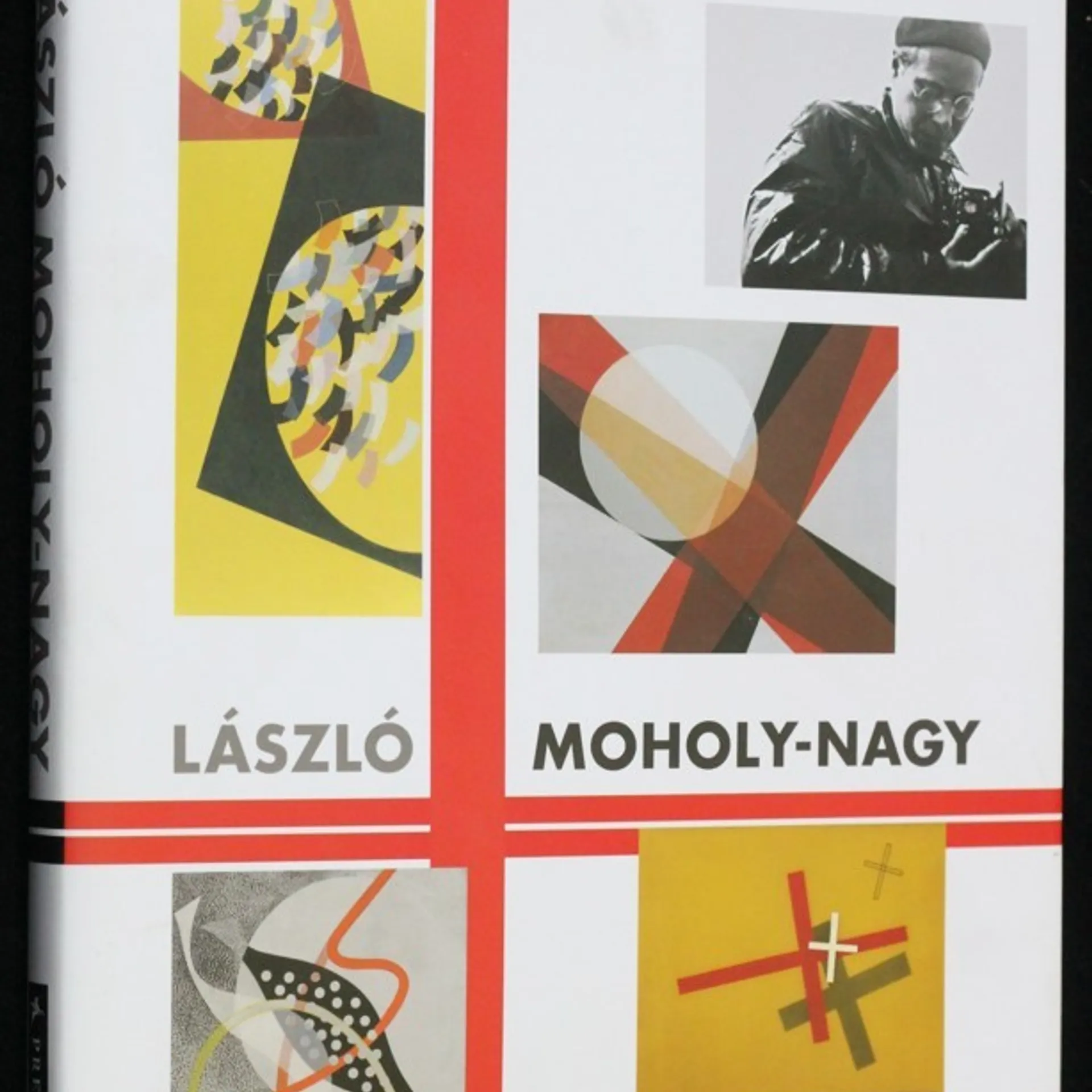
This companion volume to a major exhibition of the work of Laszlo Moholy-Nagy highlights the extraordinary range of his prolific career. Throughout his career Moholy-Nagy produced brilliant works in painting, film, photography, sculpture, set design and typography. A leading proponent of the Bauhaus School, he strove to apply artistic principles to every aspect of daily life. This companion volume to a retrospective features 170 works from all phases of Moholy-Nagy's career. Essays on his involvement with the Bauhaus School; his late paintings; his photographs, photograms, and photosculptures; and his accomplishments in the field of graphic art are complemented by numerous color illustrations. The book also documents the reconstruction of a never completed work, The Room of Today, which incorporates the most important themes Moholy-Nagy brought to his art. Readers viewing his work for the first time, along with those already possessing a deep appreciation for his art, will celebrate this long-overdue volume.
Alpine biodiversity in Europe
- 477 stránok
- 17 hodin čítania
The United Nations Conference on the Environment and Development (UNCED) in Rio de Janeiro in 1992 initiated numerous programs focused on assessing, managing, and conserving the earth's biological diversity. A significant topic was the mountain environment, particularly the alpine zone, which consists of treeless regions at high altitudes. Despite its small land coverage, the alpine zone is home to a diverse array of plants, animals, fungi, and microbes uniquely adapted to cold conditions. This region is crucial for global biodiversity and provides essential resources for both mountain and lowland inhabitants. However, human-induced changes such as soil erosion, habitat loss, genetic diversity decline, and climate change threaten these ecosystems. The European Community Biodiversity Strategy emphasizes that the global loss of biodiversity and the interdependence of species and ecosystems necessitate coordinated international efforts. Effective biodiversity management requires a solid understanding of its qualitative and quantitative aspects at various scales. This is especially vital for mountains, which are significant biodiversity hotspots both in absolute terms and when compared to surrounding lowlands.
Graphic Design Theory
- 151 stránok
- 6 hodin čítania
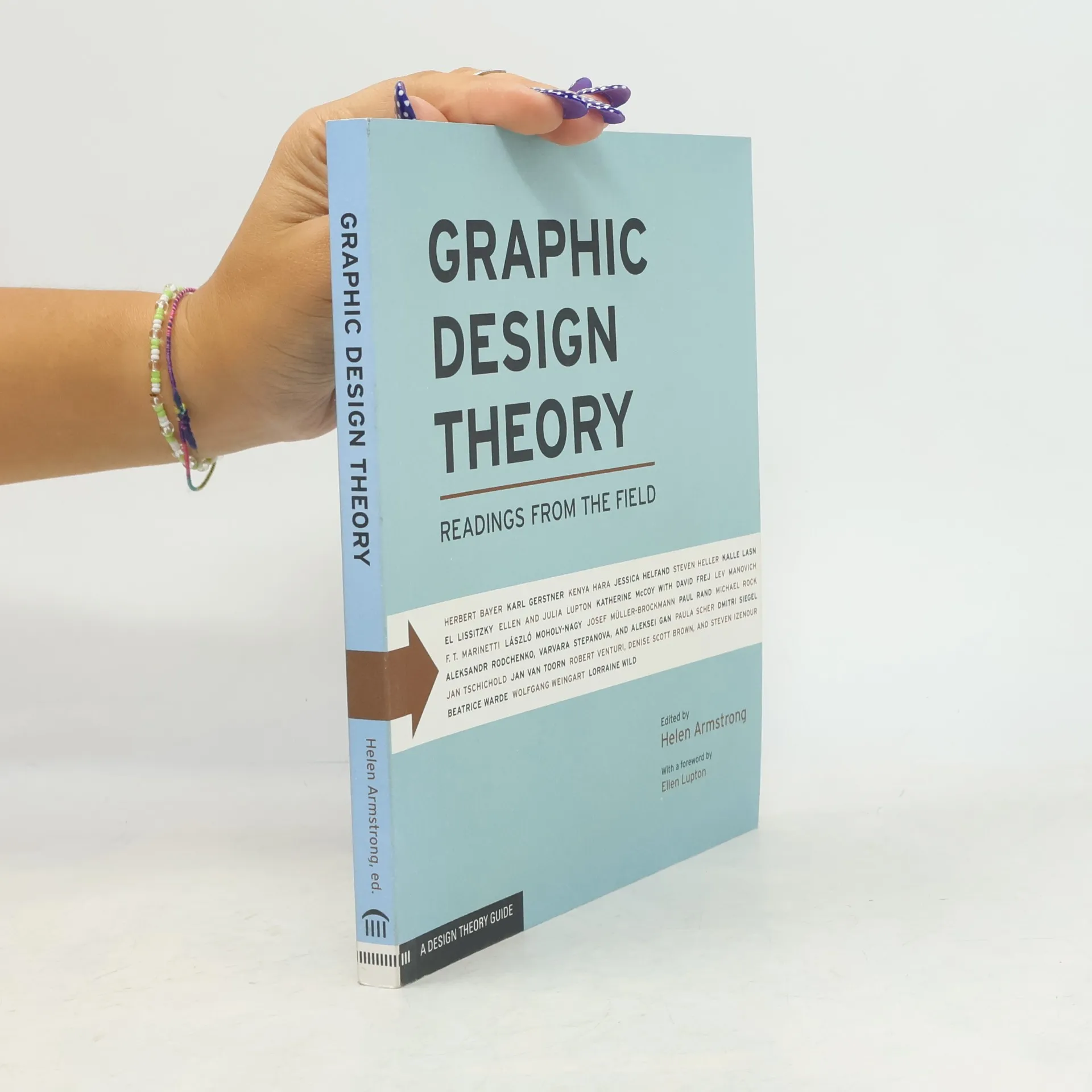
Graphic Design Theory presents groundbreaking, primary texts from the most important historical and contemporary design thinkers. From Aleksandr Rodchenko’s "Who We Are: Manifesto of the Constructivist Group" to Kenya Hara’s "Computer Technology and Design," this essential volume provides the necessary foundation for contemporary critical vocabulary and thought. Graphic Design Theory is organized in three sections: "Creating the Field" traces the evolution of graphic design over the course of the early 1900s, including influential avant-garde ideas of futurism, constructivism, and the Bauhaus; "Building on Success" covers the mid- to late twentieth century and considers the International Style, modernism, and postmodernism; and "Mapping the Future" opens at the end of the last century and includes current discussions on legibility, social responsibility, and new media. Striking color images illustrate each of the movements discussed and demonstrate the ongoing relationship between theory and practice. A brief commentary prefaces each text, providing a cultural and historical framework through which the work can be evaluated.
Shelfworn paperback with marks and scuffs on covers. Further creasing and major taped repairs to front cover, warping FEP and next page or two. Pen mark on rear cover. Page block (a little marked) and page edges are tanned. Content is clear throughout. TS
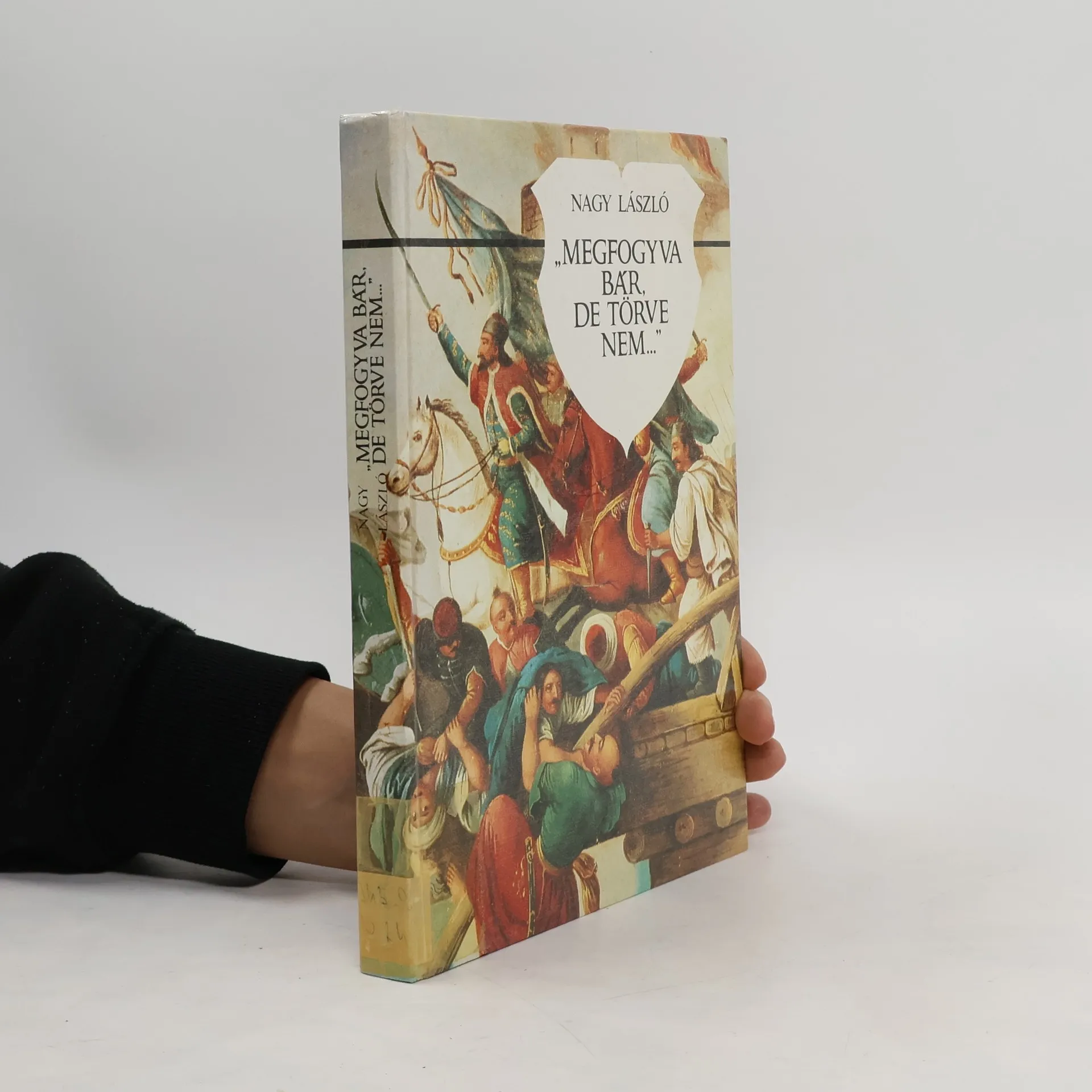
"Megfogyva bár, de törve nem ..."
- 289 stránok
- 11 hodin čítania
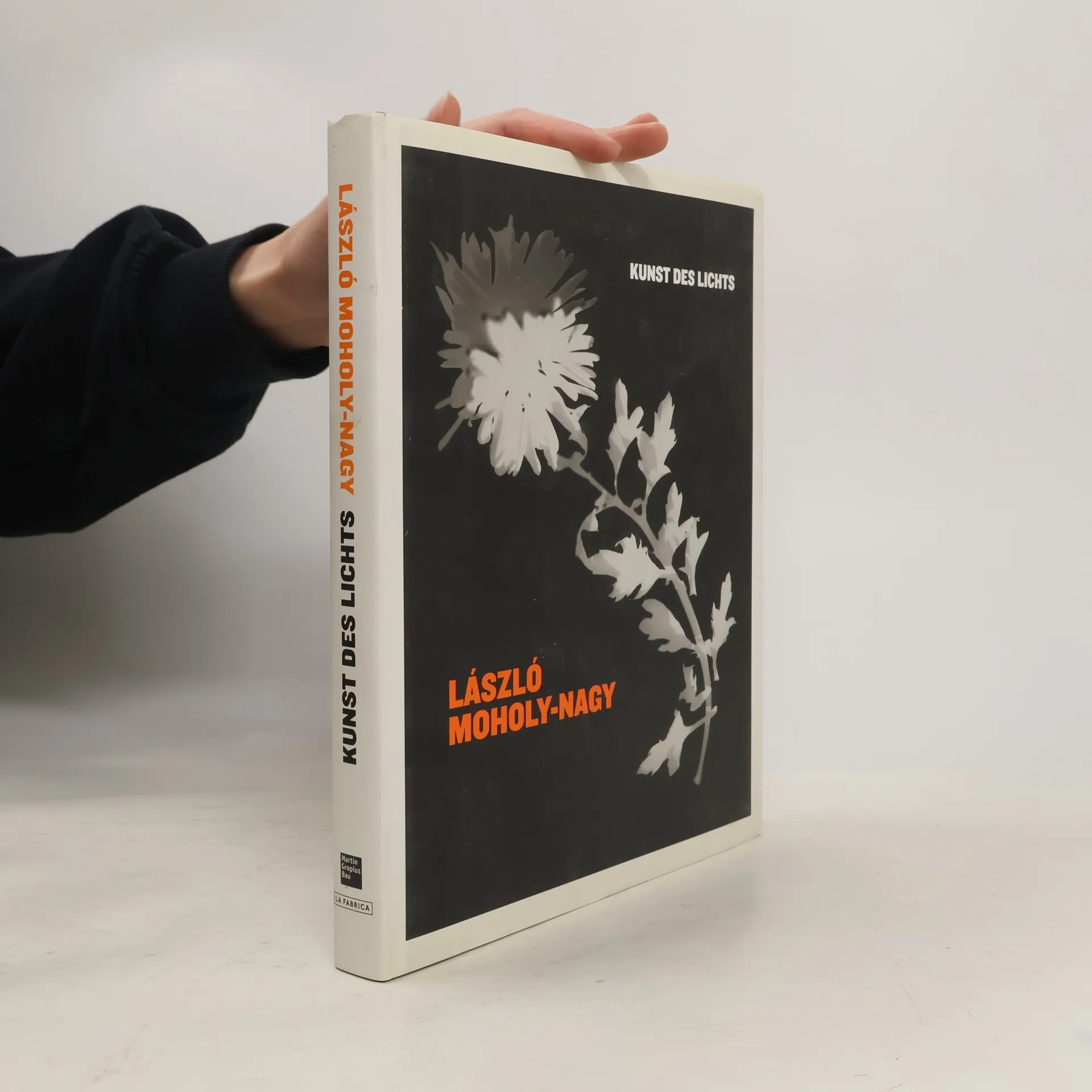
László Moholy-Nagy. Die beispiellose Fotografie
Sämtliche Schriften zur Fotografie
- 283 stránok
- 10 hodin čítania
László Moholy-Nagy (1895-1946), a prominent Hungarian artist, was a key figure in classical modernist photography and a prolific writer on the subject since the early 1920s. His essays, polemics, and reviews established photography as the leading medium of modernity. This volume collects his extensive writings on photography for the first time, featuring thirty-eight shorter articles alongside reprints of his two significant works, *Painting, Photography, Film* and *60 Photos*. Spanning his tenure as a Bauhaus instructor in Dessau, his freelance design work in Berlin, Amsterdam, and London, and his role as a professor at the New Bauhaus in Chicago, Moholy-Nagy crafted a revolutionary aesthetic. This book presents photography as a foundation for an original theory of modernity. The editors, Steffen Siegel and Bernd Stiegler, are both esteemed professors in their respective fields, focusing on the theory and history of photography and modern German literature in media contexts.
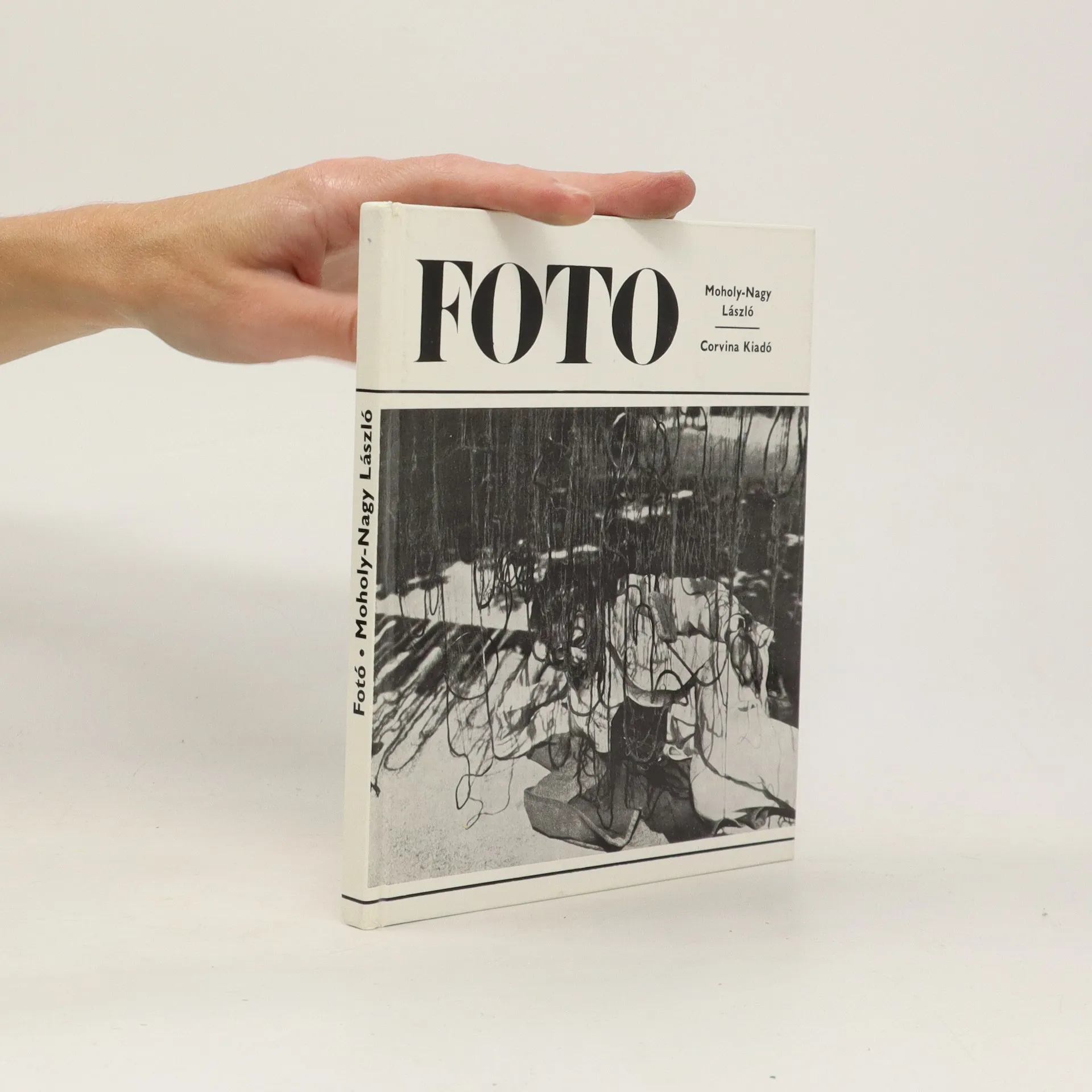
Moholy-Nagy László munkássága
- 64 stránok
- 3 hodiny čítania
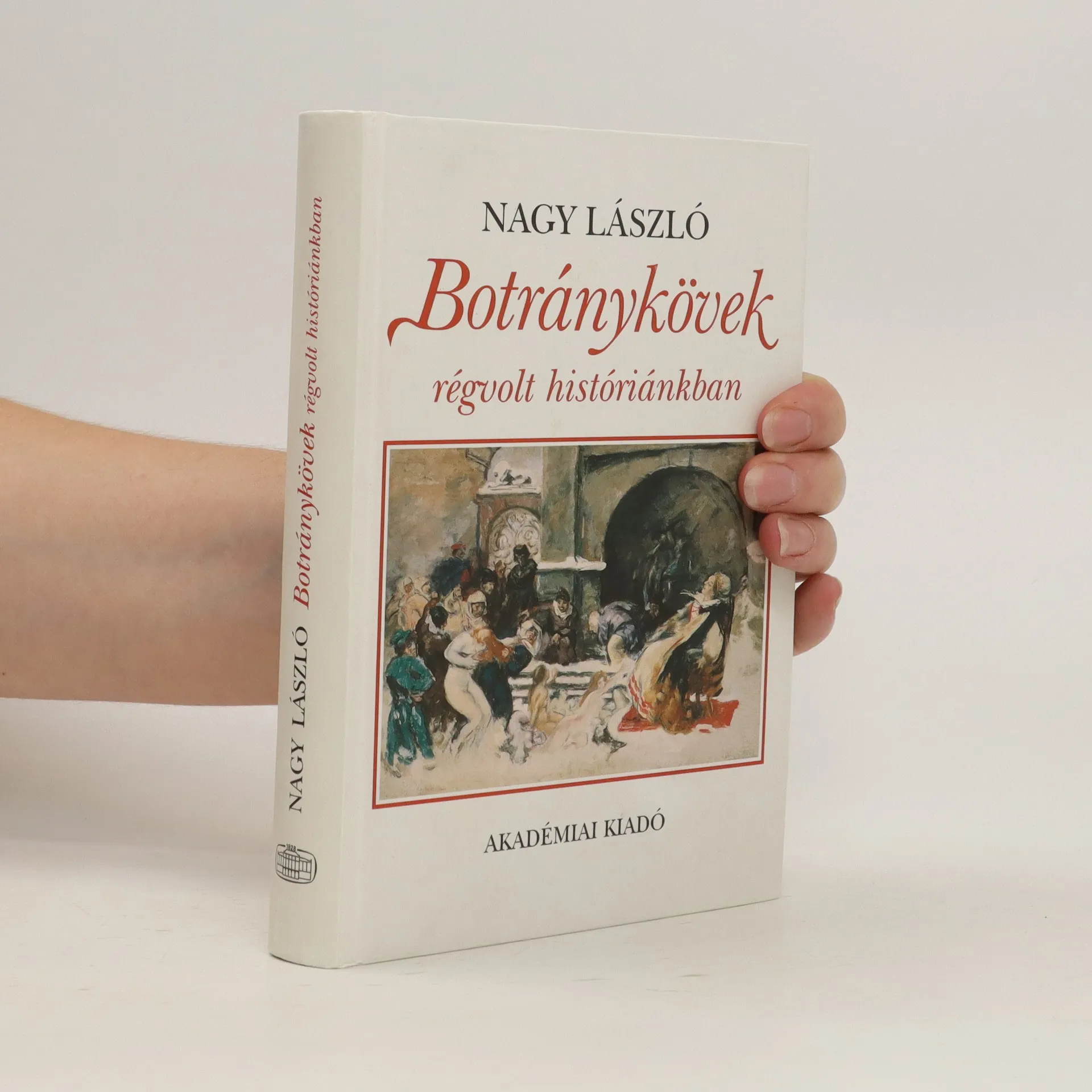
A kiváló történész szerző (A rossz hírű Báthoryak, az Erdélyi boszorkányperek, Kard és szerelem, Az erős fekete bég, Nádasdy Ferenc stb. írója) új, a korábbiakhoz hasonlóan érdekfeszítő könyve talányos sorsú, nevezetes történelmi személyiségek portréját rajzolja meg. A köztudatban szörnyetegként élő, jobbágylányok vérében fürdő Báthory Erzsébet, az európai formátumú Bethlen Gábor fejedelem, a félreismert Mihai Viteazul, azaz Vitéz Mihály egyénisége vagy egy XVII. századi politikai gyilkosság története önmagában is izgalmas olvasmány. A szerző igyekszik lerombolni az olvasóban az említett személyekkel, eseményekkel kapcsolatban élő, hamisnak bizonyult történelmi közhelyeket és előítéleteket, elfogultságokat. A könyv utolsó írása a Habsburg-ház uralkodóinak a magyar történelemben játszott szerepét elemzi eredeti, egyeseket bizonyára kissé provokáló megközelítéssel.
„Vision in Motion“, das letzte Buch von László Moholy-Nagy erschien 1947 posthum ein Jahr nach seinem Tod in Chicago. Es stellt eine Erweiterung der legendären Publikation „The New Vision“ dar, die 1938 herauskam und sich auf die Lehrmethoden des Bauhauses in Dessau bezieht. „Vision in Motion“ entstand am Institute for Design in Chicago, und es gewährt Einblick in die Arbeit des Instituts, das Moholy-Nagy leitete. Für sein Buch benutzt er einen interdisziplinären Ansatz, bei dem er mit beispielhaften Bildern und eigenen Texten die Wechselbeziehung von Kunst und Technologie erläutert. „Vision in Motion“ liest sich heute wie eine Seh-Schule der ersten Hälfte des 20. Jahrhunderts, darin sind alle künstlerischen Verfahren zu finden, die den Film, die Fotografie, die Malerei, die Literatur, aber auch die Wissenschaften geprägt haben. Nach 65 Jahren erscheint László Moholy-Nagys wegweisendes Werk nun erstmals auf Deutsch.