

Viac o knihe
Periodic comprehensive overviews of the status of the diverse organisms that make up wildlife are essential to determining trends, threats and future prospects. Just over 25 years ago, leading authorities on different kinds of wildlife came together to prepare an assessment of their status of a wide range of organisms in Great Britain and Ireland in The Changing Flora and Fauna of Britain, also edited by Professor David L. Hawksworth CBE. Now, in The Changing Wildlife of Great Britain and Ireland, he has gathered together some of the original and also new contributors to review changes since that time and look to the future. Contributions range from viruses, diatoms, fungi, lichens, mites and nematodes; through butterflies, dragonflies, flies and slugs; to flowering plants, ferns, mammals, birds and fish. The state of knowledge in different groups is assessed, and the effectiveness of statutory and other measures taken to safeguard wildlife considered.




Nákup knihy
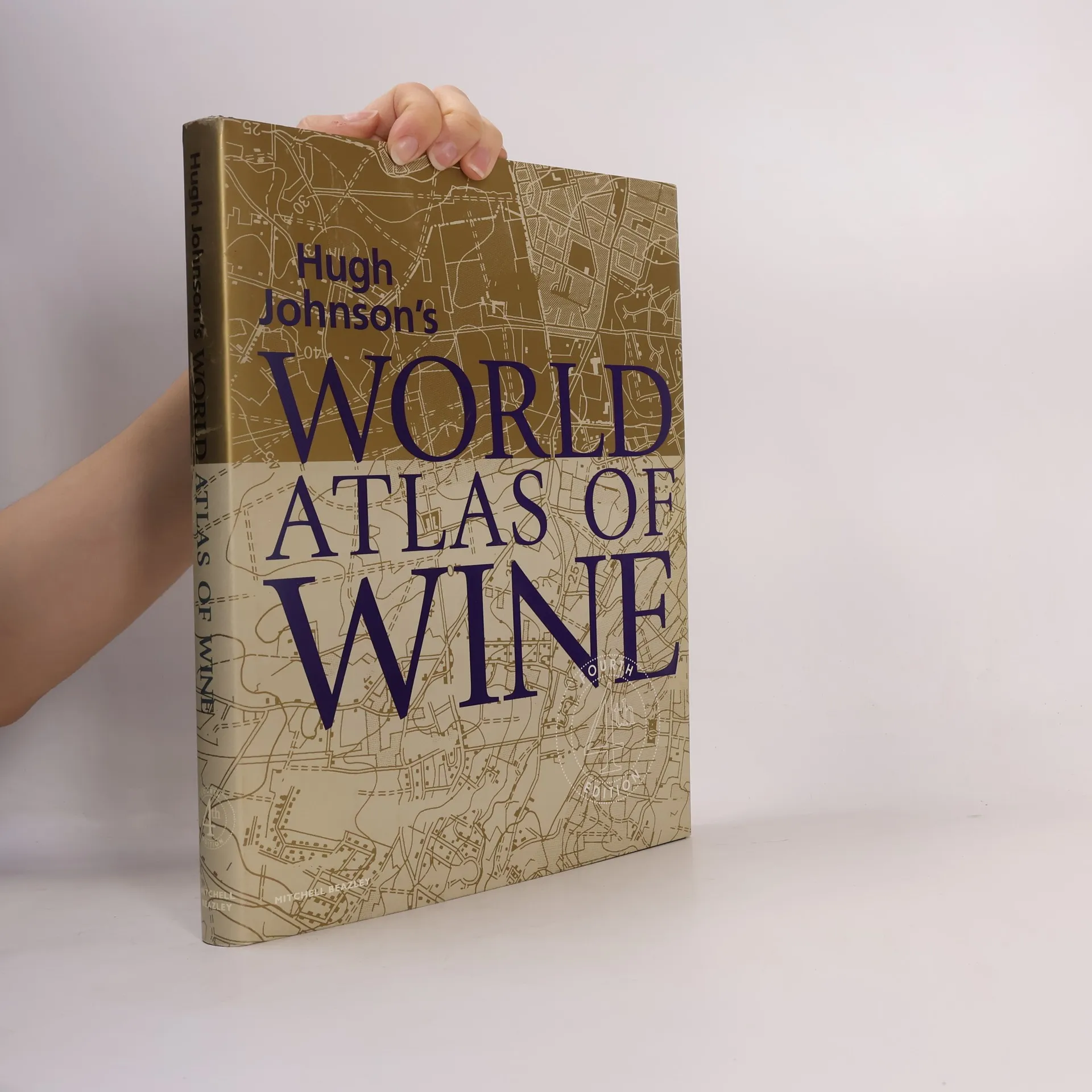
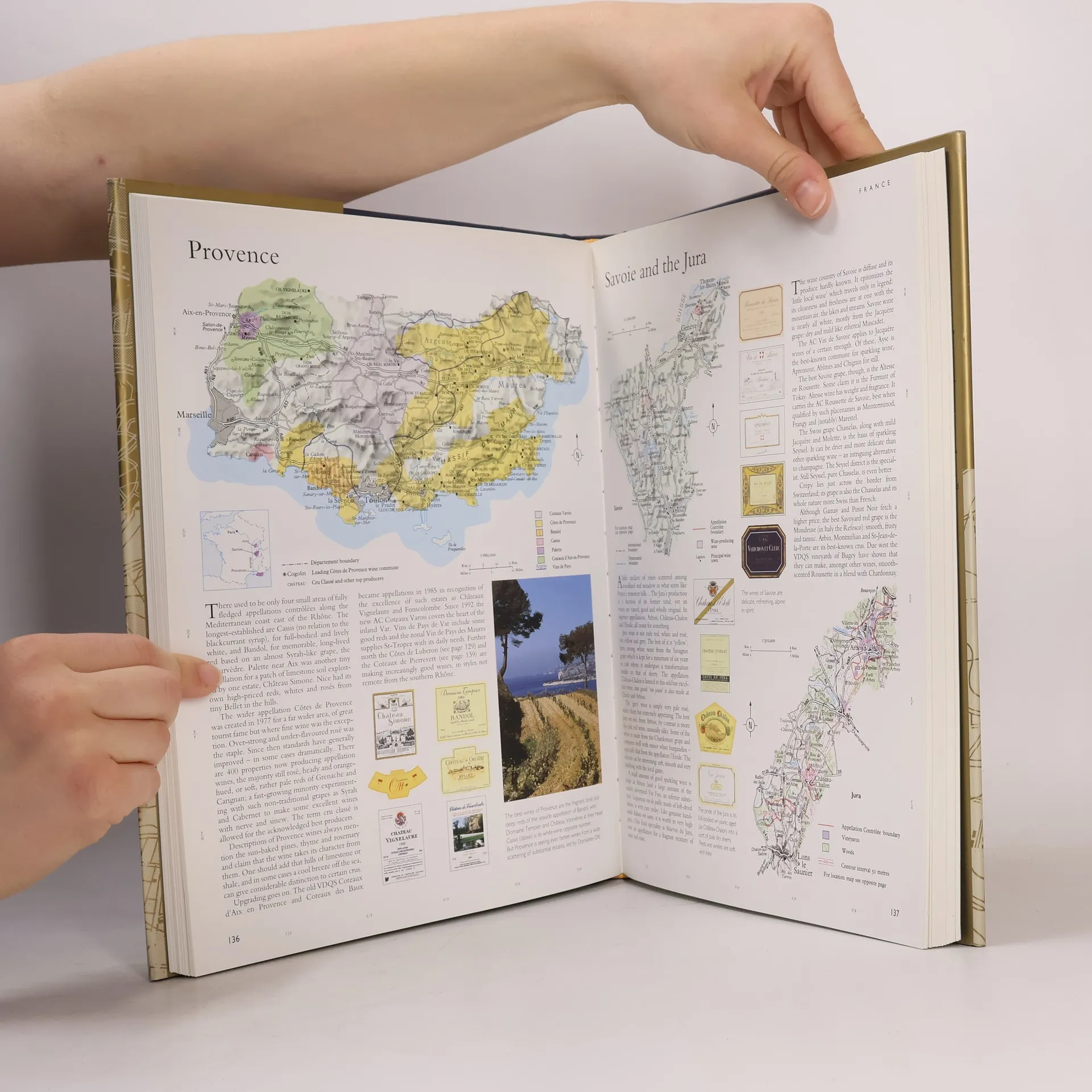
The World Atlas of Wine, Hugh Johnson
- Jazyk

- Rok vydania
- 1994
- Väzba
- (pevná)
Platobné metódy
Tu nám chýba tvoja recenzia
- Jazyk
- anglicky
- Autori
- Hugh Johnson
- Vydavateľ
- Reed Mitchel Beazley
- Rok vydania
- 1994
- Väzba
- pevná
- Počet strán
- 320
- ISBN10
- 1857322681
- ISBN13
- 9781857322682
- Série
- Štítky
- Náučná literatúra, Hobby, Kuchárky, Kuchárky & Gastronómia, Príručky a návody, Encyklopédie, Jedlo, Jedlo a nápoje, Víno, Alkohol, Vinohrady, vinice
- Prvé vydanie
- 1971
- Pôvodný názov
- The World Atlas of Wine
- Hodnotenie
- 4,5 z 5
- Anotácia
- Periodic comprehensive overviews of the status of the diverse organisms that make up wildlife are essential to determining trends, threats and future prospects. Just over 25 years ago, leading authorities on different kinds of wildlife came together to prepare an assessment of their status of a wide range of organisms in Great Britain and Ireland in The Changing Flora and Fauna of Britain, also edited by Professor David L. Hawksworth CBE. Now, in The Changing Wildlife of Great Britain and Ireland, he has gathered together some of the original and also new contributors to review changes since that time and look to the future. Contributions range from viruses, diatoms, fungi, lichens, mites and nematodes; through butterflies, dragonflies, flies and slugs; to flowering plants, ferns, mammals, birds and fish. The state of knowledge in different groups is assessed, and the effectiveness of statutory and other measures taken to safeguard wildlife considered.