


Série
Viac o knihe
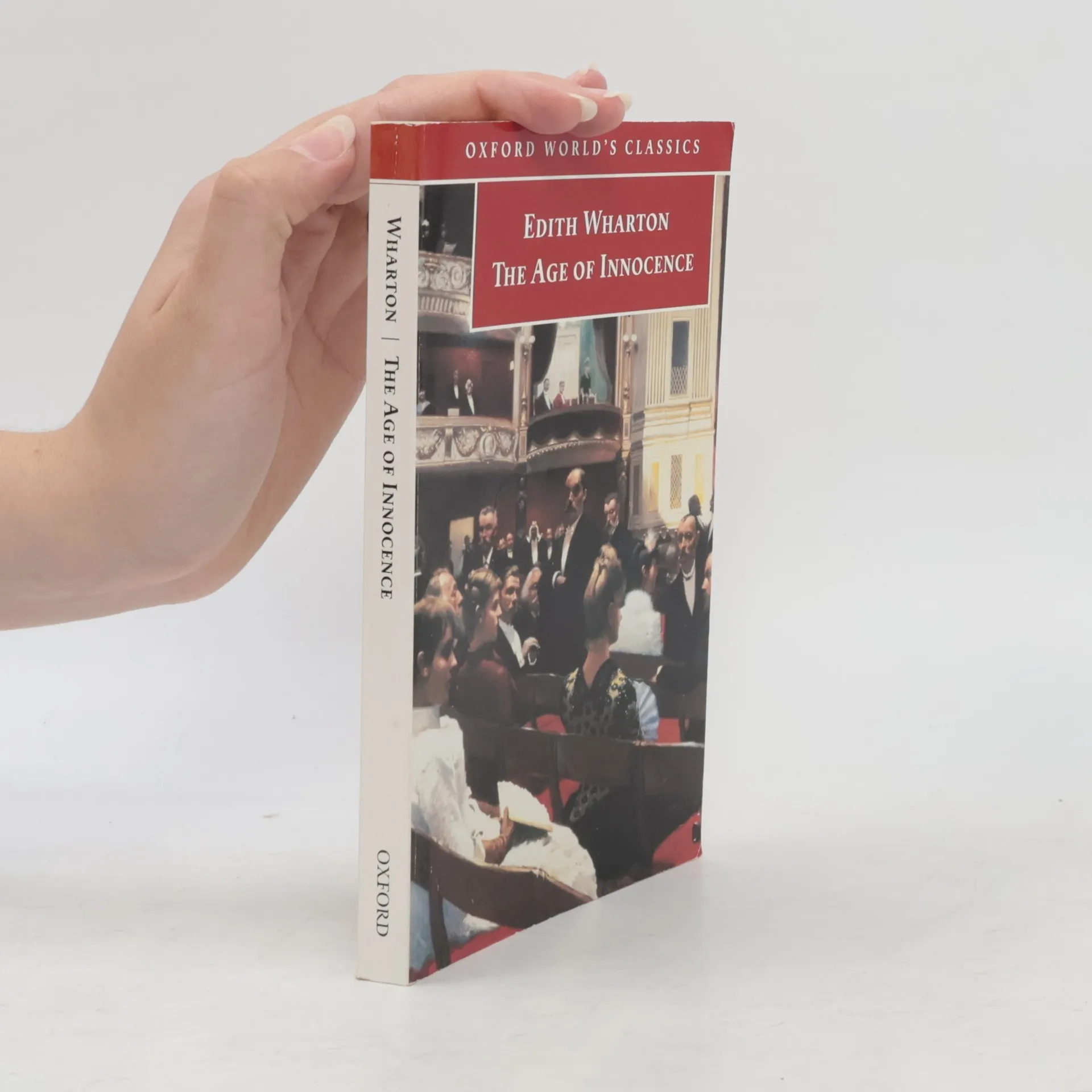
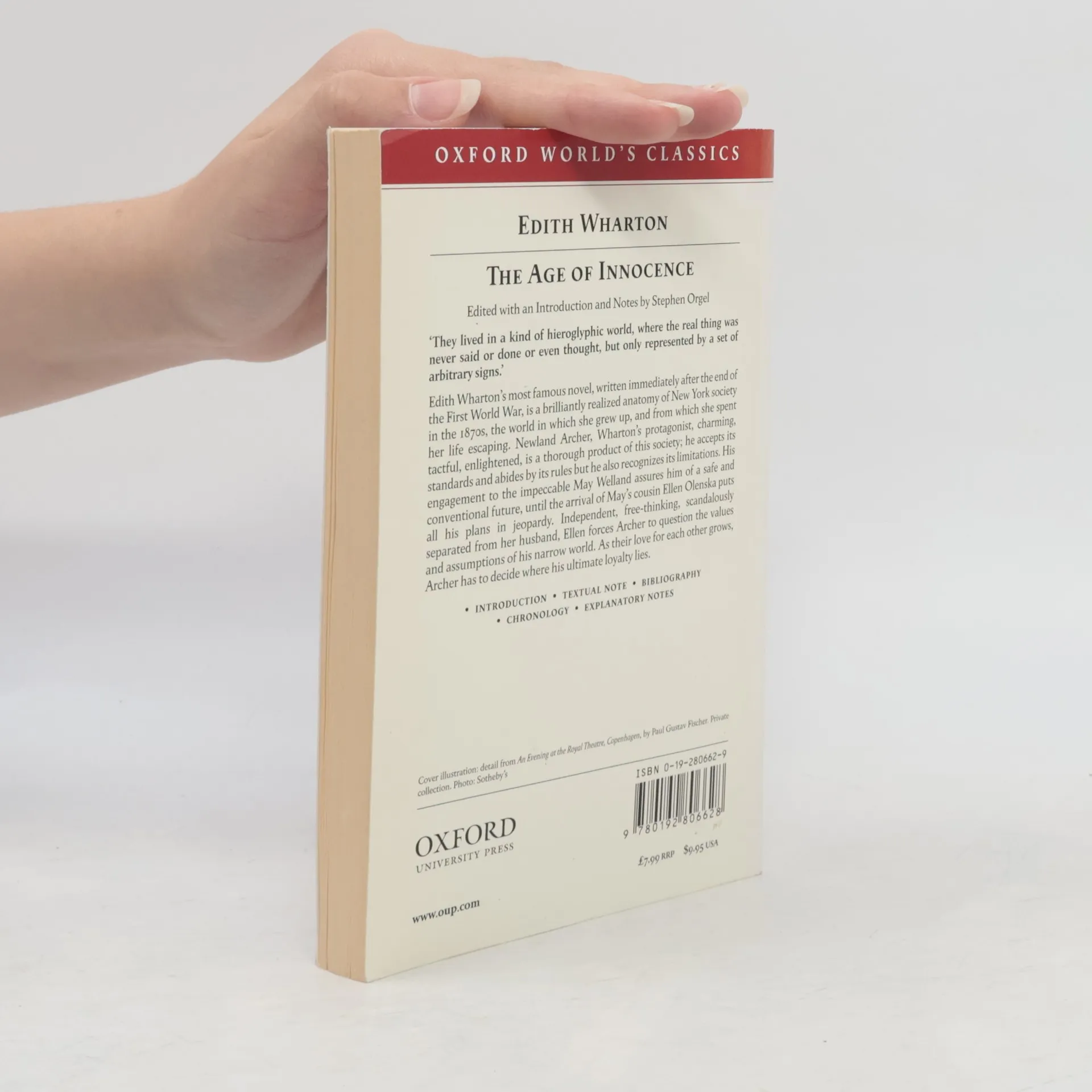
The Age of Innocence , Edith Wharton's most famous novel, is a love story, written immediately after the end of the First World War. Its brilliant anatomization of the snobbery and hypocrisy of the wealthy elite of New York society in the 1870s made it an instant classic, and it won the Pulitzer Prize in 1921. Newland Archer, Wharton's protagonist, charming, tactful, enlightened, is a thorough product of this society; he accepts its standards and abides by its rules but he also recognizes its limitations. His engagement to the impeccable May Welland assures him of a safe and conventional future, until the arrival of May's cousin Ellen Olenska. Independent, free-thinking, scandalously separated from her husband, Ellen forces Archer to question the values and assumptions of his narrow world. As their love for each other grows, Archer has to decide where his ultimate loyalty lies. Stephen Orgel's introduction and notes set the novel in the context of the period and discusses Wharton's skilfull weaving of characters and plot, her anthropological exactitude, and the novel's autobiographical overtones.


Vydanie





Nákup knihy
Oxford World's Classics: The Age of Innocence, Edith Wharton, Stephen Orgel
- Jazyk

- Rok vydania
- 2006
- Väzba
- (mäkká)
Platobné metódy
Tu nám chýba tvoja recenzia
- Jazyk
- anglicky
- Autori
- Edith Wharton, Stephen Orgel
- Vydavateľ
- Oxford University Press
- Rok vydania
- 2006
- Väzba
- mäkká
- Počet strán
- 255
- ISBN10
- 0192806629
- ISBN13
- 9780192806628
- Série
- Oxford Bookworms
- Štítky
- Beletria, Historické téma, Jazykové učebnice & Slovníky, Láska, Klasika, USA, Americká literatúra, 19. storočie, Sfilmované, Manželstvo, New York, Milostný trojuholník, Pulitzerova cena
- Prvé vydanie
- 1920
- Pôvodný názov
- The Age of Innocence
- Hodnotenie
- 3,85 z 5
- Anotácia
- The Age of Innocence , Edith Wharton's most famous novel, is a love story, written immediately after the end of the First World War. Its brilliant anatomization of the snobbery and hypocrisy of the wealthy elite of New York society in the 1870s made it an instant classic, and it won the Pulitzer Prize in 1921. Newland Archer, Wharton's protagonist, charming, tactful, enlightened, is a thorough product of this society; he accepts its standards and abides by its rules but he also recognizes its limitations. His engagement to the impeccable May Welland assures him of a safe and conventional future, until the arrival of May's cousin Ellen Olenska. Independent, free-thinking, scandalously separated from her husband, Ellen forces Archer to question the values and assumptions of his narrow world. As their love for each other grows, Archer has to decide where his ultimate loyalty lies. Stephen Orgel's introduction and notes set the novel in the context of the period and discusses Wharton's skilfull weaving of characters and plot, her anthropological exactitude, and the novel's autobiographical overtones.