

Viac o knihe
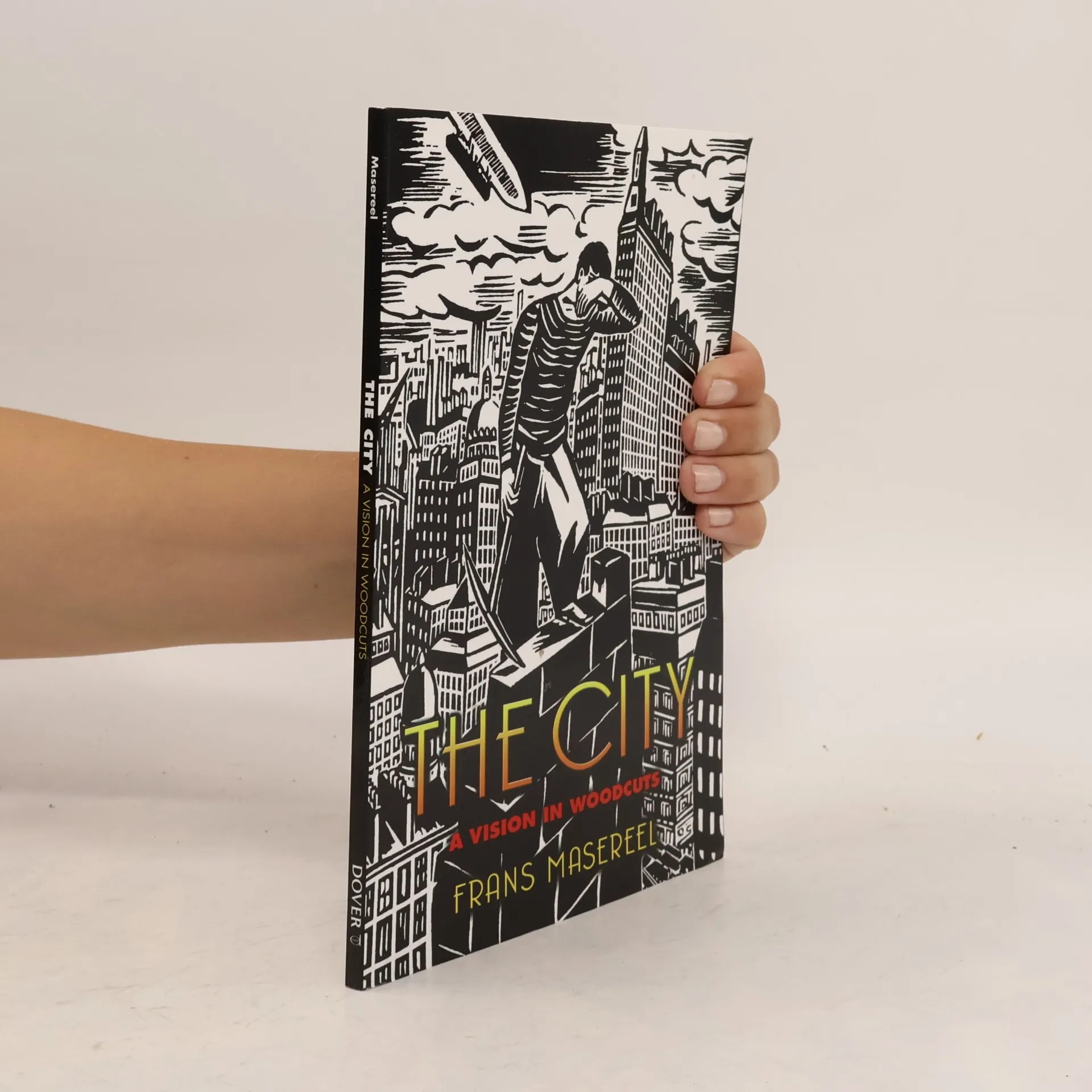
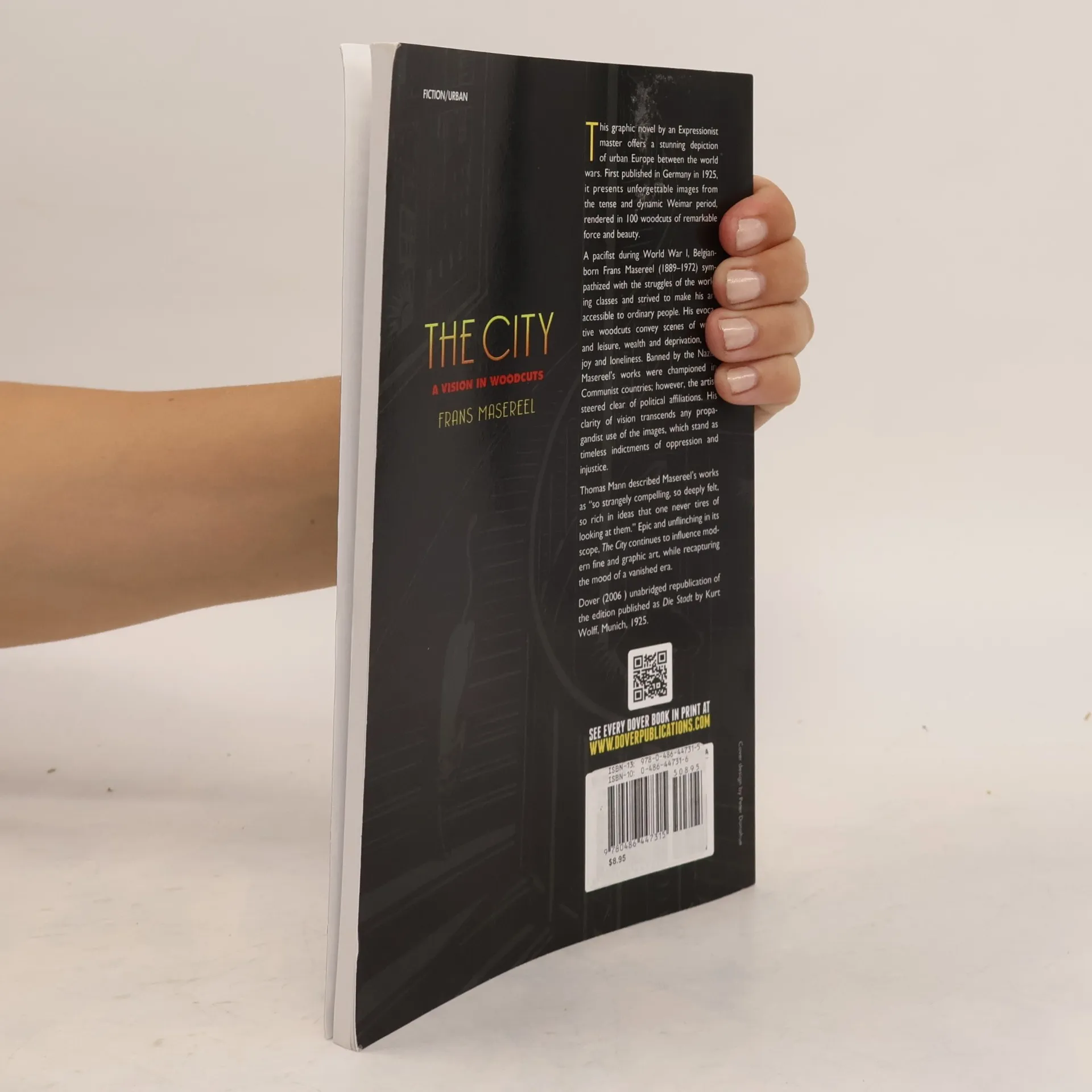
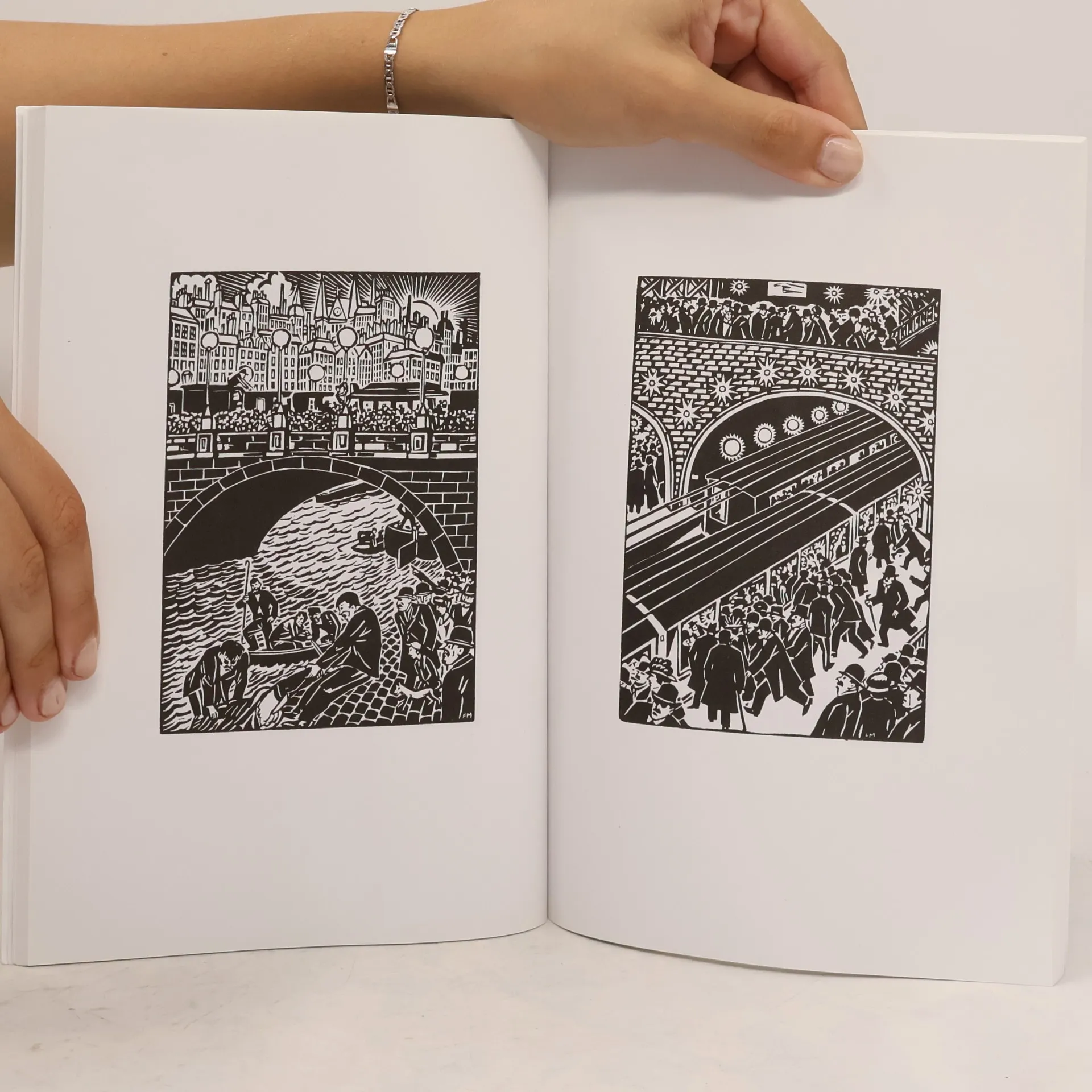
"An absolute song for an ongoing visit with timelessness." — The New York TimesThis graphic novel by an Expressionist master offers a stunning depiction of urban Europe between the world wars. First published in Germany in 1925, it presents unforgettable images from the tense and dynamic Weimar period, rendered in 100 woodcuts of remarkable force and beauty.A pacifist during World War I, Belgian-born Frans Masereel (1889-1972) sympathized with the struggles of the working classes and strived to make his art accessible to ordinary people. His evocative woodcuts convey scenes of work and leisure, wealth and deprivation, and joy and loneliness. Banned by the Nazis, Masereel's works were championed in Communist countries; however, the artist steered clear of political affiliations. His clarity of vision transcends any propagandist use of the images, which stand as timeless indictments of oppression and injustice.Thomas Mann described Masereel's works as "so strangely compelling, so deeply felt, so rich in ideas that one never tires of looking at them." Epic and unflinching in its scope, The City continues to influence modern fine and graphic art, while recapturing the mood of a vanished era.

Nákup knihy
The City A Vision In Woodcuts, Frans Masereel
- Jazyk

- Rok vydania
- 2006
- Väzba
- (mäkká),
- Stav knihy
- Veľmi dobrá
- Cena
- 3,59 €
Tu nám chýba tvoja recenzia
- Titul
- The City A Vision In Woodcuts
- Jazyk
- anglicky
- Autori
- Frans Masereel
- Vydavateľ
- Courier Corporation
- Rok vydania
- 2006
- Väzba
- mäkká
- Počet strán
- 112
- ISBN10
- 0486447316
- ISBN13
- 9780486447315
- Série
- Štítky
- Mestá
- Hodnotenie
- 4,3 z 5
- Anotácia
- "An absolute song for an ongoing visit with timelessness." — The New York TimesThis graphic novel by an Expressionist master offers a stunning depiction of urban Europe between the world wars. First published in Germany in 1925, it presents unforgettable images from the tense and dynamic Weimar period, rendered in 100 woodcuts of remarkable force and beauty.A pacifist during World War I, Belgian-born Frans Masereel (1889-1972) sympathized with the struggles of the working classes and strived to make his art accessible to ordinary people. His evocative woodcuts convey scenes of work and leisure, wealth and deprivation, and joy and loneliness. Banned by the Nazis, Masereel's works were championed in Communist countries; however, the artist steered clear of political affiliations. His clarity of vision transcends any propagandist use of the images, which stand as timeless indictments of oppression and injustice.Thomas Mann described Masereel's works as "so strangely compelling, so deeply felt, so rich in ideas that one never tires of looking at them." Epic and unflinching in its scope, The City continues to influence modern fine and graphic art, while recapturing the mood of a vanished era.