

Série
Viac o knihe
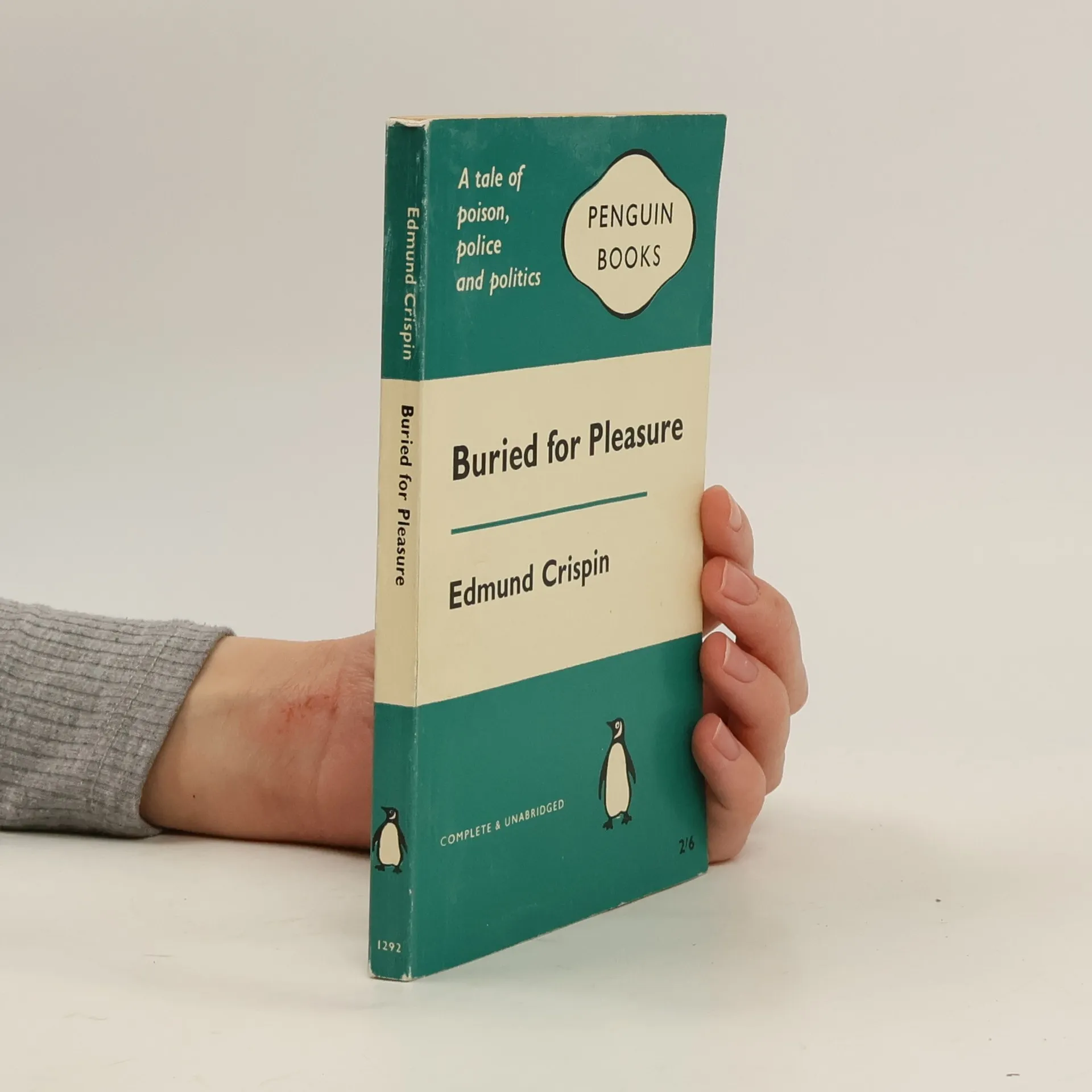
The classic crime thrillers of Edmund Crispin are quite unlike any others in their constantly digressing good humour, their smart puzzle-setting and their strong-skewed sense of what is right and fair. In Buried for Pleasure, his don-detective Gervase Fenn comes to the out-of-way village of Sanford Angelorum to stand in a Parliamentary by-election; he has just finished a major piece of academic work and needs diversion. Almost at once, he recognises another guest in the hotel as an incognito police inspector from London, learns of a local woman poisoned by her blackmailer and then Inspector Bussy is killed, seemingly stabbed in the throat by an escaped lunatic. Not especially enjoying the by-election, Fenn takes a hand in the investigation and finds himself caught up with dotty psychiatrists, ecclesiastical poltergeists, lost heirs and a small and unappealing pig. As Jonathan Gash points out in his introduction, it would be a mistake to regard this as merely cosy or merely a romp; the Crispin novels showed what could be done to the detective novel with a bit of style. Fenn is a fascinating detective because we get to know so much of the over-stocked interior of his highly intelligent head.



Nákup knihy
Buried for Pleasure, Edmund Crispin
- Jazyk

- Rok vydania
- 1958
- Väzba
- (mäkká)
Platobné metódy
Tu nám chýba tvoja recenzia
- Titul
- Buried for Pleasure
- Jazyk
- anglicky
- Autori
- Edmund Crispin
- Vydavateľ
- Penguin Books
- Rok vydania
- 1958
- Väzba
- mäkká
- Série
- Gervase Fen
- Štítky
- Beletria, Detektívky & Thriller, Detektívky, Thrillery, Britská literatúra, Klasické detektívky, Detektív
- Hodnotenie
- 3,55 z 5
- Anotácia
- The classic crime thrillers of Edmund Crispin are quite unlike any others in their constantly digressing good humour, their smart puzzle-setting and their strong-skewed sense of what is right and fair. In Buried for Pleasure, his don-detective Gervase Fenn comes to the out-of-way village of Sanford Angelorum to stand in a Parliamentary by-election; he has just finished a major piece of academic work and needs diversion. Almost at once, he recognises another guest in the hotel as an incognito police inspector from London, learns of a local woman poisoned by her blackmailer and then Inspector Bussy is killed, seemingly stabbed in the throat by an escaped lunatic. Not especially enjoying the by-election, Fenn takes a hand in the investigation and finds himself caught up with dotty psychiatrists, ecclesiastical poltergeists, lost heirs and a small and unappealing pig. As Jonathan Gash points out in his introduction, it would be a mistake to regard this as merely cosy or merely a romp; the Crispin novels showed what could be done to the detective novel with a bit of style. Fenn is a fascinating detective because we get to know so much of the over-stocked interior of his highly intelligent head.