

Kniha momentálne nie je na sklade
Viac o knihe
Shakespeare's portrayal of Caesar presents a modern, complex character who grapples with vulnerability and self-awareness, diverging from Plutarch's depiction. The play's open-ended structure suggests that the consequences of events extend beyond its conclusion, complicating the interpretation of its historical significance. John D. Cox's introduction explores genre, characterization, and rhetoric, complemented by a comprehensive history of critical perspectives. Additionally, the appendices include key excerpts from influential works by Lucretius, Plutarch, and Montaigne, enriching the understanding of the play's context.


Vydanie


- 2024

- 2024
- 2023
- 2023
- 2023
- 2022
- 2022
- 2022
- 2022
- 2022
- 2022
- 2021
- 2021
- 2021
- 2018
- 2018
- 2017
- 2017
- 2016
- 2016
- 2015
- 2014
- 2014
- 2014
- 2013
- 2013
- 2012
- 2012
- 2012
- 2012
- 2012
- 2012
- 2012
- 2012
- 2012
- 2012
- 2012
- 2011
- 2011
- 2011
- 2011
- 2011
- 2011
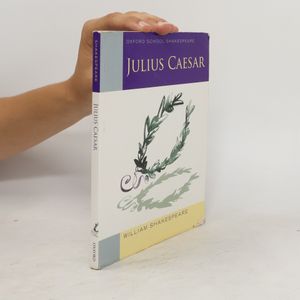
- 2010
- 2010
- 2009




- 2003


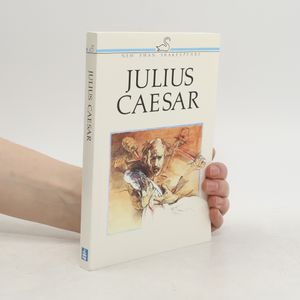
- 2000

- 1998
- 1997


- 1992














Platobné metódy
Tu nám chýba tvoja recenzia
- Titul
- Julius Caesar
- Jazyk
- anglicky
- Autori
- William Shakespeare
- Vydavateľ
- Rupa
- Rok vydania
- 2003
- Počet strán
- 106
- ISBN13
- 9788129101914
- Série
- Štítky
- Beletria, Historické téma, Klasika, Vojny, Vraždy, Úmrtia, Anglická literatúra, Divadelné hry, Zrada, Rím, Rómovia, Tragédia, Anglické drámy, Historické drámy, Gaius Julius Caesar
- Prvé vydanie
- 1599
- Pôvodný názov
- The Tragedy of Julius Caesar
- Hodnotenie
- 3,75 z 5
- Anotácia
- Shakespeare's portrayal of Caesar presents a modern, complex character who grapples with vulnerability and self-awareness, diverging from Plutarch's depiction. The play's open-ended structure suggests that the consequences of events extend beyond its conclusion, complicating the interpretation of its historical significance. John D. Cox's introduction explores genre, characterization, and rhetoric, complemented by a comprehensive history of critical perspectives. Additionally, the appendices include key excerpts from influential works by Lucretius, Plutarch, and Montaigne, enriching the understanding of the play's context.