

Viac o knihe
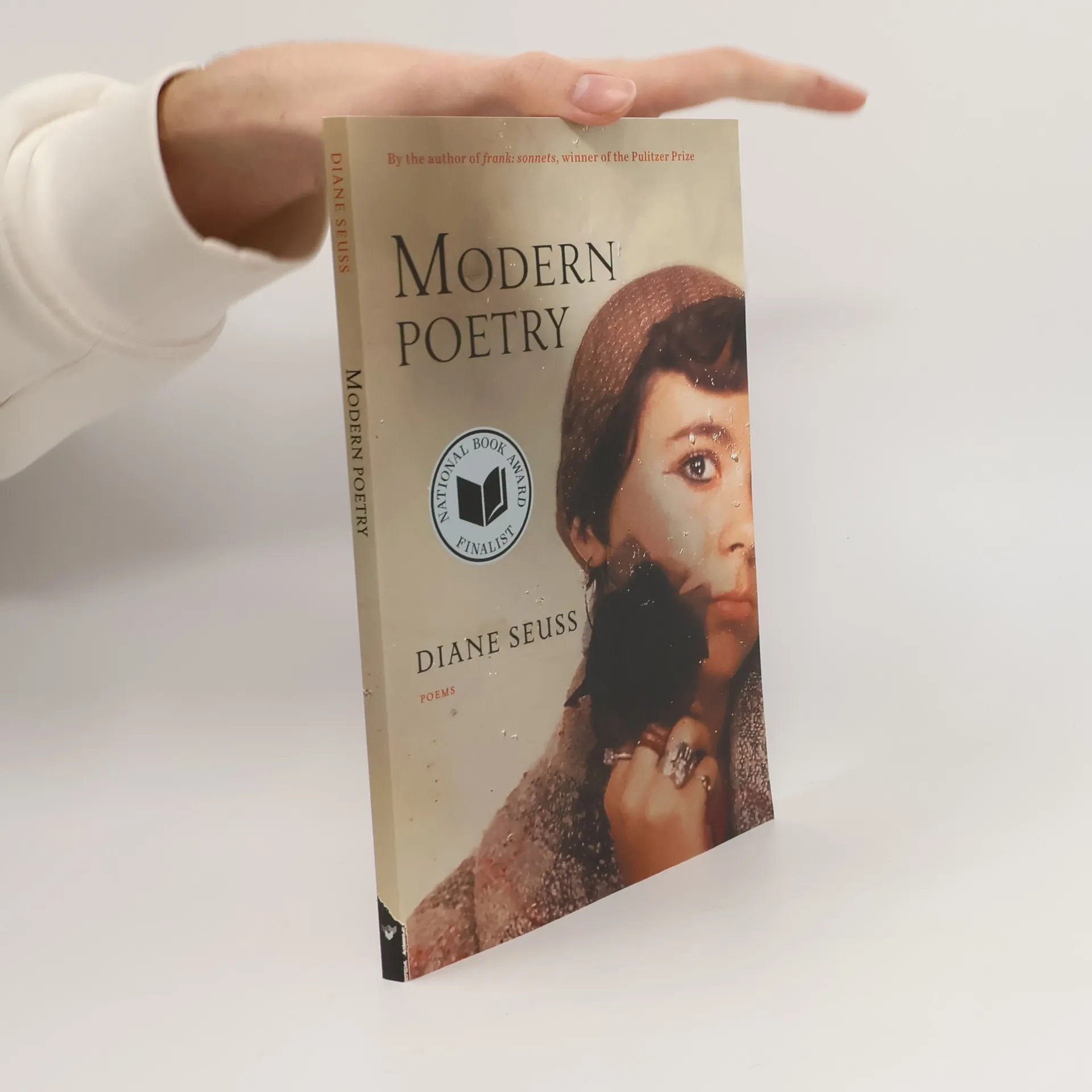
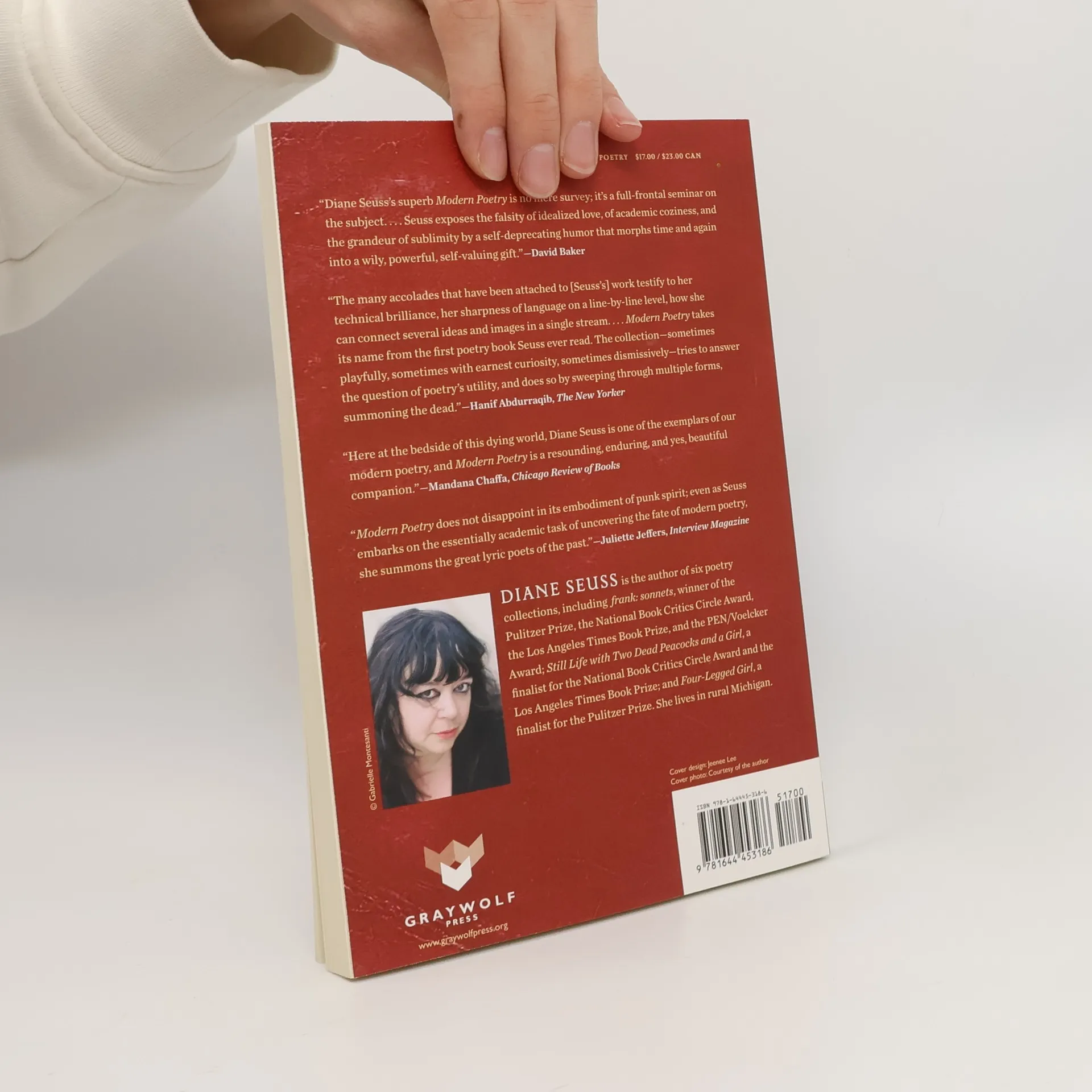
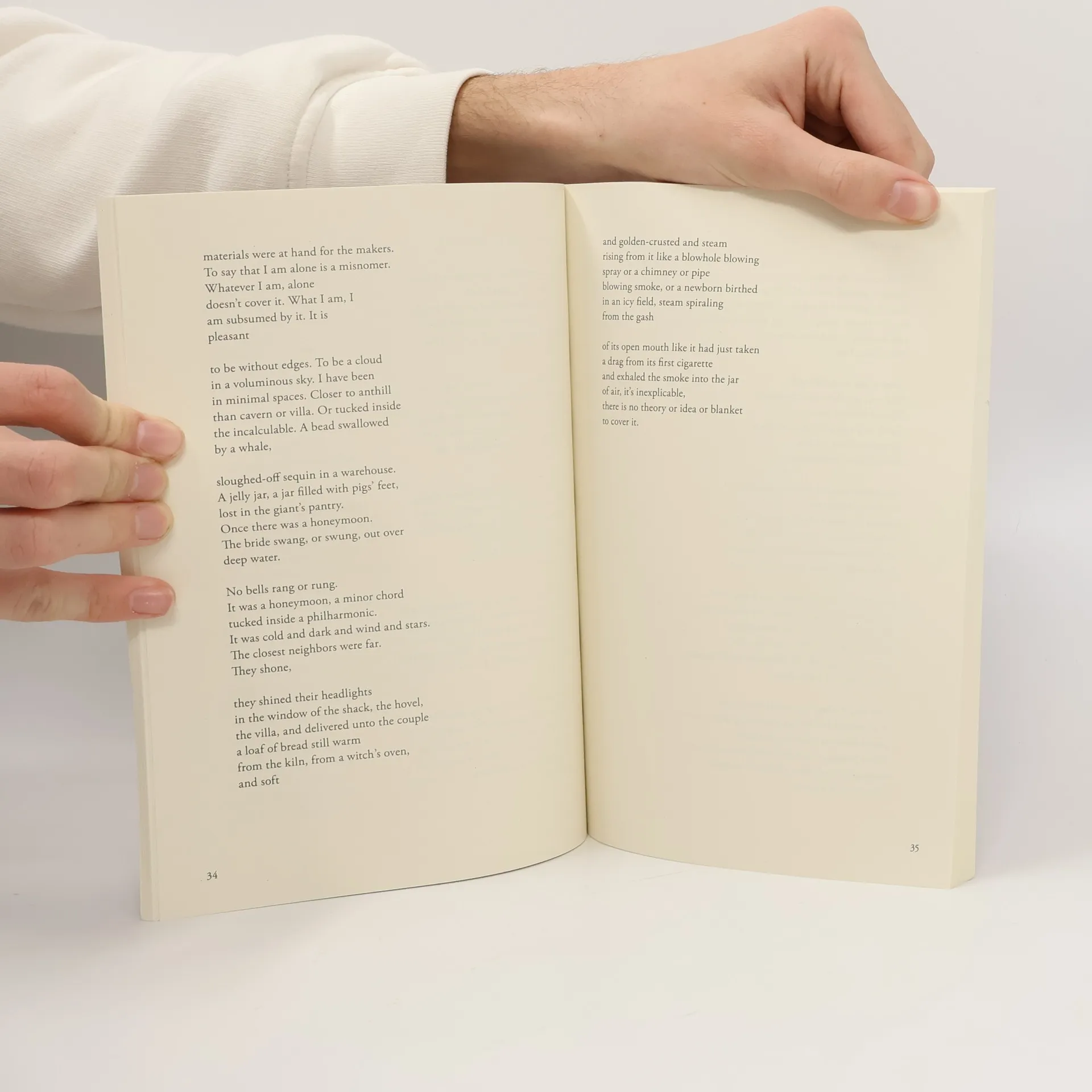
Diane Seuss’s signature voiceaudacious in its honesty, virtuosic in its artistry, outsider in its attitudehas become one of the most original in contemporary poetry. Her latest collection takes its title, Modern Poetry, from the first textbook Seuss encountered as a child and the first poetry course she took in college, as an enrapt but ill-equipped student, one who felt poetry was beyond her reach. Many of the poems make use of the forms and terms of musical and poetic craftballad, fugue, aria, refrain, codaand contend with the works of writers overrepresented in textbooks and anthologies and those too often underrepresented. Seuss provides a moving account of her picaresque years and their uncertainties, and in the process, she enters the realm between Modernism and Romanticism, between romance and objectivity, with Keats as ghost, lover, and interlocutor. In poems of rangy curiosity, sharp humor, and illuminating self-scrutiny, Modern Poetry investigates our time’s deep isolation and divisiveness and asks: What can poetry be now? Do poems still have the capacity to mean? “It seems wrong / to curl now within the confines / of a poem,” Seuss writes. “You can’t hide / from what you made / inside what you made.” What she finds there, finally, is a surprising but unmistakable love.
Vydanie

Nákup knihy
Modern Poetry, Diane Seuss
- Jazyk

- Rok vydania
- 2024
- Väzba
- (mäkká)
Doručenie
Platobné metódy
Tu nám chýba tvoja recenzia
- Titul
- Modern Poetry
- Jazyk
- anglicky
- Autori
- Diane Seuss
- Rok vydania
- 2024
- Väzba
- mäkká
- Počet strán
- 128
- ISBN13
- 9781644453186
- Série
- Štítky
- Hodnotenie
- 4,25 z 5
- Anotácia
- Diane Seuss’s signature voiceaudacious in its honesty, virtuosic in its artistry, outsider in its attitudehas become one of the most original in contemporary poetry. Her latest collection takes its title, Modern Poetry, from the first textbook Seuss encountered as a child and the first poetry course she took in college, as an enrapt but ill-equipped student, one who felt poetry was beyond her reach. Many of the poems make use of the forms and terms of musical and poetic craftballad, fugue, aria, refrain, codaand contend with the works of writers overrepresented in textbooks and anthologies and those too often underrepresented. Seuss provides a moving account of her picaresque years and their uncertainties, and in the process, she enters the realm between Modernism and Romanticism, between romance and objectivity, with Keats as ghost, lover, and interlocutor. In poems of rangy curiosity, sharp humor, and illuminating self-scrutiny, Modern Poetry investigates our time’s deep isolation and divisiveness and asks: What can poetry be now? Do poems still have the capacity to mean? “It seems wrong / to curl now within the confines / of a poem,” Seuss writes. “You can’t hide / from what you made / inside what you made.” What she finds there, finally, is a surprising but unmistakable love.