




Parametre
- 272 stránok
- 10 hodin čítania
Viac o knihe
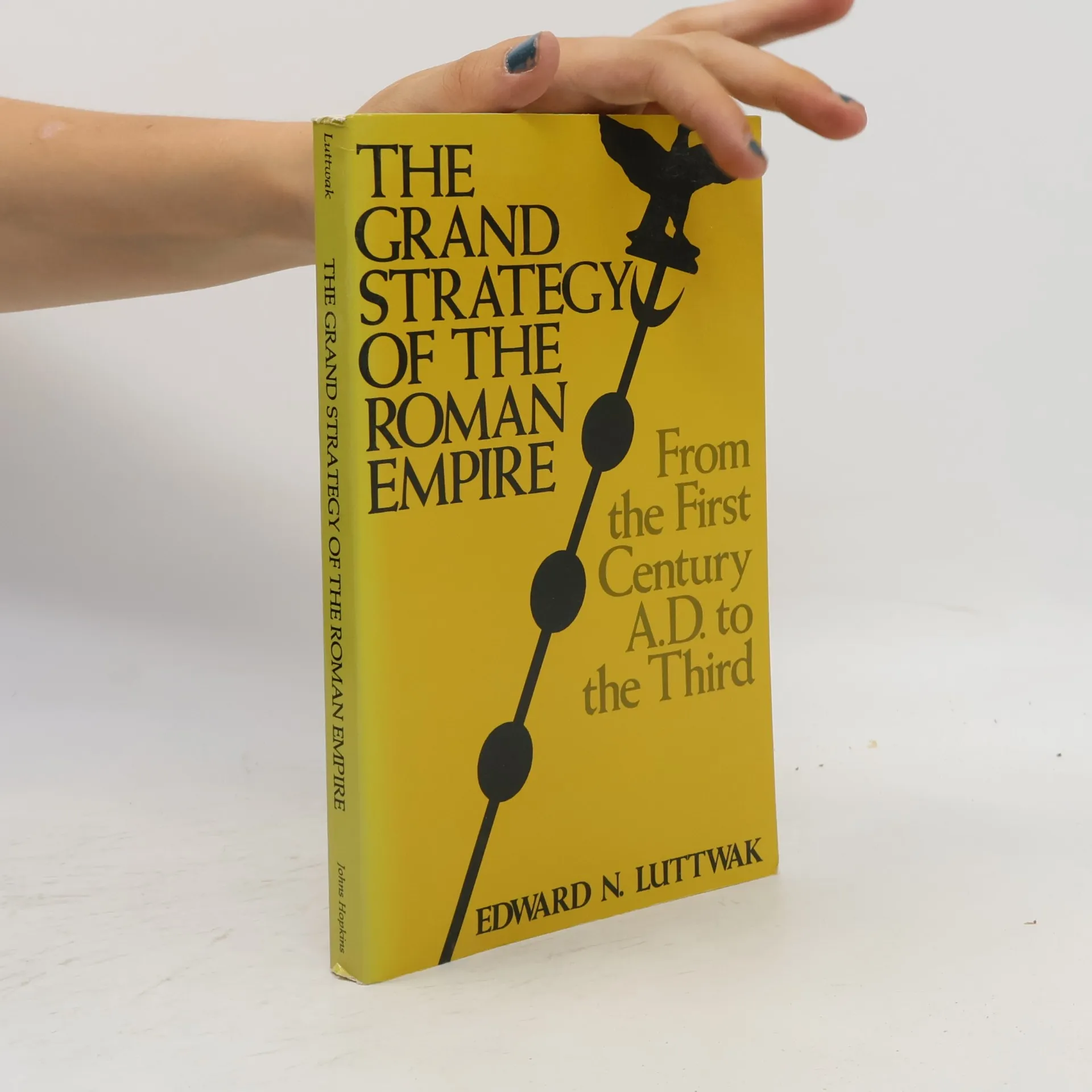
Originally published in 1976, this work examines the success of the Roman Empire from the 1st to the 3rd century A.D., attributing it to imperial military strategy. At its peak, the Empire spanned the Mediterranean and beyond, from Britain to Mesopotamia. Rome thrived for centuries, successfully repelling attacks ranging from petty raids to full-scale invasions. The book poses critical questions about how Roman troops defended vast territories at a moderate cost, allowing for the construction of extensive infrastructure, including highways, aqueducts, and temples. Edward N. Luttwak, a seasoned defense analyst, reveals that Rome's success lay in a combination of military strength, diplomacy, and fortifications, rather than constant warfare. The Romans initially relied on client states for defense but transitioned to a permanent frontier strategy around 117 CE. As barbarian invasions increased, Rome employed a "defense-in-depth" strategy, allowing invaders to breach borders while maintaining control. This updated edition incorporates recent scholarship and archaeological findings, with a new preface discussing Roman statecraft. The book remains essential for both ancient historians and modern strategy students. "A fascinating book, well written and forcefully argued... Luttwak's formulations are as refreshing as they are convincing." - Z. Yavetz, New Republic.




Nákup knihy
The Grand Strategy of the Roman Empire from the First Century AD to the Third, Edward Luttwak
- Jazyk

- Rok vydania
- 1979
- product-detail.submit-box.info.binding
- (mäkká),
- Stav knihy
- Poškodená
- Cena
- 10,92 €
Platobné metódy
Tu nám chýba tvoja recenzia
- Jazyk
- anglicky
- Autori
- Edward Luttwak
- Vydavateľ
- Johns Hopkins University Press
- Rok vydania
- 1979
- Väzba
- mäkká
- Počet strán
- 272
- ISBN10
- 0801821584
- ISBN13
- 9780801821585
- Série
- Štítky
- Náučná literatúra, Spoločenské vedy, Historické téma, História, Politológia & Politika, Politika, Vojenské dejiny, Vojnová próza, Vojny, Starovek, antika
- Hodnotenie
- 3,9 z 5
- Anotácia
- Originally published in 1976, this work examines the success of the Roman Empire from the 1st to the 3rd century A.D., attributing it to imperial military strategy. At its peak, the Empire spanned the Mediterranean and beyond, from Britain to Mesopotamia. Rome thrived for centuries, successfully repelling attacks ranging from petty raids to full-scale invasions. The book poses critical questions about how Roman troops defended vast territories at a moderate cost, allowing for the construction of extensive infrastructure, including highways, aqueducts, and temples. Edward N. Luttwak, a seasoned defense analyst, reveals that Rome's success lay in a combination of military strength, diplomacy, and fortifications, rather than constant warfare. The Romans initially relied on client states for defense but transitioned to a permanent frontier strategy around 117 CE. As barbarian invasions increased, Rome employed a "defense-in-depth" strategy, allowing invaders to breach borders while maintaining control. This updated edition incorporates recent scholarship and archaeological findings, with a new preface discussing Roman statecraft. The book remains essential for both ancient historians and modern strategy students. "A fascinating book, well written and forcefully argued... Luttwak's formulations are as refreshing as they are convincing." - Z. Yavetz, New Republic.