



Viac o knihe
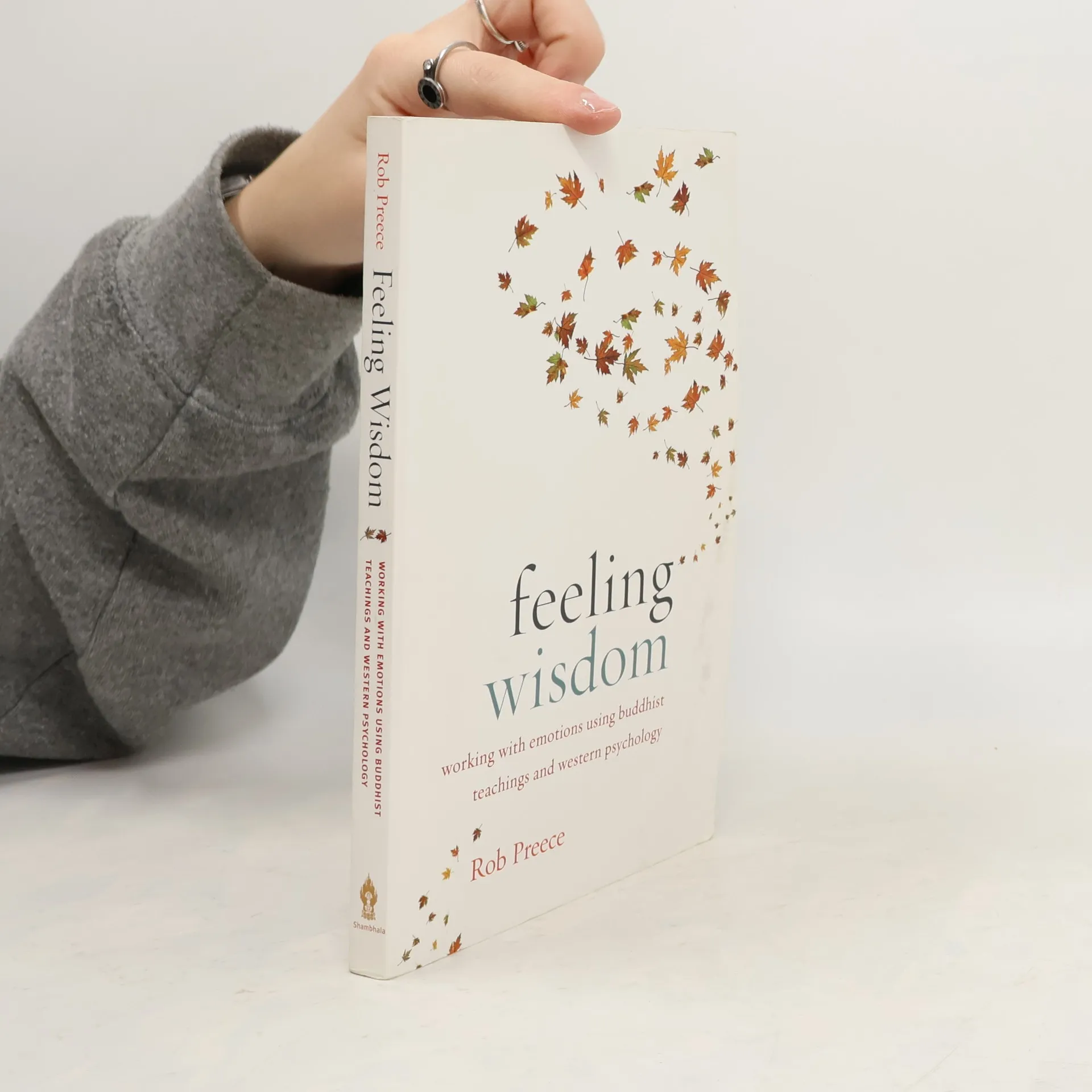
A psychologist and longtime practitioner of Tibetan Buddhism shows how emotions relate to spiritual practice--that our feeling life is truly at the heart of our awakening. The realm of emotion is one of those areas where Buddhism and Western psychology are often thought to be at odds: Are emotions to be valued, examined, worked with as signs leading us to deeper self-knowledge? Or are they something to be ignored and avoided as soon as we recognize them? Rob Preece feels that neither of those extremes is correct. He charts a path through the emotions as they relate to Buddhist practice, showing that though emotions are indeed "skandhas" (elements that make up the illusory self) according to the Buddhist teaching, there is a good deal to be learned from these skandhas, and paying attention to their content contributes not only to psychological health but to deep insight into the nature of reality. He draws on his own experiences with emotions and meditation, through both his training in Tibetan Buddhism and psychotherapy, to show how working with emotions can be a complement to meditation practice.
Nákup knihy
Feeling Wisdom, Rob Preece
- Jazyk

- Rok vydania
- 2015
- Väzba
- (mäkká)
Tu nám chýba tvoja recenzia
- Titul
- Feeling Wisdom
- Jazyk
- anglicky
- Autori
- Rob Preece
- Vydavateľ
- Shambhala Publications Inc
- Rok vydania
- 2015
- Väzba
- mäkká
- Počet strán
- 174
- ISBN10
- 1611801680
- ISBN13
- 9781611801682
- Série
- Štítky
- Náboženské témy
- Hodnotenie
- 3,9 z 5
- Anotácia
- A psychologist and longtime practitioner of Tibetan Buddhism shows how emotions relate to spiritual practice--that our feeling life is truly at the heart of our awakening. The realm of emotion is one of those areas where Buddhism and Western psychology are often thought to be at odds: Are emotions to be valued, examined, worked with as signs leading us to deeper self-knowledge? Or are they something to be ignored and avoided as soon as we recognize them? Rob Preece feels that neither of those extremes is correct. He charts a path through the emotions as they relate to Buddhist practice, showing that though emotions are indeed "skandhas" (elements that make up the illusory self) according to the Buddhist teaching, there is a good deal to be learned from these skandhas, and paying attention to their content contributes not only to psychological health but to deep insight into the nature of reality. He draws on his own experiences with emotions and meditation, through both his training in Tibetan Buddhism and psychotherapy, to show how working with emotions can be a complement to meditation practice.