

Viac o knihe
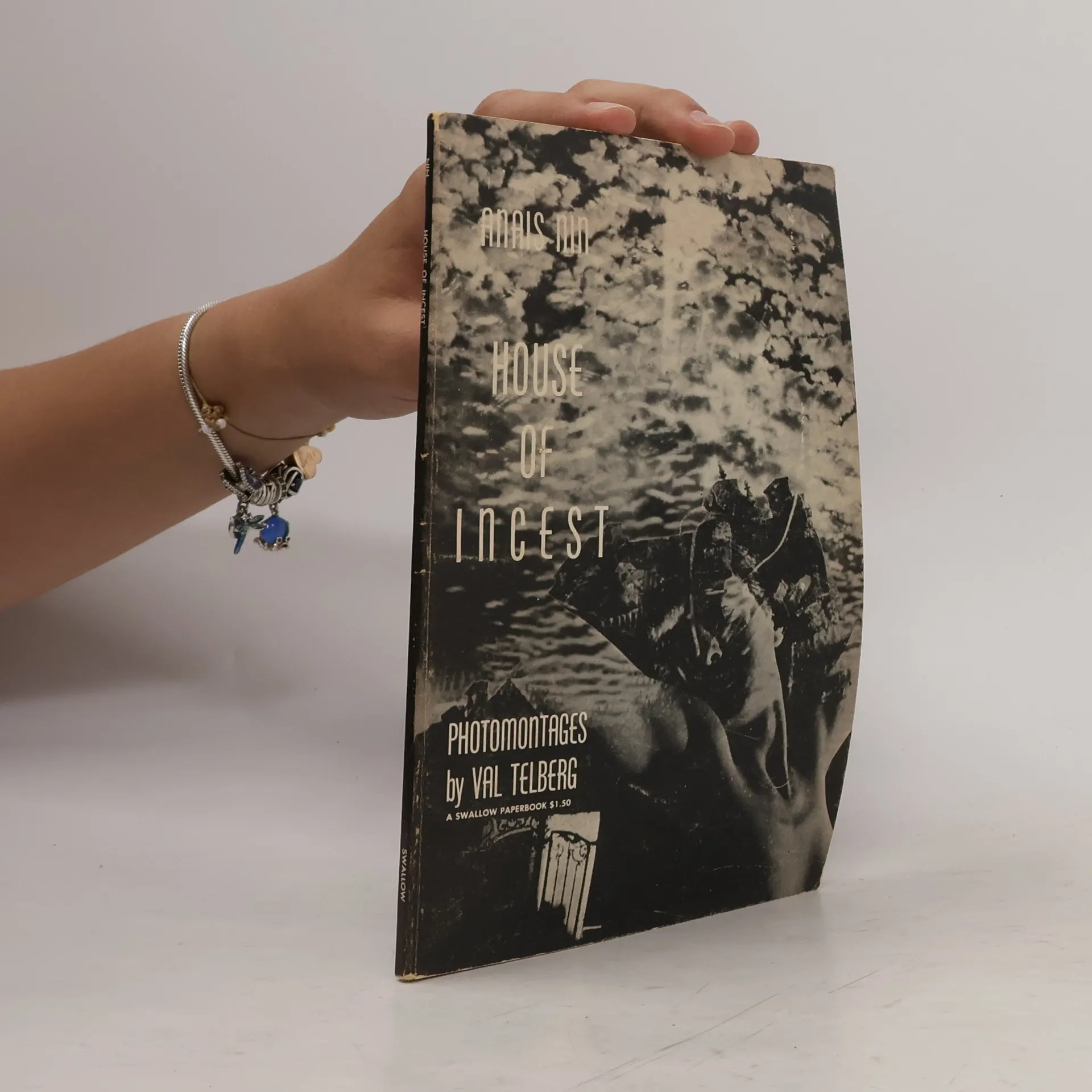
With an introduction by Allison Pease, this new edition of House of Incest is a lyrical journey into the subconscious mind of one of the most celebrated feminist writers of the twentieth-century. Originally published in 1936, House of Incest is Anaïs Nin’s first work of fiction. Based on Nin’s dreams, the novel is a surrealistic look within the narrator’s subconscious as she attempts to distance herself from a series of all-consuming and often taboo desires she cannot bear to let go. The incest Nin depicts is a metaphor—a selfish love wherein a woman can appreciate only qualities in a lover that are similar to her own. Through a descriptive exploration of romances and attractions between women, between a sister and her beloved brother, and with a Christ-like man, Nin’s narrator discovers what she thinks is that a woman’s most perfect love is of herself. At first, this self-love seems ideal because it is attainable without fear and risk of heartbreak. But in time, the narrator’s chosen isolation and self-possessed anguish give way to a visceral nightmare from which she is unable to wake.



Nákup knihy
House of Incest, Anaïs Nin
- Jazyk

- Rok vydania
- 1989
- product-detail.submit-box.info.binding
- (mäkká)
Platobné metódy
Tu nám chýba tvoja recenzia
- Titul
- House of Incest
- Jazyk
- anglicky
- Autori
- Anaïs Nin
- Vydavateľ
- Ohio University Press
- Rok vydania
- 1989
- Väzba
- mäkká
- Počet strán
- 72
- ISBN10
- 0804001480
- ISBN13
- 9780804001489
- Série
- Štítky
- Beletria, Poézia, Klasika, Francúzsko, Erotika, Francúzska literatúra
- Pôvodný názov
- House of incest
- Hodnotenie
- 4,2 z 5
- Anotácia
- With an introduction by Allison Pease, this new edition of House of Incest is a lyrical journey into the subconscious mind of one of the most celebrated feminist writers of the twentieth-century. Originally published in 1936, House of Incest is Anaïs Nin’s first work of fiction. Based on Nin’s dreams, the novel is a surrealistic look within the narrator’s subconscious as she attempts to distance herself from a series of all-consuming and often taboo desires she cannot bear to let go. The incest Nin depicts is a metaphor—a selfish love wherein a woman can appreciate only qualities in a lover that are similar to her own. Through a descriptive exploration of romances and attractions between women, between a sister and her beloved brother, and with a Christ-like man, Nin’s narrator discovers what she thinks is that a woman’s most perfect love is of herself. At first, this self-love seems ideal because it is attainable without fear and risk of heartbreak. But in time, the narrator’s chosen isolation and self-possessed anguish give way to a visceral nightmare from which she is unable to wake.