

Parametre
- 272 stránok
- 10 hodin čítania
Viac o knihe
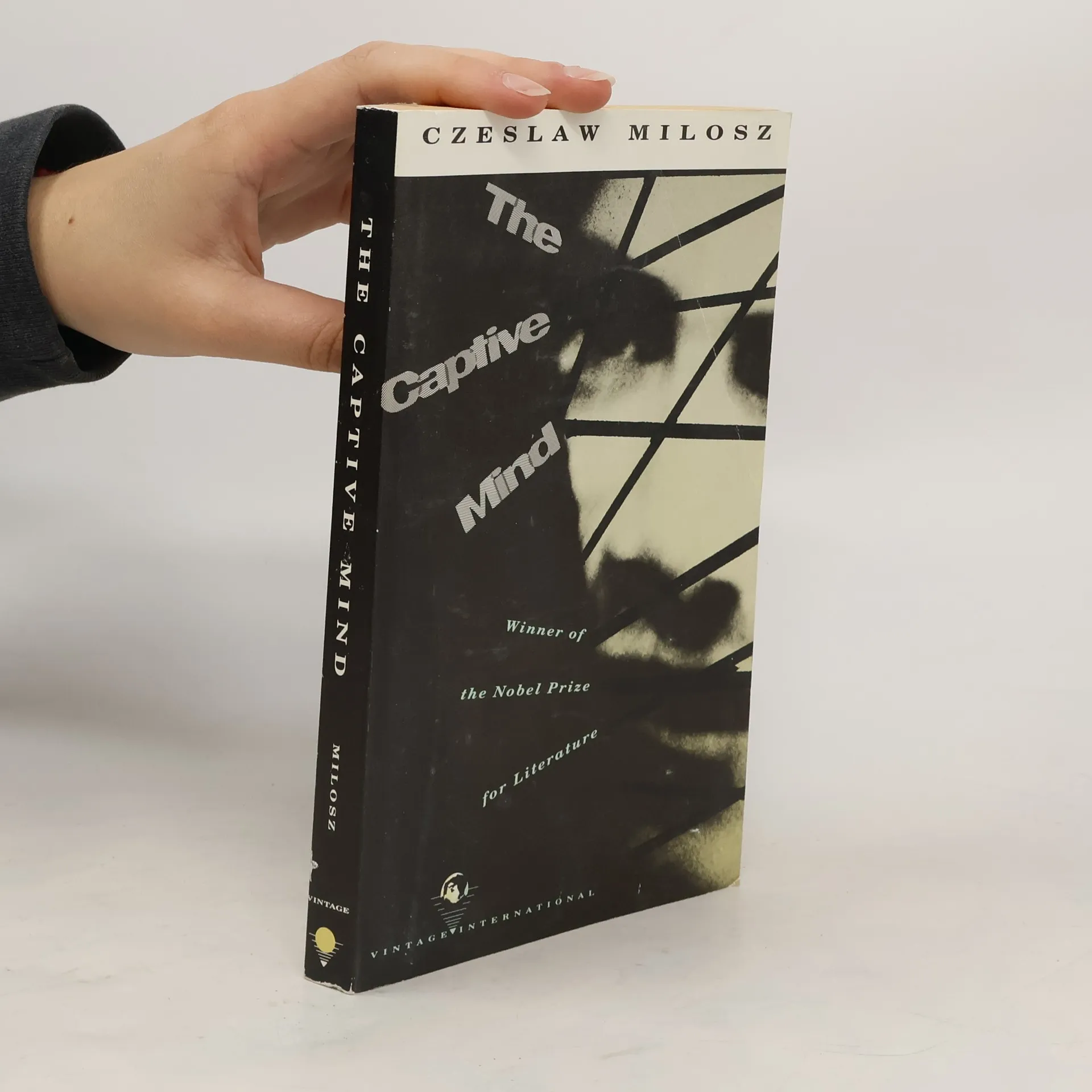
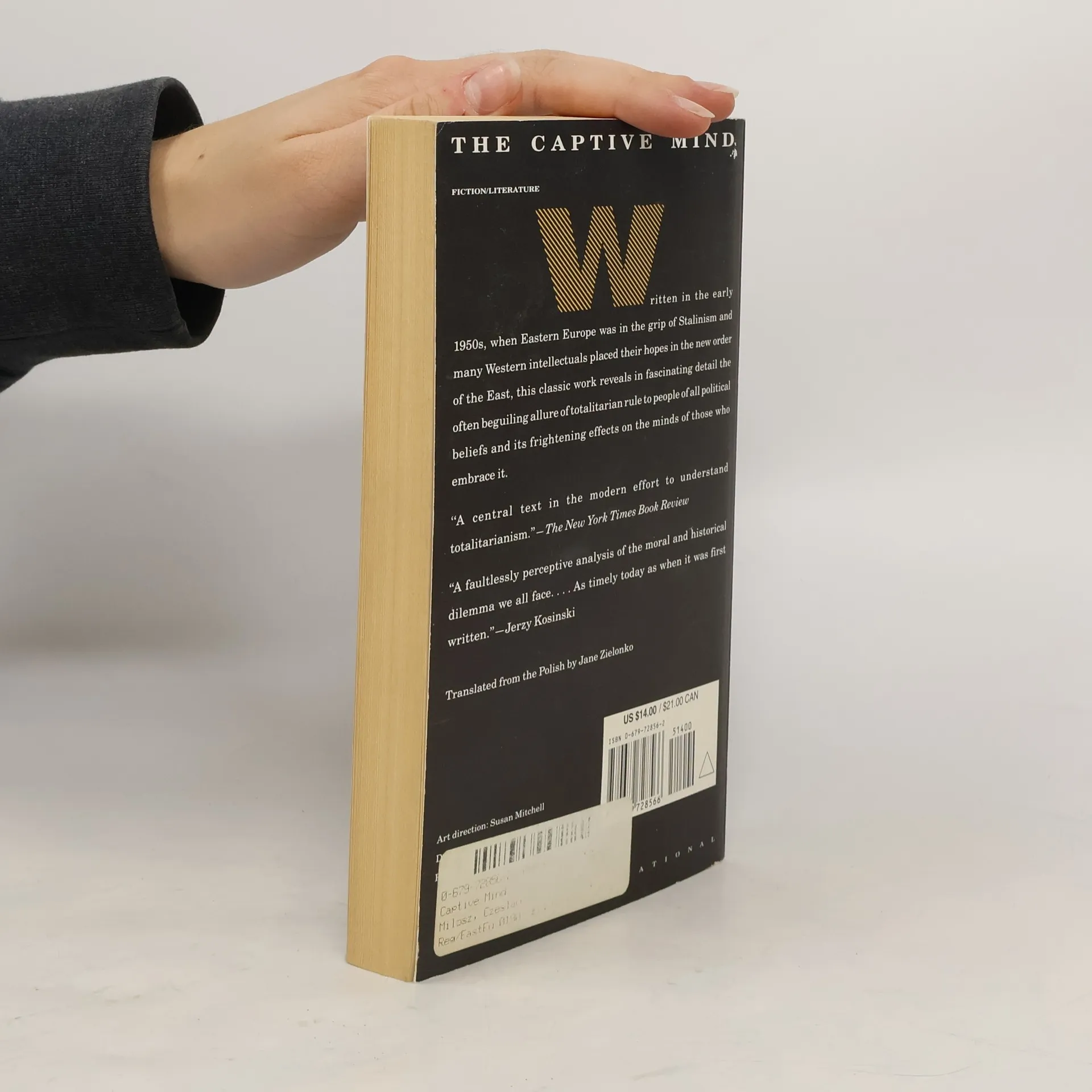
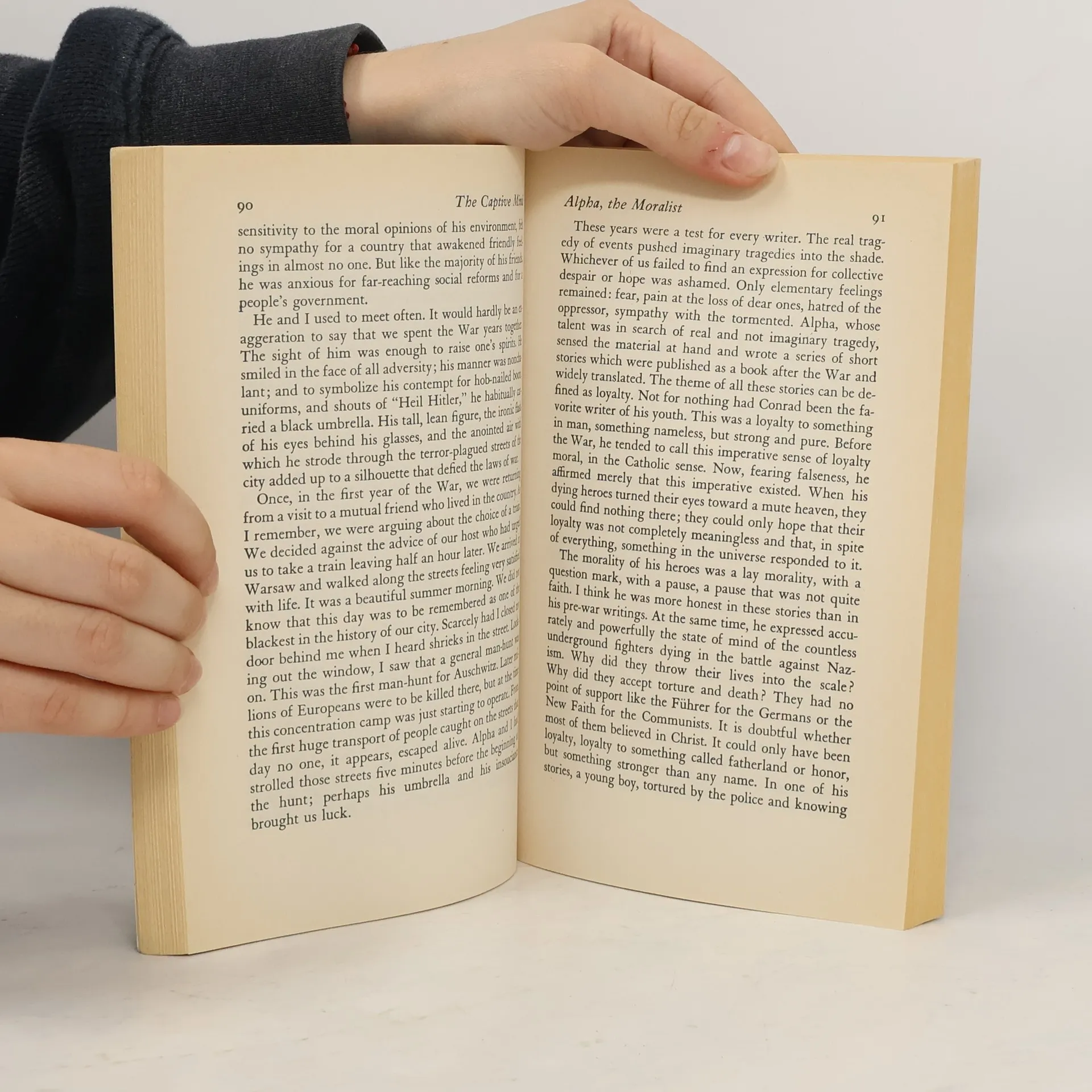
The Captive Mind begins with a discussion of the novel Insatiability by Stanisław Ignacy Witkiewicz and its plot device of Murti-Bing pills, which are used as a metaphor for dialectical materialism, but also for the deadening of the intellect caused by consumerism in Western society. The second chapter considers the way in which the West was seen at the time by residents of Central and Eastern Europe, while the third outlines the practice of Ketman, the act of paying lip service to authority while concealing personal opposition, describing seven forms applied in the people's democracies of mid-20th century Europe.The four chapters at the heart of the book then follow, each a portrayal of a gifted Polish man who capitulated, in some fashion, to the demands of the Communist state. They are identified only as Alpha, the Moralist; Beta, The Disappointed Lover; Gamma, the Slave of History; and Delta, the Troubadour. However, each of the four portraits were easily identifiable: Alpha is Jerzy Andrzejewski, Beta is Tadeusz Borowski, Gamma is Jerzy Putrament and Delta is Konstanty Ildefons Gałczyński.The book moves toward its climax with an elaboration of "enslavement through consciousness" in the penultimate chapter and closes with a pained and personal assessment of the fate of the Baltic nations in particular.




Nákup knihy
The Captive Mind, Czesław Miłosz
- Jazyk

- Rok vydania
- 1990
- product-detail.submit-box.info.binding
- (mäkká)
Platobné metódy
Tu nám chýba tvoja recenzia
- Titul
- The Captive Mind
- Jazyk
- anglicky
- Autori
- Czesław Miłosz
- Vydavateľ
- Vintage
- Rok vydania
- 1990
- Väzba
- mäkká
- Počet strán
- 272
- ISBN10
- 0679728562
- ISBN13
- 9780679728566
- Série
- Štítky
- Náučná literatúra, Spoločenské vedy, Historické téma, História, Skutočné príbehy, Politológia & Politika, Filozofická tematika, Filozofia, Politika, Publicistika & Eseje, Poľská literatúra, Poľsko
- Prvé vydanie
- 1953
- Pôvodný názov
- Zniewolony umysł
- Hodnotenie
- 4,3 z 5
- Anotácia
- The Captive Mind begins with a discussion of the novel Insatiability by Stanisław Ignacy Witkiewicz and its plot device of Murti-Bing pills, which are used as a metaphor for dialectical materialism, but also for the deadening of the intellect caused by consumerism in Western society. The second chapter considers the way in which the West was seen at the time by residents of Central and Eastern Europe, while the third outlines the practice of Ketman, the act of paying lip service to authority while concealing personal opposition, describing seven forms applied in the people's democracies of mid-20th century Europe.The four chapters at the heart of the book then follow, each a portrayal of a gifted Polish man who capitulated, in some fashion, to the demands of the Communist state. They are identified only as Alpha, the Moralist; Beta, The Disappointed Lover; Gamma, the Slave of History; and Delta, the Troubadour. However, each of the four portraits were easily identifiable: Alpha is Jerzy Andrzejewski, Beta is Tadeusz Borowski, Gamma is Jerzy Putrament and Delta is Konstanty Ildefons Gałczyński.The book moves toward its climax with an elaboration of "enslavement through consciousness" in the penultimate chapter and closes with a pained and personal assessment of the fate of the Baltic nations in particular.