





Náhľad do vnútra Mosadu,že pochopí čitateľ prečo sú najlepšia informačná služba na svete.
Miláčik čitateľov je práve vypredaný


Parametre
- 396 stránok
- 14 hodin čítania
Viac o knihe
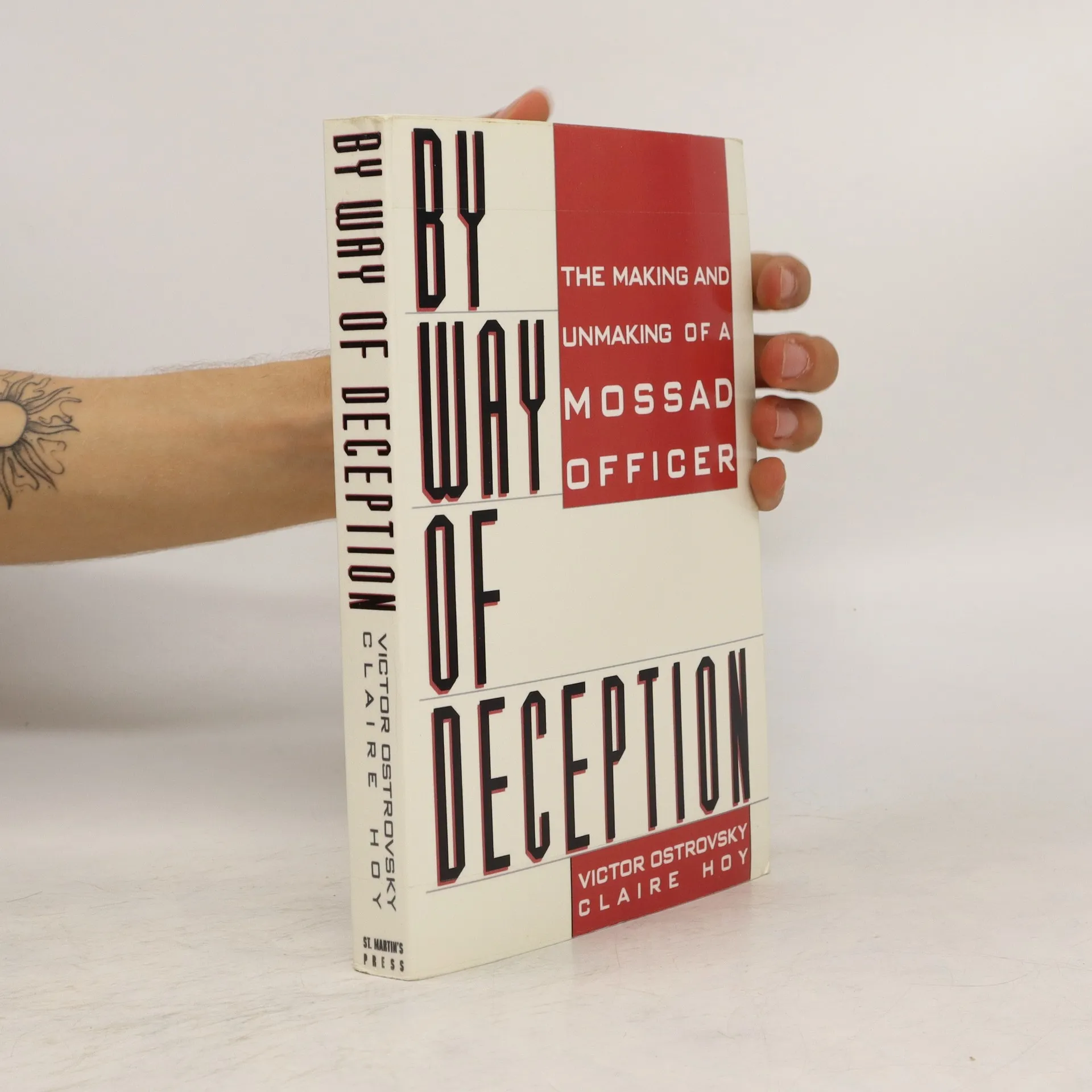
The first time the Mossad approached Victor Ostrovsky, it was for their assassination unit, the kidon, which he declined. On the second invitation, he entered a rigorous three-year training program to become a katsa, or intelligence case officer, for the renowned Israeli spy agency. This account reveals his experiences within the Mossad and two decades of its often ruthless covert operations globally. Ostrovsky provides an insider's perspective on Mossad tactics, detailing how they withheld critical information about a planned suicide mission in Beirut, resulting in the deaths of hundreds of U.S. Marines and French troops. He recounts how they tracked Yasser Arafat by enlisting his driver and bodyguard, and how they concealed information on American hostages, contributing to the Iran-Contra scandal. The narrative also covers the Mossad's role in secret UN negotiations that led to ambassador Andrew Young's resignation. Furthermore, it exposes the organization's influence, including how Jewish communities in various regions are secretly armed and trained in self-defense units, and how agents facilitate drug trafficking to fund their operations. Ostrovsky highlights a network that has spiraled out of control, with internal conflicts causing terrorist escapes and policies misaligned with Israel's interests. This work stands as one of the most significant and controversial of its kind since Spycatcher.
Nákup knihy
By way of deception, Claire Hoy, Victor Ostrovsky
- Jazyk

- Rok vydania
- 1991
- product-detail.submit-box.info.binding
- (mäkká)
Akonáhle sa objaví, pošleme e-mail.
Platobné metódy
- Titul
- By way of deception
- Jazyk
- anglicky
- Autori
- Claire Hoy, Victor Ostrovsky
- Vydavateľ
- St. Martin's Press
- Rok vydania
- 1991
- Väzba
- mäkká
- Počet strán
- 396
- ISBN10
- 0312926146
- ISBN13
- 9780312926144
- Série
- Štítky
- Náučná literatúra, Spoločenské vedy, Historické téma, História, Skutočné príbehy, Životopisy, Politológia & Politika, Politika, Autobiografie & Pamäti, Literatúra faktu, Vojenské dejiny, Vojnová próza, Vojny, Špionáž, Izrael, D dejiny 20. storočia, Tajné služby, Blízky a stredný východ, Mosad
- Prvé vydanie
- 1989
- Pôvodný názov
- By Way Of Deception
- Hodnotenie
- 3,9 z 5
- Anotácia
- The first time the Mossad approached Victor Ostrovsky, it was for their assassination unit, the kidon, which he declined. On the second invitation, he entered a rigorous three-year training program to become a katsa, or intelligence case officer, for the renowned Israeli spy agency. This account reveals his experiences within the Mossad and two decades of its often ruthless covert operations globally. Ostrovsky provides an insider's perspective on Mossad tactics, detailing how they withheld critical information about a planned suicide mission in Beirut, resulting in the deaths of hundreds of U.S. Marines and French troops. He recounts how they tracked Yasser Arafat by enlisting his driver and bodyguard, and how they concealed information on American hostages, contributing to the Iran-Contra scandal. The narrative also covers the Mossad's role in secret UN negotiations that led to ambassador Andrew Young's resignation. Furthermore, it exposes the organization's influence, including how Jewish communities in various regions are secretly armed and trained in self-defense units, and how agents facilitate drug trafficking to fund their operations. Ostrovsky highlights a network that has spiraled out of control, with internal conflicts causing terrorist escapes and policies misaligned with Israel's interests. This work stands as one of the most significant and controversial of its kind since Spycatcher.