

Parametre
Viac o knihe
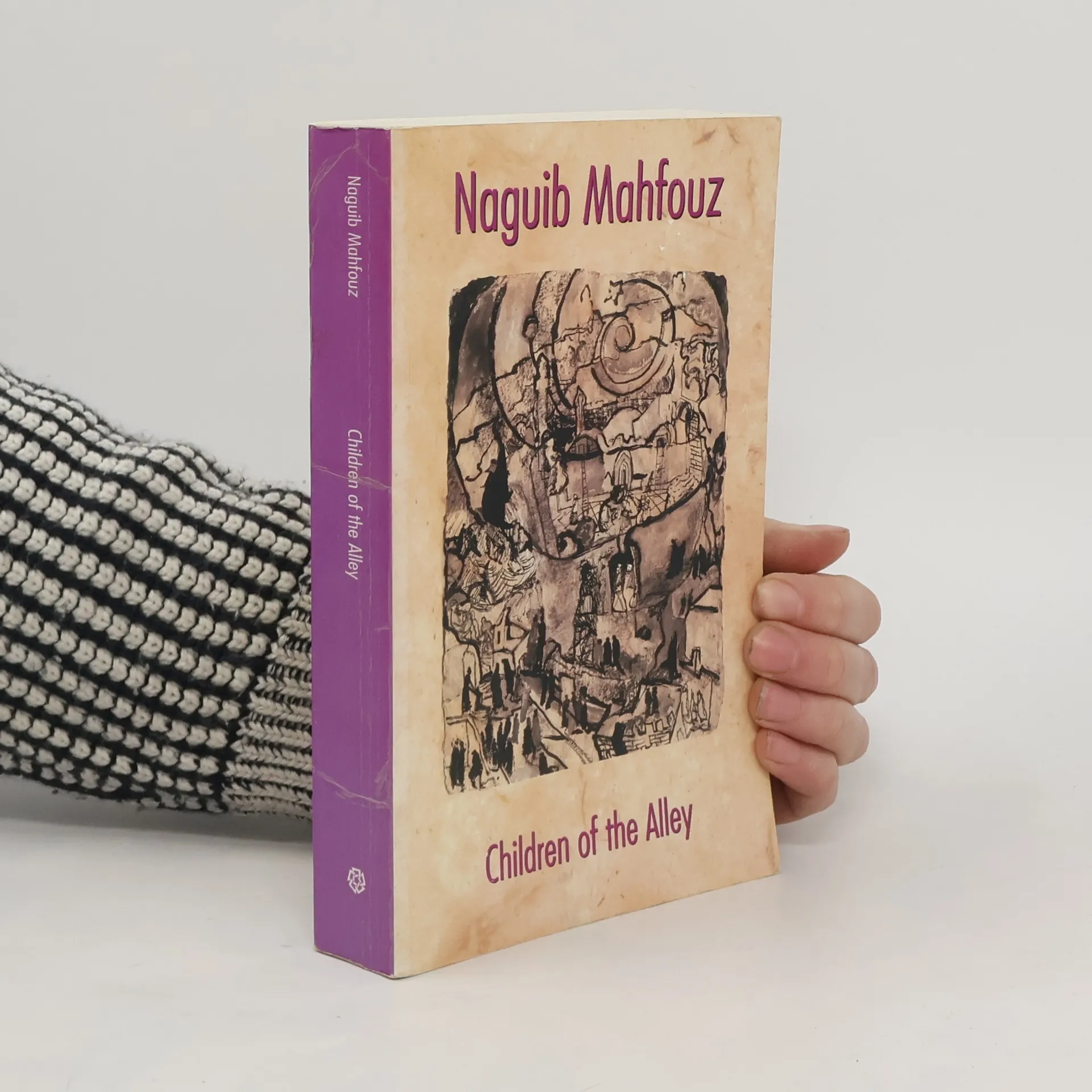
The history of a Cairo alley through several generations. Successive heroes struggle to restore the rights of the people to the trust fund set up by their ancestor Gebelaawi, usurped by embezzlers and tyrants. Mahfouz creates in all its detail a world on the frontier between the real and the imaginary. At a deeper level, the book is an allegory whose heroes relive the lives of Adam and Eve, Cain and Abel, Moses, Jesus and Muhammed. Their appearance in a modern context invites the reader to see them as human beings relevant to the present day, not as remote sacred figures - to the consternation of some traditionalists. Most controversial is the significance of Gebelaawi, the immensely long-lived patriarch. Mahfouz himself has said that his character represents 'not God, but a certain idea of God that men have made', standing for the god of those who forget the absolute transcendence of God affirmed by Islam.




Nákup knihy
Childern of The Alley, Nadžíb Mahfúd
- Jazyk

- Rok vydania
- 2001
- Väzba
- (mäkká)
Platobné metódy
Tu nám chýba tvoja recenzia
- Jazyk
- anglicky
- Autori
- Nadžíb Mahfúd
- Vydavateľ
- American University in Cairo Press
- Rok vydania
- 2001
- Väzba
- mäkká
- ISBN10
- 9774246799
- ISBN13
- 9789774246791
- Série
- Štítky
- Beletria, Historické romány, Klasika, Afrika, Egypt
- Prvé vydanie
- 1959
- Pôvodný názov
- أولاد حارتنا
- Hodnotenie
- 4,1 z 5
- Anotácia
- The history of a Cairo alley through several generations. Successive heroes struggle to restore the rights of the people to the trust fund set up by their ancestor Gebelaawi, usurped by embezzlers and tyrants. Mahfouz creates in all its detail a world on the frontier between the real and the imaginary. At a deeper level, the book is an allegory whose heroes relive the lives of Adam and Eve, Cain and Abel, Moses, Jesus and Muhammed. Their appearance in a modern context invites the reader to see them as human beings relevant to the present day, not as remote sacred figures - to the consternation of some traditionalists. Most controversial is the significance of Gebelaawi, the immensely long-lived patriarch. Mahfouz himself has said that his character represents 'not God, but a certain idea of God that men have made', standing for the god of those who forget the absolute transcendence of God affirmed by Islam.