

Viac o knihe
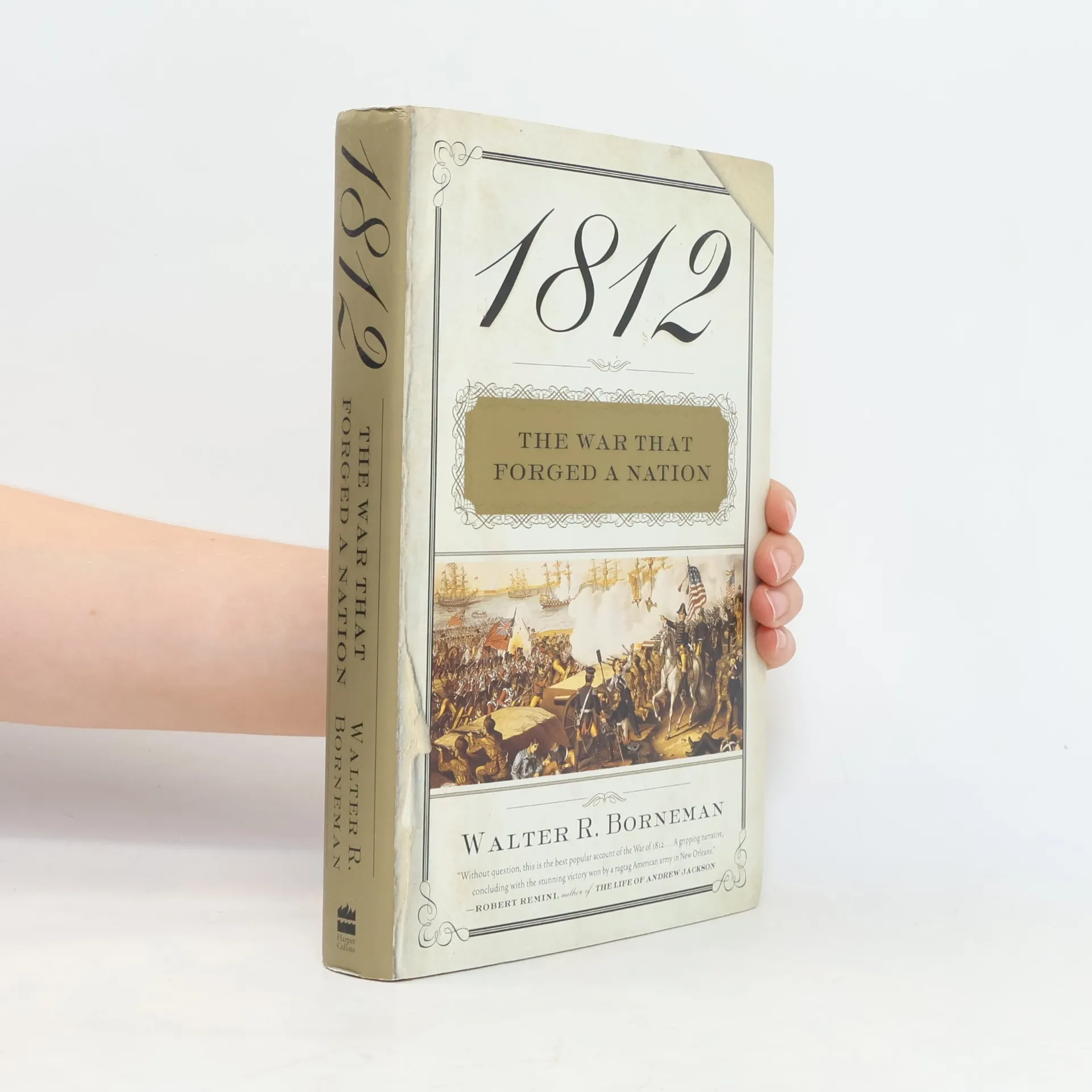
In June 1812, the fledgling United States boldly declared war on the British Empire. This conflict, fought with aging sailing ships and often inept generals, featured retaliatory attacks, including the burning of capitals and a legendary battle fought after a peace treaty was signed. The young American navy distinguished itself, with the USS Constitution, "Old Ironsides," sinking two British frigates, and Lieutenant Oliver Hazard Perry rallying forces with the flag "Don't Give Up the Ship" to reclaim Lake Erie. By 1814, the war evolved from issues of free trade and sailors' rights to a fight for national survival, exemplified by the defense of Fort McHenry, which protected Baltimore from destruction. The narrative includes notable figures such as American generals Henry "Granny" Dearborn, James Wilkinson, and Andrew Jackson, alongside British leaders like Sir Isaac Brock and Rear Admiral George Cockburn, who burned Washington. It also highlights individuals caught in the turmoil, like Laura Secord, often called Canada's Paul Revere, and Dr. William Beanes, whose capture inspired Francis Scott Key to write "The Star-Spangled Banner." This account emphasizes the War of 1812's crucial role in shaping the United States, bridging the gap between the American Revolution and the Civil War, and marking the nation's emergence from colonial dependence into a more assertive identity.



Platobné metódy
Tu nám chýba tvoja recenzia
- Titul
- 1812
- Podtitul
- The War That Forged a Nation
- Jazyk
- anglicky
- Autori
- Walter R. Borneman
- Vydavateľ
- HarperCollins
- Rok vydania
- 2004
- Väzba
- pevná
- Počet strán
- 368
- ISBN10
- 0060531126
- ISBN13
- 9780060531126
- Série
- Štítky
- Náučná literatúra, Spoločenské vedy, Historické téma, História, Politológia & Politika, Politika, Vojenské dejiny, Vojnová próza, Vojny, Dejiny USA
- Hodnotenie
- 3,85 z 5
- Anotácia
- In June 1812, the fledgling United States boldly declared war on the British Empire. This conflict, fought with aging sailing ships and often inept generals, featured retaliatory attacks, including the burning of capitals and a legendary battle fought after a peace treaty was signed. The young American navy distinguished itself, with the USS Constitution, "Old Ironsides," sinking two British frigates, and Lieutenant Oliver Hazard Perry rallying forces with the flag "Don't Give Up the Ship" to reclaim Lake Erie. By 1814, the war evolved from issues of free trade and sailors' rights to a fight for national survival, exemplified by the defense of Fort McHenry, which protected Baltimore from destruction. The narrative includes notable figures such as American generals Henry "Granny" Dearborn, James Wilkinson, and Andrew Jackson, alongside British leaders like Sir Isaac Brock and Rear Admiral George Cockburn, who burned Washington. It also highlights individuals caught in the turmoil, like Laura Secord, often called Canada's Paul Revere, and Dr. William Beanes, whose capture inspired Francis Scott Key to write "The Star-Spangled Banner." This account emphasizes the War of 1812's crucial role in shaping the United States, bridging the gap between the American Revolution and the Civil War, and marking the nation's emergence from colonial dependence into a more assertive identity.