





Viac o knihe
At the heart of Europe's history lies a puzzle: unlike much of the world, which has seen the rise of large political entities, Europe has remained chaotic and fractured. Attempts to unify the continent—by figures such as Charles V, Napoleon, and Hitler, and even the European Union—have often failed. This ambitious book explores Europe's shifting geopolitics and the unique circumstances that have made domination difficult yet fostered dynamism. It examines a landscape of competitive monarchies and republics whose rivalries fueled overseas expansion, particularly in the Americas. Additionally, it highlights the influence of external powers like Russia, the Ottoman Empire, Britain, and notably, the United States. Central to this narrative is Germany, a region that has historically been both a target and a threat due to its wealth and strategic position. This work promises to be the definitive account of this critical subject, offering a vivid and engaging exploration of Europe's complexities. As the continent's future appears uncertain once again, this timely examination is particularly relevant.




Nákup knihy
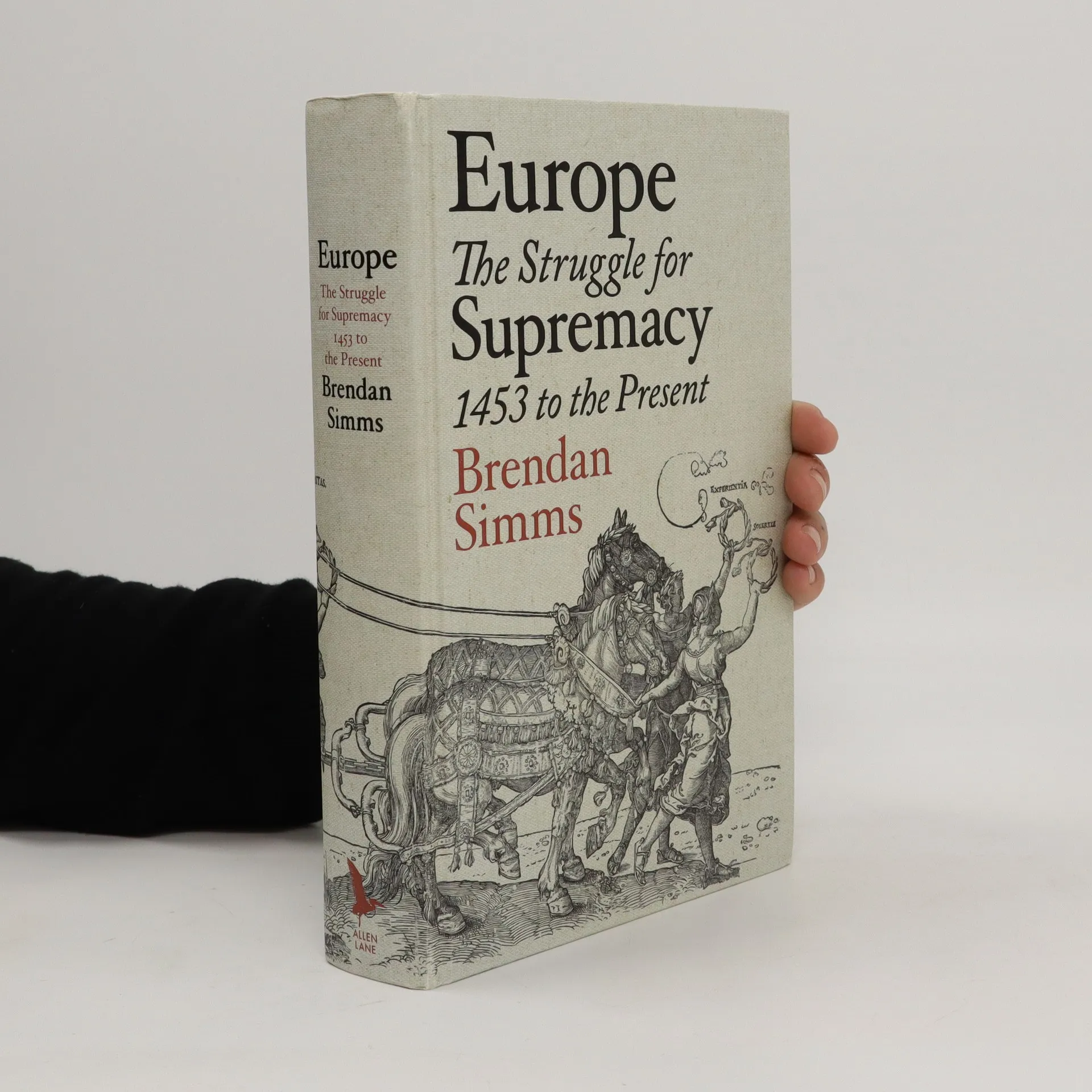
Europe : the struggle for supremacy, from 1453 to the present, Brendan Simms
- Jazyk

- Rok vydania
- 2013
- Väzba
- (pevná)
Platobné metódy
Tu nám chýba tvoja recenzia
- Jazyk
- anglicky
- Autori
- Brendan Simms
- Vydavateľ
- Allen Lane
- Rok vydania
- 2013
- Väzba
- pevná
- Počet strán
- 800
- ISBN10
- 0713994274
- ISBN13
- 9780713994278
- Série
- Pôvodný názov
- Europe
- Hodnotenie
- 4 z 5
- Anotácia
- At the heart of Europe's history lies a puzzle: unlike much of the world, which has seen the rise of large political entities, Europe has remained chaotic and fractured. Attempts to unify the continent—by figures such as Charles V, Napoleon, and Hitler, and even the European Union—have often failed. This ambitious book explores Europe's shifting geopolitics and the unique circumstances that have made domination difficult yet fostered dynamism. It examines a landscape of competitive monarchies and republics whose rivalries fueled overseas expansion, particularly in the Americas. Additionally, it highlights the influence of external powers like Russia, the Ottoman Empire, Britain, and notably, the United States. Central to this narrative is Germany, a region that has historically been both a target and a threat due to its wealth and strategic position. This work promises to be the definitive account of this critical subject, offering a vivid and engaging exploration of Europe's complexities. As the continent's future appears uncertain once again, this timely examination is particularly relevant.