



Hodnotenie knihy
Viac o knihe
The First Socialist Society offers a compelling and often tragic history of Soviet citizens from 1917 to the present, told with great sympathy and insight. It explores the evolving lives of peasants, urban workers, and professionals, the relationship between Soviet autocrats and the populace, and the roles of religion, law, education, and literature in society. The narrative reveals how Marxist ideas transformed under unique political and economic circumstances. The analysis begins by examining how the first socialist revolution occurred in backward, autocratic Russia and why the Bolsheviks managed to seize and maintain power. A central focus is on Stalin's rule, exploring how he wielded such absolute power and how various social strata coped with his tyranny. Later chapters discuss Khrushchev's attempts to reform Stalinism and the unpredictable impacts of these efforts in Eastern European satellite states, highlighting aspects of socialism that had been obscured in the Soviet Union. Following the stagnation and corruption of the Brezhnev era, the text poses the critical question of whether Soviet society can adapt and overcome the rigidities inherited from Stalin's legacy.


Nákup knihy
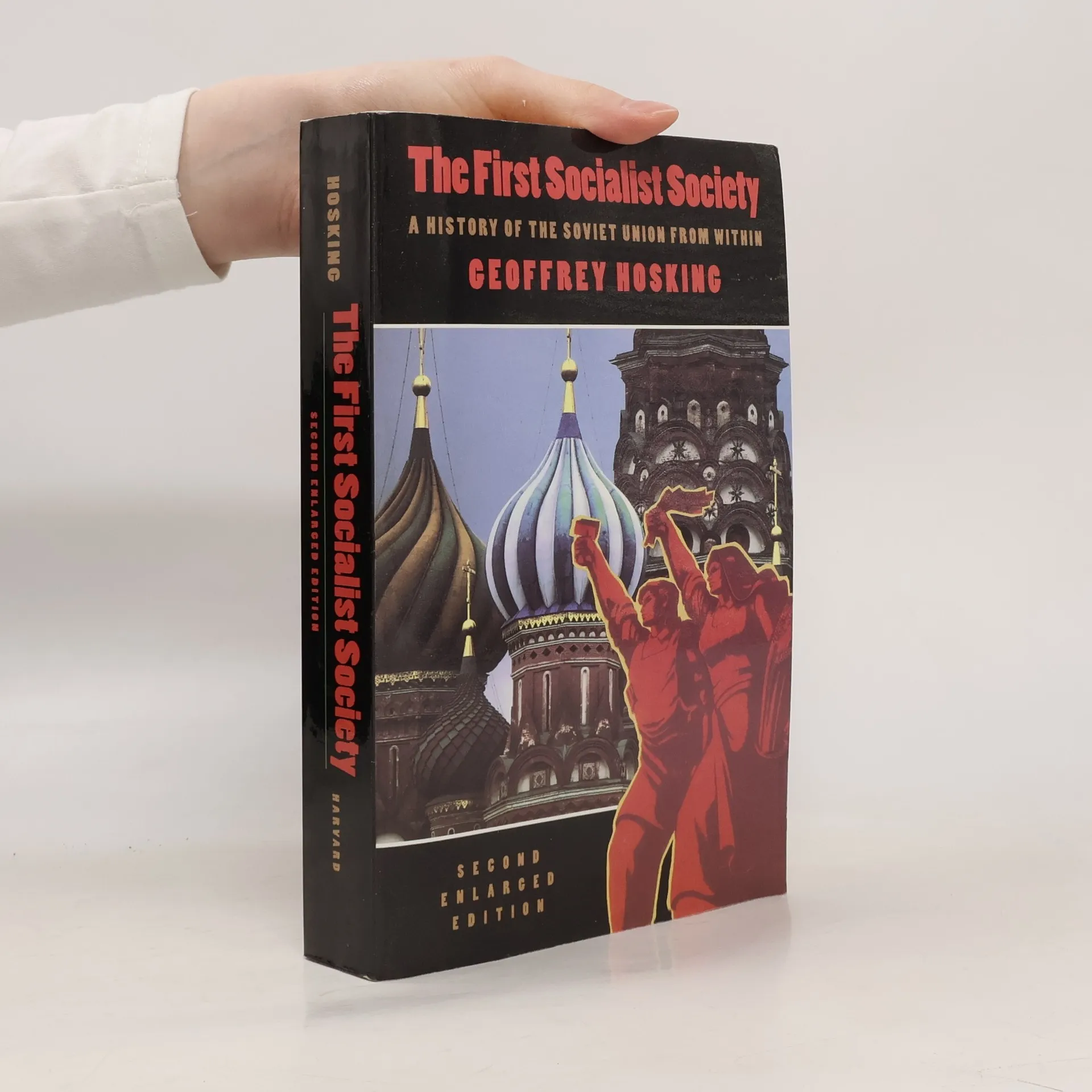
The First Socialist Society, Geoffrey A. Hosking
- Jazyk

- Rok vydania
- 1992
- product-detail.submit-box.info.binding
- (mäkká)
Platobné metódy
Tu nám chýba tvoja recenzia
- Podtitul
- A History of the Soviet Union From Within, Second Enlarged Edition
- Jazyk
- anglicky
- Autori
- Geoffrey A. Hosking
- Vydavateľ
- Harvard University Press
- Rok vydania
- 1992
- Väzba
- mäkká
- Počet strán
- 570
- ISBN10
- 0674304438
- ISBN13
- 9780674304437
- Série
- Štítky
- Náučná literatúra, Historické téma, História, Politika, Vojenské dejiny, Vojny, Rusko, Vedecké teórie, Ruské dejiny
- Hodnotenie
- 3,65 z 5
- Anotácia
- The First Socialist Society offers a compelling and often tragic history of Soviet citizens from 1917 to the present, told with great sympathy and insight. It explores the evolving lives of peasants, urban workers, and professionals, the relationship between Soviet autocrats and the populace, and the roles of religion, law, education, and literature in society. The narrative reveals how Marxist ideas transformed under unique political and economic circumstances. The analysis begins by examining how the first socialist revolution occurred in backward, autocratic Russia and why the Bolsheviks managed to seize and maintain power. A central focus is on Stalin's rule, exploring how he wielded such absolute power and how various social strata coped with his tyranny. Later chapters discuss Khrushchev's attempts to reform Stalinism and the unpredictable impacts of these efforts in Eastern European satellite states, highlighting aspects of socialism that had been obscured in the Soviet Union. Following the stagnation and corruption of the Brezhnev era, the text poses the critical question of whether Soviet society can adapt and overcome the rigidities inherited from Stalin's legacy.