



Parametre
- 441 stránok
- 16 hodin čítania
Viac o knihe
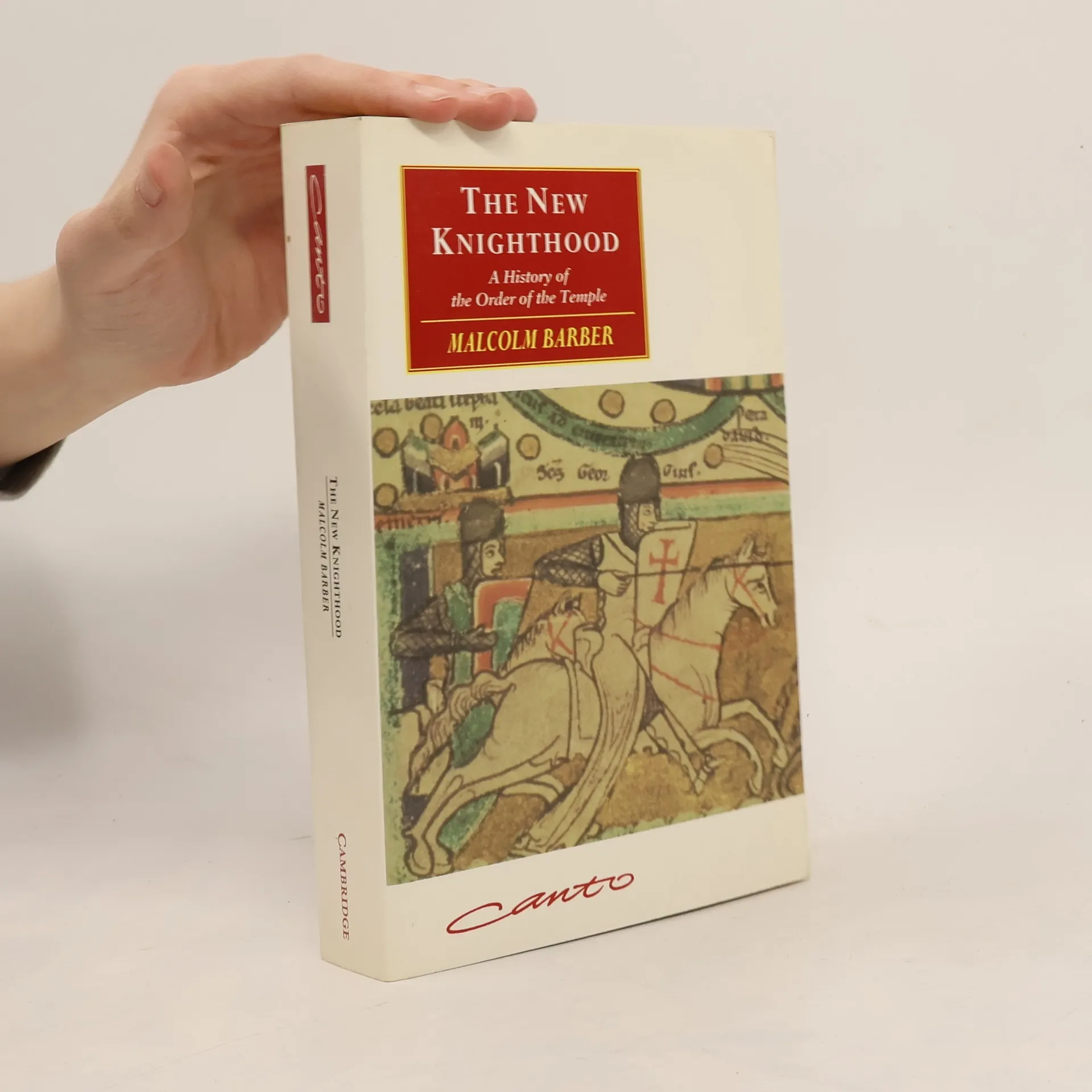
The Order of the Temple was founded in 1119 with the limited aim of protecting pilgrims around Jerusalem. It developed into one of the most powerful corporations in the medieval world which lasted for nearly two centuries until its suppression in 1312. Despite the loss of its central archive in the sixteenth century, the Order left many records of its existence as the spearhead of crusading activity in Palestine and Syria, as the administrator of a great network of preceptories and lands in the Latin west, and as a banker and ship-owner. Because of the dramatic nature of its abolition, it has retained its grip on the imagination and consequently there has developed an entirely fictional 'after-history' in which its secret presence has been evoked to explain mysteries which range from masonic conspiracy to the survival of the Turin Shroud. This book offers a concise and up-to-date introduction to the reality and the myth of this extraordinary institution.


Nákup knihy
The New Knighthood, Malcolm Barber
- Jazyk

- Rok vydania
- 1995
- Väzba
- (mäkká)
Doručenie
Platobné metódy
Tu nám chýba tvoja recenzia
- Titul
- The New Knighthood
- Podtitul
- A History of the Order of the Temple
- Jazyk
- anglicky
- Autori
- Malcolm Barber
- Vydavateľ
- Cambridge University Press
- Rok vydania
- 1995
- Väzba
- mäkká
- Počet strán
- 441
- ISBN10
- 0521558727
- ISBN13
- 9780521558723
- Série
- Kategórie
- Štítky
- Historické téma, Náboženské témy, Politika, Kresťanské témy, Stredovek, Dejiny Európy, Templári, Kresťanské rytierstvo
- Prvé vydanie
- 2003
- Pôvodný názov
- The New Knighthood. A History of the Order of the Temple
- Hodnotenie
- 3,85 z 5
- Anotácia
- The Order of the Temple was founded in 1119 with the limited aim of protecting pilgrims around Jerusalem. It developed into one of the most powerful corporations in the medieval world which lasted for nearly two centuries until its suppression in 1312. Despite the loss of its central archive in the sixteenth century, the Order left many records of its existence as the spearhead of crusading activity in Palestine and Syria, as the administrator of a great network of preceptories and lands in the Latin west, and as a banker and ship-owner. Because of the dramatic nature of its abolition, it has retained its grip on the imagination and consequently there has developed an entirely fictional 'after-history' in which its secret presence has been evoked to explain mysteries which range from masonic conspiracy to the survival of the Turin Shroud. This book offers a concise and up-to-date introduction to the reality and the myth of this extraordinary institution.