

Hodnotenie knihy
Viac o knihe
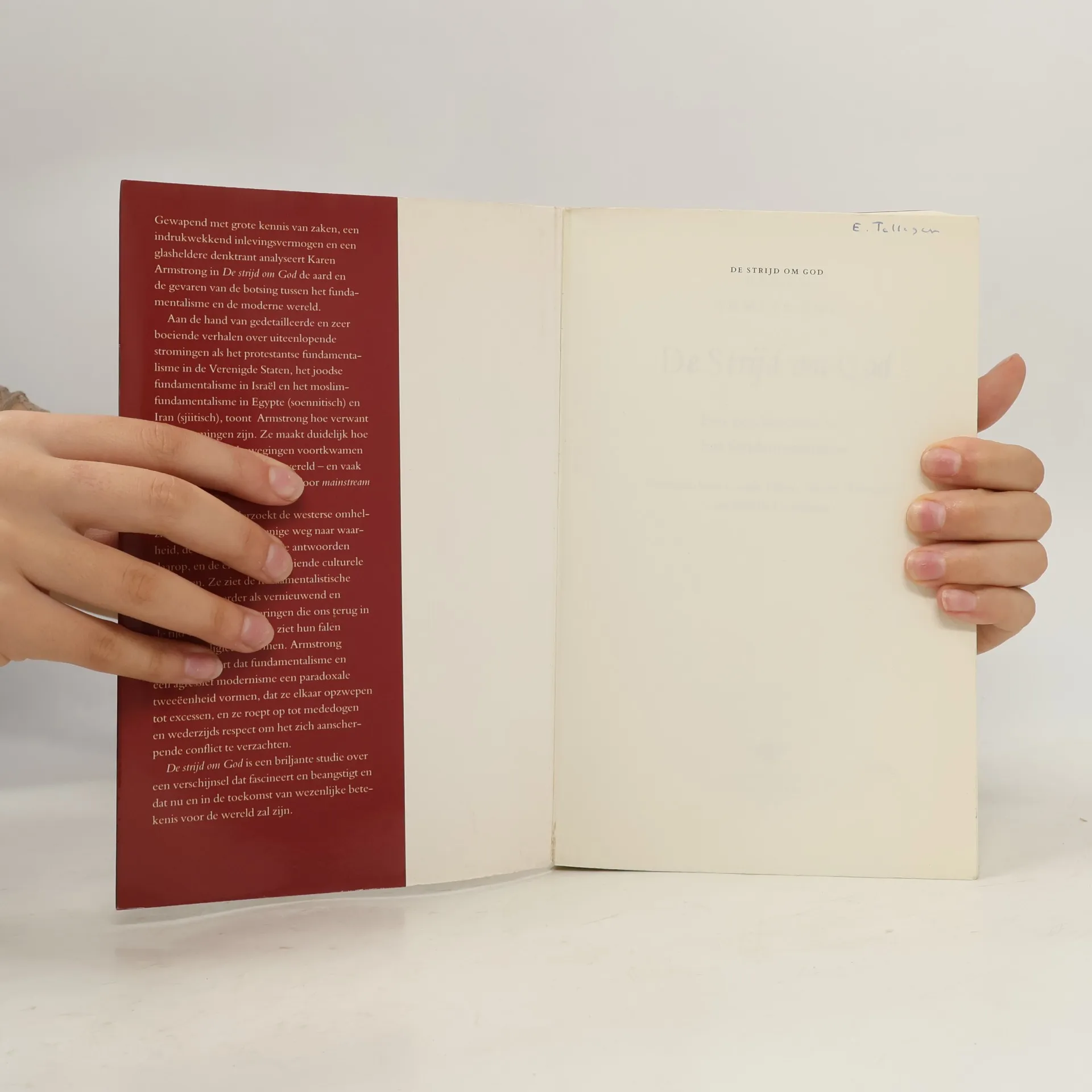
A nuanced exploration of the part religion plays in human life, past and present, from one of the foremost commentators on religion at work today. Moving from the Paleolithic Age to the present, Karen Armstrong details the great lengths to which humankind has gone in order to experience a sacred reality that it has called God, Brahman, Nirvana, Allah, or Dao. Focusing especially on Christianity but including Judaism, Islam, Buddhism, Hinduism, and Chinese spirituality, Armstrong examines the diminished impulse toward religion in our own time, when a significant number of people either want nothing to do with God or question the efficacy of faith. Why has God become incredible? Why is it that atheists and theists alike now think and speak about God in a way that deviates so profoundly from the thinking of our ancestors? Answering these questions with the same depth of knowledge and profound insight that have marked all of her acclaimed books, Armstrong makes clear how the changing face of the world has necessarily changed the importance of religion at both the societal and the individual level. And she makes a powerful, convincing argument for drawing on the insights of the past in order to build a faith that speaks to the needs of our dangerously polarized age.




Nákup knihy
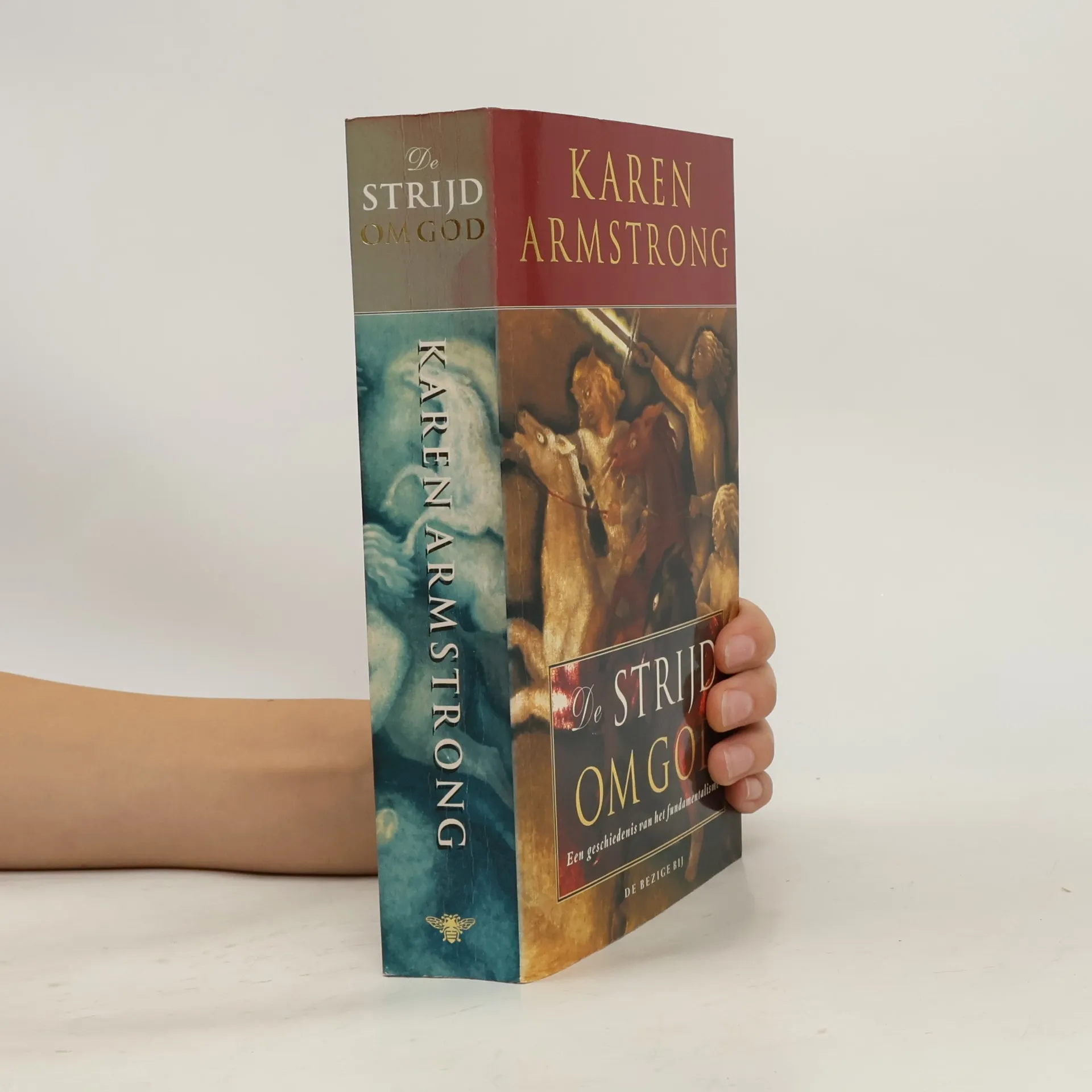
De Strijd om God; Een geschiedenis van het fundamentalisme, Shirah Lachmann, Karen Armstrong, Albert Witteveen, Carola Kloos
- Jazyk

- Rok vydania
- 2000
- Väzba
- (mäkká),
- Stav knihy
- Poškodená
- Cena
- 12,53 €
Tu nám chýba tvoja recenzia
- Titul
- De Strijd om God; Een geschiedenis van het fundamentalisme
- Podtitul
- een geschiedenis van het fundamentalisme
- Jazyk
- holandsky
- Vydavateľ
- De Bezige Bij Amsterdam
- Rok vydania
- 2000
- Väzba
- mäkká
- Počet strán
- 493
- ISBN10
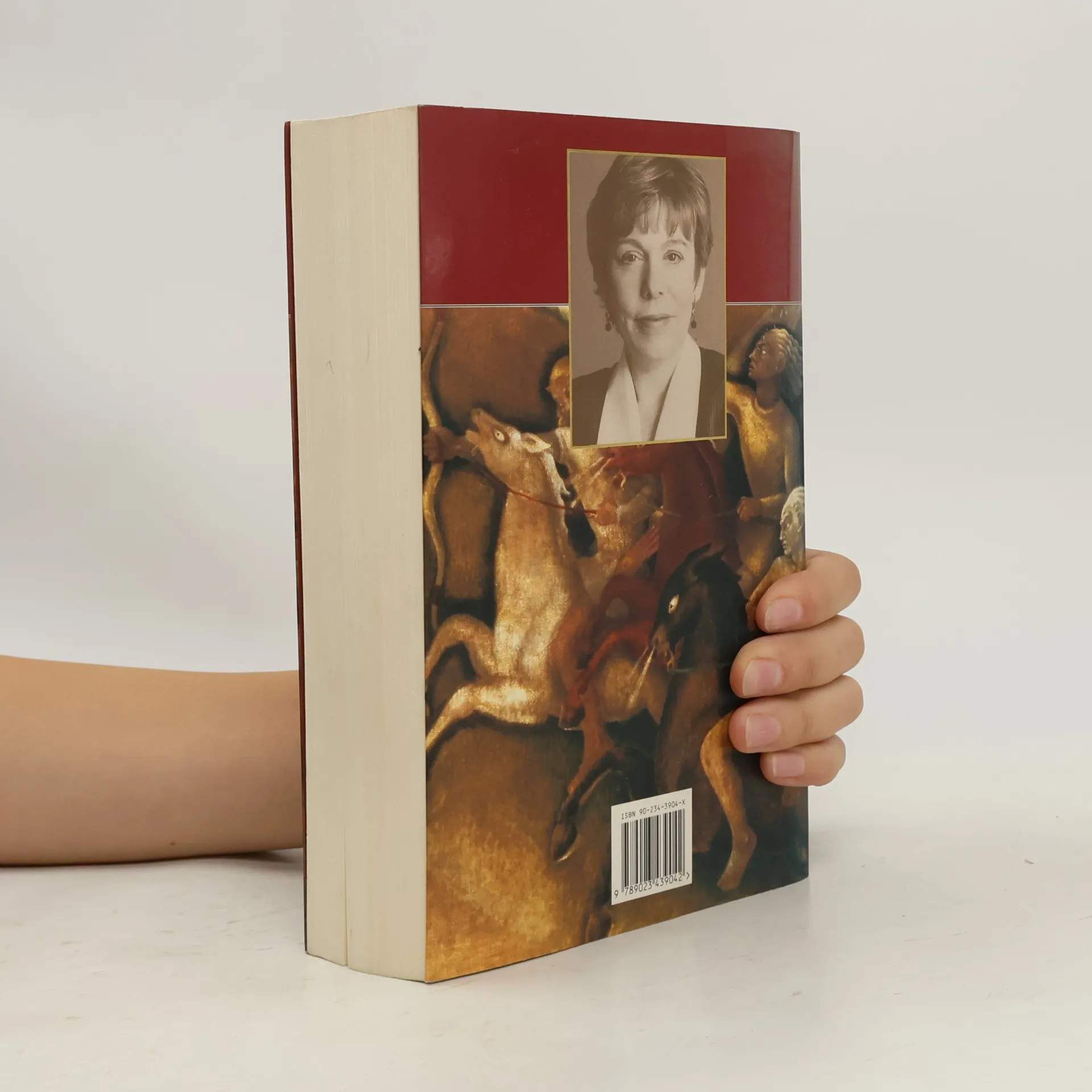
- 902343904X
- ISBN13
- 9789023439042
- Série
- Kategórie
- Štítky
- Historické téma, Náboženské témy, Filozofická tematika, Spiritualita, Kresťanské témy, Teológia
- Hodnotenie
- 3,9 z 5
- Anotácia
- A nuanced exploration of the part religion plays in human life, past and present, from one of the foremost commentators on religion at work today. Moving from the Paleolithic Age to the present, Karen Armstrong details the great lengths to which humankind has gone in order to experience a sacred reality that it has called God, Brahman, Nirvana, Allah, or Dao. Focusing especially on Christianity but including Judaism, Islam, Buddhism, Hinduism, and Chinese spirituality, Armstrong examines the diminished impulse toward religion in our own time, when a significant number of people either want nothing to do with God or question the efficacy of faith. Why has God become incredible? Why is it that atheists and theists alike now think and speak about God in a way that deviates so profoundly from the thinking of our ancestors? Answering these questions with the same depth of knowledge and profound insight that have marked all of her acclaimed books, Armstrong makes clear how the changing face of the world has necessarily changed the importance of religion at both the societal and the individual level. And she makes a powerful, convincing argument for drawing on the insights of the past in order to build a faith that speaks to the needs of our dangerously polarized age.