

Viac o knihe
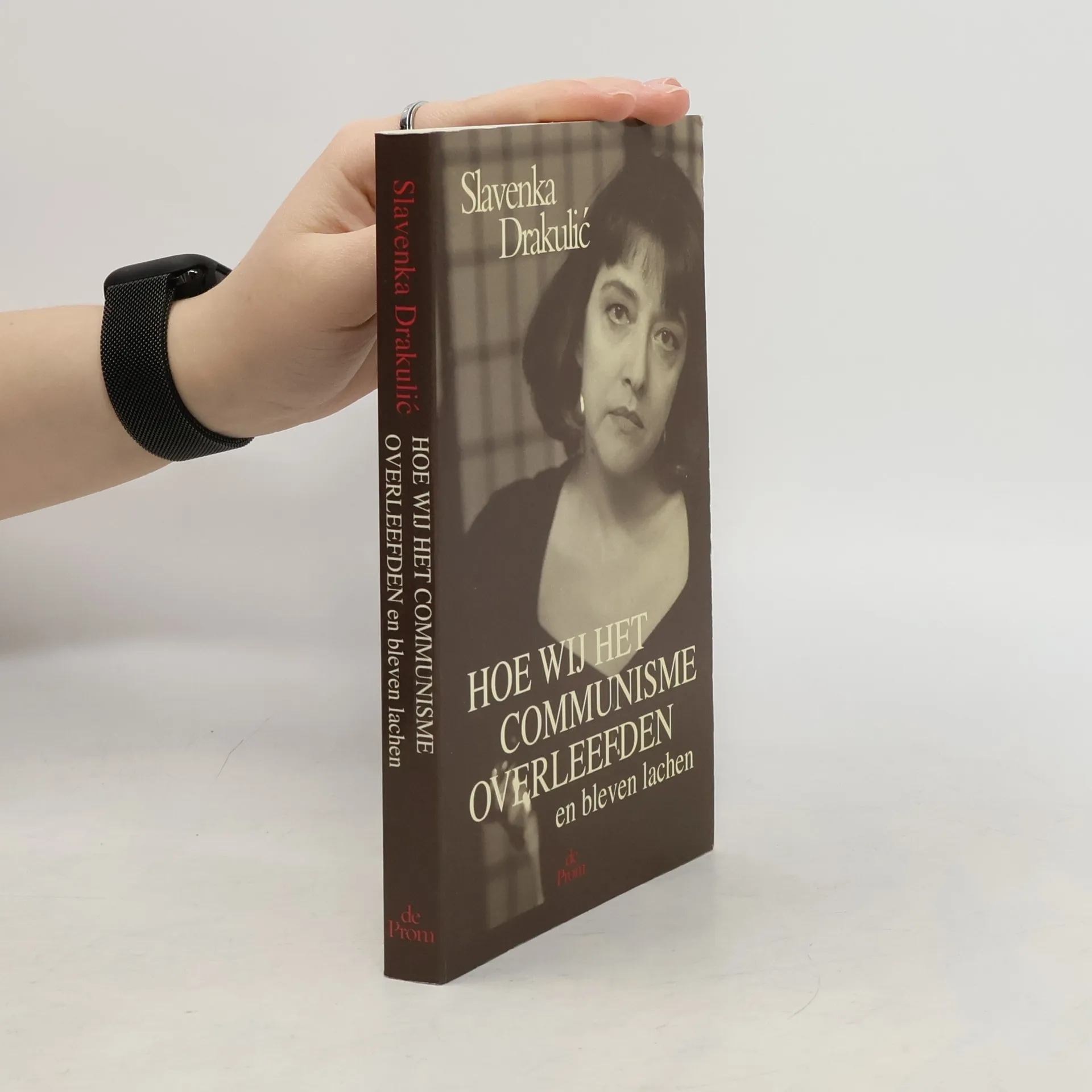
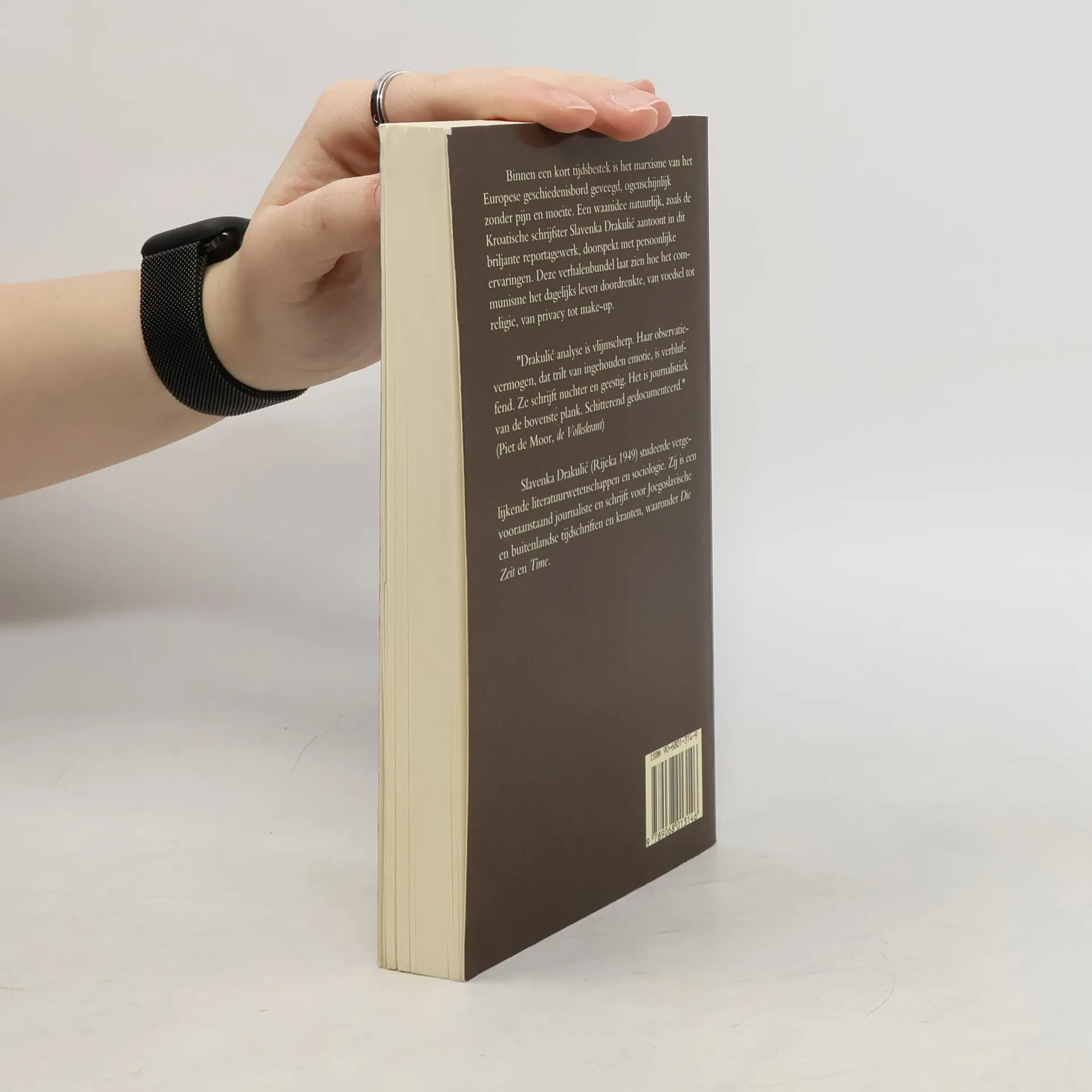
A poignant and truthful exploration of life under Communism by Croatian journalist and novelist Drakulić, who is the daughter of a high-ranking Communist army officer but never joined the Party. The narrative conveys the realities of everyday life through vivid details: a man’s astonishment at eating a banana for the first time, her own surprise at finding fresh strawberries in December in NYC, and the quality of Vogue magazine paper. It highlights the lengths women would go to for cosmetics or clothing to feel feminine in a society that viewed such desires as bourgeois. The author challenges the notion that Western manufacturers exploit these needs, comparing it to warning a Bangladeshi about cholesterol. While a feminist, she humorously recounts the bewildering questions from a New York editor about feminism in Eastern Europe, where political discourse was virtually nonexistent and feminists were seen as enemies. Drakulić asserts that while people may have survived Communism, its impact lingers in their minds. For her, Communism transcends ideology; it remains a state of mind that continues to shape the collective consciousness of those who experienced it. This sometimes sad, sometimes witty narrative offers deeper insights into Eastern European politics than many theoretical analyses.

Nákup knihy
Hoe wij het communisme overleefden en bleven lachen, Slavenka Drakulićová, H. Stolk
- Jazyk

- Rok vydania
- 1991
- Väzba
- (mäkká)
Tu nám chýba tvoja recenzia
- Titul
- Hoe wij het communisme overleefden en bleven lachen
- Jazyk
- holandsky
- Autori
- Slavenka Drakulićová, H. Stolk
- Vydavateľ
- de Prom
- Rok vydania
- 1991
- Väzba
- mäkká
- Počet strán
- 191
- ISBN10
- 9068013149
- ISBN13
- 9789068013146
- Série
- Kategórie
- Štítky
- Historické téma, Politika, Feminizmus
- Hodnotenie
- 4,15 z 5
- Anotácia
- A poignant and truthful exploration of life under Communism by Croatian journalist and novelist Drakulić, who is the daughter of a high-ranking Communist army officer but never joined the Party. The narrative conveys the realities of everyday life through vivid details: a man’s astonishment at eating a banana for the first time, her own surprise at finding fresh strawberries in December in NYC, and the quality of Vogue magazine paper. It highlights the lengths women would go to for cosmetics or clothing to feel feminine in a society that viewed such desires as bourgeois. The author challenges the notion that Western manufacturers exploit these needs, comparing it to warning a Bangladeshi about cholesterol. While a feminist, she humorously recounts the bewildering questions from a New York editor about feminism in Eastern Europe, where political discourse was virtually nonexistent and feminists were seen as enemies. Drakulić asserts that while people may have survived Communism, its impact lingers in their minds. For her, Communism transcends ideology; it remains a state of mind that continues to shape the collective consciousness of those who experienced it. This sometimes sad, sometimes witty narrative offers deeper insights into Eastern European politics than many theoretical analyses.