



Viac o knihe
After venturing into spy fiction, Robert Wilson returns to his detective-thriller roots with a grimly captivating tale about individuals facing their darkest fears. Inspector Jefe Javier Falcón is called to investigate the murder of a prosperous Seville restaurateur, Raúl Jiménez, found bound to a chair with his eyelids removed, dying as he struggled to escape a video showing him with prostitutes. Falcón describes the case as "more extraordinary" than any he has encountered, leading him into a web of subsequent murders, including those of a hooker and an art dealer, as he engages in a deadly game with a killer fixated on the tension between illusion and reality. Simultaneously, Falcón grapples with his late father's journals, revealing the brutal past of a famous painter whose actions during the Spanish Civil War and hedonistic lifestyle in North Africa haunt Javier’s life, making him the killer's next target. While the plot hinges on the coincidence of Falcón finding a photograph of his father among Jiménez's belongings, the lengthy diary excerpts, though revealing connections among secondary characters and offering insights into wartime Europe, slow the narrative's pace. Nevertheless, Wilson's poetic prose elevates even the most tragic scenes, and Falcón emerges as a deeply flawed yet compelling protagonist, reminiscent of Wilson's previous memorable characters.


Nákup knihy
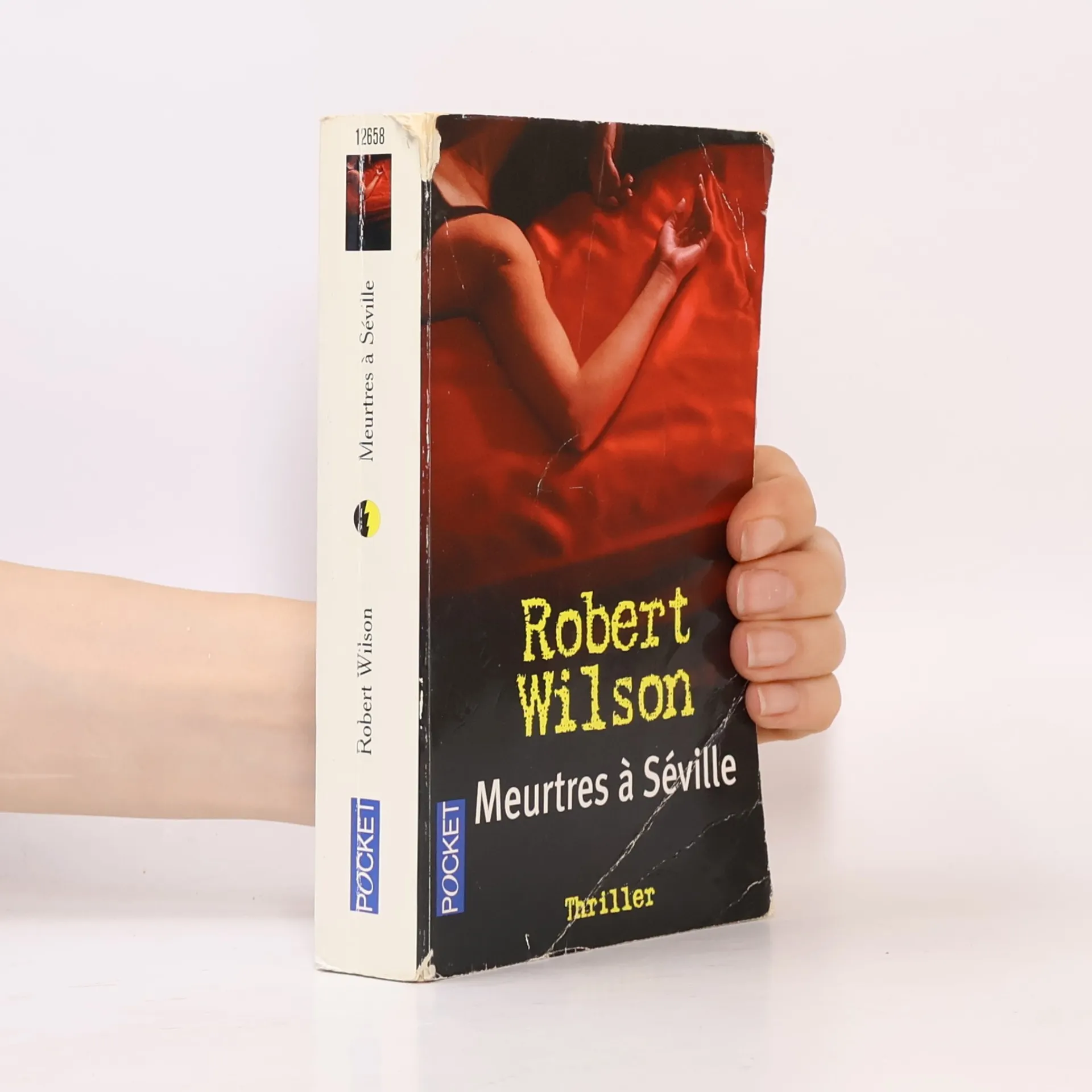
Meurtres à Séville, Robert Wilson
- Jazyk

- Rok vydania
- 2004
- product-detail.submit-box.info.binding
- (mäkká),
- Stav knihy
- Poškodená
- Cena
- 2,68 €
Platobné metódy
Tu nám chýba tvoja recenzia
- Titul
- Meurtres à Séville
- Jazyk
- francúzsky
- Autori
- Robert Wilson
- Vydavateľ
- Rok vydania
- 2004
- Väzba
- mäkká
- Počet strán
- 723
- ISBN10
- 2266155822
- ISBN13
- 9782266155823
- Série
- Javier Falcon
- Štítky
- Beletria, Historické téma, Detektívky & Thriller, Thrillery, Rodina, Napätie, Zábava, Klasické detektívky, Séria, Minulosť, Španielsko, Vyšetrovanie, Otec, Maroko, Tanger
- Prvé vydanie
- 2003
- Pôvodný názov
- Blind Man of Seville
- Hodnotenie
- 4 z 5
- Anotácia
- After venturing into spy fiction, Robert Wilson returns to his detective-thriller roots with a grimly captivating tale about individuals facing their darkest fears. Inspector Jefe Javier Falcón is called to investigate the murder of a prosperous Seville restaurateur, Raúl Jiménez, found bound to a chair with his eyelids removed, dying as he struggled to escape a video showing him with prostitutes. Falcón describes the case as "more extraordinary" than any he has encountered, leading him into a web of subsequent murders, including those of a hooker and an art dealer, as he engages in a deadly game with a killer fixated on the tension between illusion and reality. Simultaneously, Falcón grapples with his late father's journals, revealing the brutal past of a famous painter whose actions during the Spanish Civil War and hedonistic lifestyle in North Africa haunt Javier’s life, making him the killer's next target. While the plot hinges on the coincidence of Falcón finding a photograph of his father among Jiménez's belongings, the lengthy diary excerpts, though revealing connections among secondary characters and offering insights into wartime Europe, slow the narrative's pace. Nevertheless, Wilson's poetic prose elevates even the most tragic scenes, and Falcón emerges as a deeply flawed yet compelling protagonist, reminiscent of Wilson's previous memorable characters.