Bookbot

Figarova trilógia

Táto dramatická trilógia sleduje osudy prefíkaného holiča, ktorý svojimi intrigami a dôvtipom manipuluje šľachtou aj obyčajnými ľuďmi. Príbehy sa odohrávajú v historickom prostredí a sú plné humoru, lásky a spoločenskej satiry. Diela sú preslávené nielen ako divadelné hry, ale predovšetkým ako základ pre slávne operné adaptácie.

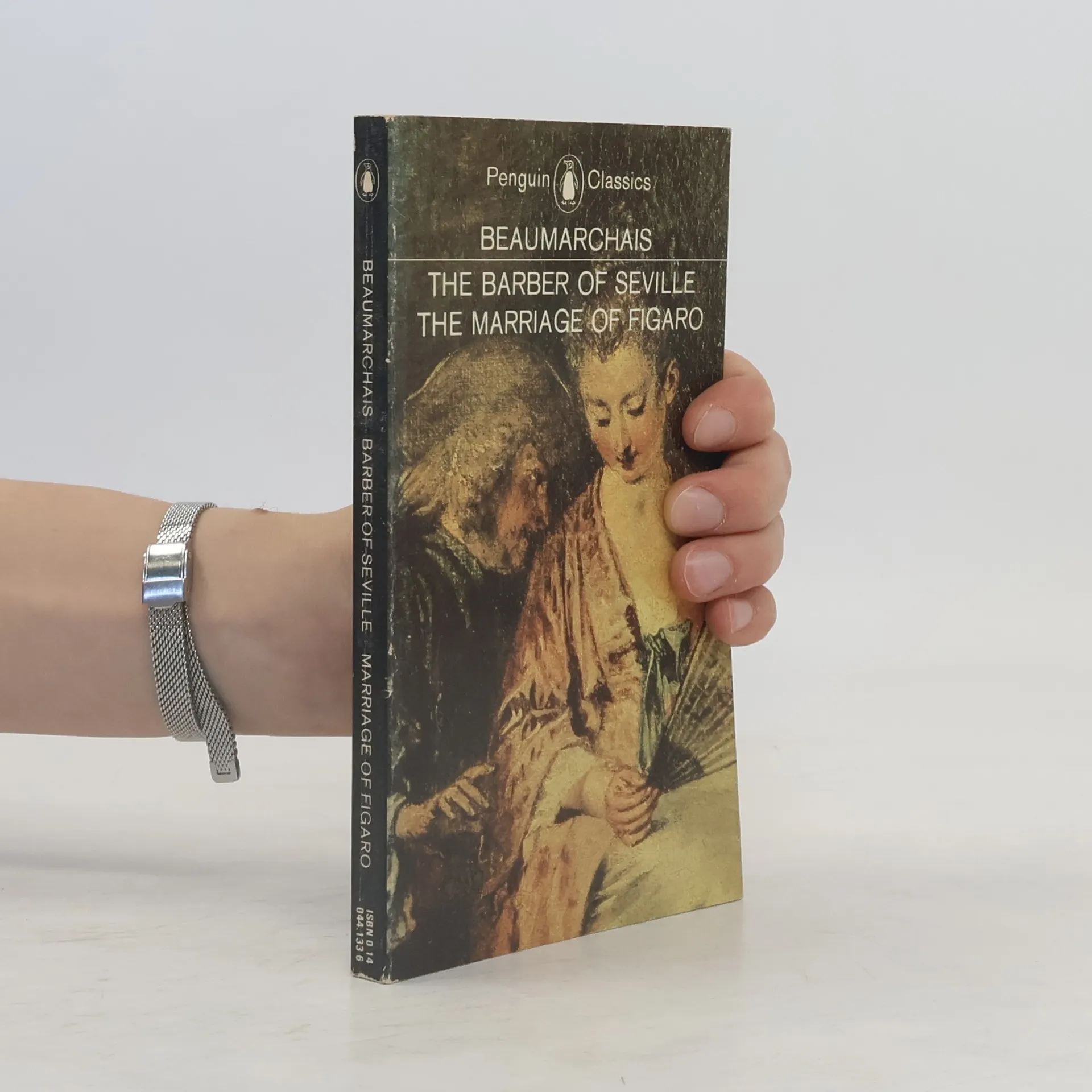
The Barber of Seville. The Marriage of Figaro
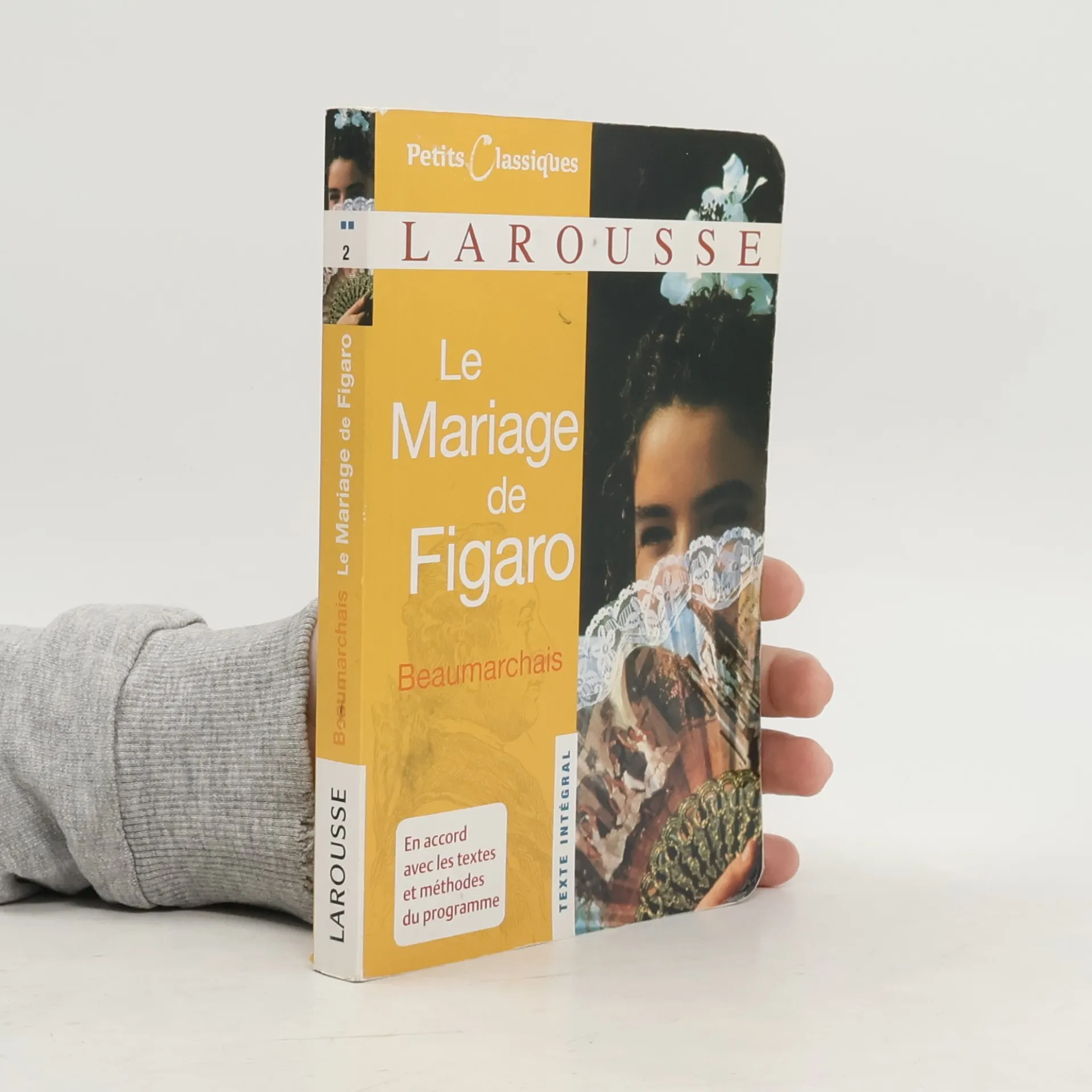
Le Mariage de Figaro
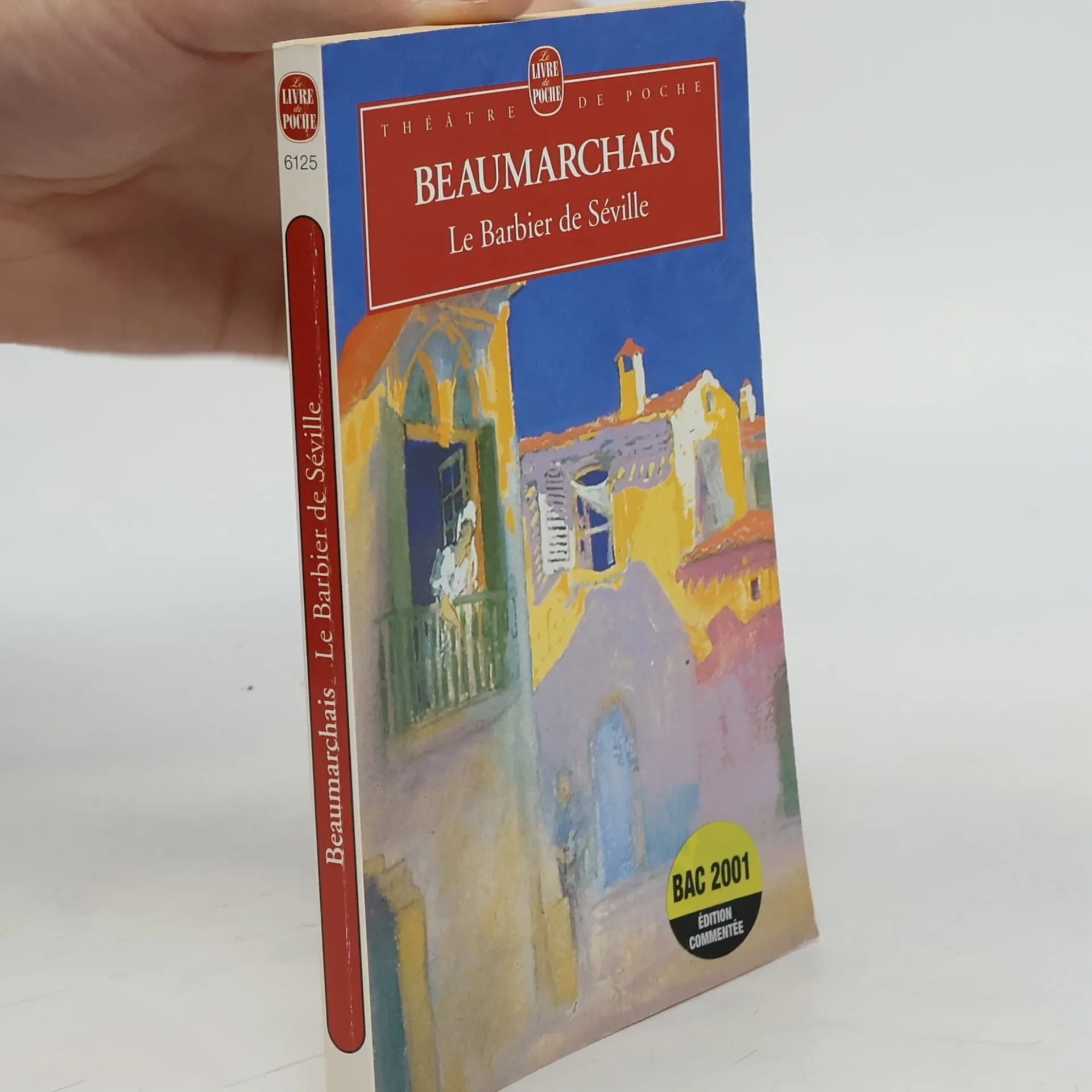
Le Barbier de Séville

Odporúčané poradie čítania

  1. Figaro, le gai, l'impertinent, le truculent Figaro, le plus célèbre des personnages de Beaumarchais entreprend, aux côtés de son maître, le comte Almaviva, une mission impossible : enlever, à la barbe d'un vieux tuteur méfiant, Bartholo, la jeune Rosine dont le comte est amoureux. Situations cocasses, imbroglios inextricables, déclarations d'amour enflammées... Le Barbier de Séville n'est pas seulement la dernière des comédies d'intrigue : Beaumarchais, en " ramenant au théâtre l'ancienne et franche gaieté, en l'alliant avec le ton léger de la plaisanterie actuelle " élabore une dramaturgie moderne par la conception et la qualité des dialogues.
    Le Barbier de Séville1
    3,3
  2. From the Classiques Larousse series. Upon its original release in 1784 this book was an unsurpassed triumph. Figaro, a rebellious manservant who intends to get married to Suzanne, outdares his master Almaviva, who tries for his part by every possible means to win the favors of Suzanne. This light comedy raised indignation but also enthusiasm.

    Le Mariage de Figaro2
    3,1

Súvisiace knihy

  • A French courtier, secret agent, libertine and adventurer, Beaumarchais (1732-99) was also author of two sparkling plays about the scoundrelly valet Figaro triumphant successes that were used as the basis of operas by Mozart and Rossini. A highly engaging comedy of intrigue, The Barber of Seville portrays the resourceful Figaro foiling a jealous old man's attempts to keep his beautiful ward from her lover. And The Marriage of Figaro condemned by Louis XVI for its daring satire of nobility and privilege depicts a master and servant set in opposition by their desire for the same woman. With characteristic lightness of touch, Beaumarchais created an audacious farce of disguise and mistaken identity that balances wit, frivolity and seriousness in equal measure

    The Barber of Seville. The Marriage of Figaro
    3,8