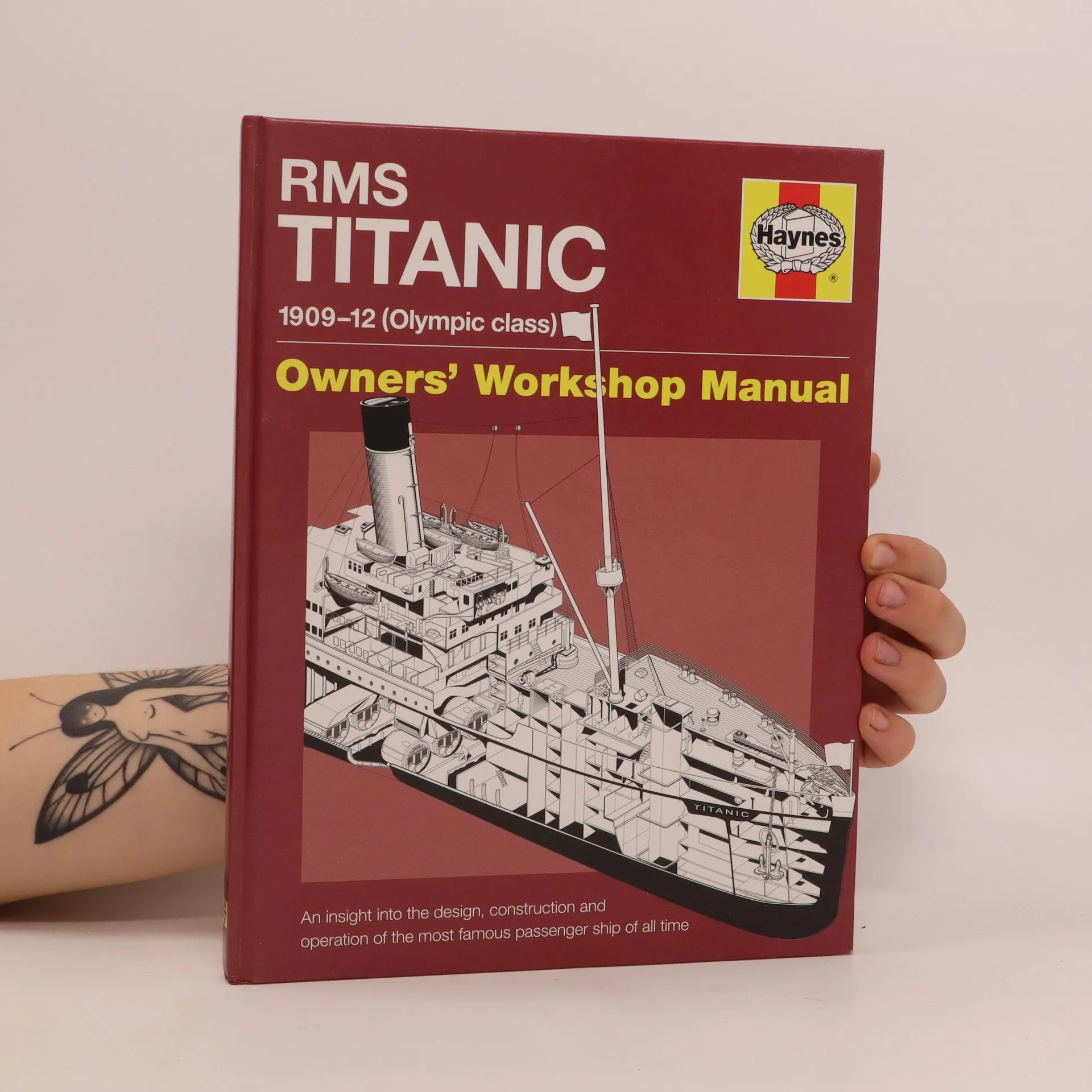
The world famous ocean liner Titanic, which sank on her maiden voyage in 1912, is the latest subject to receive the Haynes Manual treatment. This title contains hundreds of illustrations and helps to see how this leviathan was built, launched and fitted out.
Haynes Servisný manuál Séria
Tento rad príručiek je nevyhnutným sprievodcom pre každého majiteľa automobilu. Poskytuje podrobné, krok za krokom návody na údržbu a opravy širokej škály vozidiel. Každá kniha je navrhnutá tak, aby umožnila majiteľom vykonávať bežné úkony údržby a riešiť problémy, čím šetrí čas aj peniaze. Sú neoceniteľným zdrojom pre začiatočníkov aj skúsených mechanikov.

Bob the Builder
- 40 stránok
- 2 hodiny čítania
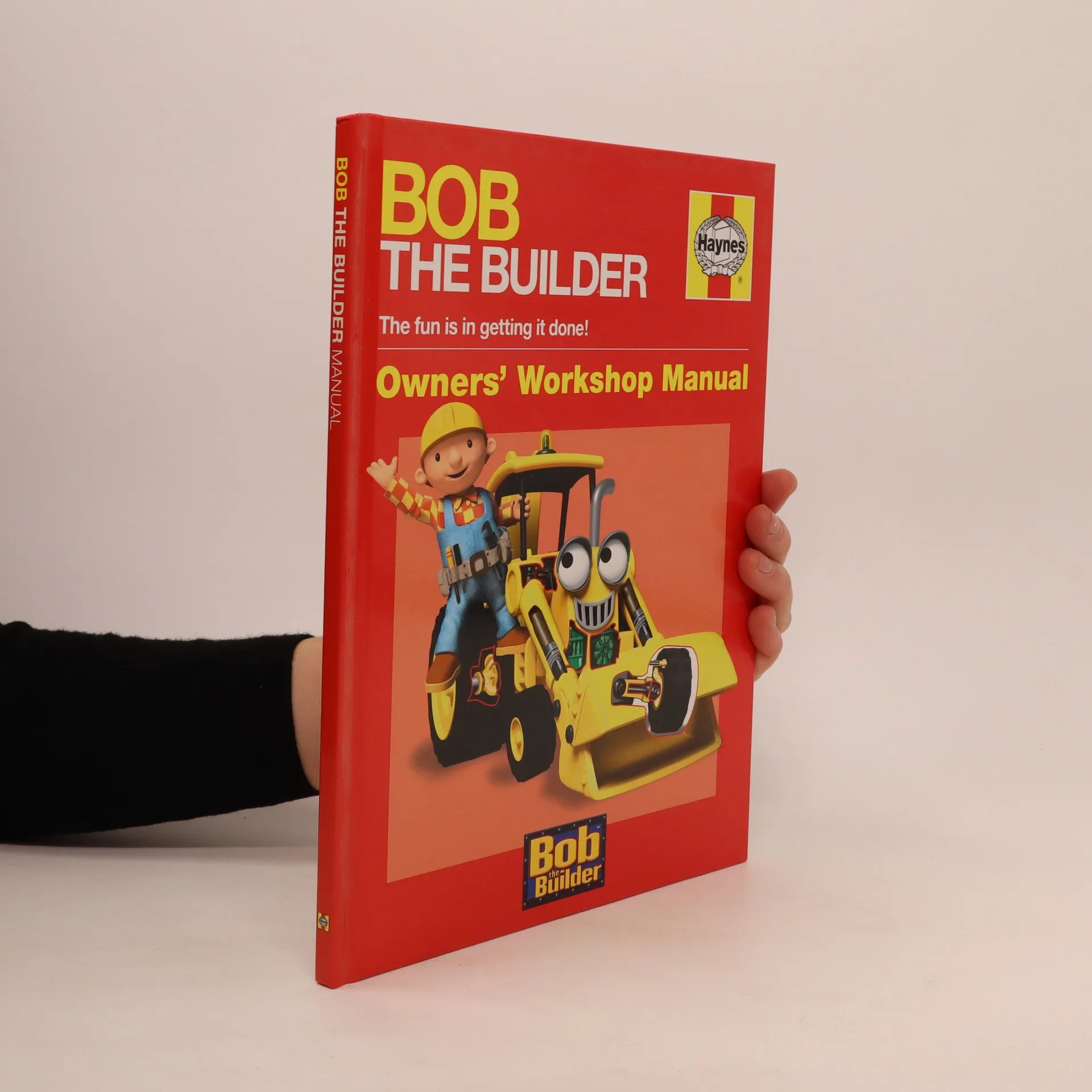
Inspired by the world-famous Haynes Manuals, this book explains how Bob the Builder's friends - machines such as Scoop, Muck, Roley and Lofty - work and how they help Bob to get the job done. Complete with fascinating cutaway drawings, this brightly designed book will delight children and parents alike. Aimed at the 2-6 age group, this innovative book applies the Haynes treatment to some of television's most popular children's characters.
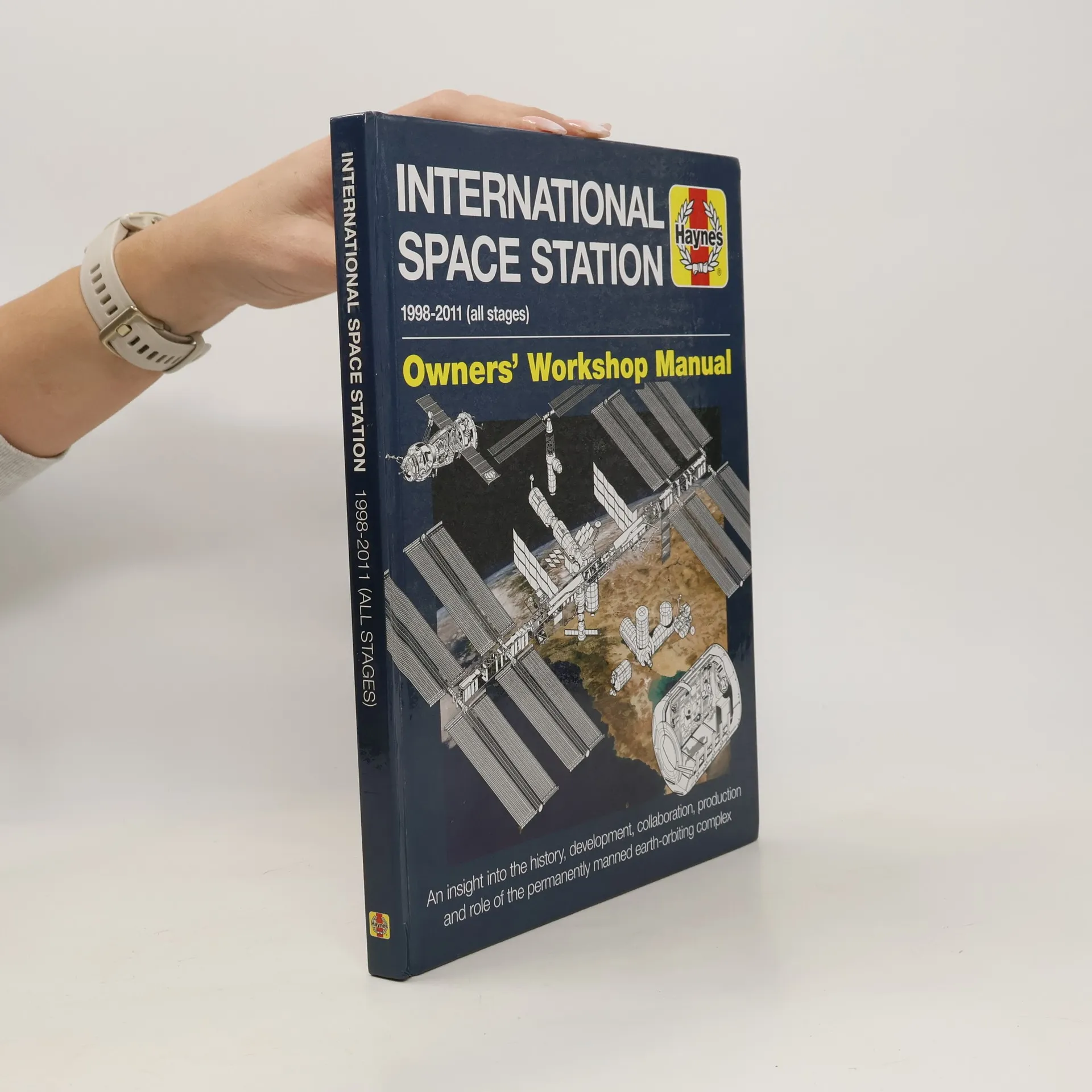
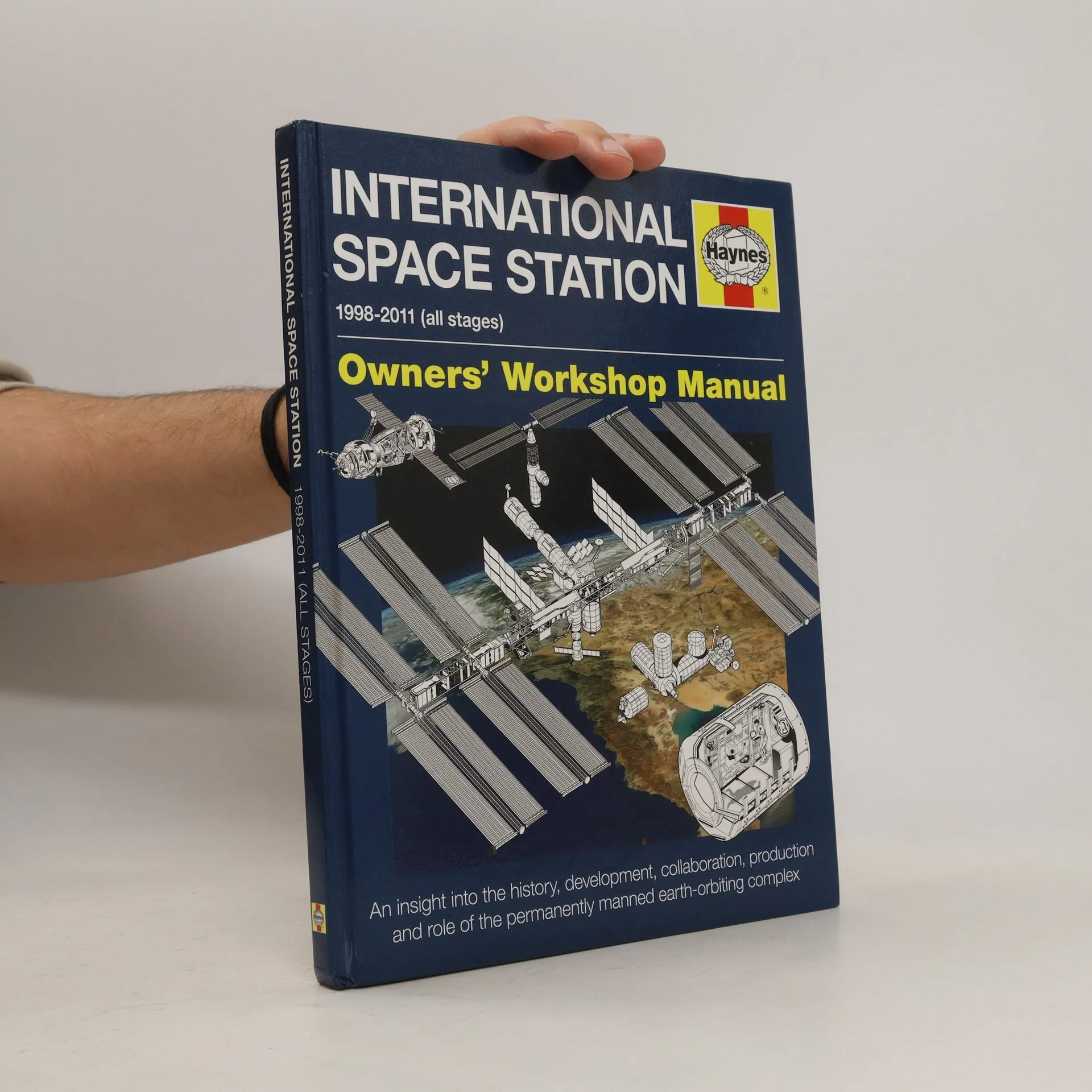
International Space Station 1998-2011
- 176 stránok
- 7 hodin čítania
The International Space Station - or ISS - is a permanently manned 400-ton orbiting complex for six astronauts. It comprises modules built in the US, Russia, Europe and Japan with external robotic equipment built by Canada, all these having been launched by their host countries. In addition, Europe and Japan provide logistics modules and Russia provides cargo freighters. Assembled in a series of flights between 1998 and 2011, the ISS will be complete by mid-2011. In that period there will have been more than 60 manned and 50 unmanned flights to the ISS and the station has been permanently manned since 2000, just two years after assembly began. It is expected to continue in operation for the next 10 years during which period it will be continuously manned by a crew of six people. The purpose of the station is to carry out research into a wide range of scientific activities involving medicines, human physiology, biology, botany, physics and chemistry. Observations of the earth and of the universe are carried out by the station and later in the decade it will support activities associated with the first human expeditions to the asteroids and possibly back to the lunar surface.
Leopard 1 Main Battle Tank
- 188 stránok
- 7 hodin čítania
The Leopard 1 family became the first fully-German developed series of armoured combat vehicles to be built since the end of the Second World War. Using the German-built version of the British L7 105mm gun the Leopard focused on firepower and with its impressive cross-country performance it was unmatched by most other tank designs of the era.
Firefighter Owners' Workshop Manual
- 172 stránok
- 7 hodin čítania
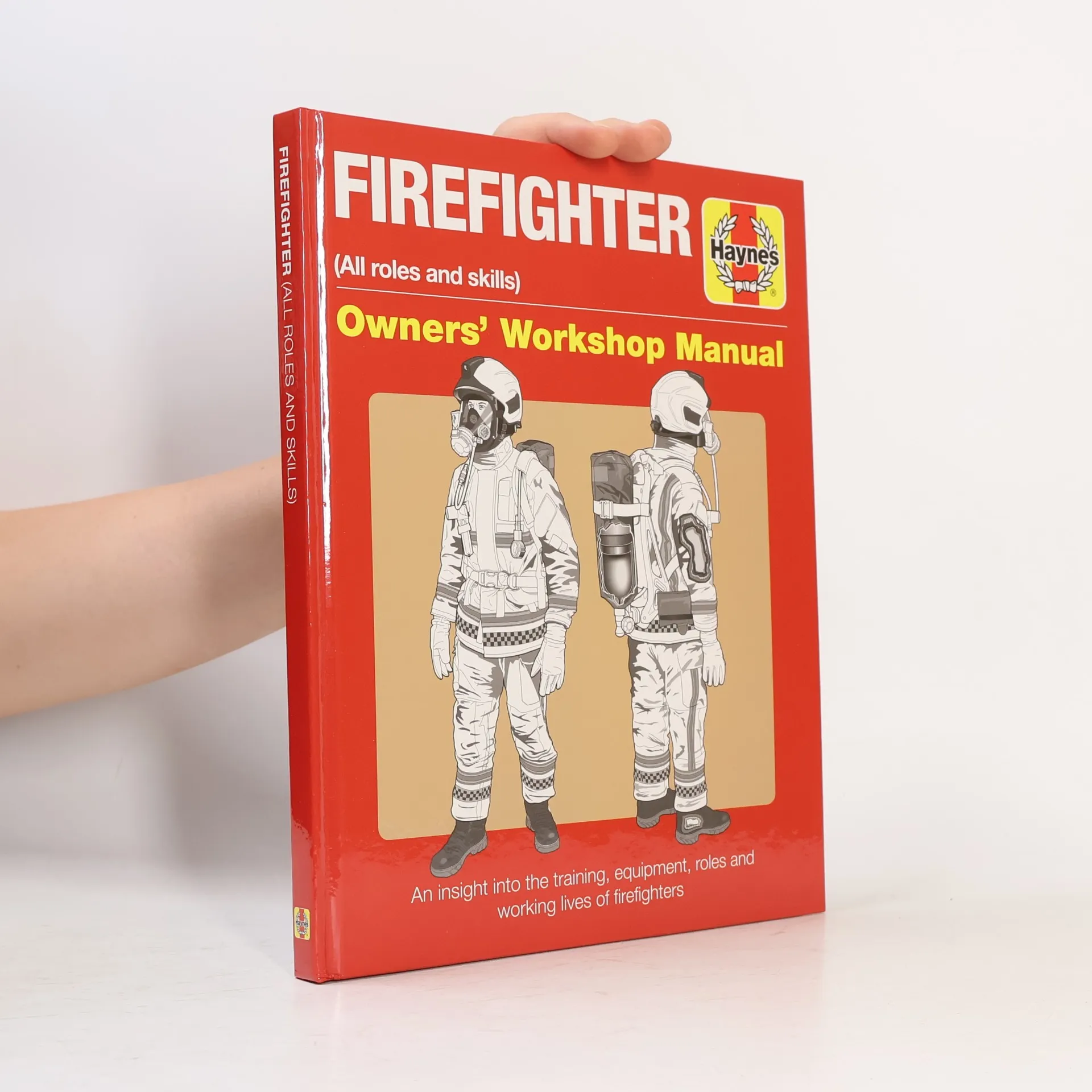
The role of the modern firefighter has evolved beyond purely fighting fires, and the fire service has become one of the rescue services. This Manual, written by an experienced firefighter, takes a look at life as a firefighter, including training, equipment, vehicles, emergency call timeline, major incident case studies and fire investigation.
Apollo 11 50th Anniversary Edition
- 216 stránok
- 8 hodin čítania
This is the story of the Apollo 11 mission and the `space hardware' that made it all possible. It took 400,000 men and women to put Neil Armstrong and Buzz Aldrin on the surface of the Moon. This anniversary edition features a new look at the legacy of Apollo 11, and a look forward to future manned Moon missions and deep-space exploration.
Star Wars Rebel Starfighters Owners' Workshop Manual
- 128 stránok
- 5 hodin čítania
Just as the Rebel Alliance used various starfighters in its battle against the expansion of Imperial control across the galaxy, the subsequent Resistance used even more technologically advanced ships in its fight against the rise of the First Order. Rebel starfighters have proved to be more-than-capable opponents for notoriously lethal Imperial and First Order TIE Fighters, with the X-Wing providing the core of the Rebel starfighter forces. The Rebel Starfighters Owners' Workshop Manual presents a thorough history of Rebel starfighters, including A-Wing, B-Wing, U-Wing, X-Wing and Y-Wing variants. The history of Rebel starfighters is fully illustrated with numerous photographs from the Lucasfilm archives, in addition to schematics, exploded diagrams, and computer-generated artwork by Star WarsTM vehicle experts Chris Reiff and Chris Trevas. Text is by Ryder Windham, author and co-author of more than 70 Star Wars books. This Manual is the most thorough technical guide to Rebel starfighters available, and is fully authorized and approved by Lucasfilm
Junkers Ju 87 'Stuka' Manual
- 192 stránok
- 7 hodin čítania
Supported by a comprehensive selection of photographs and technical drawings, Jonathan Falconer describes the design, construction and operation of the feared Stuka, which saw frontline action wherever the German Army went - from Norway, western Europe and Russia, to North Africa.
Concorde
- 160 stránok
- 6 hodin čítania
This is one of the new Icon titles from Haynes. Originally published in the classic manual size, this compact format will appeal to trade outlets and gift markets.
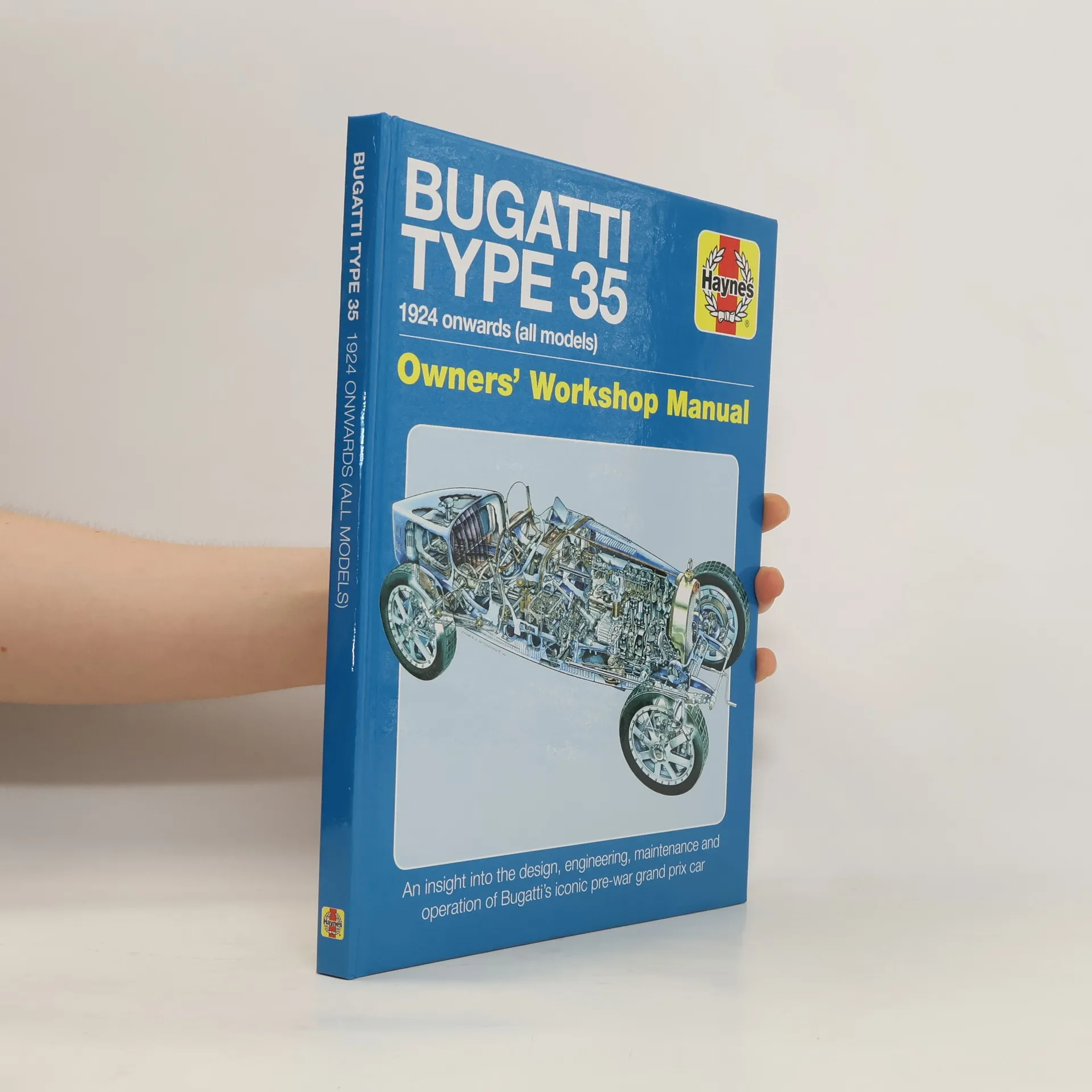
Bugatti Type 35 Owners Workshop Manual
- 144 stránok
- 6 hodin čítania
The Type 35 Bugatti brought new standards of workmanship and finish to racing and was the first Grand Prix car to be catalogued and offered for sale. This Bugatti Type 35 Owners' Workshop Manual contains the Bugatti Story and is an addition to our growing range of classic racing car manuals. Being a sister title to our Bentley 4 1/2 Litre Owner's Workshop Manual, and having input from respected restorers and owners, the book contains sections covering variants, competition history, anatomy, view from drivers, owners and engineers, restoration and historic racing results.
Westland Wessex Manual
- 192 stránok
- 7 hodin čítania
With a full and active service life of more than 40 years with the Royal Navy and the RAF, the Westland Wessex was one of the most versatile helicopters of the Cold War era. As a British-built turbine-powered development of the American Sikorsky H-34, the Westland Wessex was developed and produced under license by Westland Aircraft (later Westland Helicopters). One of the main differences from Sikorsky's H-34 was the replacement of the piston-engine power plant with a turboshaft engine. The Wessex was the first helicopter to be produced in large numbers that made use of a gas turbine engine. Early models were powered by a single Napier Gazelle engine, while later builds used a pair of Rolls-Royce Gnome engines.
Porsche 956 And 962 Owners' Workshop Manual
- 160 stránok
- 6 hodin čítania
The Porsche 956 is the iconic `Group C' sports-racing car that dominated sports-car racing throughout the 1980s. This book provides new insight, looking at a range of restored examples and also features a wealth of archive photography and detailed images of the cars' anatomy, plus interviews with drivers and engineers who worked with the cars.
SUPERMARINE ROLLS-ROYCE S6B
- 192 stránok
- 7 hodin čítania
Ralph Pegram relates the story of the Schneider Trophy competitions and describes the development of British high-speed seaplane designs.
Star Wars YT-1300 Millennium Falcon Owners' Workshop Manual
- 128 stránok
- 5 hodin čítania
Star Wars The YT-1300 Millennium Falcon Owners' Workshop Manual traces the history of the Corellian Engineering Corporation's YT series of starships, and the development of the YT-1300 model line before focusing on the Millennium Falcon. číst celé
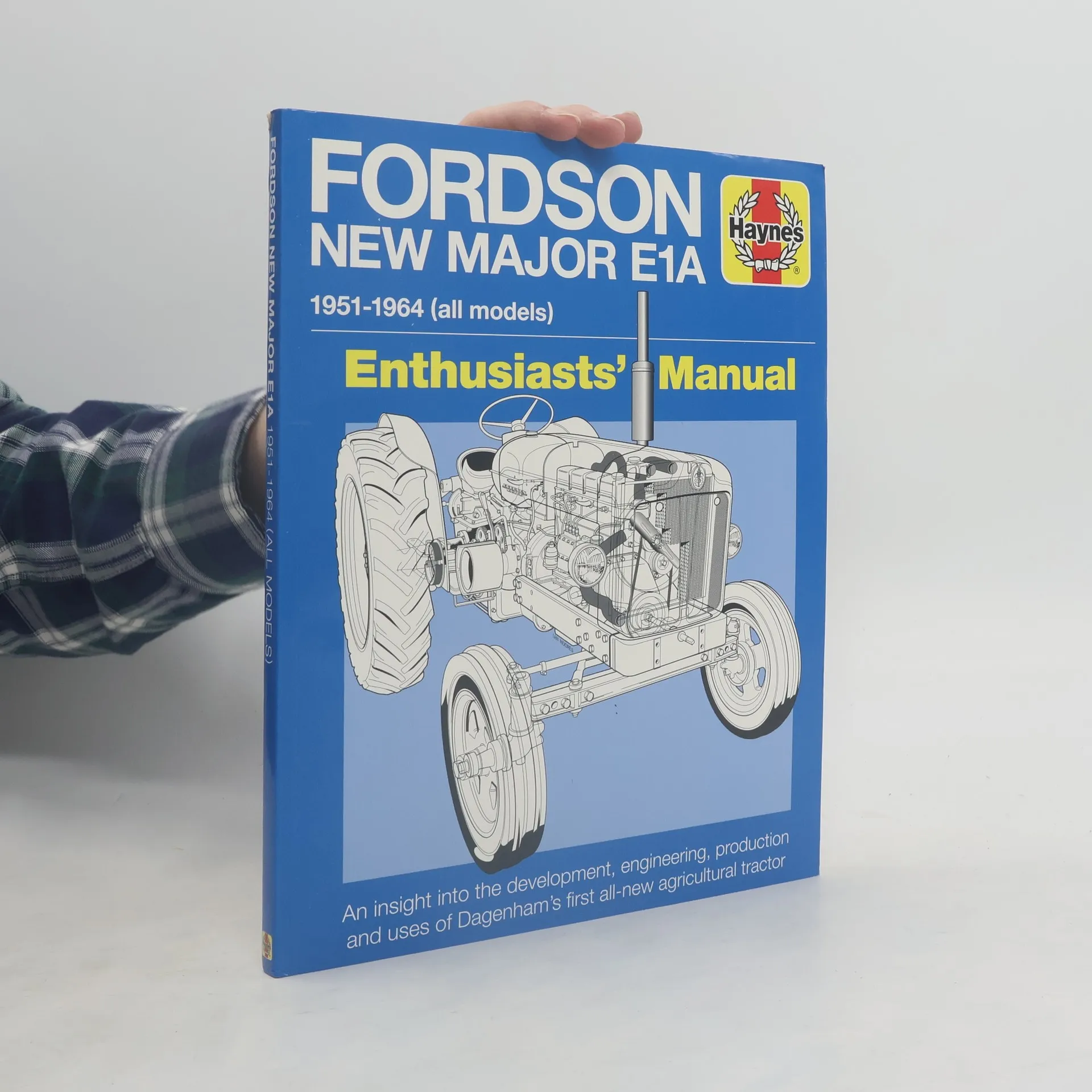
Fordson Major E1A Manual
- 168 stránok
- 6 hodin čítania
NEW IN PAPERBACK The Fordson Major tractor was produced in large numbers at Ford's UK Dagenham factory from 1951 until 1964, and was exported across the world, including to the USA (where it was called the Ford 5000 diesel).
Douglas DC-3 Dakota 1935 Onwards
- 160 stránok
- 6 hodin čítania
New in PB. The Douglas DC-3 Dakota revolutionised air transport in the 1930s and 40s. With a lasting impact on the airline industry, it is widely regarded as one of the most significant transport aircraft ever built. This Manual describes the Dakota's rugged anatomy and examines its operation from the viewpoint of owners, aircrew and engineers.
Hawker Hurricane Manual
- 160 stránok
- 6 hodin čítania
New in Paperback. This manual looks at the Hurricane's construction and what it takes to own and fly this classic fighter, how it's kept airworthy, and the background of the aircraft's Second World War combat history. The RAF Battle of Britain Memorial Flight's two Hurricane IIc models are the centrepieces of this manual.
Vinyl Manual
- 188 stránok
- 7 hodin čítania
The Vinyl Manual is the 21st century companion for anyone who is bringing their vinyl music collection back to life or discovering the joys of vinyl for the first time.
Royal Aircraft Factory Se5A Owners' Workshop Manual
- 160 stránok
- 6 hodin čítania
This rakish fighter became known as the 'mount of aces', being the type on which the most successful fighter pilots of Britain and her Empire went to war throughout the last 18 months of World War 1. It was the Spitfire of the Western Front: delivering greater speed, range, firepower and all-round performance than the vast majority of its opposition. Often working in partnership with the more pugnacious Sopwith Camel, the S.E.5 and S.E.5a ensured that no enemy aircraft was safe even a long way behind their own lines as the Royal Flying Corps gradually won air superiority over the trenches.
Airbus A380 Manual
- 192 stránok
- 7 hodin čítania
The Airbus A380 is the world’s most recognised and most talked about airliner since the Boeing 747 and Concorde appeared in the skies in the late 1960s. Designed to challenge Boeing's monopoly in the large-aircraft market, it made its first flight in April 2005, entering commercial service two years later with Singapore Airlines. This jet has become so popular that every four minutes--24 hours a day, seven days a week--an A380 is taking off or landing somewhere in the world. There is no other development in recent aviation history to rival this remarkable aircraft.
Mikoyan Mig-29 'Fulcrum' Manual
- 160 stránok
- 6 hodin čítania
An insight into operating, flying and maintaining the Soviet Union's deadly Cold War jet fighter.
Boeing B-17 Flying Fortress Manual
- 160 stránok
- 6 hodin čítania
Spearhead of the US 8th Air Force's daylight bomber offensive over Germany and north-west Europe in the Second World War, the Boeing B-17 Flying Fortress has become one of the most famous and best-known bomber aircraft of all time. číst celé
The Ferrari 512S, and its successor the 512M are among the most iconic of Ferrari sports-racing cars.
Messerschmitt Bf109 Manual
- 160 stránok
- 6 hodin čítania
NEW IN PAPERBACK. The Luftwaffe's Messerschmitt Bf109 single-seat fighter was the main combat adversary of the RAF's Hurricanes and Spitfires in the Battle of Britain.
Williams Fw14B Manual
- 168 stránok
- 6 hodin čítania
The Williams FW14B is the 1992 Formula 1 World Championship-winning car that dominated the season and took Nigel Mansell to his only World Drivers' Championship, winning nine races. Mansell's team-mate, Riccardo Patrese, also won a race, and finished second to Mansell on six occasions. To complete the stunning statistics, Mansell either won or finished second in all the races he finished that season, and he took pole position for all but two of the season's 16 races.
The Lotus 98T was the 1986-season, JPS-liveried F1 car driven by Ayrton Senna and team-mate Johnny Dumfries
Mcdonnell Douglas F-4 Phantom
- 160 stránok
- 6 hodin čítania
NEW IN PAPERBACK. First entering service in 1960 with the US military, the F-4 Phantom remained at the forefront of US air power throughout the 1970s and 1980s
North American X-15 Owner's Workshop Manual
- 192 stránok
- 7 hodin čítania
A unique Haynes Manual, providing fascinating technical insight into the development and use of rocket planes, focusing on the iconic X-15, which carried out much of the development work for the Apollo and Space Shuttle space programmes.
Military Land Rover Manual
- 160 stránok
- 6 hodin čítania
Land Rovers have been used by the military since they were introduced, in Series I form, in 1948. The Land Rover's rugged, 'go-anywhere' reputation has led to its use in a vast number of military roles, from general-purpose workhorse to special forces reconnaissance vehicle, ambulance, communications vehicle and weapons platform. Additionally, a number of one-off prototypes have been produced for various trials. This manual provides a unique insight into the world of military Land Rovers, with an emphasis on military operation and equipment.
Avro Vulcan Manual
- 192 stránok
- 7 hodin čítania
The awesome Avro Vulcan is an enduring image of the Cold War era when the world stood on the brink of nuclear annihilation. For many years the RAF's delta-wing jet bomber was the cornerstone of Britain's nuclear deterrent. Read about the Vulcan's operational history and take a close-up look at its construction. Discover what it takes to own and fly the mighty V-bomber, and find out how engineers keep it airworthy. Centrepiece of the manual is Vulcan XH558 - the world's only flying example of an Avro Vulcan.
North American P-51 Mustang
- 160 stránok
- 6 hodin čítania
NEW IN PAPERBACK. The North American P-51 Mustang holds an important place in US aviation history as its finest fighter aircraft of all time. číst celé
Consolidated B-24 Liberator Manual
- 160 stránok
- 6 hodin čítania
The Consolidated B-24 Liberator was the Second World War's most numerous Allied heavy bomber and - at over 18,000 made - the most produced American military aircraft číst celé
Tiger Tank Manual
- 160 stránok
- 6 hodin čítania
The German Tiger I was the most feared battle tank of the Second World War.
Think of the First World War and then think of an aircraft. What springs to mind will probably be the Sopwith Camel.
De Havilland Tiger Moth Manual Pb
- 160 stránok
- 6 hodin čítania
The de Havilland Tiger Moth biplane is an iconic and instantly recognisable aircraft
Porsche 917
- 160 stránok
- 6 hodin čítania
The iconic Porsche 917 took Porsche to its first Le Mans victory in 1970, winning again in 1971, and then dominating the North American Can-Am series in 1972 and 1973.
International Space Station Manual
- 176 stránok
- 7 hodin čítania
The International Space Station (ISS) is a permanently manned earth-orbiting complex where astronauts carry out research into a wide range of scientific activities.
Concorde Manual
- 160 stránok
- 6 hodin čítania
The authors were given special access to the Concorde flight simulator at Brooklands, Surrey, and to the preserved Concorde, G-BOAF, at Filton in Bristol, to recreate and photograph aspects of Concorde engineering and flight deck operations. The pictorial coverage of flight deck procedures is particularly comprehensive, providing an impressive level of detail hitherto unseen in print. The Anglo-French Concorde supersonic passenger transport is probably the most famous airliner in history. Its glamour was exceeded only by its speed of more than Mach 2 - twice the speed of sound. Concorde was able to cross the Atlantic from London to New York in little more than three hours, cutting the journey time of conventional subsonic airliners by more than half. In 2003, when the British and French Concorde fleets were prematurely retired from service, so ended a unique era in passenger travel and supersonic passenger aircraft design. Although the futuristic shape of Concorde no longer graces the skies, popular interest in this marvel of aeronautical design is undiminished
Raf Chinook Manual
- 160 stránok
- 6 hodin čítania
The RAF's rugged twin-rotor Chinook support helicopter has been involved in most of the UK's military operations stretching back to the Falklands Conflict, Northern Ireland and in both Gulf Wars, to peacekeeping in Bosnia, operations in Kosovo, the evacuation of Sierra Leone, and most recently its high profile missions in Afghanistan. Author Chris McNab has been given full access by the RAF to its Chinook helicopters and crews to give an unprecedented insight into their operation and maintenance, fully illustrated with a stunning selection of photographs and technical drawings.
Bristol Blenheim Manual
- 160 stránok
- 6 hodin čítania
This manual focuses primarily on the rebuild and return to flight of Blenheim Duxford Ltd's Blenheim Mk I, G-BPIV, by the Aircraft Restoration Company at Duxford. The author has been given exclusive access to all stages of the rebuild, which he has photographed in detail to give the Blenheim the authentic 'Haynes Manual treatment'.
Hawker Siddeley/Bae Harrier Manual
- 176 stránok
- 7 hodin čítania
NEW IN PAPERBACK. The revolutionary British-designed Harrier or 'Jump Jet' combat aircraft is capable of Vertical/Short Take-off and Landing (V/STOL).
Short Stirling Manual
- 160 stránok
- 6 hodin čítania
The mighty Short Stirling was the first four-engine heavy bomber to enter RAF service in the Second World War.
Westland Lysander Manual
- 160 stránok
- 6 hodin čítania
The Westland Lysander won lasting fame during the Second World War as the rugged little aircraft that flew British secret agents and French Resistance workers in an out of Occupied France by night, right under the noses of the Germans.
Lotus 49 Manual
- 168 stránok
- 6 hodin čítania
Lotus 49 Owners' Workshop Manual 1967 onwards (all marks) Ian Wagstaff The Lotus 49 F1 car was designed by Colin Chapman and Maurice Philippe for the 1967 F1 season. It was the first car to use the legendary Cosworth DFV engine.
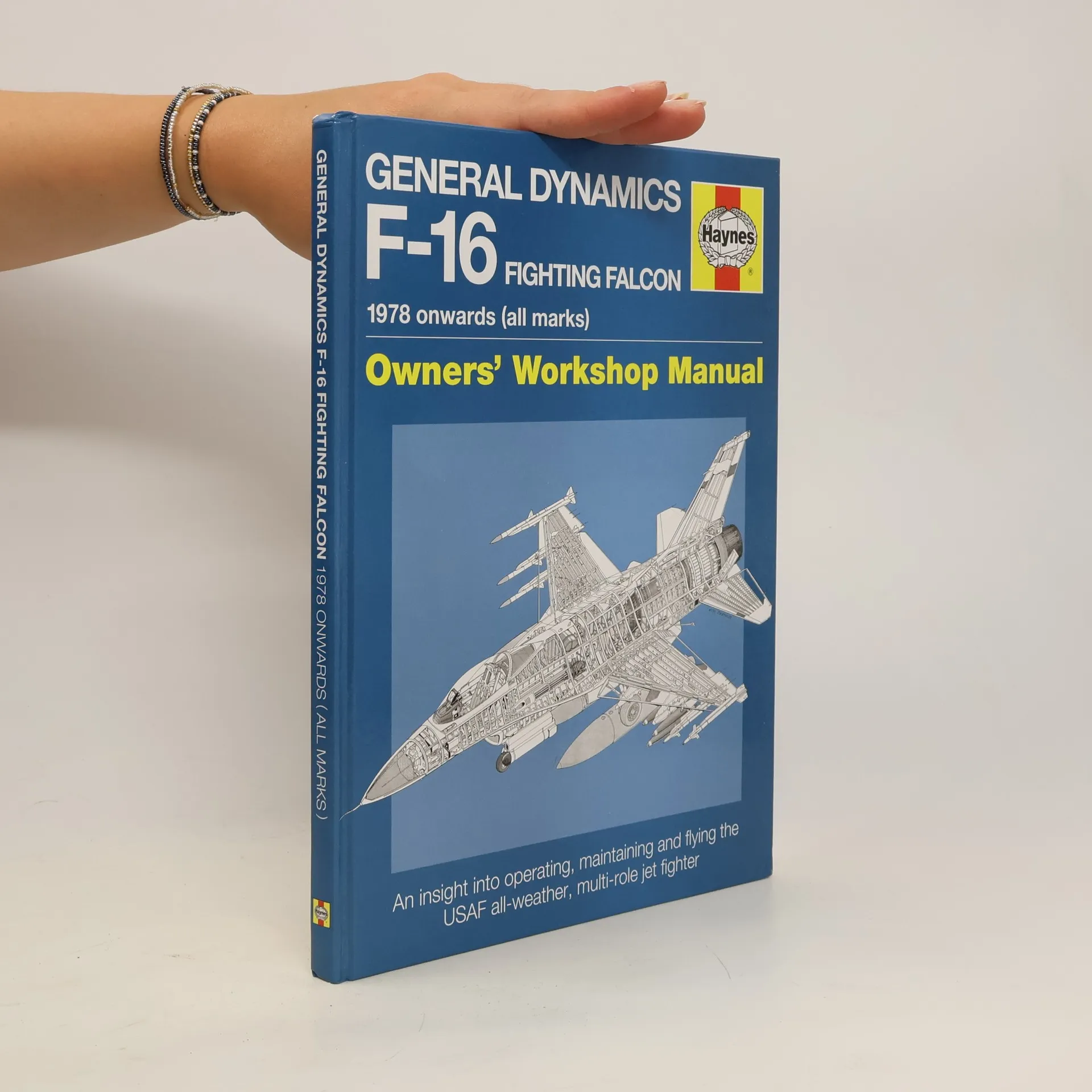
General Dynamics F-16 Fighting Falcon Manual
- 160 stránok
- 6 hodin čítania
Officially called the Fighting Falcon by the USAF (a name loathed by pilots and ground crews), the F-16 is popularly referred to as the "Viper". First introduced into service with the USAF in 1978, the F-16 is a successful all-weather multi-role jet fighter of which more than 4,500 have been built and exported to 25 countries worldwide. It remains in service more than 30 years later. The Viper incorporates a number of innovative design features that include a frameless bubble canopy for better visibility, pilot's side-mounted control stick for ease of control when manoeuvring, a seat reclined 30 degrees to reduce the effect of g-forces on the pilot, and the first use of a relaxed static stability/fly-by-wire flight control system that makes the Viper a highly agile aircraft. At the 'business end' the F-16 has an internal M61 Vulcan cannon and eleven weapon-mounting stations.
Mclaren M23 Manual
- 160 stránok
- 6 hodin čítania
The McLaren M23 first appeared in 1973, and became McLaren’s first World Championship winner when Emerson Fittipaldi took the title in 1974. As depicted in the new feature film Rush, James Hunt gloriously repeated the feat in 1976 after a mighty season-long battle with Niki Lauda. Here, in this new Haynes Manual, is unique perspective on what it takes to restore, maintain and race a McLaren M23, as well as an insight into the design, engineering and development of this landmark Formula 1 car.
Wallace & Gromit
- 232 stránok
- 9 hodin čítania
This book combines all the fabulous drawings of Wallace & Gromit's many contraptions by Graham Bleathman, as well as all the photos and technical descriptions, into a single paperback volume at a great price.
Apollo 13 Manual
- 208 stránok
- 8 hodin čítania
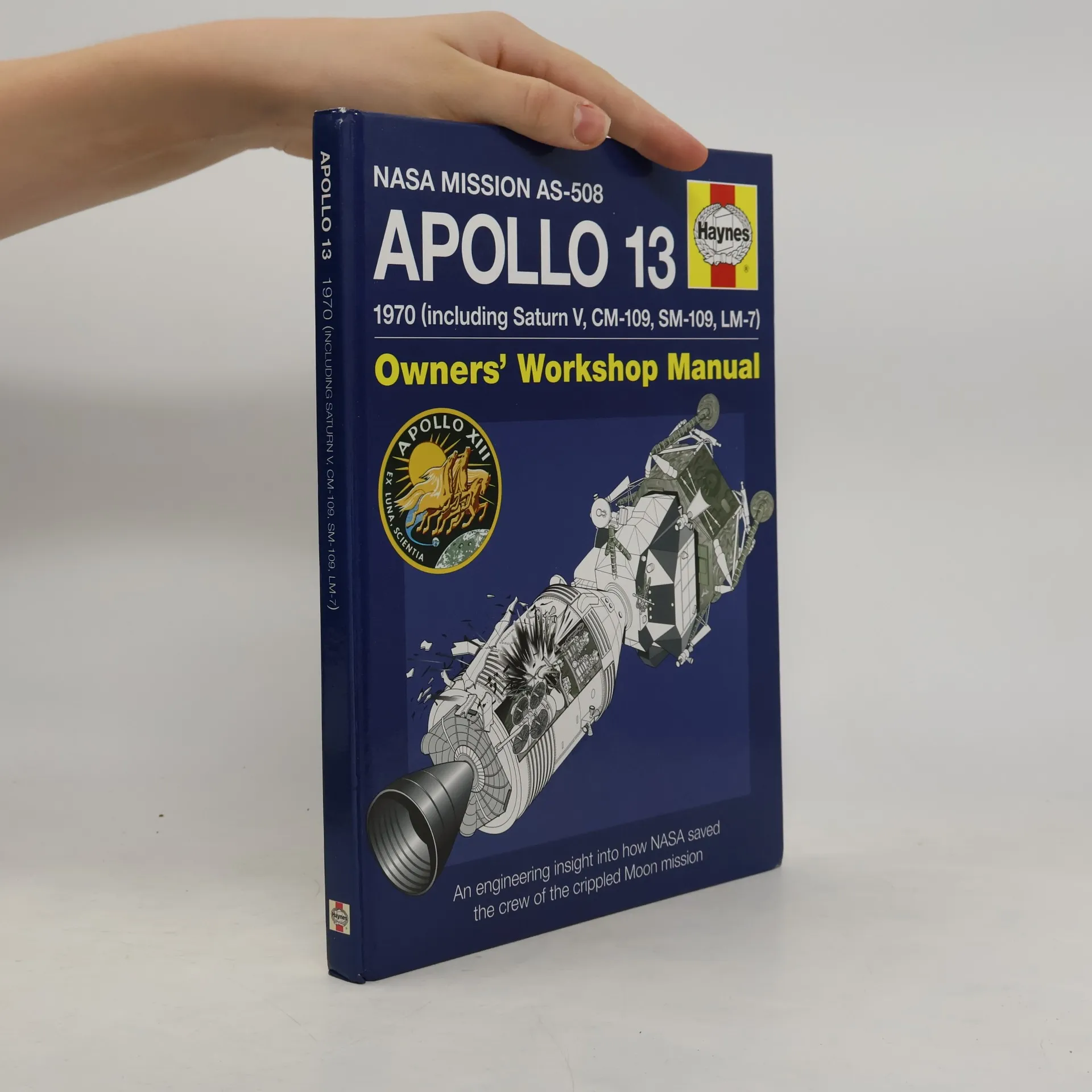
On April 13, 1970, NASA's Apollo 13 faced a near-catastrophic explosion, halting the planned lunar landing and shifting focus to safely returning the spacecraft to Earth. Written by David Baker, a member of NASA's Apollo 13 Mission Control team, this manual provides detailed coverage of the mission. It begins with an overview of the era's technology and equipment, then delves into the planning, goals, and execution of the mission, including an hour-by-hour timeline of the crew's crisis in space. Baker's analysis of the post-flight investigation reveals design issues with the spacecraft, offering a rare insider's perspective. He not only examines the mission but also highlights NASA's legacy following the event, detailing redesigns of spacecraft sections and changes in mission organization starting with Apollo 14. Illustrated in the style of a Haynes Manual, this work uncovers the extraordinary circumstances behind the team's recovery of their spacecraft just hours before re-entry. More than a technical account, it showcases how ingenuity, teamwork, and determination averted a major disaster in space.
Nasa Mars Rovers Manual
- 192 stránok
- 7 hodin čítania
Is there life on Mars? This age-old question has prompted many missions to Mars, with the most recent rover, Curiosity, having safely landed in August 2012 amid a blaze of publicity. This manual covers the development, design and engineering of three generations of Mars rover: Sojourner, which landed in 1997, was the size of a microwave; Spirit and Opportunity, both the size of a shopping cart, followed in 2004; and Curiosity is the size of a car, with a design life of two years. Learn how these machines work as well as what they have found and hope to discover - and look forward to the possibility that humans may yet set foot on the Red Planet.
Boeing B-52 Stratofortress Manual
- 168 stránok
- 6 hodin čítania
The eight-engine Boeing B-52 Stratofortress jet was the USA's first long- range, swept-wing heavy bomber. It began life as an intercontinental, high- altitude Cold War nuclear bomber. In this title, the author recalls its history, gets up close to look under the skin of B-52, and talks to the flight crews and maintainers of this legendary aircraft.
Empire Flying Boat Manual
- 160 stránok
- 6 hodin čítania
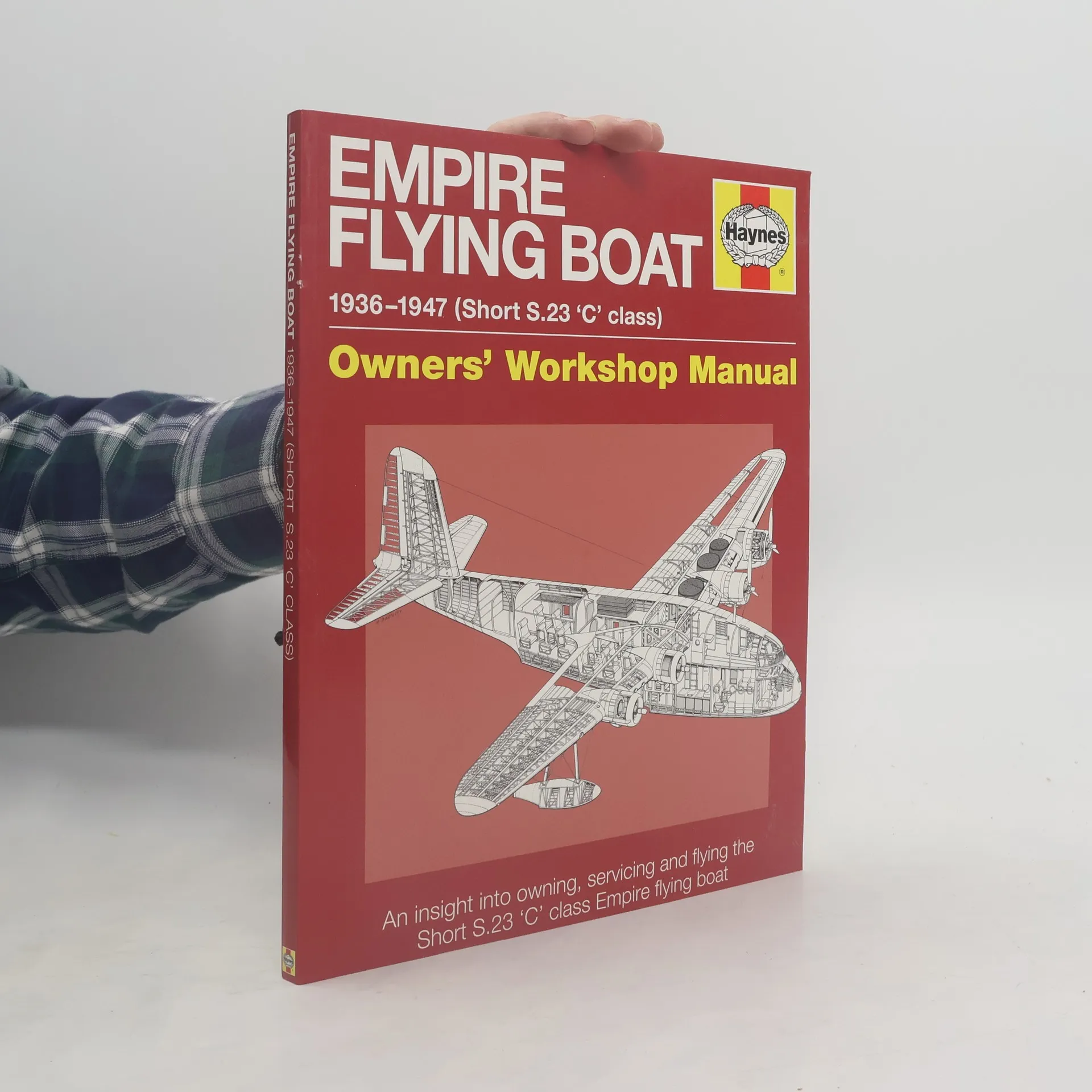
NEW IN PAPERBACK. The Short 'C' Class Empire flying boats were designed in 1934 to implement the Empire Air Mail Scheme. They were operated by Imperial Airways (forerunner of British Airways), QANTAS and Tasman Empire Airways, carrying letter mail throughout the British Empire and Dominions. Small numbers of passengers and freight were also carried. With privileged access to the British Airways Heritage Collection, author Brian Cassidy describes the genesis and anatomy of the Empire boats, their service career, operation and maintenance of the Empires, and the experience of travelling by flying boat in the 1930s.
Nasa Space Shuttle Manual
- 196 stránok
- 7 hodin čítania
Describes the origin of the reusable launch vehicle concept during the 1960s, its evolution into a viable flying machine in the early 1970s, and its subsequent design, engineering, construction and operation.
Douglas DC-3 Dakota
An insight into owning, flying, and maintaining the revolutionary American transport aircraft
- 160 stránok
- 6 hodin čítania
The Douglas DC-3 Dakota revolutionized air transport in the 1930s and 1940s. Because of its lasting impact on the airline industry, and in particular the part it played in the World War II, the Dakota is widely regarded as one of the most significant transport aircraft ever built. Using the RAF Battle of Britain Memorial Flight’s ZA947 as its centerpiece, this Haynes Manual describes the Dakota’s rugged anatomy and examines its operation from the viewpoints of its owners, aircrew, and engineers.
Apollo 11 Manual
- 160 stránok
- 6 hodin čítania
On 20 July 1969, US astronauts Neil Armstrong and Buzz Aldrin became the first men to walk on the moon. This title presents the story of the Apollo 11 mission and the 'space hardware' that made it possible. It looks at the evolution and design of the mighty Saturn V rocket, the Command and Service Modules, and the Lunar Module.
Spitfire Manual
- 160 stránok
- 6 hodin čítania
Provides an insight into what it takes to own, restore and operate a Spitfire. This book also offers an insight into the engineering and construction of this aeroplane.
Convair B-36 Peacemaker
- 224 stránok
- 8 hodin čítania
Unofficially named the 'Peacemaker', the Convair B-36 is a legend of the Cold War. With six powerful radial engines and four turbojets paired in pods, the B-36 was America's 'Big Stick' that could subdue would-be aggressors with unrestrained nuclear retribution at a level unmatched by any other aircraft or air force of the time.
U.S.S. Enterprise Manual
- 159 stránok
- 6 hodin čítania
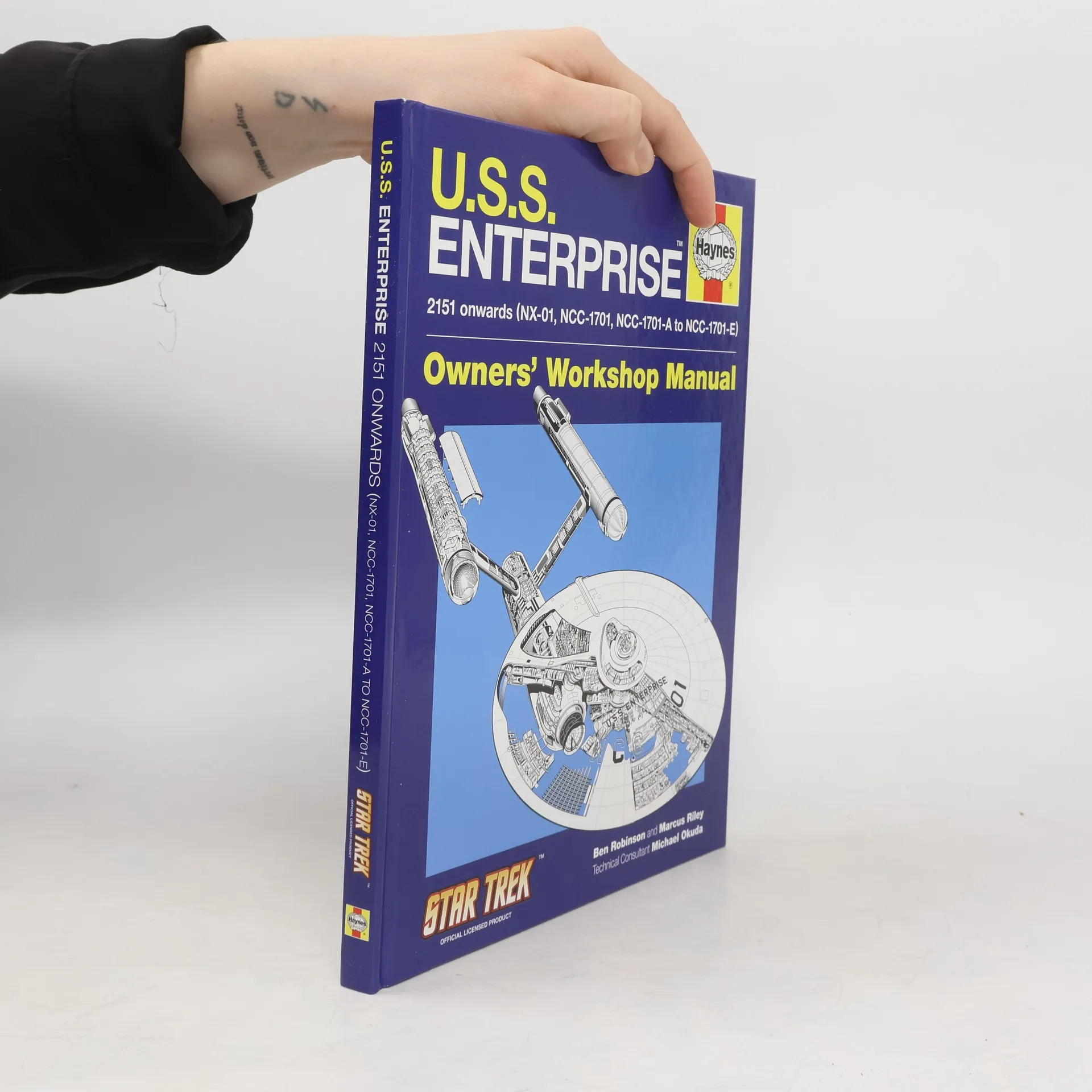
A Haynes Manual that features drawings, technical illustrations and photographs along with comprehensive background information and specifications on the technology used on board the USS Enterprise, in its various incarnations.