
Crow
- 184 stránok
- 7 hodin čítania
A classic account of the crow, now available in B-format paperback. Boria Sax looks at the crow in myth, literature and life, from Noah's raven to films such as The Crow.
Táto séria skúma zložitý vzťah medzi ľuďmi a zvieratami, často zasadená do divokej prírody alebo na farmy. Príbehy sa zameriavajú na putá, ktoré sa tvoria, výzvy, ktorým čelia, a hlboký dopad, ktorý majú zvieratá na ľudské životy. Čitatelia sa môžu tešiť na dojímavé momenty, dobrodružstvá a lekcie o empatii a porozumení zvieracej ríši.


A classic account of the crow, now available in B-format paperback. Boria Sax looks at the crow in myth, literature and life, from Noah's raven to films such as The Crow.
Die größte Raubkatze der Erde wurde in vielen Kulturen aufgrund ihrer Schönheit, Anmut und Kraft verehrt. Heutzutage leben schätzungsweise nur noch 3200 Tiger in freier Wildbahn. Susie Green setzt sich aktiv für den Erhalt von Tigern ein und hat für dieses Buch freilebende Exemplare in Indien und anderen Ländern beobachtet. Sie räumt mit vielen Vorurteilen auf und liefert faszinierende Einblicke in die Stammes- und Kulturgeschichte des Tigers. Auszug „Ich bin den Tigern meist zufällig begegnet. Selbst, wenn sie mich verfolgten, dann nur in respektvollem Abstand, sie waren einfach neugierig und wollten wissen, was diese seltsame Kreatur, die sie nie zuvor gesehen hatten, in ihrem Revier machte. Die Hälfte aller Dinge, die ein Mensch im Urwald fürchtet, entspringt seiner Fantasie. Er ist extrem unsicher und dichtet den Tieren des Dschungels eine Grausamkeit an, die sie in Wirklichkeit gar nicht haben.“ Patrick Hanley
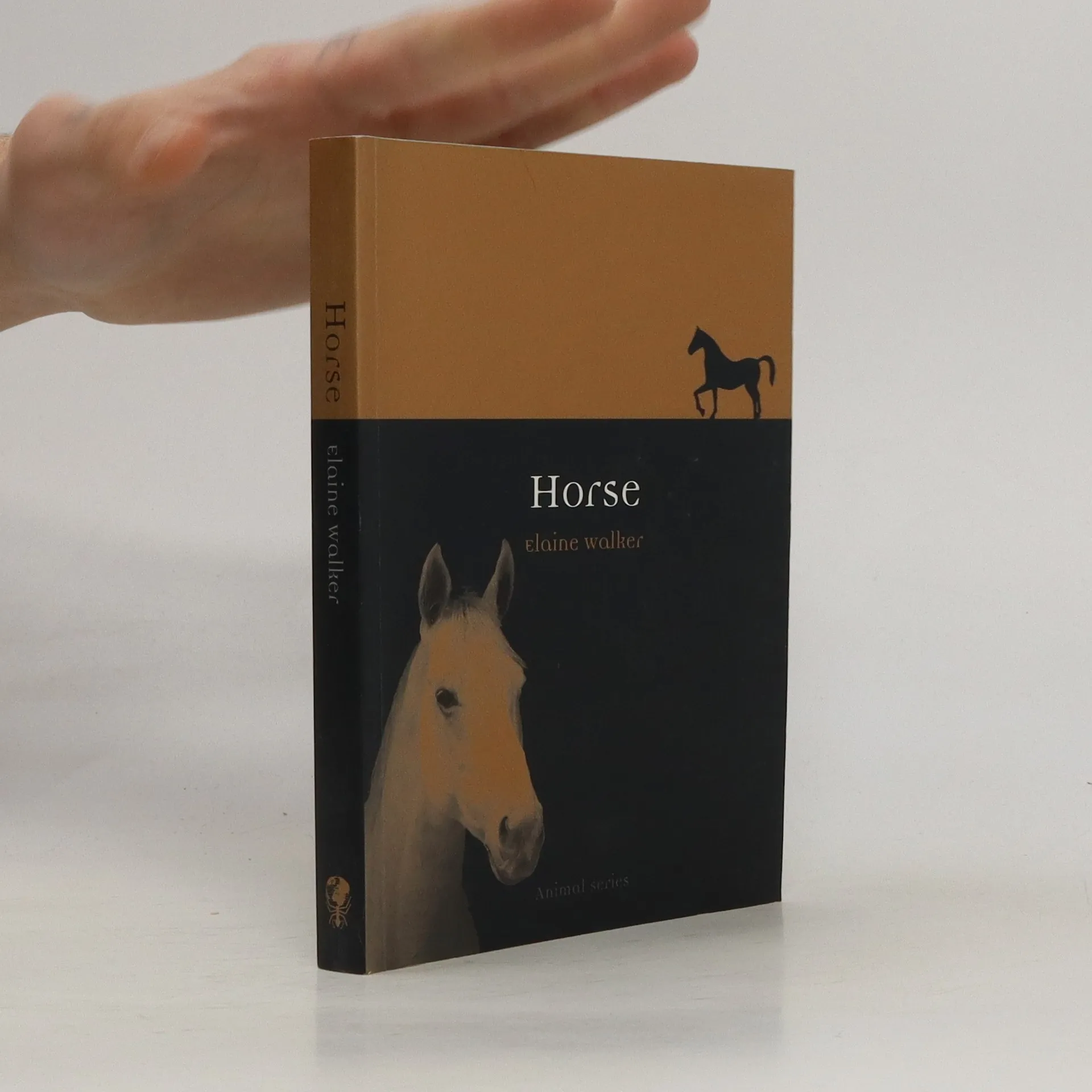
From Pegasus to Black Beauty, horses have held a unique place in human society and imagination. Elaine Walker tackles the long and multifaceted history of a creature valued for both beauty and usefulness. Spanning the world from the wild steppes of Mongolia to the American plains, Horse chronicles the rich and complex natural history of the animal, from wild feral horses to the domesticated species that once played a central role in daily life as a means of transportation, an instrument of war, and a source of labour. Elaine Walker charts how the long-standing connection between people and horses is reflected in cultures around the world and the implications for both human and animal of such close interaction. She also traces the centrality of the horse in art, entertainment and literature, from the rich global traditions of horse-racing and equestrianism to literary classics such as Follyfoot. Ultimately, Walker contends, the continuing role of the horse in the modern world reveals telling changes in human society.
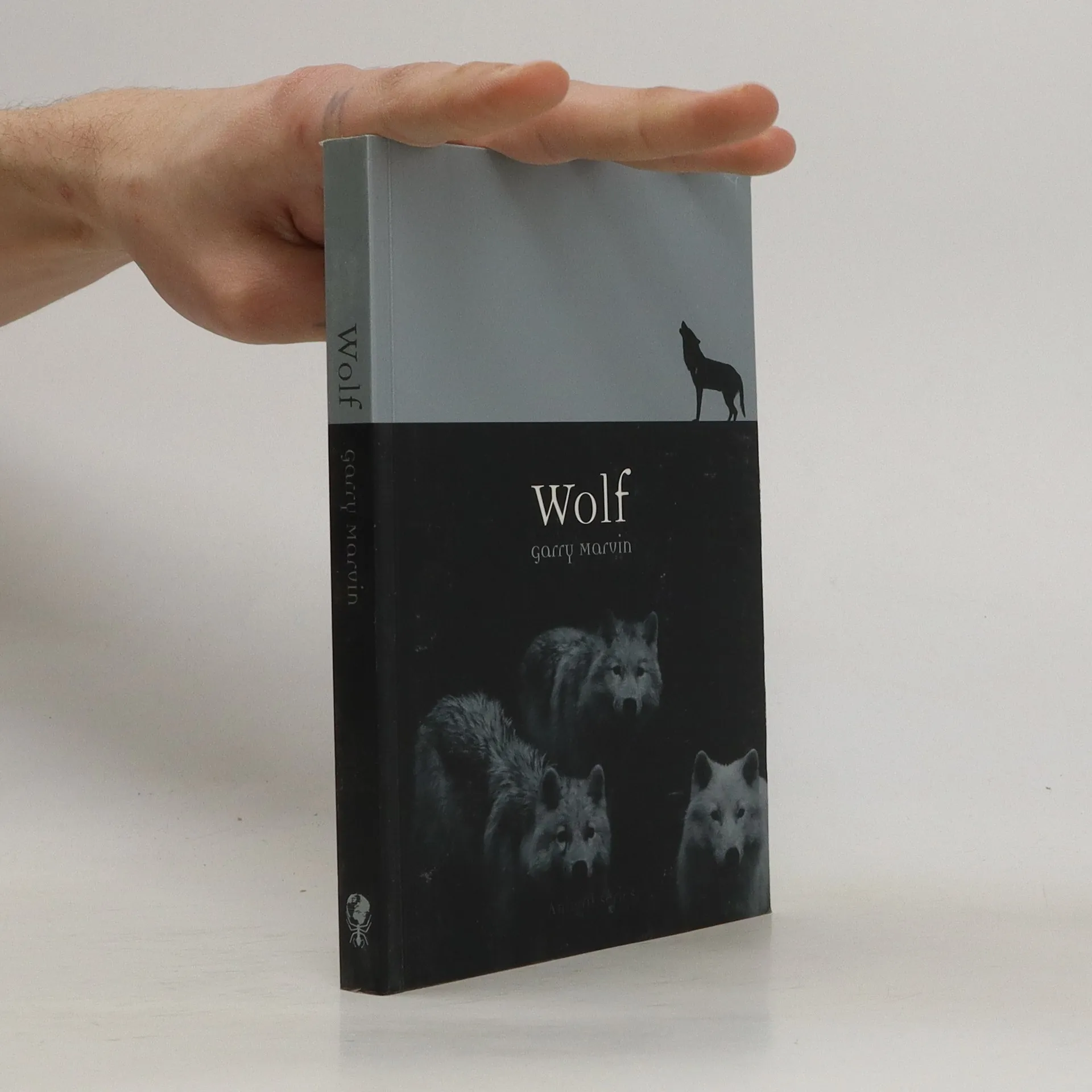
Feared and revered, the wolf has been admired as a powerful hunter and symbol of the wild and reviled for its danger to humans and livestock. Garry Marvin reveals in Wolf how the ways in which wolves are imagined has had far-reaching implications for how actual wolves are treated by humans. Indigenous hunting societies originally respected the wolf as a fellow hunter, but with the domestication of animals the wolf became regarded as an enemy due to its attacks on livestock. Wolves, as a result, developed a reputation as creatures of evil. In children’s literature, they were depicted as the intruder from the wild who preys on the innocent. And in popular culture, the wolf became the creature that evil humans can transform into—the dreaded werewolf. Fear of this enigmatic creature, Marvin shows, led to an attempt to eradicate it as a species. However, with the development of scientific understanding of wolves and their place in ecological systems and the growth of popular environmentalism, the wolf has been rethought and reimagined. The wolf now has a legion of new supporters who regard it as a charismatic creature of the newly valued wild and wilderness. Marvin investigates the latest scientific understanding of the wolf, as well as its place in literature, history, and folklore, offering insights into our changing attitudes towards wolves.
In Rat, Jonathan Burt traces the history of the human relationship with rats, from the first archaeological finds to the genetically engineered rats of the present day, describing its role in the arts and sciences, religion and myth, psychoanalysis and medicine.
Tortoise is the first cultural and natural history of these long-lived and intriguing creatures, which have existed for more than 200 million years. schovat popis
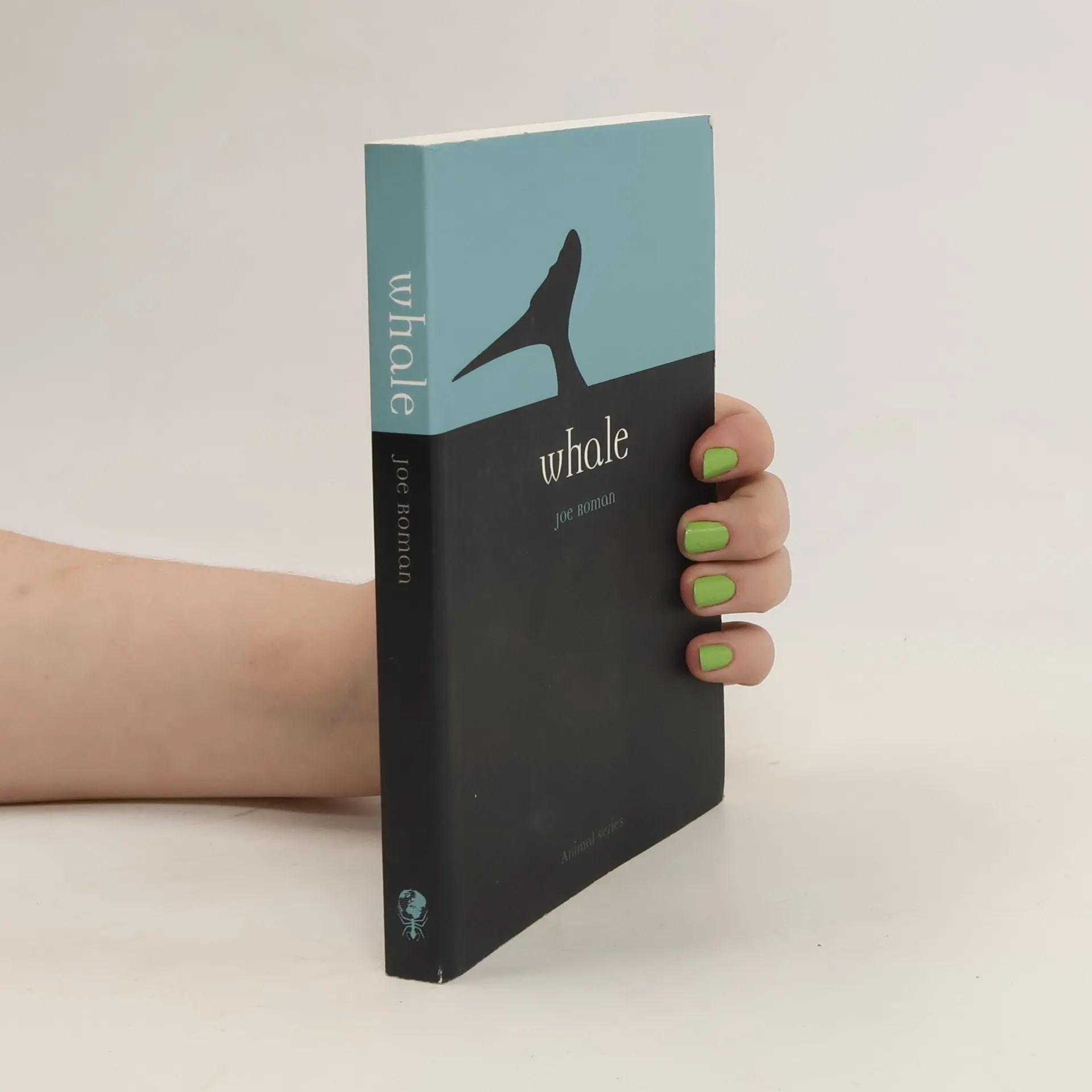
Whales are the largest animals ever to have lived on the earth; a large Blue Whale's tongue alone can weigh more than an elephant. This title recounts the evolutionary and ecological background, as well as the cultural history, of these extraordinary mammals, long persecuted and now celebrated throughout the world.
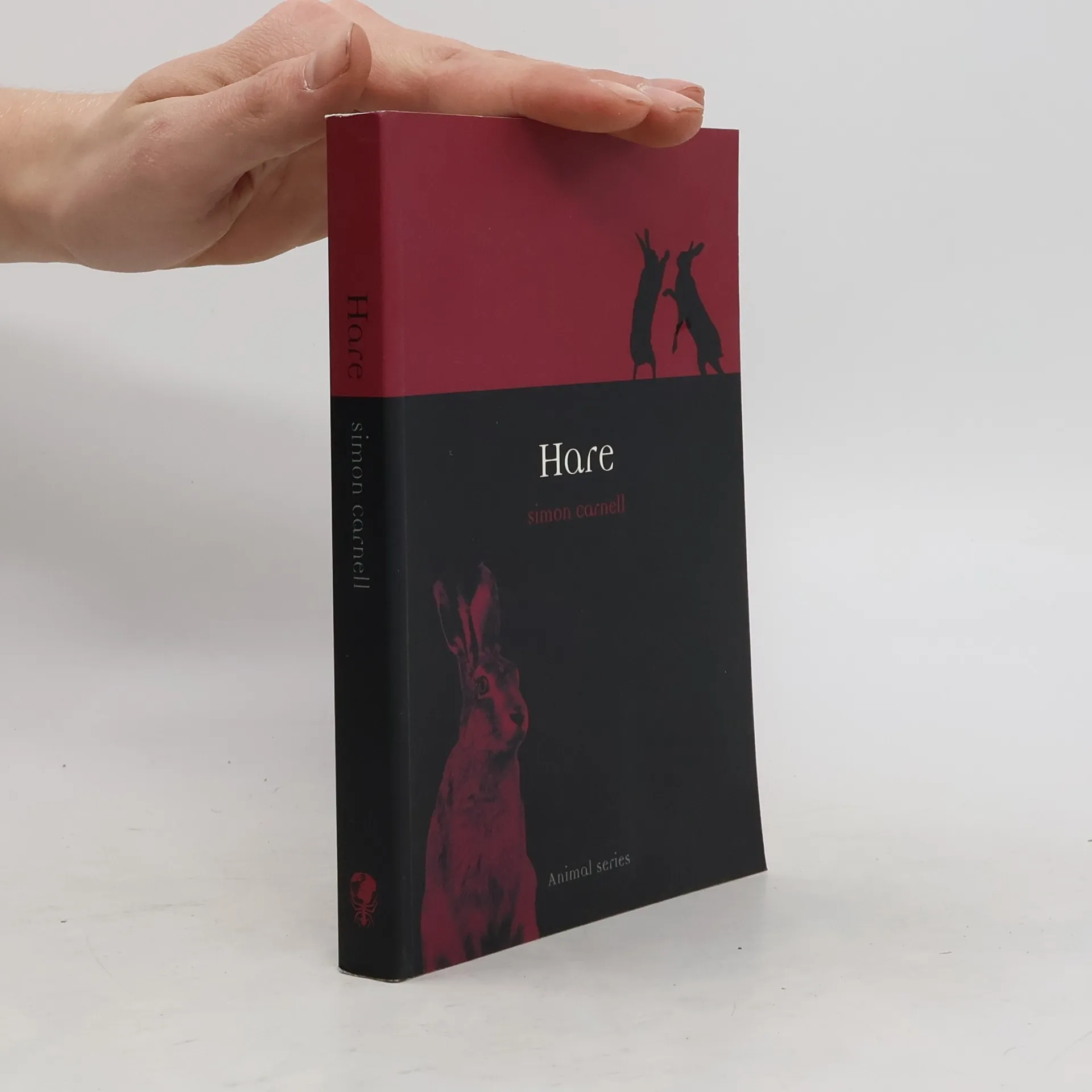
Tracking the hare from ancient Egypt, where a hieroglyph of the animal signified existence itself, to the serial hare works of artist Joseph Beuys, this book finds its subject in many surprising places and forms: from Crucifixion scenes, Buddhist lore and Algonquin creation myths, to witch trials, treatises on logic, and contemporary poetry.
Highly regarded woodpecker expert Gerard Gorman presents a unique natural, social and cultural history of woodpeckers.
Cat traces the long relationship between humans and the cosily domestic, yet eerie cat.
A highly illustrated exploration of the ancient and fascinating relationship between human and dog.
From the milk we drink in the morning to the leather shoes we slip on for the day, to the steak we savour at dinner, our daily lives are thoroughly bound up with the cow. The author explores the complex story behind this seemingly benign creature, plumbing the rich trove of myth, fact and legend surrounding the cow, bull and ox.
Sovy nejsou takové, jaké se zdají. Proplétají se lidskou kulturou, od starodávného Babylonu přes Sovu a kočku Edwarda Leara, nabubřelou roztržitou Sovu z Medvídka Pú až po Hedviku z Harryho Pottera. Povahu těchto nádherných, tichých a nemilosrdných predátorů vnímáme jako protiklad mezi dobrem a zlem. Jsou to enigmatická stvoření, jejichž přítomnost stěží zaznamenáme. Desmond Morris v této fascinující knize objevuje přírodní a kulturní dějiny sov z celého světa, neboť s výjimkou Antarktidy se tito ptáci nachází na všech kontinentech. Popisuje, jak se sovy vyvinuly do mnoha druhů, od drobného 14 centimetrového kulíška trpasličího až po výra velkého, který měří více než 70 centimetrů. Právě proto, že jsou celosvětově hojně rozšířené, objevují se v pověstech, mýtech a legendách mnoha původních a domorodých obyvatel. Morris tyto příběhy vysvětluje a interpretuje, ale také se zabývá příklady sov v umění, f ilmu a v literatuře. Autor ve svém poutavém vyprávění dokazuje, že sovy jsou v naší kultuře stále přítomny. Desmond Morris je uznávaný autor a moderátor žijící v Oxfordu, jehož dílo zahrnuje tituly: Nahá opice, Lidská zoo a Lidský živočich. Kniha obsahuje 123 obrázků, z nichž 91 je barevných.
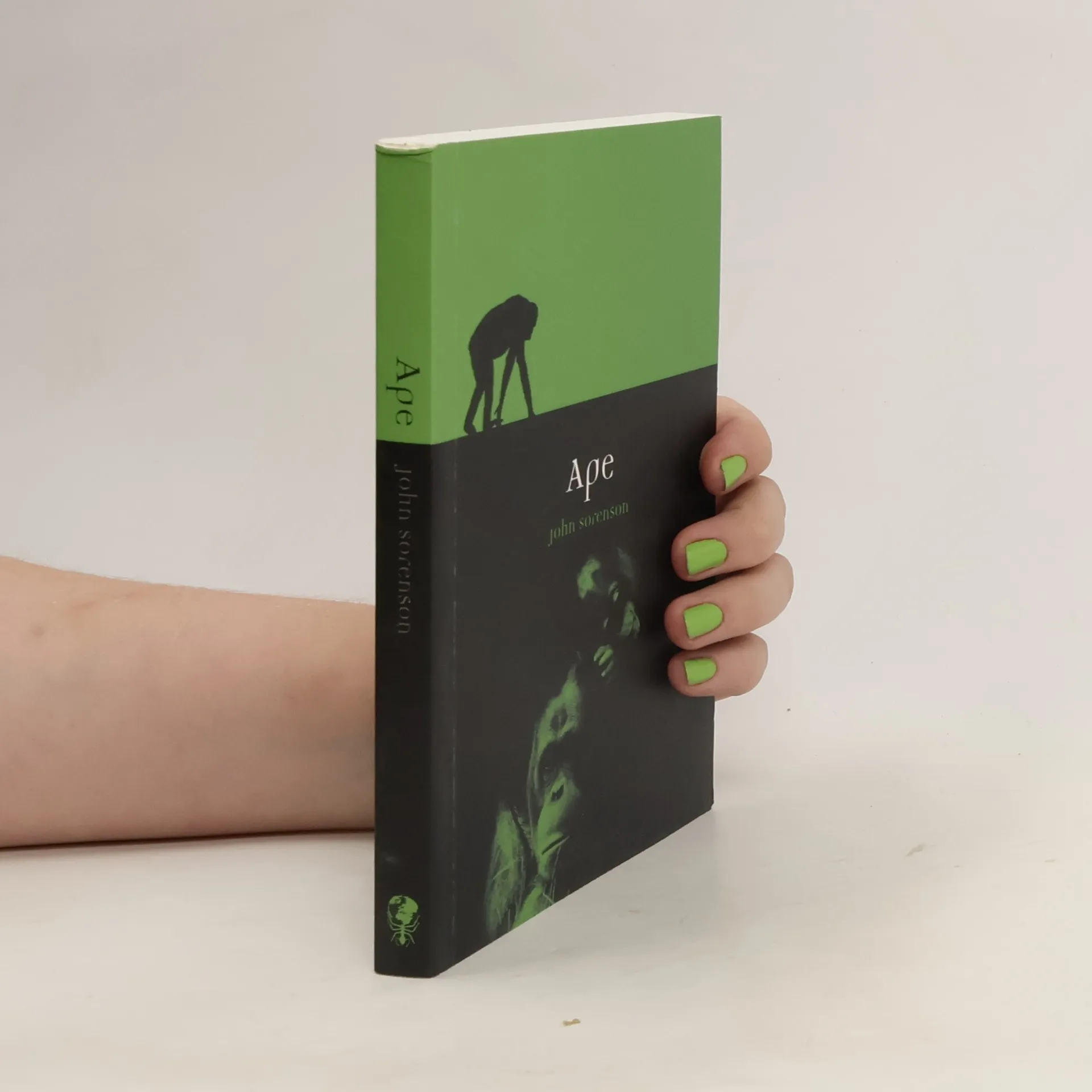
Apes - to look at them is to see ourselves in a mirror. Our close genetic relatives fascinate and unnerve us with their similar behaviour and social personalities. The author delves into our contradictory relationship with the ape, which often reveals as much about us as humans as it does about the apes themselves.
Claire Preston's Bee is a history of our long, complex relationship with this industrious, much-admired insect. The book moves from ancient political descriptions of the bee to Renaissance debates about monarchy, to the conversion of the virtuous, civil bee into the dangerous swarm of the Hollywood horror flick, and finally to the melancholy recognition that the modern decline of the bee is due to our use of harmful pesticides and destruction of the insect's habitat. Written in a lively, engaging style and containing many fascinating facts, anecdotes, fables and images, Bee is a wide-ranging, highly illustrated natural and cultural history of this familiar visitor to our gardens and parks. The book appeals to a wide audience: those who work with bees and honey; those who appreciate this hard-working, humble creature and its intricate, miniature society; and those too who have an interest in the way the bee has woven itself into the fabric of our culture.
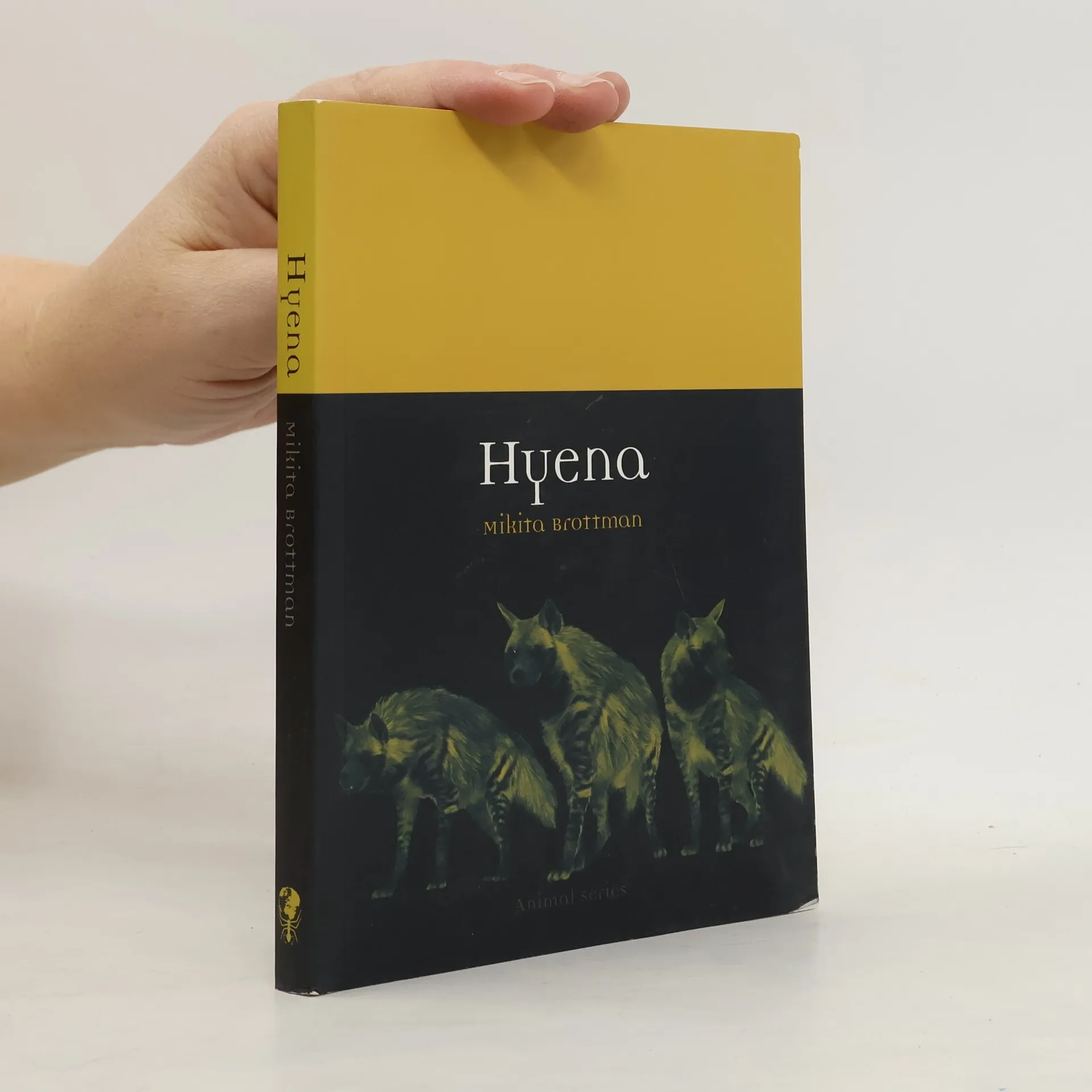
Hyena investigates this fascinating animal throughout history. Mikita Brottman offers an enlightening view to an often misunderstood animal, showing that the hyena is in fact a complex, intelligent and highly sociable creature.
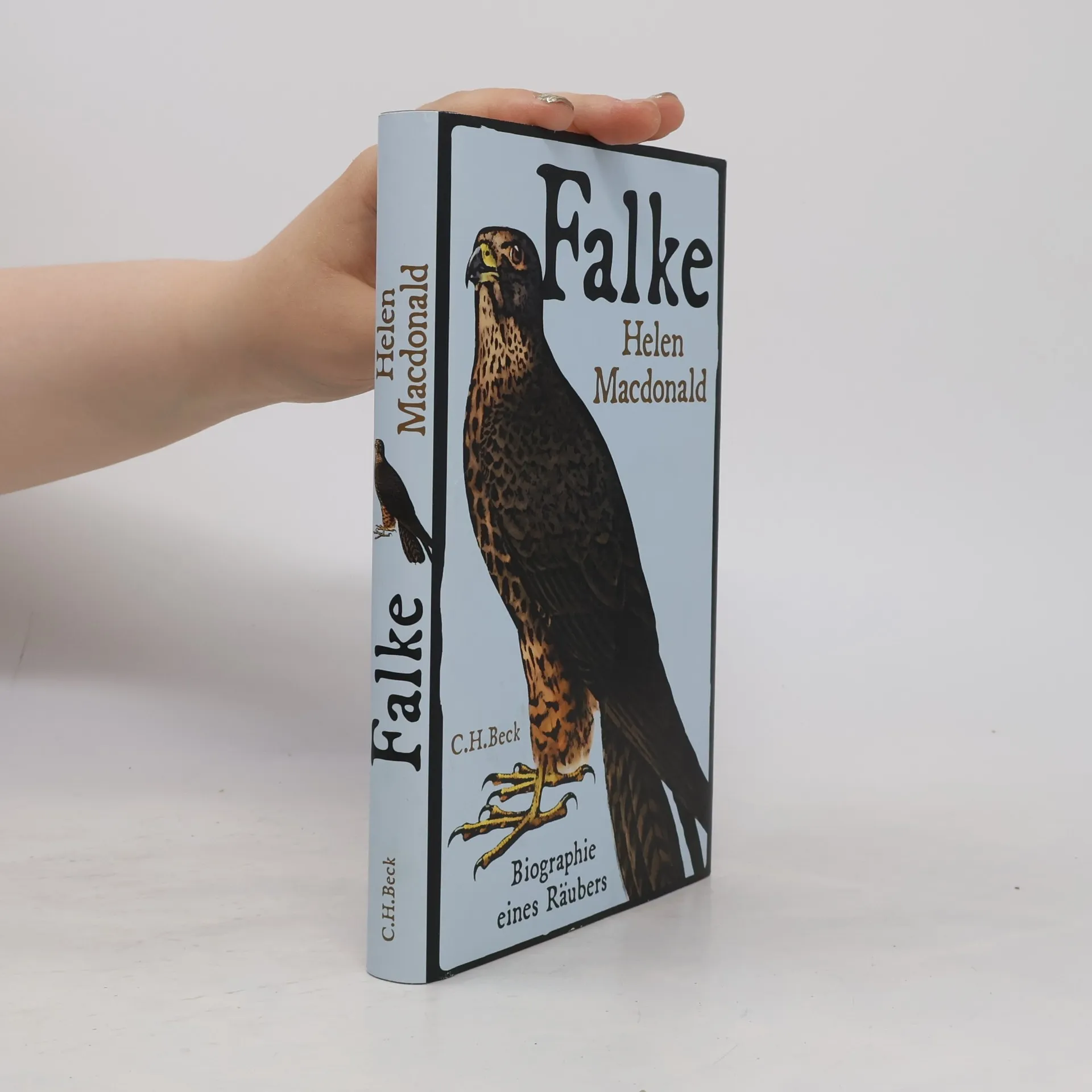
Biographie eines Räubers
Falken sind die schnellsten Tiere der Erde. Sie sind von einer erregenden Schönheit und strahlen eine natürliche, gefährliche Erhabenheit aus. Helen Macdonald, Autorin des preisgekrönten Bestsellers H wie Habicht, erkundet in ihrem brillant geschriebenen Buch die ganze Welt dieser Räuber, die die Menschheit seit Tausenden von Jahren magisch angezogen haben. In einer virtuosen Verbindung von Natur- und Kulturgeschichte schildert Helen Macdonald das Eigenleben der Falken ebenso wie unser Leben mit ihnen. Wie die Welt für einen Falken aussieht, wie der Vogel seine ehrfurchtgebietende Geschwindigkeit erreicht und seine Beute schlägt, stellt Macdonald so lebhaft und plastisch dar wie die Fantasien, welche die Menschen mit den Falken verknüpft, und den Nutzen, den sie aus ihnen gezogen haben. Falken wurden als Götter verehrt und zur Jagd abgerichtet, von Dichtern besungen und zur Spionage eingesetzt, sie dienten als erotische Symbole und für militärische Zwecke. Helen Macdonald führt einfühlsam und eindrucksvoll vor Augen, wie Falken dem Menschen seit Urzeiten als Gefährten gedient haben und trotzdem immer undurchdringlich fremde Wesen geblieben sind.
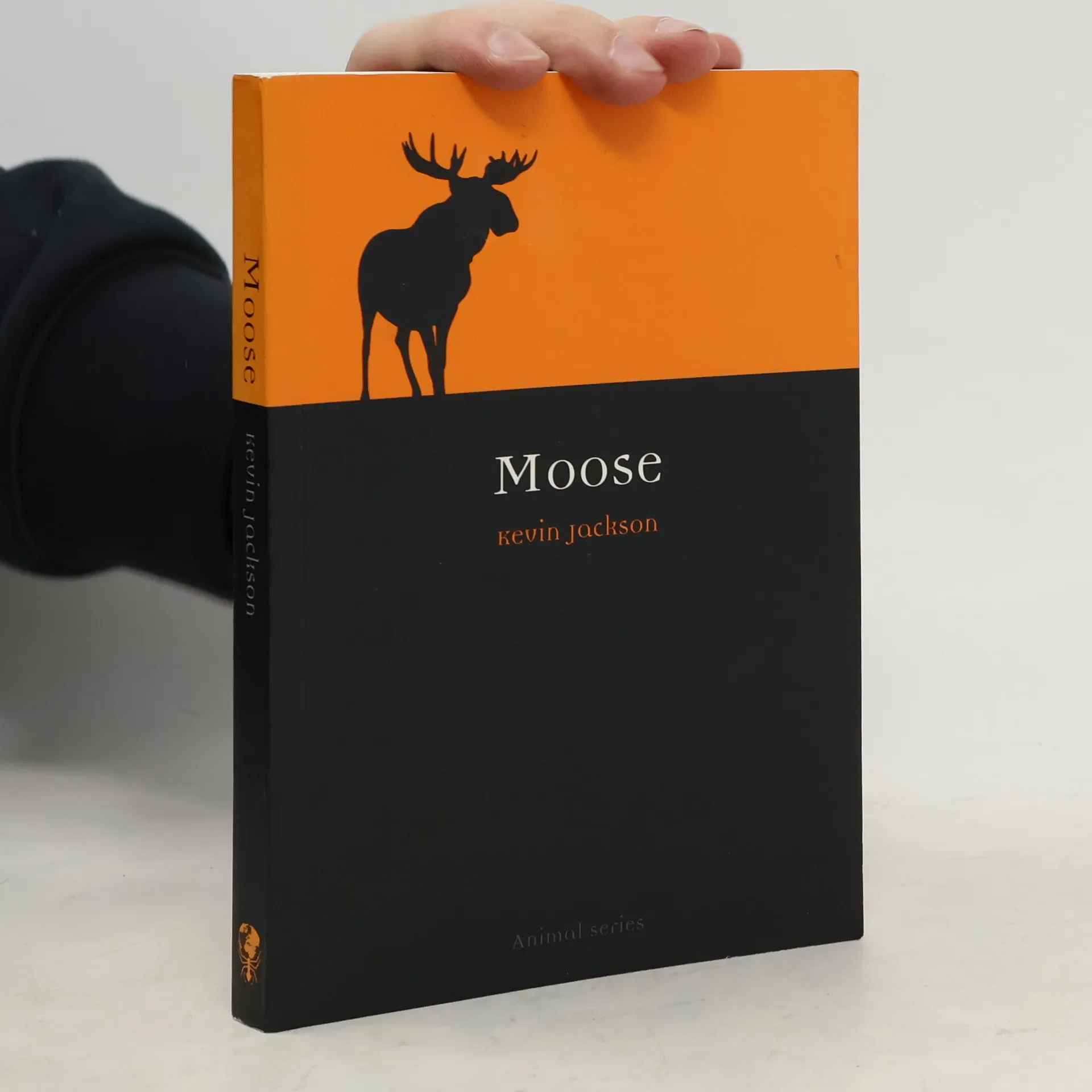
The moose is a fascinating but elusive animal of the north. This book focuses on its little-known natural history. It explains the animal's behaviour, evolution and diet, and describes its natural environments around the world, including in the USA, Canada and Scandinavia, where the moose is the national animal of Sweden and of Norway.