


Parametre
Viac o knihe
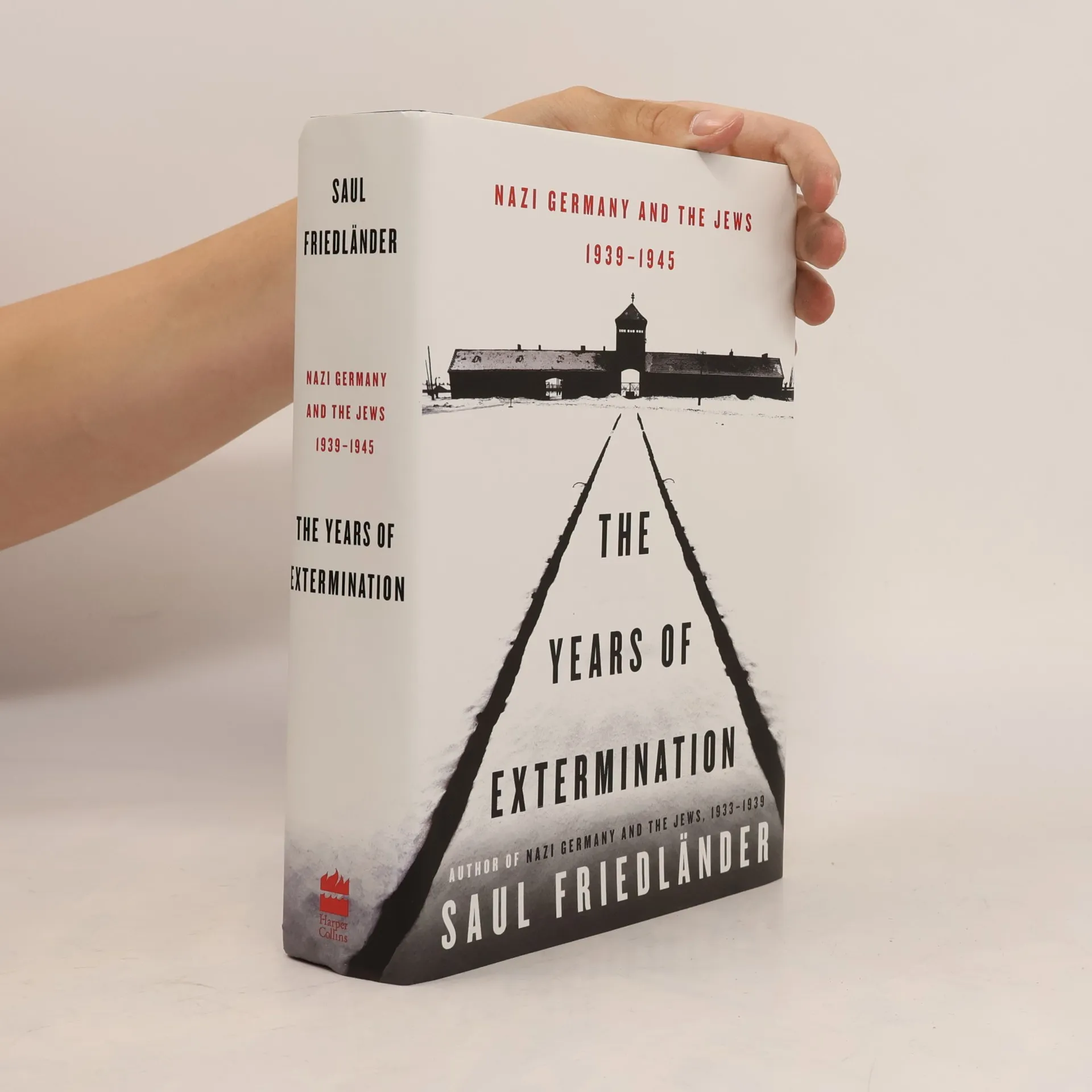
With The Years of Extermination, Saul Friedländer completes his major historical work on Nazi Germany and the Jews. The book describes and interprets the persecution and murder of the Jews throughout occupied Europe. The enactment of German extermination policies and measures depended on the cooperation of local authorities, the assistance of police forces, and the passivity of the populations, primarily of their political and spiritual elites. This implementation depended as well on the victims’ readiness to submit to orders, often with the hope of attenuating them or of surviving long enough to escape the German vise. This multifaceted study—at all levels and in different places—enhances the perception of the magnitude, complexity, and interrelatedness of the many components of this history. Based on a vast array of documents and an overwhelming choir of voices—mainly from diaries, letters, and memoirs—Saul Friedländer avoids domesticating the memory of these unprecedented and horrific events. The convergence of these various aspects gives a unique quality to The Years of Extermination. In this work, the history of the Holocaust has found its definitive representation.





Nákup knihy
The years of extermination, Saul Friedländer
- Jazyk

- Rok vydania
- 2007
- Väzba
- (pevná)
Platobné metódy
Tu nám chýba tvoja recenzia
- Jazyk
- anglicky
- Autori
- Saul Friedländer
- Vydavateľ
- HarperCollins
- Rok vydania
- 2007
- Väzba
- pevná
- ISBN10
- 0060190434
- ISBN13
- 9780060190439
- Štítky
- Náučná literatúra, Historické téma, História, Nemecko, Vojenské dejiny, Vojny, Druhá svetová vojna, Dejiny Európy, Holokaust
- Pôvodný názov
- Nazi Germany and the Jews
- Hodnotenie
- 4,2 z 5
- Anotácia
- With The Years of Extermination, Saul Friedländer completes his major historical work on Nazi Germany and the Jews. The book describes and interprets the persecution and murder of the Jews throughout occupied Europe. The enactment of German extermination policies and measures depended on the cooperation of local authorities, the assistance of police forces, and the passivity of the populations, primarily of their political and spiritual elites. This implementation depended as well on the victims’ readiness to submit to orders, often with the hope of attenuating them or of surviving long enough to escape the German vise. This multifaceted study—at all levels and in different places—enhances the perception of the magnitude, complexity, and interrelatedness of the many components of this history. Based on a vast array of documents and an overwhelming choir of voices—mainly from diaries, letters, and memoirs—Saul Friedländer avoids domesticating the memory of these unprecedented and horrific events. The convergence of these various aspects gives a unique quality to The Years of Extermination. In this work, the history of the Holocaust has found its definitive representation.