

Kniha momentálne nie je na sklade
Parametre
- 198 stránok
- 7 hodin čítania
Viac o knihe
Friedrich Nietzsche's work serves as a powerful critique of modernity, challenging established notions in science, arts, and politics. He argues against the universality of morality, asserting that moral systems are shaped by individual perspectives rather than absolute truths. The book particularly targets European and Christian morality, which Nietzsche sees as hypocritical and life-denying. Through this provocative analysis, it examines themes of identity, religion, democracy, psychology, and individual freedom, influencing contemporary moral philosophy significantly.


Vydanie
- 2024

- 2024
- 2023
- 2023
- 2023
- 2023
- 2023
- 2023
- 2023
- 2023
- 2023
- 2023

- 2022
- 2022
- 2022
- 2022
- 2022
- 2022
- 2022
- 2021
- 2021
- 2021
- 2021
- 2021
- 2021
- 2021
- 2021

- 2020
- 2020
- 2020
- 2020
- 2020
- 2020
- 2020
- 2020
- 2020
- 2020
- 2020
- 2020
- 2020
- 2020
- 2020
- 2020
- 2020
- 2020
- 2020

- 2019
- 2019
- 2019
- 2019
- 2019


- 2018

- 2018
- 2018
- 2018
- 2018
- 2018
- 2018
- 2018
- 2018
- 2018
- 2017
- 2017
- 2017
- 2017
- 2016

- 2013
- 2012
- 2010
- 2009
- 2009

- 2008
- 2008
- 2008
- 2008
- 2007
- 2007
- 2006
- 2005
- 2005
- 2004
- 2004





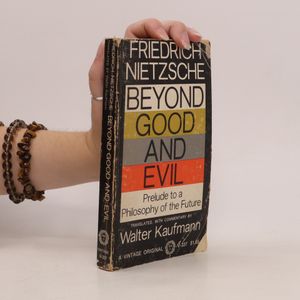


Nákup knihy
Beyond Good and Evil, Friedrich Nietzsche
- Jazyk

- Rok vydania
- 2024
Akonáhle sa objaví, pošleme e-mail.
Platobné metódy
Tu nám chýba tvoja recenzia
- Titul
- Beyond Good and Evil
- Jazyk
- anglicky
- Autori
- Friedrich Nietzsche
- Vydavateľ
- Warbler Classics
- Rok vydania
- 2024
- Počet strán
- 198
- ISBN13
- 9781962572675
- Série
- Štítky
- Náučná literatúra, Spoločenské vedy, Skutočné príbehy, Psychologická tematika, Filozofická tematika, Nemecká literatúra, Publicistika & Eseje, 19. storočie
- Prvé vydanie
- 1886
- Pôvodný názov
- Jenseits von Gut und Böse
- Hodnotenie
- 4,25 z 5
- Anotácia
- Friedrich Nietzsche's work serves as a powerful critique of modernity, challenging established notions in science, arts, and politics. He argues against the universality of morality, asserting that moral systems are shaped by individual perspectives rather than absolute truths. The book particularly targets European and Christian morality, which Nietzsche sees as hypocritical and life-denying. Through this provocative analysis, it examines themes of identity, religion, democracy, psychology, and individual freedom, influencing contemporary moral philosophy significantly.