

Kniha momentálne nie je na sklade
Parametre
- 218 stránok
- 8 hodin čítania
Viac o knihe
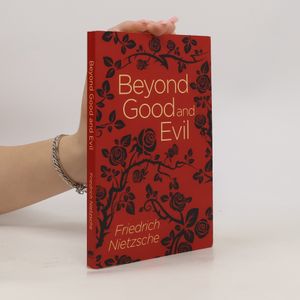
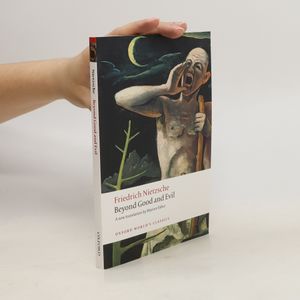
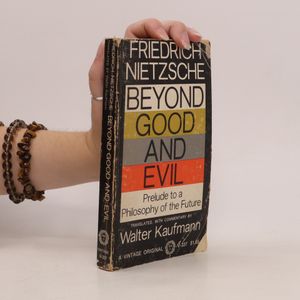
Friedrich Nietzsche's work critiques traditional morality and challenges the blind acceptance of Christian ideals by previous philosophers. Through a series of essays and aphorisms, he argues that human values are not absolute, highlighting the hypocrisy in value distinctions. This influential collection, first published in 1886, has significantly shaped modern intellectual thought, inviting readers to reconsider the foundations of their moral beliefs.


Vydanie
- 2024

- 2024
- 2023
- 2023
- 2023
- 2023
- 2023
- 2023
- 2023
- 2023
- 2023
- 2023

- 2022
- 2022
- 2022
- 2022
- 2022
- 2022
- 2022
- 2021
- 2021
- 2021
- 2021
- 2021
- 2021
- 2021
- 2021

- 2020
- 2020
- 2020
- 2020
- 2020
- 2020
- 2020
- 2020
- 2020
- 2020
- 2020
- 2020
- 2020
- 2020
- 2020
- 2020
- 2020
- 2020
- 2020

- 2019
- 2019
- 2019
- 2019
- 2019


- 2018
- 2018
- 2018
- 2018
- 2018
- 2018
- 2018
- 2018
- 2018
- 2018
- 2017
- 2017
- 2017
- 2017
- 2016

- 2013
- 2012
- 2010
- 2009
- 2009
- 2008
- 2008
- 2008
- 2008
- 2007
- 2007
- 2006
- 2005
- 2005
- 2004
- 2004







Nákup knihy
Beyond Good and Evil, Friedrich Nietzsche
- Jazyk

- Rok vydania
- 2022
Akonáhle sa objaví, pošleme e-mail.
Platobné metódy
Tu nám chýba tvoja recenzia
- Titul
- Beyond Good and Evil
- Jazyk
- anglicky
- Autori
- Friedrich Nietzsche
- Vydavateľ
- General Press
- Rok vydania
- 2022
- Počet strán
- 218
- ISBN13
- 9789354993749
- Série
- Štítky
- Náučná literatúra, Spoločenské vedy, Skutočné príbehy, Psychologická tematika, Filozofická tematika, Nemecká literatúra, Publicistika & Eseje, 19. storočie
- Prvé vydanie
- 1886
- Pôvodný názov
- Jenseits von Gut und Böse
- Hodnotenie
- 4,25 z 5
- Anotácia
- Friedrich Nietzsche's work critiques traditional morality and challenges the blind acceptance of Christian ideals by previous philosophers. Through a series of essays and aphorisms, he argues that human values are not absolute, highlighting the hypocrisy in value distinctions. This influential collection, first published in 1886, has significantly shaped modern intellectual thought, inviting readers to reconsider the foundations of their moral beliefs.