

Kniha momentálne nie je na sklade
Viac o knihe
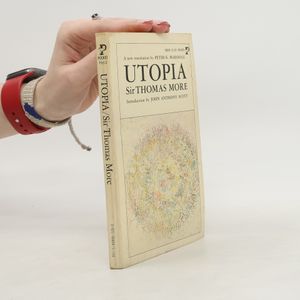
The narrative explores the Island of Utopia through the eyes of Raphael, reflecting More's vision of an ideal society while critiquing 16th-century European values. The blend of fictional characters with historical context reveals societal truths of the era. More's use of vivid imagery and references to Roman and Greek mythology enriches the text, making it accessible and engaging. The story gains momentum after a dinner scene with More and Giles, leading to deeper discussions about societal reform and the nature of happiness.



Vydanie

- 2024

- 2024
- 2023
- 2023
- 2022
- 2022
- 2022
- 2022
- 2022
- 2022
- 2021
- 2021
- 2021
- 2021
- 2021
- 2021

- 2020
- 2020
- 2020
- 2020
- 2019
- 2019
- 2019
- 2018
- 2018
- 2018
- 2018
- 2018
- 2018
- 2018
- 2018
- 2018

- 2017
- 2017
- 2017
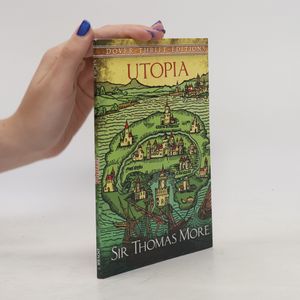
- 2016
- 2015
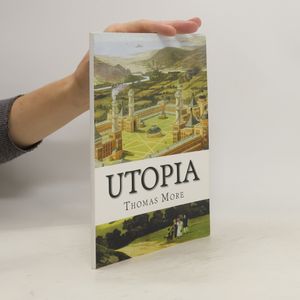
- 2014
- 2014
- 2013

- 2012
- 2012
- 2011
- 2011
- 2011
- 2011
- 2011


- 2010
- 2010
- 2010
- 2010
- 2009
- 2009
- 2008
- 2008

- 2006
- 2005
- 2005
- 2004

- 2001
- 1999


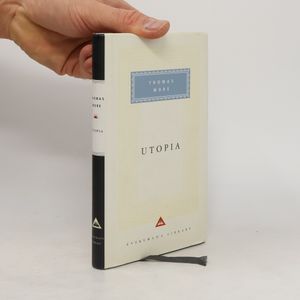

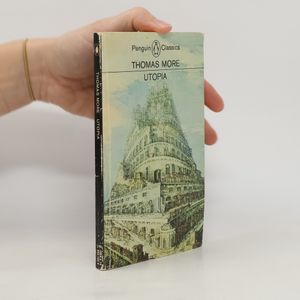



Platobné metódy
Tu nám chýba tvoja recenzia
- Titul
- Utopia
- Jazyk
- anglicky
- Autori
- Thomas More
- Vydavateľ
- IndoEuropeanPublishing.com
- Rok vydania
- 2018
- Väzba
- pevná
- Počet strán
- 140
- ISBN13
- 9781604449426
- Série
- Štítky
- Beletria, Náboženské témy, Filozofická tematika, Sci-Fi, Klasika, Politika, Napätie, Spoločnosť, Anglicko, Budúcnosť, Ostrovy, Socializmus, Utopie, Humanizmus, Štát, Myšlienkové experimenty
- Prvé vydanie
- 1516
- Pôvodný názov
- Utopia
- Hodnotenie
- 3,45 z 5
- Anotácia
- The narrative explores the Island of Utopia through the eyes of Raphael, reflecting More's vision of an ideal society while critiquing 16th-century European values. The blend of fictional characters with historical context reveals societal truths of the era. More's use of vivid imagery and references to Roman and Greek mythology enriches the text, making it accessible and engaging. The story gains momentum after a dinner scene with More and Giles, leading to deeper discussions about societal reform and the nature of happiness.