

Viac o knihe
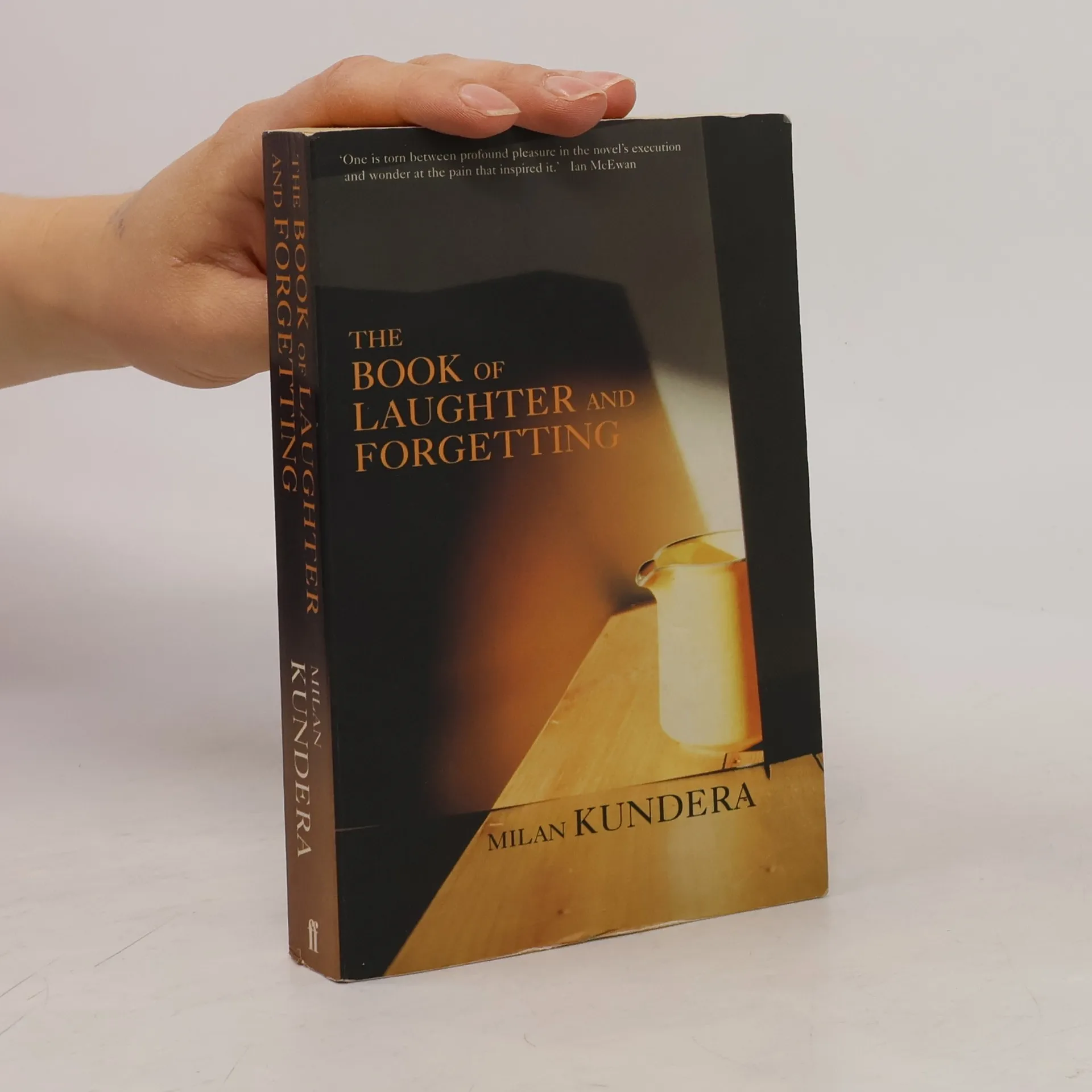
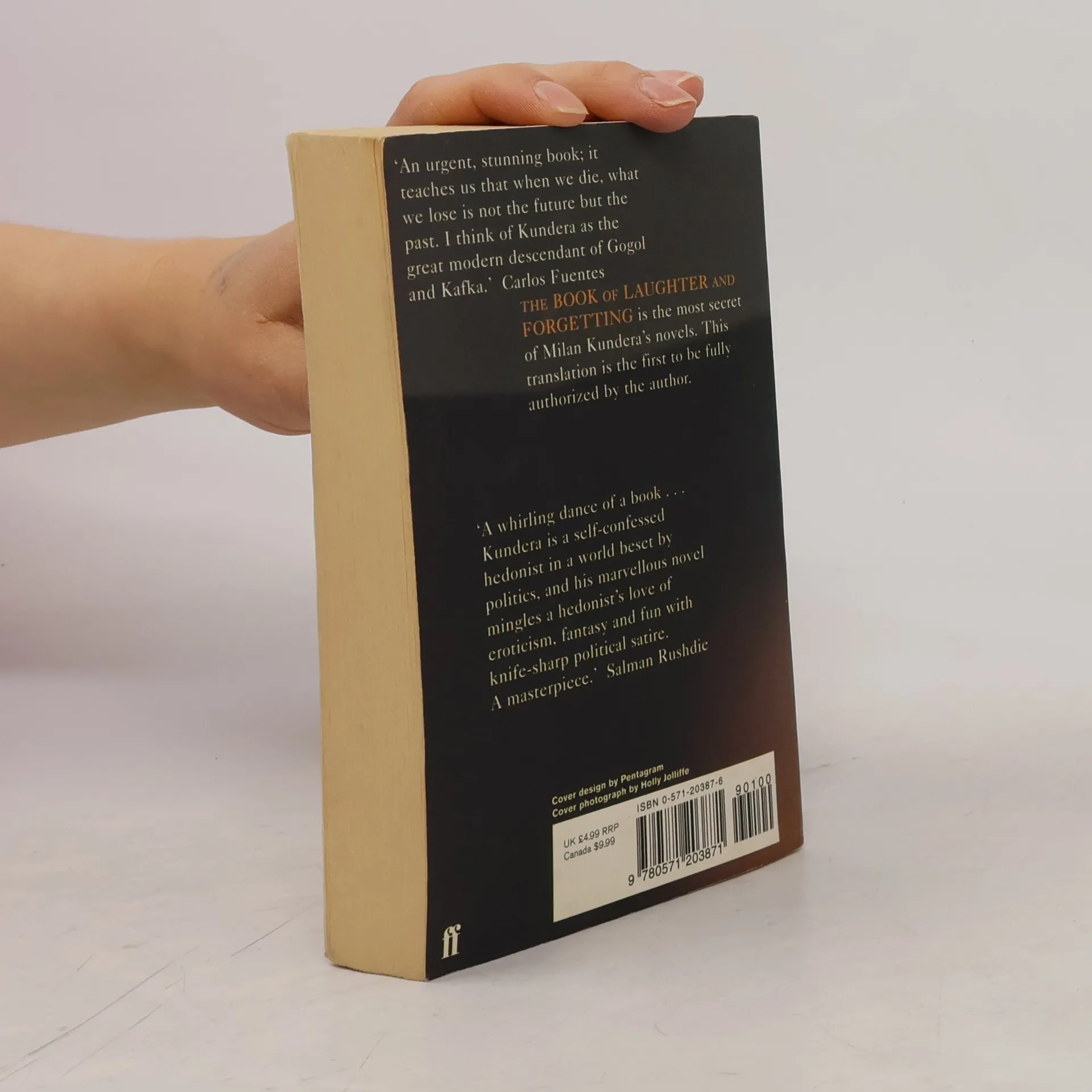
'This book is a novel in the form of variations. The various parts follow each other like the various stages of a voyage leading into the interior of a theme, the interior of a thought, the interior of a single, unique situation the understanding of which recedes from my sight into the distance. It is a book about laughter and about forgetting, about forgetting and about Prague, about Prague and about the angels.' The Book of Laughter and Forgetting is the most secret of Kundera's novels. This new translation is the first to be fully authorized by Milan Kundera. 'An urgent, stunning book; it teaches us that when we die, what we lose is not the future but the past. I think of Kundera as the great modern descendant of Gogol and Kafka.' Carlos Fuentes






Skladom máme celkom knihy The book of laughter and forgetting (2000).
Nákup knihy
The book of laughter and forgetting, Milan Kundera, Aaron Asher
- Jazyk

- Rok vydania
- 2000
- product-detail.submit-box.info.binding
- (mäkká),
- Stav knihy
- Poškodená
- Cena
- 1,61 €
Platobné metódy
Tu nám chýba tvoja recenzia
- Jazyk
- anglicky
- Autori
- Milan Kundera, Aaron Asher
- Vydavateľ
- Faber
- Rok vydania
- 2000
- Väzba
- mäkká
- Počet strán
- 312
- ISBN10
- 0571203876
- ISBN13
- 9780571203871
- Série
- Pôvodný názov
- Kniha smíchu a zapomnění
- Hodnotenie
- 4 z 5
- Anotácia
- 'This book is a novel in the form of variations. The various parts follow each other like the various stages of a voyage leading into the interior of a theme, the interior of a thought, the interior of a single, unique situation the understanding of which recedes from my sight into the distance. It is a book about laughter and about forgetting, about forgetting and about Prague, about Prague and about the angels.' The Book of Laughter and Forgetting is the most secret of Kundera's novels. This new translation is the first to be fully authorized by Milan Kundera. 'An urgent, stunning book; it teaches us that when we die, what we lose is not the future but the past. I think of Kundera as the great modern descendant of Gogol and Kafka.' Carlos Fuentes