



Viac o knihe
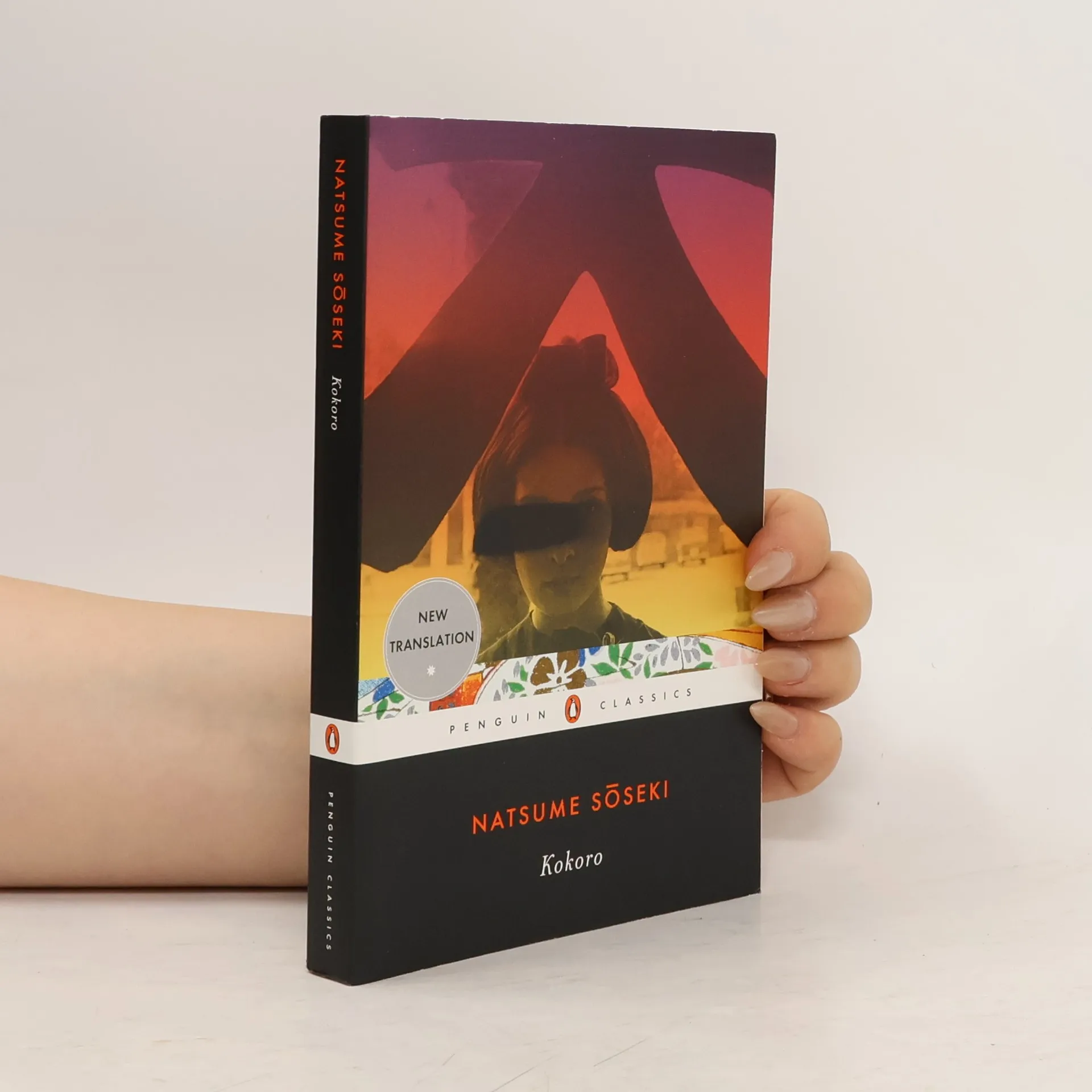
"No collection of Japanese literature is complete without Kokoro, the last novel Natsume Soseki complete before his death in 1916. Published here in the first new translation in more than fifty years, Kokoro--meaning "heart"--Is the story of a subtle and poignant friendship between two unnamed characters, a young man and an enigmatic elder whom he calls "Sensei". Haunted by tragic secrets that have cast a long shadow over his life, Sensei slowly opens up to his young disciple, confessing indiscretions from his own student days that have left him reeling with guilt, and revealing, in the seemingly unbridgeable chasm between his moral anguish and his student's struggle to understand it, the profound cultural shift from one generation to the next that characterized Japan in the early twentieth century"--Page 4 of cover






Nákup knihy
Kokoro, Sōseki Natsume
- Jazyk

- Rok vydania
- 2010
- Väzba
- (mäkká)
Platobné metódy
Tu nám chýba tvoja recenzia
- Titul
- Kokoro
- Jazyk
- anglicky
- Autori
- Sōseki Natsume
- Vydavateľ
- Penguin Classics
- Rok vydania
- 2010
- Väzba
- mäkká
- Počet strán
- 238
- ISBN10
- 0143106031
- ISBN13
- 9780143106036
- Série
- Štítky
- Beletria, Láska, Rodina, Klasika, Priateľstvo, Rastliny, Spomienky, Japonsko, Sfilmované, Ázia, Japonská literatúra, Bylinky, Samovražda, Vina, Dedičstvo, Tokio, Medzigeneračné vzťahy
- Prvé vydanie
- 1914
- Pôvodný názov
- こころ
- Hodnotenie
- 4,05 z 5
- Anotácia
- "No collection of Japanese literature is complete without Kokoro, the last novel Natsume Soseki complete before his death in 1916. Published here in the first new translation in more than fifty years, Kokoro--meaning "heart"--Is the story of a subtle and poignant friendship between two unnamed characters, a young man and an enigmatic elder whom he calls "Sensei". Haunted by tragic secrets that have cast a long shadow over his life, Sensei slowly opens up to his young disciple, confessing indiscretions from his own student days that have left him reeling with guilt, and revealing, in the seemingly unbridgeable chasm between his moral anguish and his student's struggle to understand it, the profound cultural shift from one generation to the next that characterized Japan in the early twentieth century"--Page 4 of cover