

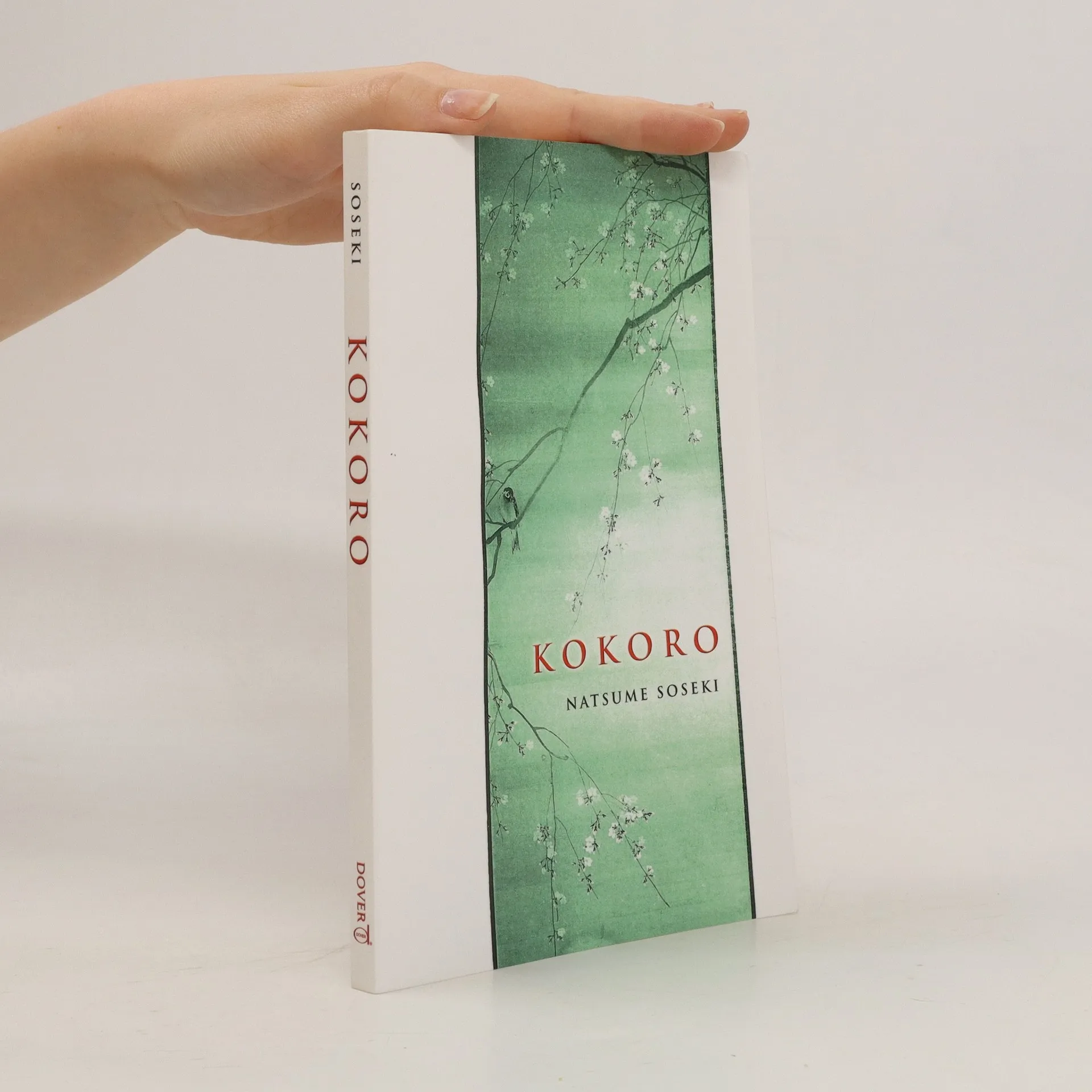

Viac o knihe
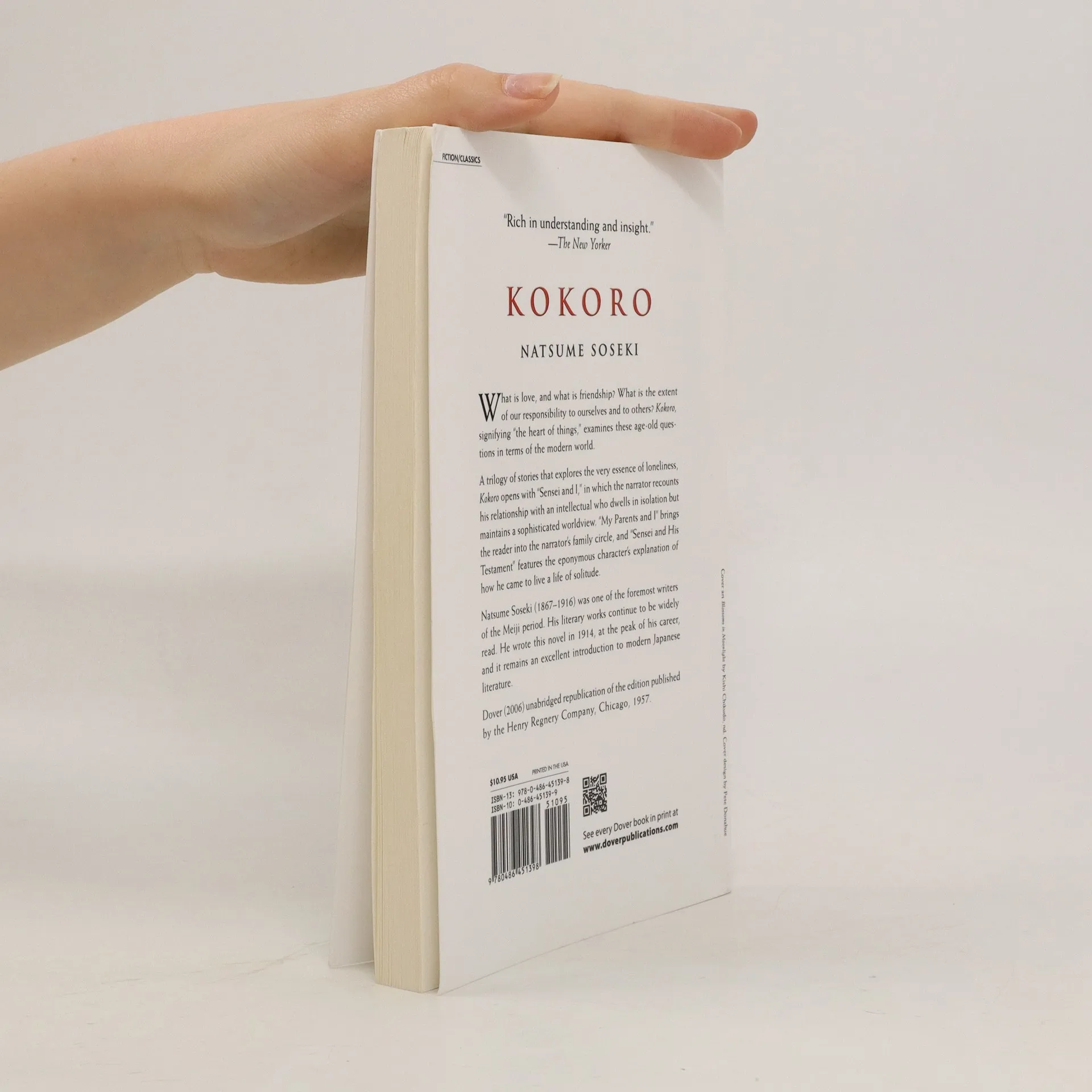
"Rich in understanding and insight."—The New YorkerWhat is love, and what is friendship? What is the extent of our responsibility to ourselves and to others? Kokoro, signifying "the heart of things," examines these age-old questions in terms of the modern world.A trilogy of stories that explores the very essence of loneliness, Kokoro opens with "Sensei and I," in which the narrator recounts his relationship with an intellectual who dwells in isolation but maintains a sophisticated worldview. "My Parents and I" brings the reader into the narrator's family circle, and "Sensei and His Testament" features the eponymous character's explanation of how he came to live a life of solitude.Natsume Soseki (1867–1916), perhaps the greatest novelist of the Meiji period, remains one of Japan's most widely read authors. He wrote this novel in 1914, at the peak of his career, and it remains an excellent introduction to modern Japanese literature.






Nákup knihy
Kokoro, Edwin McClellan, Sōseki Natsume
- Jazyk

- Rok vydania
- 2006
- Väzba
- (mäkká)
Platobné metódy
Tu nám chýba tvoja recenzia
- Titul
- Kokoro
- Jazyk
- anglicky
- Autori
- Edwin McClellan, Sōseki Natsume
- Vydavateľ
- Dover Publications
- Rok vydania
- 2006
- Väzba
- mäkká
- Počet strán
- 208
- ISBN10
- 0486451399
- ISBN13
- 9780486451398
- Série
- Štítky
- Beletria, Láska, Rodina, Klasika, Priateľstvo, Rastliny, Spomienky, Japonsko, Sfilmované, Ázia, Japonská literatúra, Bylinky, Samovražda, Vina, Dedičstvo, Tokio, Medzigeneračné vzťahy
- Prvé vydanie
- 1914
- Pôvodný názov
- こころ
- Hodnotenie
- 4,05 z 5
- Anotácia
- "Rich in understanding and insight."—The New YorkerWhat is love, and what is friendship? What is the extent of our responsibility to ourselves and to others? Kokoro, signifying "the heart of things," examines these age-old questions in terms of the modern world.A trilogy of stories that explores the very essence of loneliness, Kokoro opens with "Sensei and I," in which the narrator recounts his relationship with an intellectual who dwells in isolation but maintains a sophisticated worldview. "My Parents and I" brings the reader into the narrator's family circle, and "Sensei and His Testament" features the eponymous character's explanation of how he came to live a life of solitude.Natsume Soseki (1867–1916), perhaps the greatest novelist of the Meiji period, remains one of Japan's most widely read authors. He wrote this novel in 1914, at the peak of his career, and it remains an excellent introduction to modern Japanese literature.