


Viac o knihe
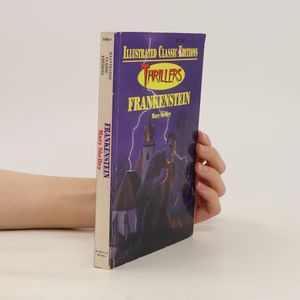
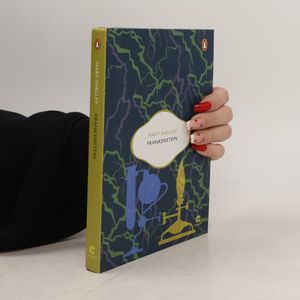
More than 200 years after it was first published, Mary Shelley's Frankenstein has stood the test of time as a gothic masterpiece—a classic work of horror that blurs the line between man and monster. “If I cannot inspire love, I will cause fear.” For centuries, the story of Victor Frankenstein and the monster he created has held readers spellbound. On the surface, it is a novel of tense and steadily mounting dread. On a more profound level, it illuminates the triumph and tragedy of the human condition in its portrayal of a scientist who oversteps the bounds of conscience, and of a creature tortured by the solitude of a world in which he does not belong. A novel of almost hallucinatory intensity, Mary Shelley’s Frankenstein represents one of the most striking flowerings of the Romantic imagination. With an Introduction by Douglas Clegg And an Afterword by Harold Bloom



Vydanie


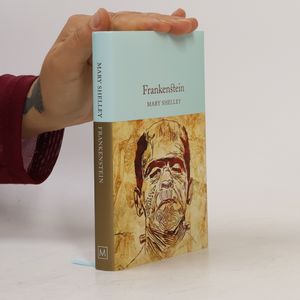



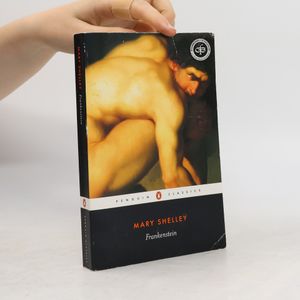
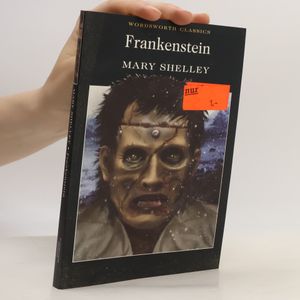




- 2025


- 2024

- 2024
- 2024
- 2024
- 2024
- 2024
- 2024
- 2023
- 2023
- 2023
- 2023
- 2023
- 2023
- 2023
- 2023
- 2023
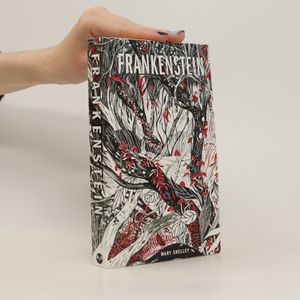

- 2022
- 2022
- 2022
- 2022
- 2022
- 2022
- 2022
- 2022
- 2022
- 2022
- 2022
- 2022

- 2021
- 2021
- 2021
- 2021
- 2021
- 2021
- 2021
- 2021
- 2021
- 2021
- 2021
- 2020
- 2020
- 2020
- 2020
- 2020
- 2020
- 2020
- 2020
- 2020
- 2020
- 2020
- 2020
- 2020
- 2020
- 2020
- 2020
- 2020
- 2020
- 2020
- 2020
- 2020
- 2020
- 2019



- 2019
- 2019
- 2019

- 2019
- 2019
- 2019
- 2019
- 2019



- 2018
- 2018
- 2018
- 2018
- 2018
- 2018


- 2018
- 2018
- 2018
- 2018
- 2018
- 2018
- 2018
- 2018
- 2018
- 2018
- 2018

- 2017
- 2017
- 2017


- 2017

- 2016
- 2016
- 2016
- 2016

- 2016
- 2016
- 2016

- 2016

- 2015
- 2015
- 2015
- 2015




- 2014
- 2014
- 2014
- 2014





- 2013
- 2013
- 2013
- 2013
- 2013


- 2012
- 2012
- 2012
- 2012
- 2012
- 2011
- 2011
- 2011
- 2011
- 2011
- 2011
- 2011

- 2010
- 2010
- 2010
- 2010
- 2010


- 2009
- 2009
- 2009
- 2009




- 2008
- 2008
- 2008
- 2008

- 2008


- 2007
- 2007


- 2005
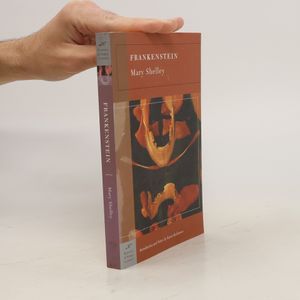
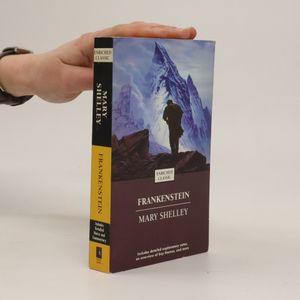
- 2004
- 2004


- 2002
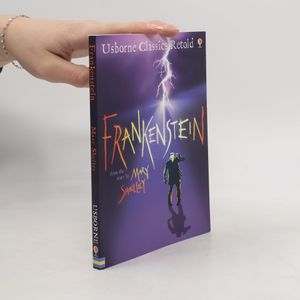


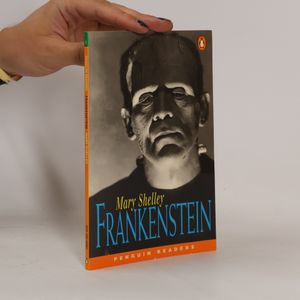


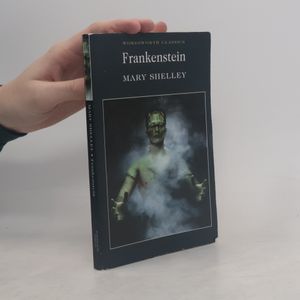
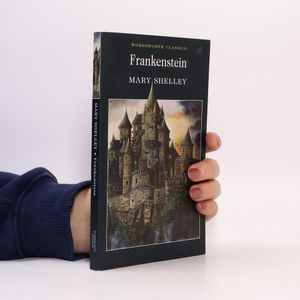
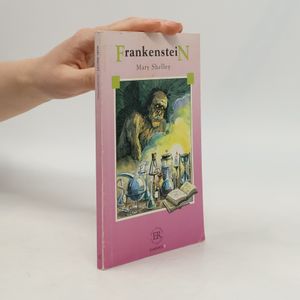
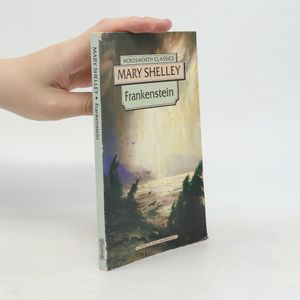
- 1998
- 1997




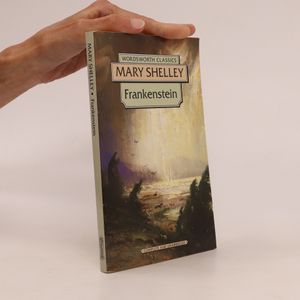



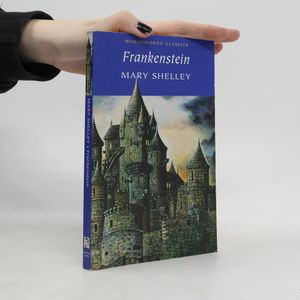


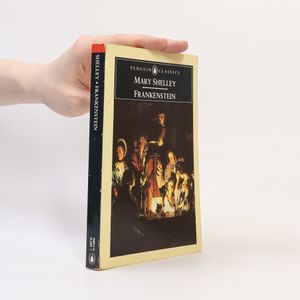






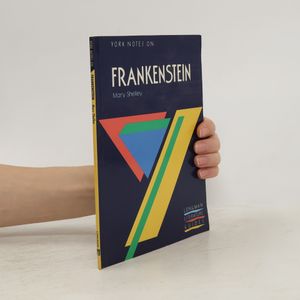
- 1982
















Platobné metódy
Tu nám chýba tvoja recenzia
- Titul
- Frankenstein
- Jazyk
- anglicky
- Autori
- Mary Shelleyová
- Vydavateľ
- Penguin Books
- Rok vydania
- 2013
- Väzba
- mäkká
- Počet strán
- 272
- ISBN10
- 0451532244
- ISBN13
- 9780451532244
- Série
- Štítky
- Beletria, Fantasy, Láska, Sci-Fi, Klasika, Veda, Nemecko, Horor, Francúzsko, Vraždy, Úmrtia, Nadprirodzené bytosti, Anglicko, Darčeky pre mužov, Anglická literatúra, Sfilmované, Upíri, Tajomné, mysteriózne, Škótsko, Pomsta, Švajčiarsko, Gotika, Romantizmus, Príšery, Gotický horor, Hrôza, strach, Pokusy (veda), Klasicizmus, Arktída, Ženeva, Viktoriánska fantastika
- Prvé vydanie
- 1818
- Pôvodný názov
- Frankenstein, or The Modern Prometheus
- Hodnotenie
- 4,05 z 5
- Anotácia
- More than 200 years after it was first published, Mary Shelley's Frankenstein has stood the test of time as a gothic masterpiece—a classic work of horror that blurs the line between man and monster. “If I cannot inspire love, I will cause fear.” For centuries, the story of Victor Frankenstein and the monster he created has held readers spellbound. On the surface, it is a novel of tense and steadily mounting dread. On a more profound level, it illuminates the triumph and tragedy of the human condition in its portrayal of a scientist who oversteps the bounds of conscience, and of a creature tortured by the solitude of a world in which he does not belong. A novel of almost hallucinatory intensity, Mary Shelley’s Frankenstein represents one of the most striking flowerings of the Romantic imagination. With an Introduction by Douglas Clegg And an Afterword by Harold Bloom