



Parametre
- 474 stránok
- 17 hodin čítania
Viac o knihe
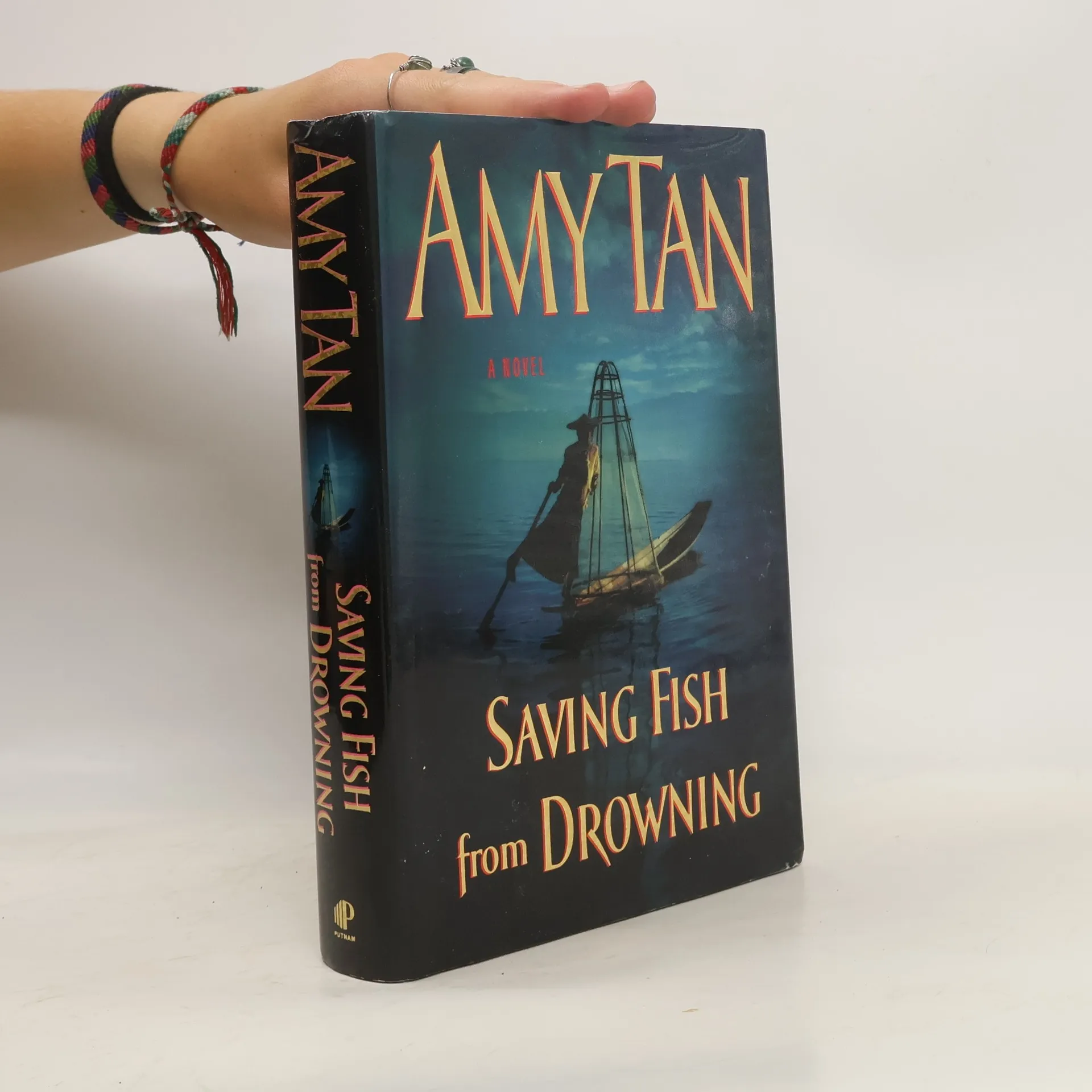
A provocative new novel from the bestselling author of The Joy Luck Club and The Bonesetter's Daughter follows eleven Americans on an ill-fated art expedition in the southern Shan state of Burma. After leaving their Floating Island Resort for a Christmas-morning tour, they mysteriously disappear. As they navigate the jungle, they encounter a tribe awaiting their leader's return and a mythical book of wisdom believed to protect them from the Myanmar military regime. The narrative seduces with a facade of Buddhist illusions, magician's tricks, and light comedy, yet it evolves into a gripping morality tale about the consequences of intentions—both good and bad—and the shared responsibility individuals must accept for the actions of others. A pious man illustrates this with a story about saving fish from drowning. He pledges to save lives by catching fish and placing them on the bank, reassuring them as they flop and twirl. However, he always arrives too late, and the fish expire. Rather than waste them, he sells the dead fish at market to buy more nets for saving others. This paradox highlights the complexities of good intentions and the often tragic outcomes of well-meaning actions.




Nákup knihy
Saving Fish from Drowning, Amy Tan
- Jazyk

- Rok vydania
- 2005
- product-detail.submit-box.info.binding
- (pevná)
Platobné metódy
Tu nám chýba tvoja recenzia
- Jazyk
- anglicky
- Autori
- Amy Tan
- Rok vydania
- 2005
- Väzba
- pevná
- Počet strán
- 474
- ISBN10
- 0399153012
- ISBN13
- 9780399153013
- Série
- Štítky
- Beletria, Príroda, Historické romány, Dobrodružstvo, Humor, Súčasná literatúra, Priateľstvo, Úmrtia, Ázia, Čína, Cesta, Duchovia a príšery, Únosy, Ázijská literatúra, Džungľa, Mjanmarsko
- Pôvodný názov
- Saving fish from drowning
- Hodnotenie
- 3,45 z 5
- Anotácia
- A provocative new novel from the bestselling author of The Joy Luck Club and The Bonesetter's Daughter follows eleven Americans on an ill-fated art expedition in the southern Shan state of Burma. After leaving their Floating Island Resort for a Christmas-morning tour, they mysteriously disappear. As they navigate the jungle, they encounter a tribe awaiting their leader's return and a mythical book of wisdom believed to protect them from the Myanmar military regime. The narrative seduces with a facade of Buddhist illusions, magician's tricks, and light comedy, yet it evolves into a gripping morality tale about the consequences of intentions—both good and bad—and the shared responsibility individuals must accept for the actions of others. A pious man illustrates this with a story about saving fish from drowning. He pledges to save lives by catching fish and placing them on the bank, reassuring them as they flop and twirl. However, he always arrives too late, and the fish expire. Rather than waste them, he sells the dead fish at market to buy more nets for saving others. This paradox highlights the complexities of good intentions and the often tragic outcomes of well-meaning actions.