Bookbot
Miláčik čitateľov je práve vypredaný
Máte ju v knižnici?Získajte od 2,10 € do 2,84 € predajom tejto knihy.
Predať knihy

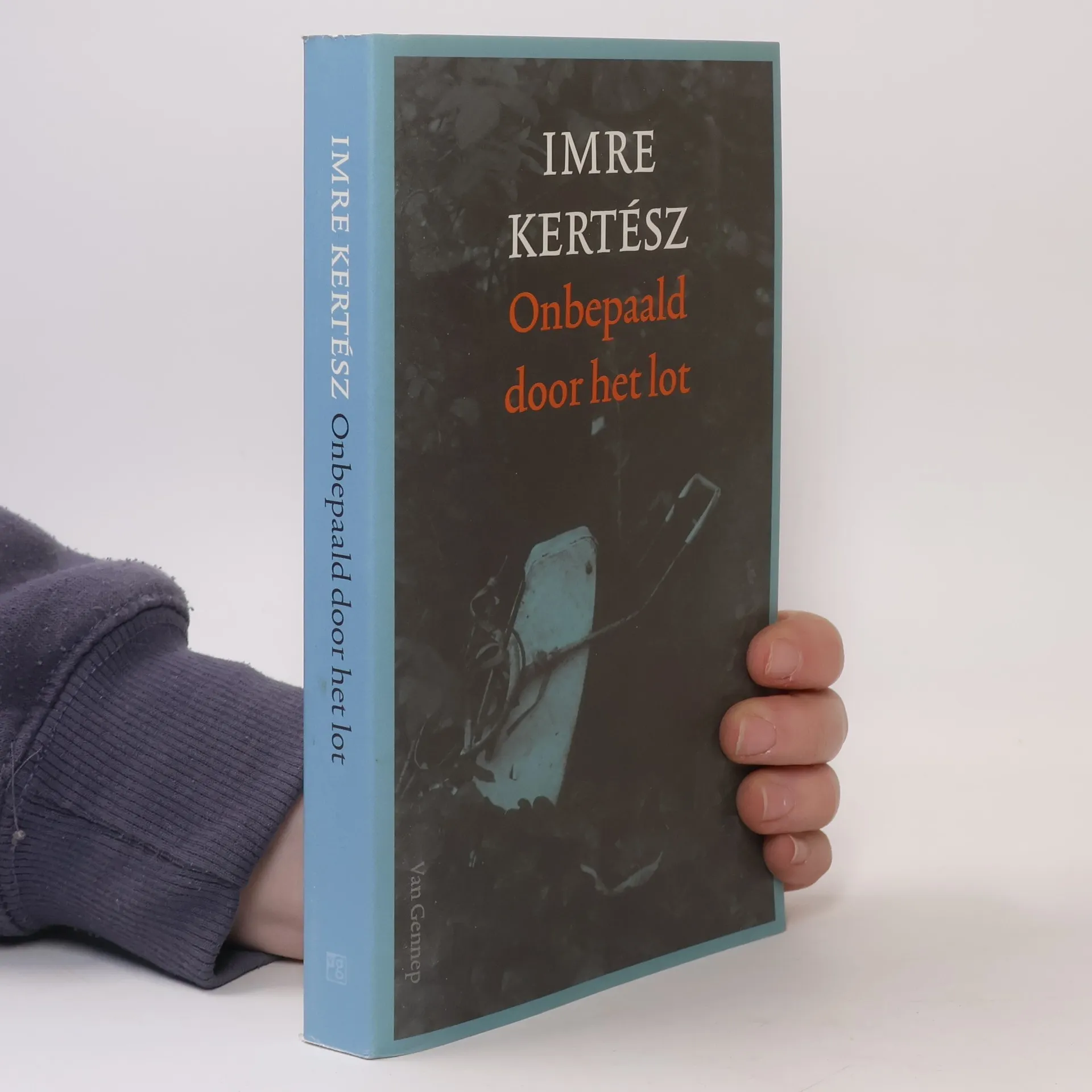
Onbepaald door het lot

Hodnotenie knihy

Série

Parametre

  • 242 stránok
  • 9 hodin čítania

Viac o knihe

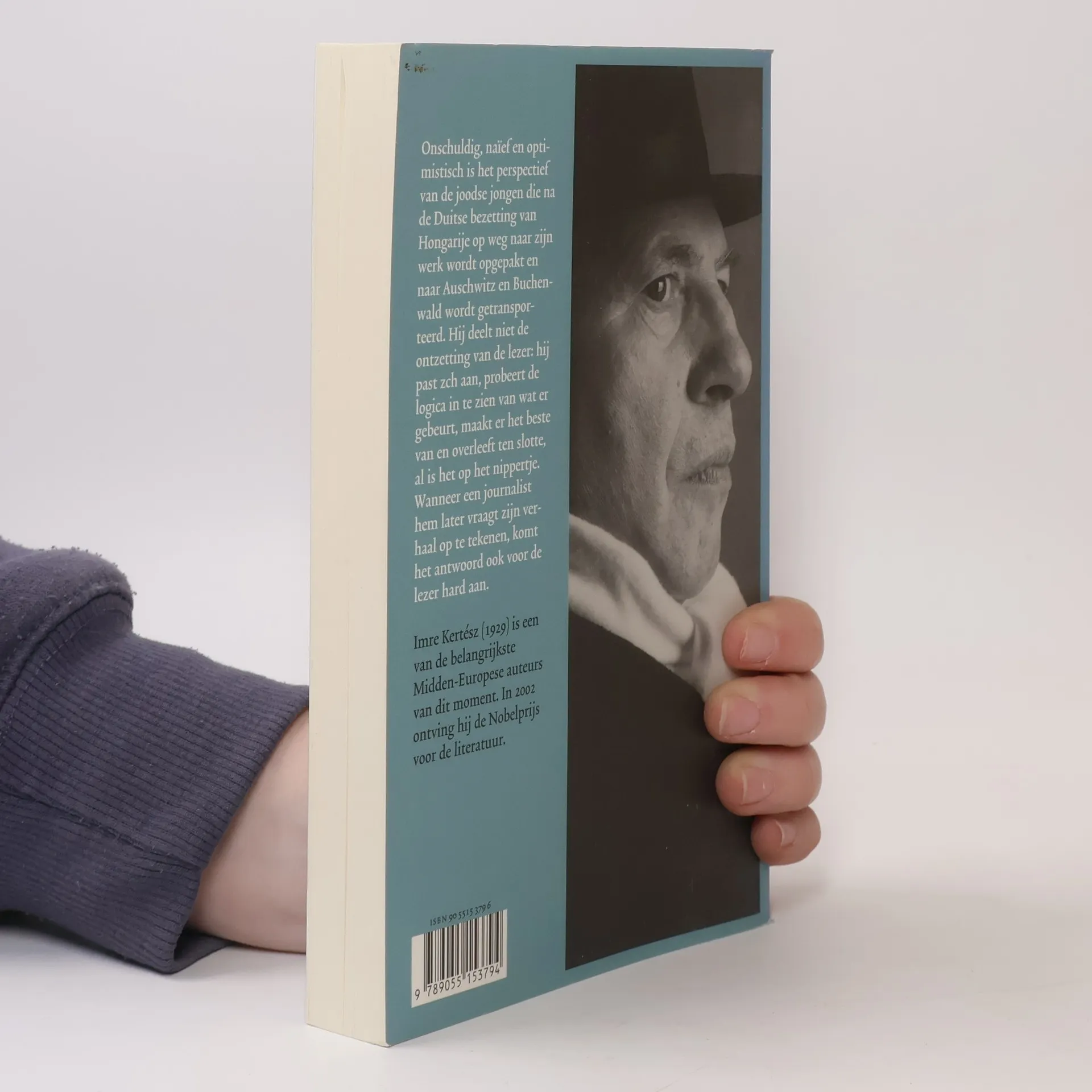
At the age of 14 Georg Koves is plucked from his home in a Jewish section of Budapest and without any particular malice, placed on a train to Auschwitz. He does not understand the reason for his fate. He doesn’t particularly think of himself as Jewish. And his fellow prisoners, who decry his lack of Yiddish, keep telling him, “You are no Jew.” In the lowest circle of the Holocaust, Georg remains an outsider. The genius of Imre Kertesz’s unblinking novel lies in its refusal to mitigate the strangeness of its events, not least of which is Georg’s dogmatic insistence on making sense of what he witnesses–or pretending that what he witnesses makes sense. Haunting, evocative, and all the more horrifying for its rigorous avoidance of sentiment, Fatelessness is a masterpiece in the traditions of Primo Levi, Elie Wiesel, and Tadeusz Borowski.

Nákup knihy

Onbepaald door het lot, Imre Kertész, J. H. A. Kammer

Jazyk
Rok vydania
2003
Väzba
(pevná)
Akonáhle sa objaví, pošleme e-mail.

Doručenie

Platobné metódy

    4,1
    Veľmi dobrá
    99+ Hodnotenie
    Titul
    Onbepaald door het lot
    Jazyk
    holandsky
    Vydavateľ
    Van gennep
    Rok vydania
    2003
    Väzba
    pevná
    Počet strán
    242
    ISBN10
    9055153796
    ISBN13
    9789055153794
    Série
    Holokaust
    Prvé vydanie
    1975
    Pôvodný názov
    Sorstalanság
    Hodnotenie
    4,1 z 5
    Anotácia
    At the age of 14 Georg Koves is plucked from his home in a Jewish section of Budapest and without any particular malice, placed on a train to Auschwitz. He does not understand the reason for his fate. He doesn’t particularly think of himself as Jewish. And his fellow prisoners, who decry his lack of Yiddish, keep telling him, “You are no Jew.” In the lowest circle of the Holocaust, Georg remains an outsider. The genius of Imre Kertesz’s unblinking novel lies in its refusal to mitigate the strangeness of its events, not least of which is Georg’s dogmatic insistence on making sense of what he witnesses–or pretending that what he witnesses makes sense. Haunting, evocative, and all the more horrifying for its rigorous avoidance of sentiment, Fatelessness is a masterpiece in the traditions of Primo Levi, Elie Wiesel, and Tadeusz Borowski.