

Kniha momentálne nie je na sklade
Parametre
- 206 stránok
- 8 hodin čítania
Viac o knihe
Nietzsche critiques traditional morality, arguing that past philosophers failed to apply critical thinking and accepted dogma without question. He proposes an affirmative approach that transcends conventional notions of good and evil, emphasizing the importance of understanding the subjective nature of knowledge and the challenges faced by individuals in the modern world. This work encourages readers to confront these complexities rather than adhere to outdated moral frameworks.


Vydanie
- 2024

- 2024
- 2023
- 2023
- 2023
- 2023
- 2023
- 2023
- 2023
- 2023
- 2023
- 2023

- 2022
- 2022
- 2022
- 2022
- 2022
- 2022
- 2022
- 2021
- 2021
- 2021
- 2021
- 2021
- 2021
- 2021
- 2021

- 2020
- 2020
- 2020
- 2020
- 2020
- 2020
- 2020
- 2020
- 2020
- 2020
- 2020
- 2020
- 2020
- 2020
- 2020
- 2020
- 2020
- 2020
- 2020

- 2019
- 2019
- 2019
- 2019
- 2019


- 2018

- 2018
- 2018
- 2018
- 2018
- 2018
- 2018
- 2018
- 2018
- 2018
- 2017
- 2017
- 2017
- 2017
- 2016

- 2013
- 2012
- 2010
- 2009
- 2009

- 2008
- 2008
- 2008
- 2008
- 2007
- 2007
- 2006
- 2005
- 2005
- 2004
- 2004







Nákup knihy
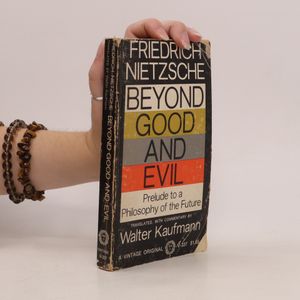
Beyond Good & Evil, Friedrich Nietzsche
- Jazyk

- Rok vydania
- 2013
Akonáhle sa objaví, pošleme e-mail.
Platobné metódy
Tu nám chýba tvoja recenzia
- Titul
- Beyond Good & Evil
- Jazyk
- anglicky
- Autori
- Friedrich Nietzsche
- Vydavateľ
- PSI
- Rok vydania
- 2013
- Počet strán
- 206
- ISBN13
- 9781940177359
- Série
- Štítky
- Náučná literatúra, Spoločenské vedy, Skutočné príbehy, Psychologická tematika, Filozofická tematika, Nemecká literatúra, Publicistika & Eseje, 19. storočie
- Prvé vydanie
- 1886
- Pôvodný názov
- Jenseits von Gut und Böse
- Hodnotenie
- 4,25 z 5
- Anotácia
- Nietzsche critiques traditional morality, arguing that past philosophers failed to apply critical thinking and accepted dogma without question. He proposes an affirmative approach that transcends conventional notions of good and evil, emphasizing the importance of understanding the subjective nature of knowledge and the challenges faced by individuals in the modern world. This work encourages readers to confront these complexities rather than adhere to outdated moral frameworks.