

Kniha momentálne nie je na sklade
Viac o knihe
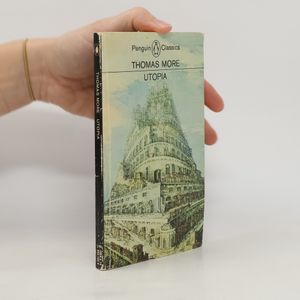
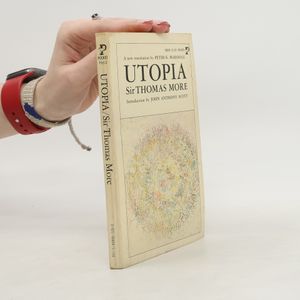
Set on an imaginary island, the narrative explores a self-sustaining community where inhabitants share a harmonious way of life. Through the dialogue between Thomas More, Peter Giles, and the traveler Raphael Hythloday, the book reveals the unique geography and social structures of Utopia, including family, marriage, education, religion, and politics. Additionally, it serves as a satire of the turbulent European political landscape of More's time, offering a thought-provoking critique of contemporary society.



Vydanie
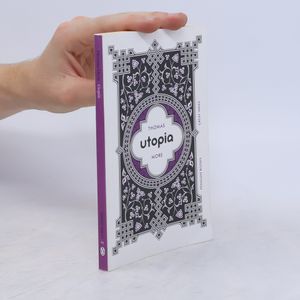
- 2024

- 2024
- 2023
- 2023
- 2022
- 2022
- 2022
- 2022
- 2022
- 2022
- 2021
- 2021
- 2021
- 2021
- 2021
- 2021

- 2020
- 2020
- 2020
- 2020
- 2019
- 2019
- 2019
- 2018
- 2018
- 2018
- 2018
- 2018
- 2018
- 2018
- 2018
- 2018
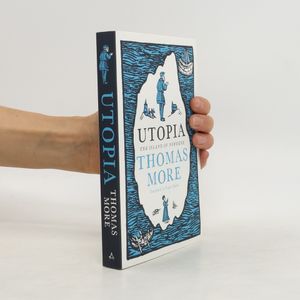
- 2017
- 2017
- 2017
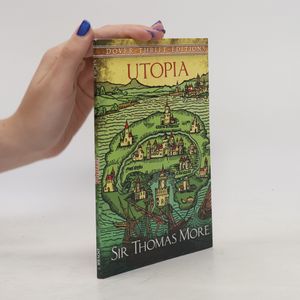
- 2016
- 2015
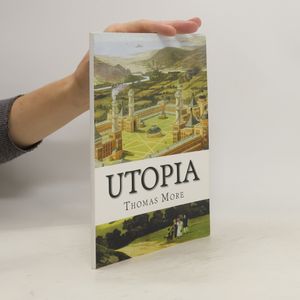
- 2014
- 2014
- 2013

- 2012
- 2012
- 2011
- 2011
- 2011
- 2011
- 2011

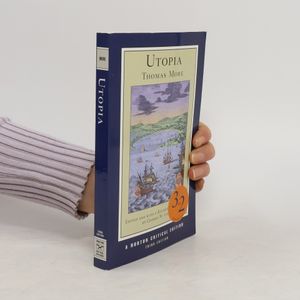
- 2010
- 2010
- 2010
- 2010
- 2009
- 2009
- 2008
- 2008

- 2006
- 2005
- 2005
- 2004

- 2001
- 1999
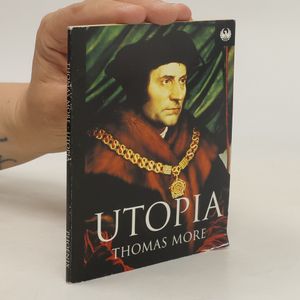




Platobné metódy
Tu nám chýba tvoja recenzia
- Titul
- Utopia
- Jazyk
- anglicky
- Autori
- Thomas More
- Vydavateľ
- Pharos Books
- Rok vydania
- 2019
- Väzba
- mäkká
- Počet strán
- 114
- ISBN13
- 9789390001149
- Série
- Štítky
- Beletria, Náboženské témy, Filozofická tematika, Sci-Fi, Klasika, Politika, Napätie, Spoločnosť, Anglicko, Budúcnosť, Ostrovy, Socializmus, Utopie, Humanizmus, Štát, Myšlienkové experimenty
- Prvé vydanie
- 1516
- Pôvodný názov
- Utopia
- Hodnotenie
- 3,45 z 5
- Anotácia
- Set on an imaginary island, the narrative explores a self-sustaining community where inhabitants share a harmonious way of life. Through the dialogue between Thomas More, Peter Giles, and the traveler Raphael Hythloday, the book reveals the unique geography and social structures of Utopia, including family, marriage, education, religion, and politics. Additionally, it serves as a satire of the turbulent European political landscape of More's time, offering a thought-provoking critique of contemporary society.