

Kniha momentálne nie je na sklade
Viac o knihe
Set against the backdrop of 16th-century Europe, the novel presents a fictional utopian island where harmony prevails, education is universal, and property is communal. Through the character of Raphael Hythloday, a philosopher and traveler, the narrative unfolds during a dinner conversation among More and his friend Peter Giles, exploring themes of society and governance. This work not only critiques contemporary European society but also lays the groundwork for future utopian literature, making it a significant socio-political satire.



Vydanie
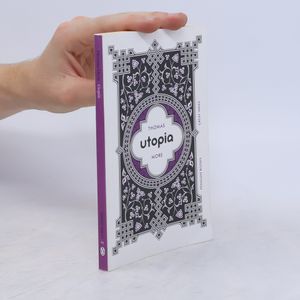
- 2024

- 2024
- 2023
- 2023
- 2022
- 2022
- 2022
- 2022
- 2022
- 2022
- 2021
- 2021
- 2021
- 2021
- 2021
- 2021

- 2020
- 2020
- 2020
- 2020
- 2019
- 2019
- 2019
- 2018
- 2018
- 2018
- 2018
- 2018
- 2018
- 2018
- 2018
- 2018
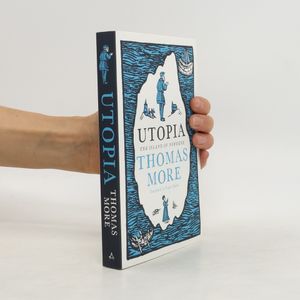
- 2017
- 2017
- 2017
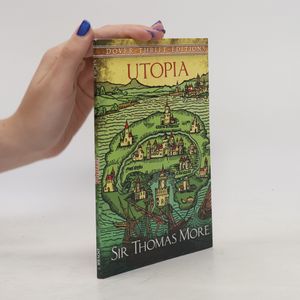
- 2016
- 2015
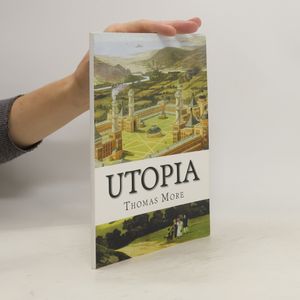
- 2014
- 2014
- 2013

- 2012
- 2012
- 2011
- 2011
- 2011
- 2011
- 2011

- 2010
- 2010
- 2010
- 2010
- 2009
- 2009
- 2008
- 2008

- 2006
- 2005
- 2005
- 2004

- 2001
- 1999






Platobné metódy
Tu nám chýba tvoja recenzia
- Titul
- Utopia
- Jazyk
- anglicky
- Autori
- Thomas More
- Vydavateľ
- DOUBLE 9 BOOKSLLP
- Rok vydania
- 2023
- Počet strán
- 96
- ISBN13
- 9789357482493
- Série
- Štítky
- Beletria, Náboženské témy, Filozofická tematika, Sci-Fi, Klasika, Politika, Napätie, Spoločnosť, Anglicko, Budúcnosť, Ostrovy, Socializmus, Utopie, Humanizmus, Štát, Myšlienkové experimenty
- Prvé vydanie
- 1516
- Pôvodný názov
- Utopia
- Hodnotenie
- 3,45 z 5
- Anotácia
- Set against the backdrop of 16th-century Europe, the novel presents a fictional utopian island where harmony prevails, education is universal, and property is communal. Through the character of Raphael Hythloday, a philosopher and traveler, the narrative unfolds during a dinner conversation among More and his friend Peter Giles, exploring themes of society and governance. This work not only critiques contemporary European society but also lays the groundwork for future utopian literature, making it a significant socio-political satire.